Explore films connected to Chernobyl Diaries through recklessness and consequence, group fear, survival in an abandoned place. Choose the qualities you want to carry into your next watch.
What should feel similar?
Find your next favourite
9 films · Closest overall matches
Hide films you’ve seen or don’t want. Saved on this device.
No matches for this combination yet.
Try another option or reset your choices to see more films.
Both share an ominous and claustrophobic atmosphere.
Why this matches +
Genres: Horror / Mystery
Shared film traits
Based on recorded story, mood and style. Your preferences can change the order.
Survival · Escape and pursuit
What changes Chernobyl Diaries: gradual build and pursuit-driven escalation. The Pyramid: brisk, escalating and survival-focused.
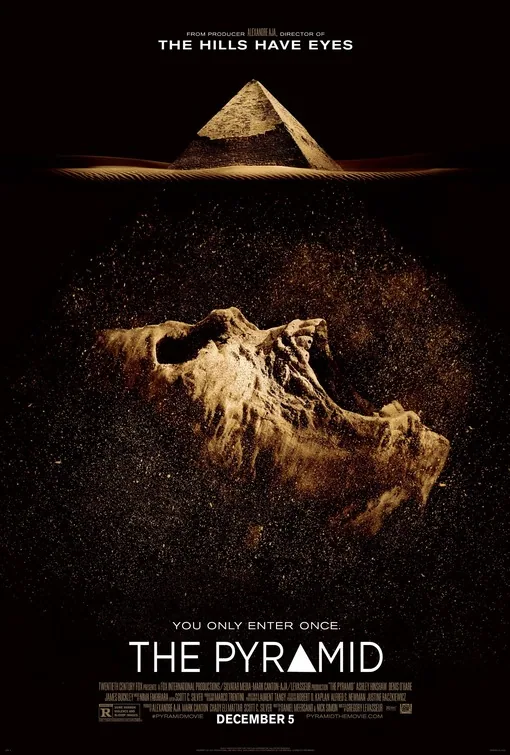
An archaeological team in Egypt discovers a buried three-sided pyramid and sends a remote vehicle inside to map its passages. When the device goes offline, the researchers enter to retrieve it and quickly become lost in the structure. An injured colleague, unstable passages and a predator in the dark turn the expedition into a fight for escape. The film follows the team through tight corridors as their equipment and expertise fail to give them control.
Based on recorded story, mood and style. Your preferences can change the order.
Survival
What changes Chernobyl Diaries: gradual build and pursuit-driven escalation. Wrong Turn: fast and continuous chase.
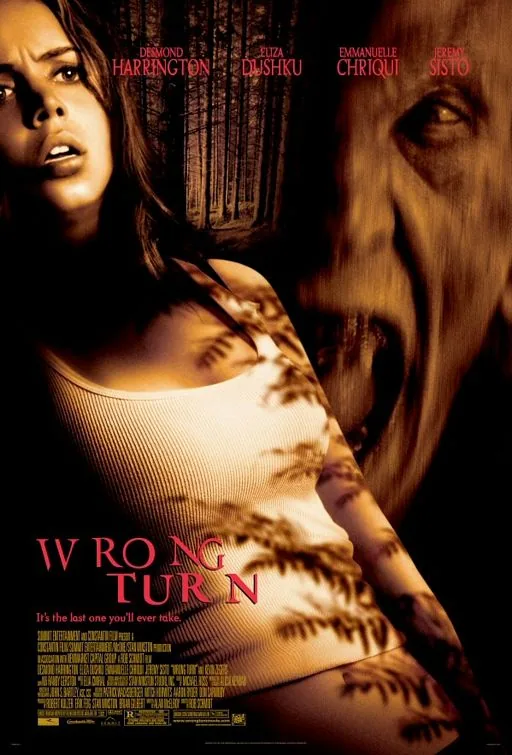
After taking an isolated road through the Appalachian hills of West Virginia, a group of young travelers become stranded and realize they are being hunted by violent men who live in the surrounding woods. With their vehicle unusable and rescue unlikely, the survivors must move through unfamiliar terrain while trying to stay quiet and protect one another. The film’s short running time and remote setting keep the threat close, using the fear of being watched and pursued to drive its slasher structure. Limited visibility and uncertain routes keep escape attempts from feeling safe. The strangers' cooperation shifts between concealment and sudden flight as the hunters close in.
Based on recorded story, mood and style. Your preferences can change the order.
Survival · Escape and pursuit
What changes Chernobyl Diaries: gradual build and pursuit-driven escalation. Hostel: steady and escalating.
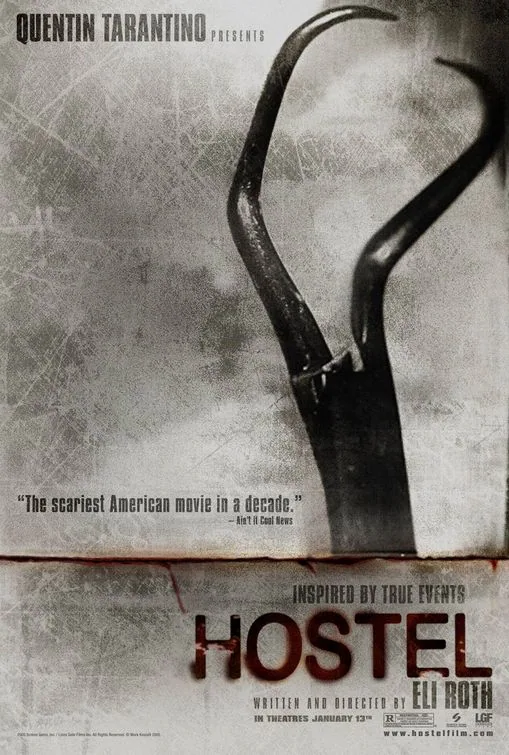
Young travelers follow a promise of easy pleasure to a Slovakian hostel, interpreting welcoming attention through their own expectations of access and consumption. Companions disappear, and the setting reveals an organized market in which outsiders become objects for other people's purchased violence. Escaping requires recognizing that ordinary hospitality, transport and apparent friendliness may be part of the same operation. The exploitation horror reverses the travelers' privileged assumptions through graphic captivity, without making its distorted geography a trustworthy picture of the place it depicts.
Based on recorded story, mood and style. Your preferences can change the order.
Survival · Escape and pursuit
What changes Chernobyl Diaries: gradual build and pursuit-driven escalation. The Void: crisis-driven, rapid escalation and contained siege structure.
Police officer Daniel Carter brings an injured stranger to a nearly empty hospital on the edge of town. Once inside, patients and staff find themselves surrounded by hooded figures and cut off from help. As disturbing changes spread through the hospital, Carter and the survivors try to find a way out while uncovering a cult’s connection to the place. Jeremy Gillespie and Steven Kostanski build the film around a single besieged location and increasingly grotesque body-horror imagery.
Based on recorded story, mood and style. Your preferences can change the order.
Survival · Escape and pursuit
What changes Chernobyl Diaries: gradual build and pursuit-driven escalation. House on Haunted Hill: night-long survival structure, frequent shocks and escalating supernatural threat.
Amusement-park mogul Stephen Price invites a group of strangers to spend a night at an abandoned psychiatric hospital, offering each a large cash prize if they survive. Price intends the event as an elaborate stunt, but the guests are not the people he selected and the building's history proves difficult to dismiss. As the doors lock and events turn violent, alliances form among people who barely know one another. This remake intensifies the original's survival-game premise with supernatural horror, grotesque imagery, and a decaying institutional setting.
Based on recorded story, mood and style. Your preferences can change the order.
Survival · Escape and pursuit
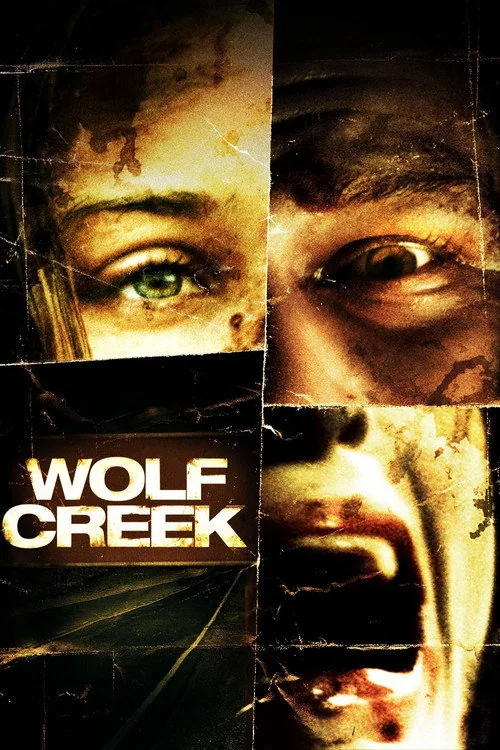
What changes Chernobyl Diaries: gradual build and pursuit-driven escalation. Wolf Creek: slow unease into violence, cat-and-mouse pursuit and harsh escalation.
Three young travelers—two British women and their Australian companion—are stranded after their car fails near a remote crater in the Australian outback. A local man, Mick Taylor, offers to help and takes them to an isolated mining site, where his friendliness gives way to captivity and a brutal hunt. The survivors try to escape across an immense, unforgiving landscape while the film shifts between their ordeal and the search for help. Inspired by several real crimes but fictionalized, this Australian horror film is known for severe violence and sustained menace.
Based on recorded story, mood and style. Your preferences can change the order.
Survival · Escape and pursuit
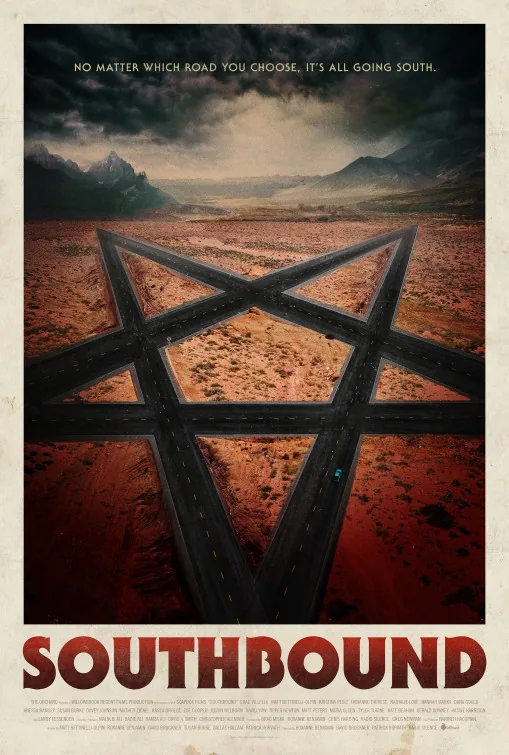
What changes Chernobyl Diaries: gradual build and pursuit-driven escalation. Southbound: episodic, uneven and cumulatively tense.
On a lonely stretch of desert highway, travelers encounter a series of unsettling roadside events that connect across five stories. Two men flee a persistent presence, a group of musicians face a stranger in need, a driver tries to save an injured woman, and others become caught in increasingly strange situations. The anthology uses repeated locations and recurring figures to suggest that the highway has its own rules, and that escape may not mean leaving the road behind.
Based on recorded story, mood and style. Your preferences can change the order.
Survival
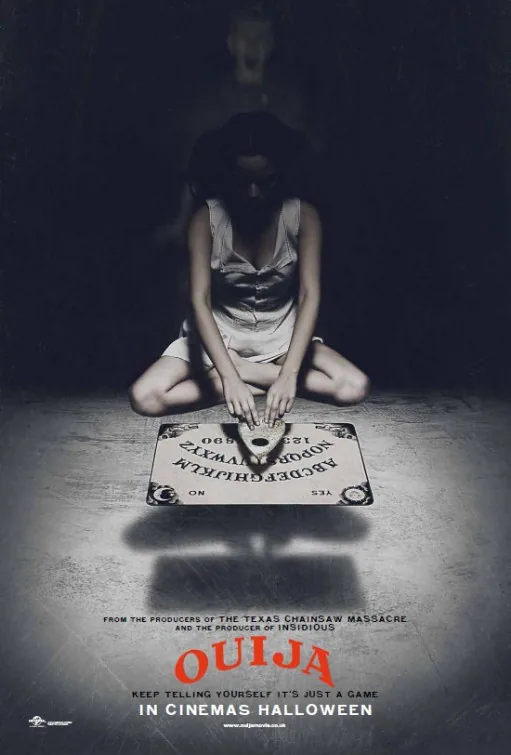
What changes Chernobyl Diaries: gradual build and pursuit-driven escalation. Ouija: slow reveal followed by escalating scares.
After a young woman’s unexplained death, her friends use a spirit board to contact her and instead awaken a presence that grows more dangerous with each attempt. Their investigation leads them through a house and its history, turning grief into a horror story about curiosity and unseen consequences. The film builds tension through familiar supernatural rules and a group of young characters facing a threat they do not understand.
Based on recorded story, mood and style. Your preferences can change the order.
Survival
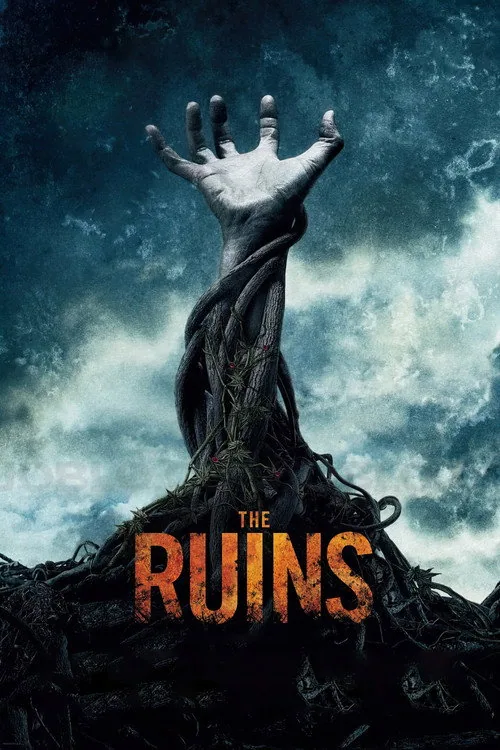
What changes Chernobyl Diaries: gradual build and pursuit-driven escalation. The Ruins: steadily tightening, ensemble-driven and escalating.
Two American couples vacationing in Mexico join a German tourist searching for his brother at a remote Mayan archaeological site. Local villagers prevent them from leaving after one traveler touches a strange vine covering the ruins. The group discovers that the growth is carnivorous and can imitate familiar sounds, turning the temple into a trap. Carter Smith’s survival horror film places ordinary vacationers in an isolated landscape where mistrust, injury, and an unfamiliar organism steadily reduce their options.
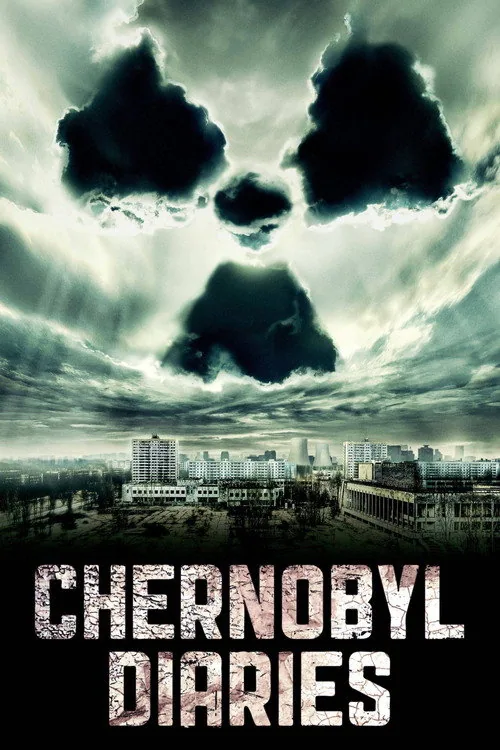
A group of young travelers seeking an unusual excursion hire a guide to take them into Pripyat, the abandoned city once built for workers at the Chernobyl nuclear plant. After exploring its empty buildings, they discover their transport is gone and that something else is moving through the deserted place. Bradley Parker’s supernatural horror film uses restricted spaces, darkness, and the group’s dwindling options to build a survival story in a real-world location, while its characters try to determine what is hunting them.
What drives the story
Once the tourists are stranded, each attempt to find help reveals more about the hostile environment and its occupants.
The people at its centre
The group’s trust in its guide and in one another weakens as fear makes every choice feel urgent.
What it feels like
Expect a straightforward ensemble horror film built around location, darkness, pursuit, and an escalating sense of isolation.
Worth knowing
The threatening events are fictional horror; the film is not a documentary account of the 1986 nuclear disaster or its aftermath.
recklessness and consequencegroup fearsurvival in an abandoned place
Mood
ominous · claustrophobic · high-tension
Pacing
gradual build · pursuit-driven escalation
Visual style
decaying urban locations · dark corridors and night exteriors · found-location horror atmosphere
Storytelling
tourists stranded in a forbidden zone · unknown threat in abandoned city · ensemble survival horror