Based on recorded story, mood and style. Your preferences can change the order.
Expect unsettling and tense, with escalating pacing.
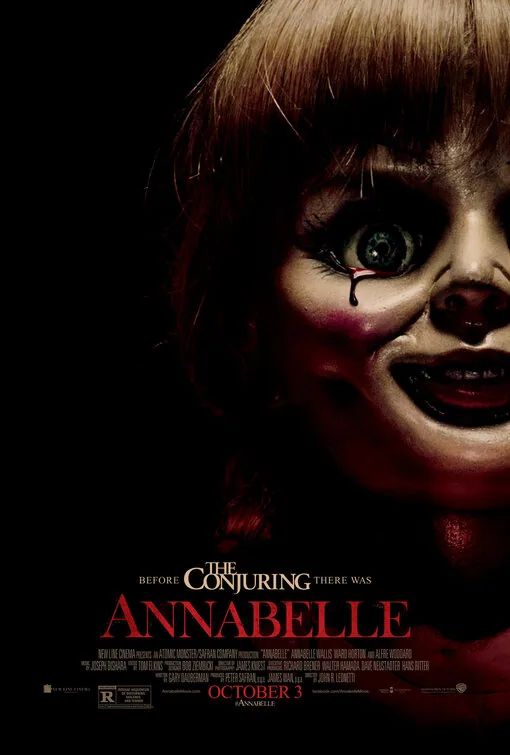
A young couple preparing for a baby experiences violence that appears to introduce a supernatural threat into their home. A doll associated with the disturbance becomes a focus of dread as attempts to establish domestic safety repeatedly fail. Seeking an explanation draws them toward spiritual assistance and a demand involving sacrifice, turning the protection of a newborn into a struggle over whether apparent remedies merely transfer the danger.
Based on recorded story, mood and style. Your preferences can change the order.
What changes Child's Play: escalating. Talk to Me: intense.
A teenager grieving her mother's death joins friends experimenting with an embalmed hand said to permit brief contact with spirits. Being watched and recorded makes possession an exciting social performance until a session exceeds agreed limits and leaves a younger boy gravely harmed. Claims from the dead then offer the bereaved girl a possible explanation for her loss, while making it harder to distinguish care from manipulation.
Both share themes of trust, plus an unsettling and tense atmosphere.
Why this matches +
Genres: Horror / Mystery
Shared film traits
Based on recorded story, mood and style. Your preferences can change the order.
What changes Child's Play: escalating. Annabelle: Creation: slow burn.
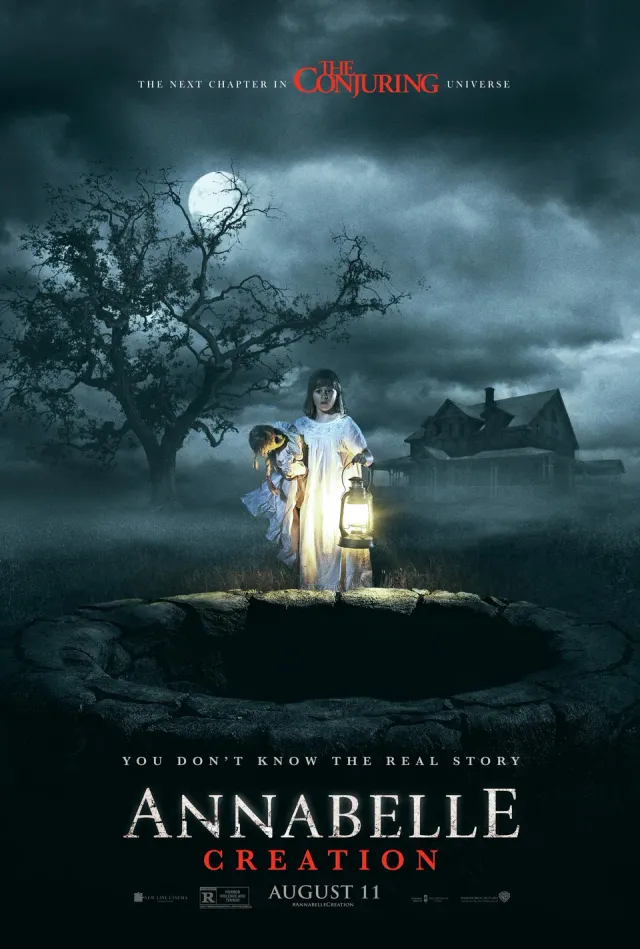
A dollmaker and his wife welcome displaced girls and a nun into their home years after losing their daughter. A locked room and unsettling discoveries expose a history in which mourning made the parents susceptible to a presence claiming intimacy with the dead. The apparent refuge becomes dangerous as a vulnerable girl is drawn toward that concealed bargain, linking present care to the consequences of an earlier refusal to accept loss.
Based on recorded story, mood and style. Your preferences can change the order.
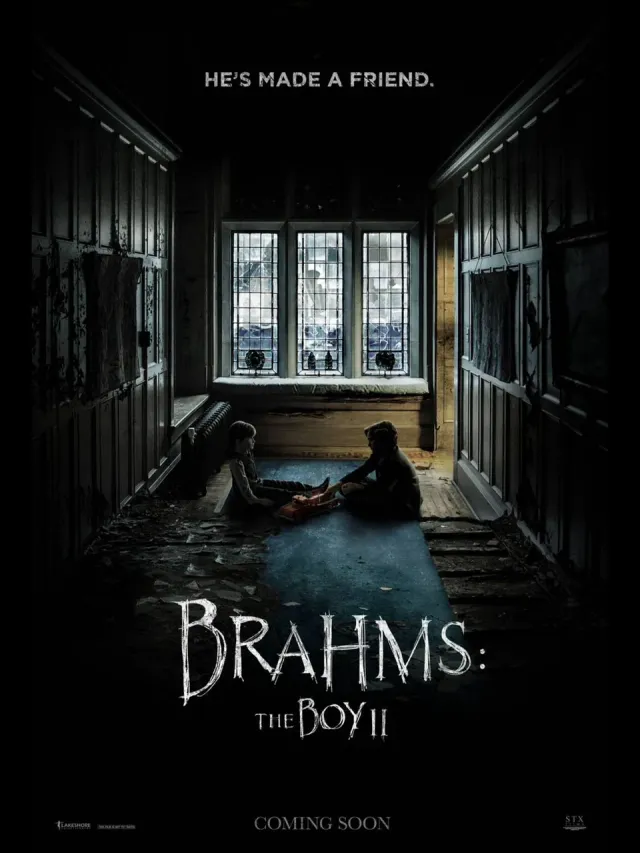
What changes Child's Play: escalating. Brahms: The Boy II: a family adjustment story becomes a slow supernatural threat.
After moving to an isolated English estate, a family begins to settle into a new life when their young son finds a lifelike doll buried nearby. The boy names it Brahms and forms an intense attachment, while his mother becomes concerned by the doll’s influence and the child’s changing behavior. The horror sequel returns to a haunted-object premise, linking parental protection with the uncertainty of what the doll represents.
Both share themes of fear and trust, plus a macabre and unsettling atmosphere.
Why this matches +
Genres: Horror / Thriller
Shared film traits
Based on recorded story, mood and style. Your preferences can change the order.
Expect tense and macabre, with escalating pacing.
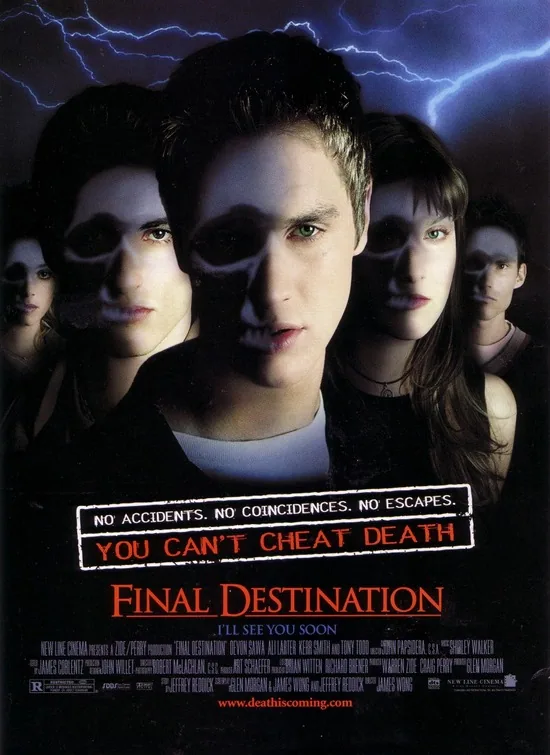
A student panics after a vision of his departing aircraft exploding and is removed with several classmates and a teacher. Watching the disaster happen confirms the warning without giving the survivors an explanation for the accidents that follow. As suspicion shifts between the young man and an apparently larger pattern, ordinary spaces become clues to deaths that seem scheduled, making the attempt to save someone inseparable from uncertainty about who will be exposed next.
Both share themes of fear, plus an unsettling and tense atmosphere.
Why this matches +
Genres: Horror / Thriller
Shared film traits
Based on recorded story, mood and style. Your preferences can change the order.
What changes Child's Play: escalating. Halloween: slow burn.
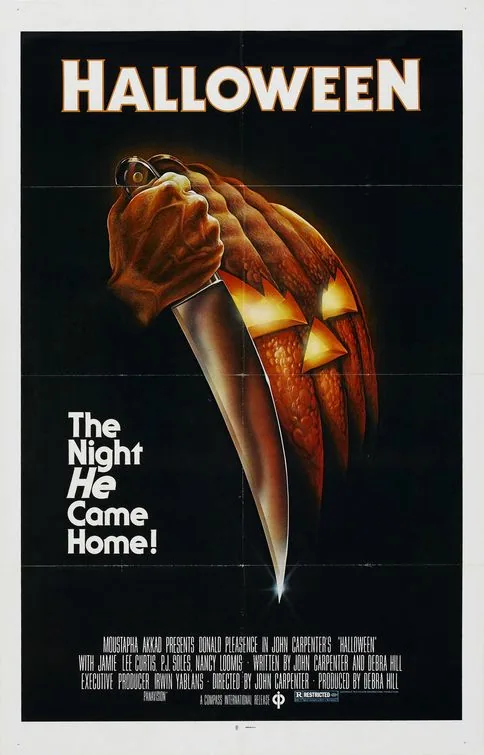
A masked killer escapes confinement and returns to the suburban streets where he committed a childhood murder. As a psychiatrist follows his trail, a teenage babysitter notices a presence that her friends dismiss. Ordinary houses and evening routines become increasingly exposed, with the young woman's practical vigilance offering limited protection against a threat whose motives remain frighteningly opaque.
Based on recorded story, mood and style. Your preferences can change the order.
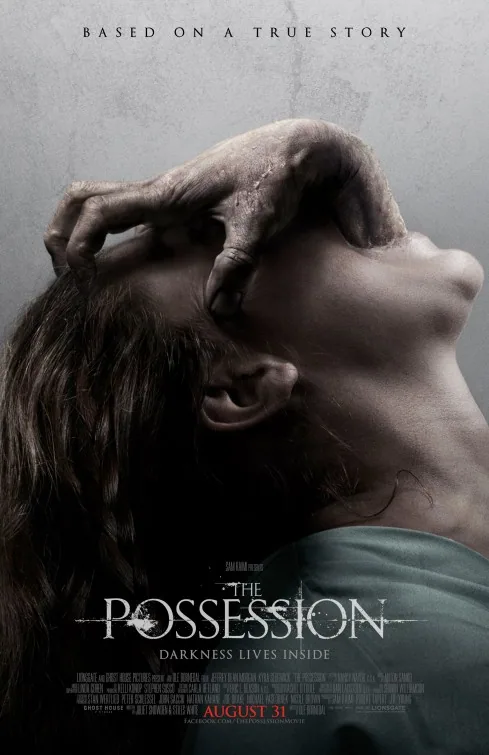
What changes Child's Play: escalating. The Possession: slow domestic build to ritual crisis.
After a family buys an antique wooden box at a yard sale, their youngest daughter becomes increasingly attached to it and begins behaving strangely. Her father searches for an explanation as the box’s history points toward a dangerous spiritual force. The supernatural horror uses family concern and an apparently ordinary object to develop a possession narrative, turning domestic care into a struggle against something the adults cannot readily see.
Based on recorded story, mood and style. Your preferences can change the order.
Expect tense and claustrophobic, with escalating pacing.
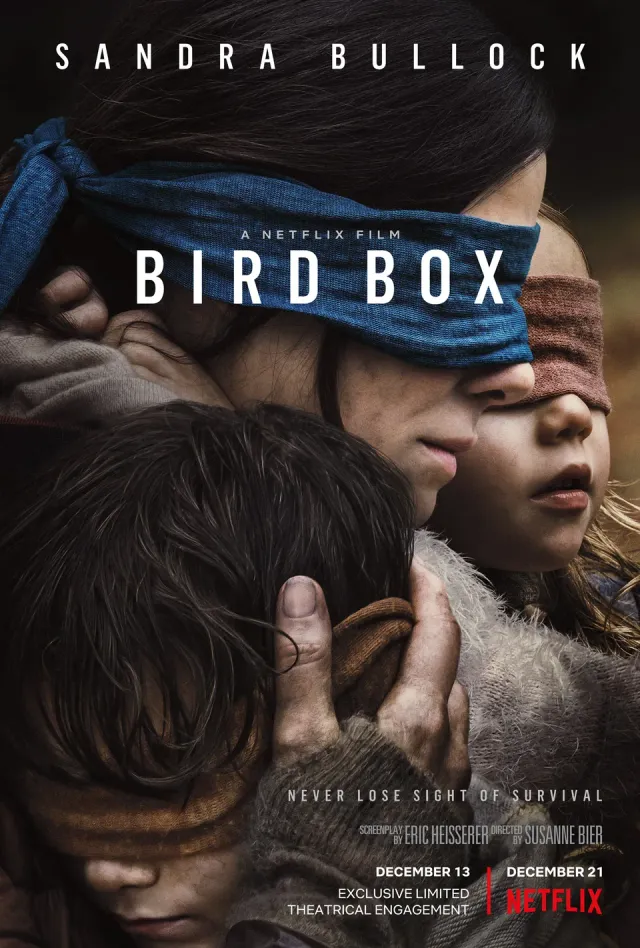
After an unexplained phenomenon makes looking outside lethally dangerous, survivors struggle to organize trust and ordinary care around a sensory rule they cannot safely test. Years later, a woman leads two children along a river while keeping them blindfolded. The present journey and earlier group crisis expose how protection can become emotionally restrictive when accepting attachment seems to create another vulnerability in a world built around unseen risk.
Based on recorded story, mood and style. Your preferences can change the order.
What changes Child's Play: escalating. The Babadook: slow burn.
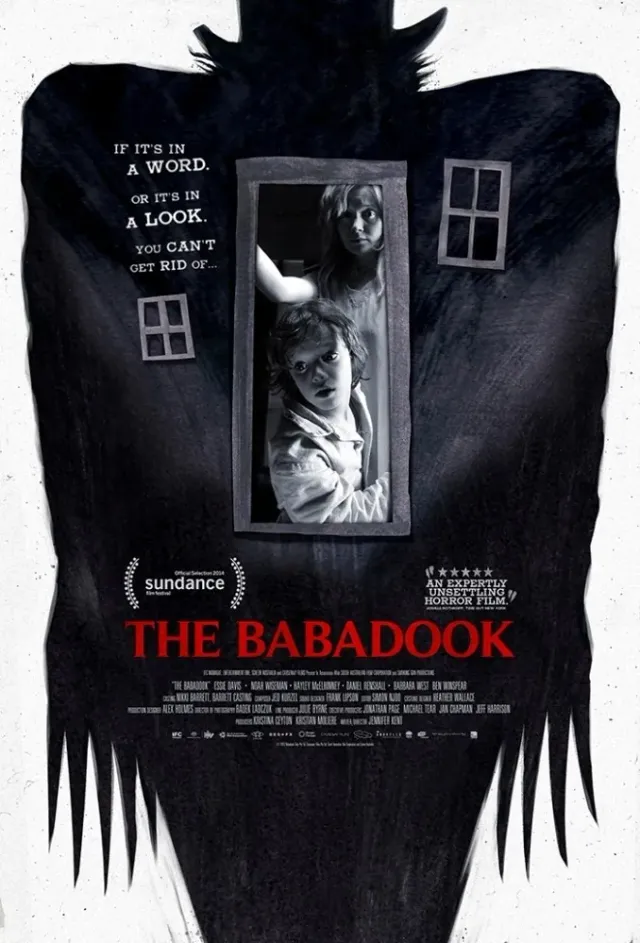
A widowed mother raising a troubled young son encounters a disturbing picture book that seems to bring an unwelcome presence into their home. Exhaustion, isolation and the child's fear make ordinary caregiving increasingly difficult as neither can persuade others to understand the danger. The apparent haunting becomes inseparable from grief that has found no sustainable place in their shared life.
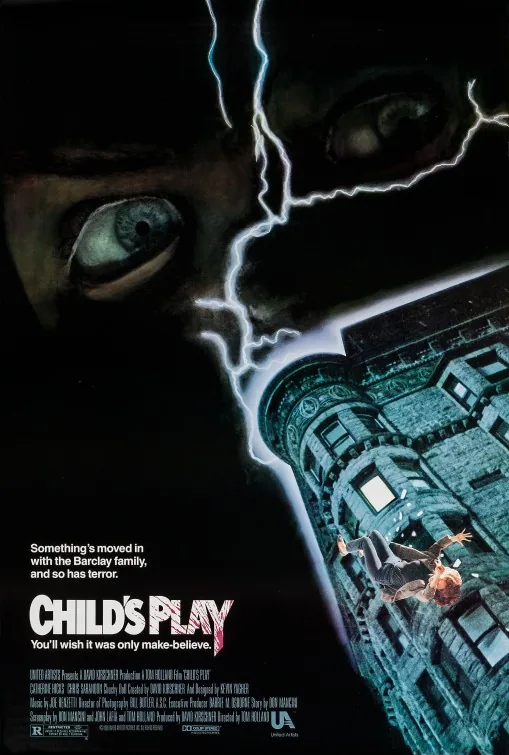
A mother struggling to afford her son's desired birthday toy buys a secondhand doll that carries the spirit of a murdered criminal. After people around the child begin dying, his account of the doll's behavior makes him an object of suspicion rather than protection. Discovering the danger requires adults to abandon an explanation that seems reasonable, while the killer's need for a human body makes the boy's apparent companion increasingly predatory.
What drives the story
A killer inhabiting a trusted consumer toy exploits adult disbelief, turning evidence of violence against the child who is trying to report it.
The people at its centre
A mother's desire to provide happiness becomes a struggle to establish her son's credibility, while the doll manipulates his need for companionship and adult authority.
What it feels like
Domestic toy familiarity becomes grotesque through abrupt movement and brutal attacks, combining a child's isolation with increasingly explicit supernatural pursuit.
Worth knowing
Distinguish the 1988 occult possession story from later technological reinterpretations; a talking manufactured body does not make this an artificial-intelligence creation narrative.
TrustFamilyFear
Mood
Unsettling · Tense · Macabre
Pacing
Escalating
Visual style
Domestic horror · Creature effects
Storytelling
Killer in a doll · Child disbelieved · Threatened possession