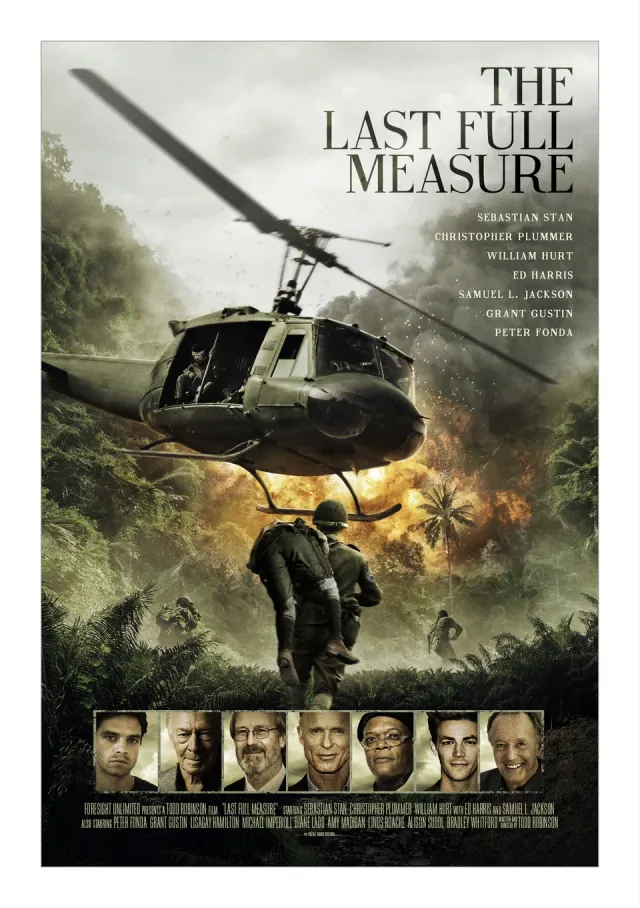
A Pentagon investigator reviews a posthumous Medal of Honor request and hears veterans explain the rescue that cost Pitsenbarger his life.
Why this matches +
Selected for the central appeal: An officer investigates conflicting accounts of a soldier's wartime courage while facing his own guilt.
Genres: Drama / War
Shared film traits
Based on recorded story, mood and style. Your preferences can change the order.
War and civilian life
What changes An investigator interviews veterans to determine whether a fallen serviceman's wartime actions deserve official recognition.
Decades after Air Force pararescueman William H. Pitsenbarger gives his life rescuing soldiers in Vietnam, Pentagon staffer Scott Huffman is assigned to review a request for the Medal of Honor. Huffman interviews veterans and witnesses whose accounts reveal the scale of Pitsenbarger’s actions and the bureaucratic resistance surrounding recognition. Todd Robinson’s war drama moves between the 1966 battle and the later campaign to honor a fallen serviceman, focusing on memory, testimony, sacrifice, and the obligations owed to those who served.
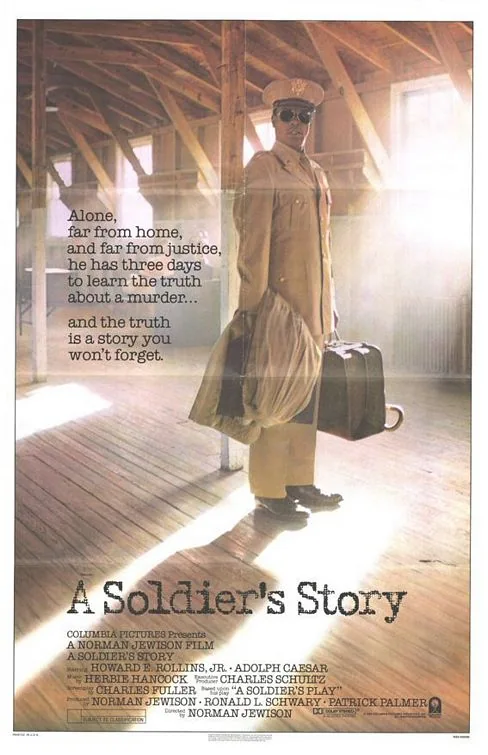
A Black JAG captain investigates the murder of a sergeant inside a segregated unit.
Why this matches +
These offer a related experience with a meaningful difference in story, tone, or presentation.
An adjacent discovery: a related idea with a different viewing experience.
Genres: War / Drama
Shared film traits
Based on recorded story, mood and style. Your preferences can change the order.
Investigation · War and civilian life
What changes A military investigator interviews witnesses whose conflicting accounts expose prejudice and hidden truths behind a soldier's death.
At a segregated Army base in Louisiana during World War II, Captain Davenport investigates the killing of a Black drill sergeant whose blunt authority made him unpopular with white officers and Black enlisted men alike. Flashbacks complicate the case, showing how racism and military rank shaped the regiment's memories. The mystery becomes a study of testimony under unequal power.
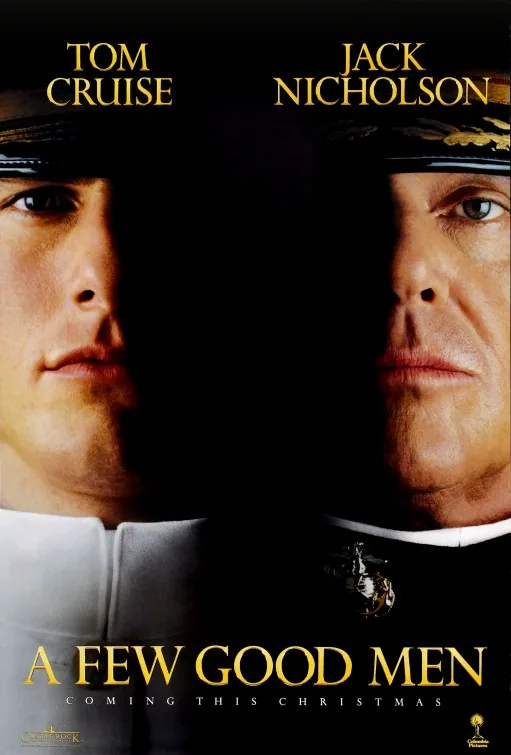
A military defense case turns on proving whether an unofficial punishment originated within the chain of command.
Why this matches +
These offer a related experience with a meaningful difference in story, tone, or presentation.
An adjacent discovery: a related idea with a different viewing experience.
Genres: Drama / Thriller
Shared film traits
Based on recorded story, mood and style. Your preferences can change the order.
Investigation
What changes Military lawyers investigate a service member's death, confronting official narratives and the pressure to protect institutional honor.
A young Navy lawyer known for negotiating deals is assigned to defend two Marines accused of killing a fellow serviceman during an unofficial disciplinary action. Working with a demanding colleague and another defense lawyer, he investigates the command culture surrounding the death. Building a case requires confronting the gap between obedience to authority and responsibility for what an order actually does.
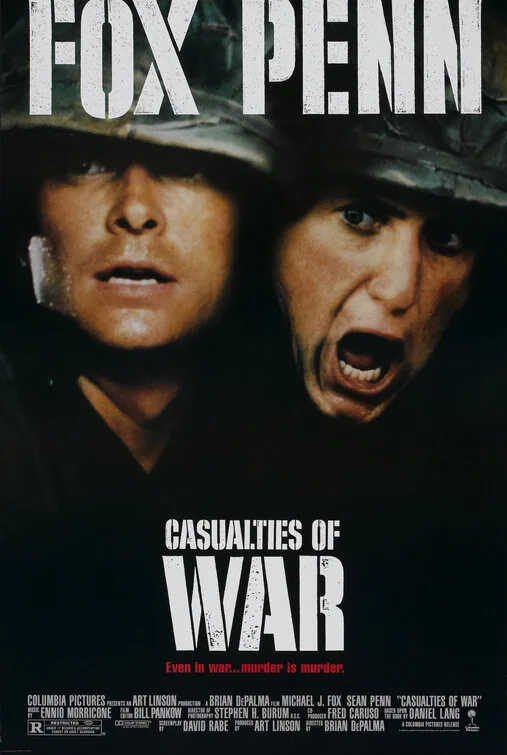
Eriksson challenges his squad after witnessing their assault on a Vietnamese civilian.
Why this matches +
These offer a related experience with a meaningful difference in story, tone, or presentation.
An adjacent discovery: a related idea with a different viewing experience.
Genres: War / Drama
Shared film traits
Based on recorded story, mood and style. Your preferences can change the order.
War and civilian life
What changes A soldier questions comrades' accounts of wartime conduct and struggles with the duty to expose wrongdoing.
During the Vietnam War, American soldier Eriksson witnesses his squad's abduction and abuse of a Vietnamese girl. When he refuses to accept the crime as an unavoidable part of war, he challenges the men around him and tries to report what happened through a chain of military authority. His resistance brings him into conflict with his sergeant and peers, making the choice to testify a test of conscience under battlefield pressure.
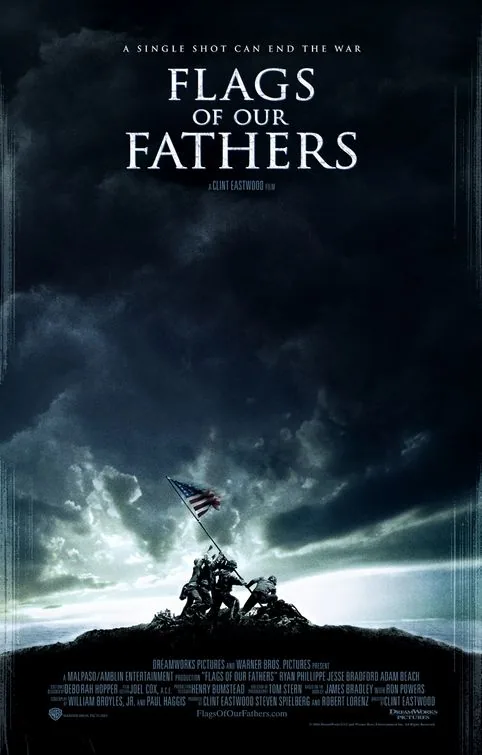
A wartime photograph becomes a fundraising instrument, pulling surviving servicemen between battlefield memory and a public role they did not choose. The bond tour asks survivors to repeat a polished symbol while privately carrying fragmented memories.
Why this matches +
These offer a related experience with a meaningful difference in story, tone, or presentation.
An adjacent discovery: a related idea with a different viewing experience.
Genres: War / Drama
Shared film traits
Based on recorded story, mood and style. Your preferences can change the order.
War and civilian life
What changes A war story examines how public images of heroism can obscure conflicting memories and the personal costs of combat.
After the flag raising at Iwo Jima is photographed, surviving men are brought home to help sell war bonds, and public celebration turns them into symbols before they can agree on what the image means. Flashbacks revisit the battle and the men around the flag, while the campaign asks survivors to perform a heroic story that cannot contain their losses or the experience of those left behind. The 2006 film predates the Marine Corps’ later identity correction: corpsman John Bradley was not in Rosenthal’s famous second-flag photograph; Harold Schultz was. Its reenacted memories and public symbolism should be read separately from that archival record.
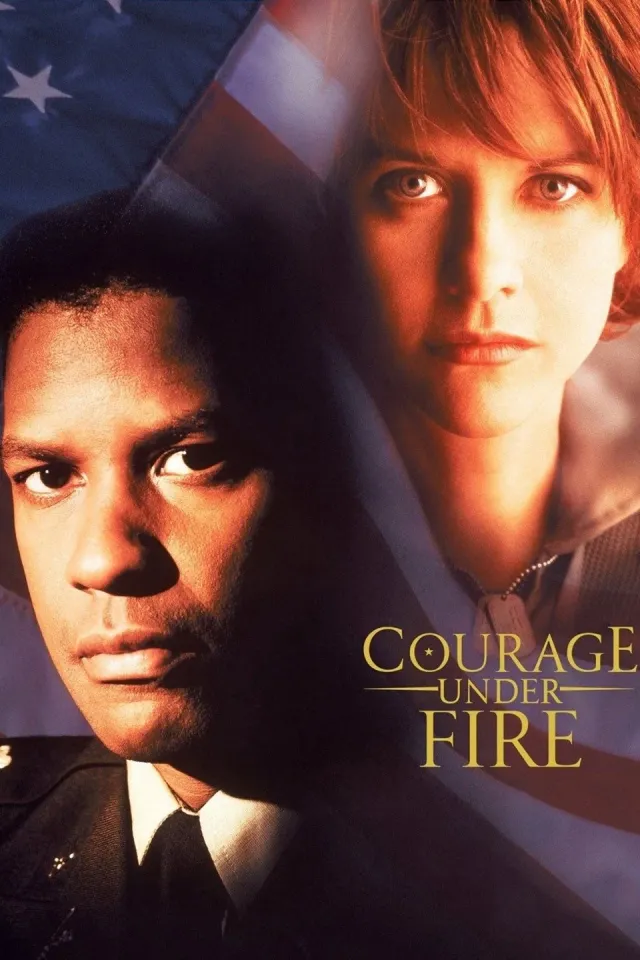
During the Gulf War, Lieutenant Colonel Nathaniel Serling is assigned to review whether Captain Karen Walden should receive a posthumous medal for courage. Interviews with surviving members of her crew yield conflicting accounts, and Serling's own wartime mistake makes the inquiry harder to approach impartially. The investigation becomes both a search for a reliable account and a reckoning with the difference between public honor and private guilt.
What drives the story
A medal review forces Serling to test incompatible testimonies against his own compromised memory.
The people at its centre
Walden's crew remembers her differently, while Serling's guilt makes neutrality increasingly difficult.
What it feels like
Interviews and flashbacks gradually reshape the viewer's understanding of a single combat event.
Worth knowing
Its core is a moral investigation into testimony and recognition, not a continuous battlefield action film.
CourageTruthGuilt
Mood
Solemn · Tense · Reflective
Pacing
Investigation-led · Revelation-driven
Visual style
Desaturated combat imagery · Interview structure
Storytelling
Military inquiry · Conflicting testimony · Combat memory