Explore films connected to Cry-Baby through class and teenage identity, rebellion and conformity, first love. Choose the qualities you want to carry into your next watch.
What should feel similar?
Find your next favourite
9 films · Closest overall matches
Hide films you’ve seen or don’t want. Saved on this device.
No matches for this combination yet.
Try another option or reset your choices to see more films.
Based on recorded story, mood and style. Your preferences can change the order.
Music and performance · Coming of age
What changes Cry-Baby: song-and-scene rhythm and brisk comic escalation. Grease: episodic and brisk.
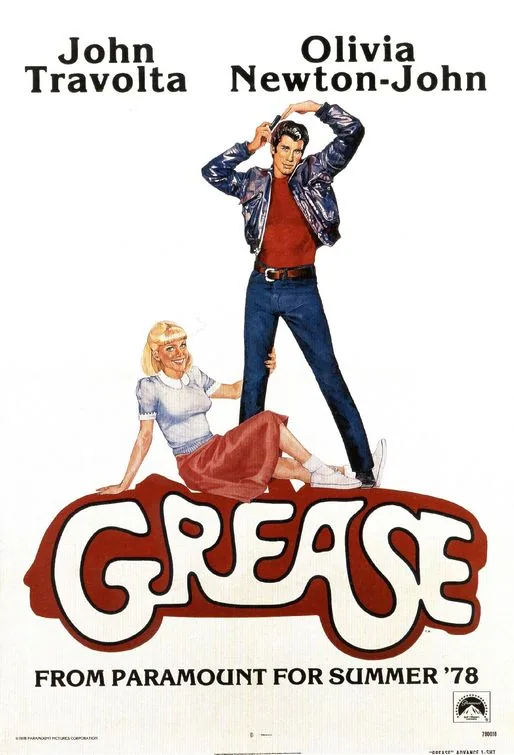
Two teenagers who shared a tender summer meet again at school, where public identity makes their private connection difficult to acknowledge. He performs toughness for his friends, while she faces pressure to change how she dresses, behaves and understands belonging. Parallel romances and a pregnancy scare complicate the group's apparently carefree rituals. Songs, a televised dance and a car race turn social recognition into spectacle, making courtship inseparable from the roles the teenagers perform for one another.
Based on recorded story, mood and style. Your preferences can change the order.
Coming of age
What changes Cry-Baby: song-and-scene rhythm and brisk comic escalation. Drillbit Taylor: school-comedy episodes, comic training scenes and youthful action climax.
On their first day of high school, Wade, Ryan, and Emmit become targets of bullies and realize the adults around them are unlikely to intervene. They pool their money to hire a bodyguard and end up with Drillbit Taylor, an apparently capable protector who is actually a drifter with his own motives. As the boys gain confidence and form a friendship, Drillbit's reluctant role changes too. The teen comedy combines school bullying, disguises, and a mismatched mentor relationship, giving its young characters a chance to stand up for themselves.
Based on recorded story, mood and style. Your preferences can change the order.
Coming of age
What changes Cry-Baby: song-and-scene rhythm and brisk comic escalation. Do Revenge: revenge pact setup, schemes and reversals and genre-aware twist.
At an elite Miami high school, Drea's reputation collapses when an intimate video is leaked, while new student Eleanor faces renewed humiliation over a past accusation. The two teenagers agree to carry out revenge on each other's behalf, targeting the people who harmed them while maintaining their own social cover. Their plans draw them into shifting alliances and reveal that both have misread parts of the story. The glossy black comedy remixes teen revenge films through status games, betrayal, and friendship.
Based on recorded story, mood and style. Your preferences can change the order.
Coming of age
What changes Cry-Baby: song-and-scene rhythm and brisk comic escalation. Porky's: episodic and escalating.
In 1950s Florida, a group of high-school friends seek revenge after a humiliating encounter with Porky's, a local roadhouse owner whose brother is the town sheriff. Their immature schemes and shifting loyalties turn the story into a crude ensemble comedy about teenage bravado. The film's sexual humor is deliberately broad and often dated, so its period setting and group dynamics matter more to its identity than any claim to subtle coming-of-age insight.
Based on recorded story, mood and style. Your preferences can change the order.
Music and performance · Coming of age
What changes Cry-Baby: song-and-scene rhythm and brisk comic escalation. House Party: one-night journey builds through comic encounters and party performances.
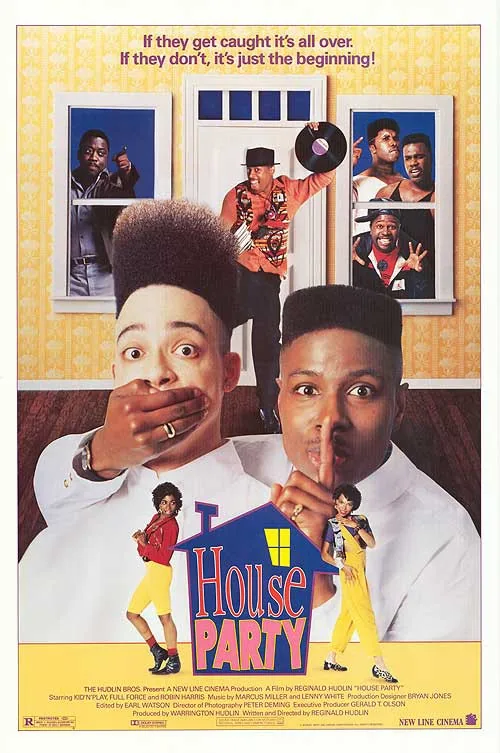
Teenager Kid wants to attend his friend Play’s house party, but a school fight leads his father Pop to ground him. Kid slips out after his father falls asleep and heads across the neighborhood, where police, bullies and the hazards of the night repeatedly threaten to send him home. The gathering becomes a showcase for friendships, courtship, dancing and hip-hop performance, with DJ Bilal keeping the music moving. The comedy’s home-to-party journey follows Kid as he tries to enjoy one night of freedom while managing the expectations of family and the rivalries of his community.
Based on recorded story, mood and style. Your preferences can change the order.
Music and performance
What changes Cry-Baby: song-and-scene rhythm and brisk comic escalation. Purple Rain: performance-led and episodic.
Known as the Kid, a gifted Minneapolis club musician pours his ambition and anger into performances while struggling with a volatile home life and a strained relationship with Apollonia. Rival performer Morris Day and the Revolution's internal tensions add pressure to an already precarious creative life. The story is partly organized around live music: songs reveal emotional states and relationships that dialogue alone cannot settle, making the performances inseparable from the drama.
Based on recorded story, mood and style. Your preferences can change the order.
Coming of age
What changes Cry-Baby: song-and-scene rhythm and brisk comic escalation. Annie: song-driven and steady.
A spirited foster child in contemporary New York crosses paths with a wealthy political candidate whose public image needs warmth and votes. Their arrangement begins as a campaign opportunity but grows into a relationship that unsettles both of their expectations. Songs and city movement carry Annie’s hope for a permanent home, while the comedy asks whether a family can form beyond the terms of a publicity plan.
Based on recorded story, mood and style. Your preferences can change the order.
Music and performance
What changes Cry-Baby: song-and-scene rhythm and brisk comic escalation. Something's Gotta Give: measured and conversational.
A successful older music executive arrives at a beach house with his much younger girlfriend and finds himself dependent on her mother, a playwright recovering from a breakup. Their forced proximity develops into a romance that unsettles his assumptions about age, commitment and control. The adult comedy explores attraction and autonomy after established habits stop working.
Based on recorded story, mood and style. Your preferences can change the order.
What changes Cry-Baby: song-and-scene rhythm and brisk comic escalation. The Seven Year Itch: measured and comic.
When his wife and son leave Manhattan for a summer in Maine, publisher Richard Sherman stays behind in the heat and promises himself he will behave. A beautiful new tenant upstairs begins spending time with him, and Richard's attraction feeds a torrent of imagined scenes in which he becomes a seducer, a public disgrace or the object of his neighbor's attention. Their real conversations are comparatively innocent, but his fantasies reveal how he understands fidelity, masculinity and the absent family he claims to miss. A manuscript about the supposed seven-year itch gives him a ready-made explanation for desire, allowing him to treat a common anxiety as an almost scientific force. The comedy rests on the gap between what happens and what Richard narrates to himself.
In 1954 Baltimore, rebellious teen Wade “Cry-Baby” Walker belongs to the Drapes, a working-class group whose style and behavior alarm the respectable Squares. His attraction to Allison, a well-bred girl from the opposite side of town, sets off a comic conflict involving jealous rivals, family rules, and teenage rebellion. John Waters turns the divide into a retro musical comedy, with rockabilly songs, exaggerated subcultures, and playful parody of 1950s youth films shaping a romance that refuses to take its social boundaries too seriously.
What drives the story
Cry-Baby and Allison’s romance provokes a comic contest between two youth cultures and their disapproving elders.
The people at its centre
The couple’s attraction crosses social lines, while their friends and families exaggerate the loyalties of each group.
What it feels like
Expect a campy musical comedy full of rockabilly numbers, stylized rebellion, and John Waters’s affectionate satire.
Worth knowing
It parodies teen rebellion and musical melodrama rather than depicting 1950s youth culture in a realistic way.
class and teenage identityrebellion and conformityfirst love