A catastrophic deadline forces an institution to depend on unconventional specialists whose practical abilities do not remove the hazards of an extreme mission.
Why this matches +
Selected for the central appeal: Disaster dramas about a celestial threat, unequal survival and family choices.
Genres: Science fiction / Drama
Shared film traits
Based on recorded story, mood and style. Your preferences can change the order.
Survival · Space exploration
What changes Armageddon sends a crew into space to prevent an approaching object from destroying Earth.
A space agency discovers that an asteroid is approaching Earth and recruits oil drillers to attempt a plan requiring technical work no astronaut team has trained to perform. Accelerated preparation brings working-class specialists into conflict with military discipline and turns a crew's private relationships into part of a worldwide emergency. The mission must reconcile uncertain machinery, personal pride and the possibility that completing the job will require losses no one can distribute fairly.
A race to reach protected transport links a family's improvised escape to a system designed to ration survival unequally.
Why this matches +
These offer a related experience with a meaningful difference in story, tone, or presentation.
An adjacent discovery: a related idea with a different viewing experience.
Genres: Science fiction / Disaster
Shared film traits
Based on recorded story, mood and style. Your preferences can change the order.
Survival
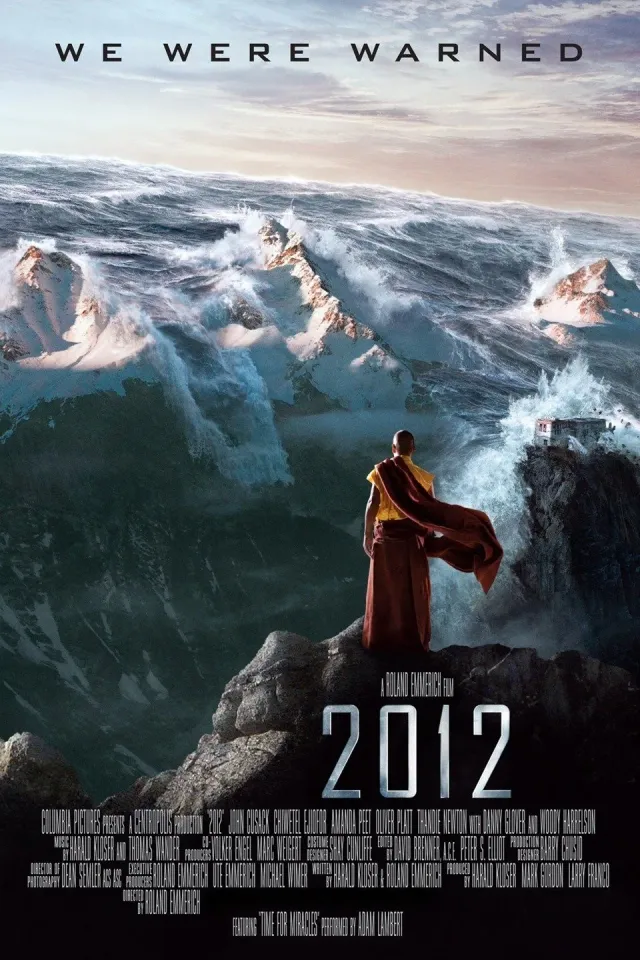
What changes 2012 interweaves families and officials facing a global catastrophe and limited places of safety.
A struggling writer encounters signs that governments have concealed an approaching global geological catastrophe. Trying to reunite and protect his divided family draws him towards a hidden evacuation system whose limited places reflect wealth and political access. Personal escape unfolds alongside scientific and administrative decisions about who receives warning, who is left behind and whether survival can preserve any shared responsibility beyond the privileged few.
A mission with no easy margin for error is destabilised by a diversion and accumulating damage.
Why this matches +
These offer a related experience with a meaningful difference in story, tone, or presentation.
An adjacent discovery: a related idea with a different viewing experience.
Genres: Science fiction / Thriller
Shared film traits
Based on recorded story, mood and style. Your preferences can change the order.
Survival · Space exploration
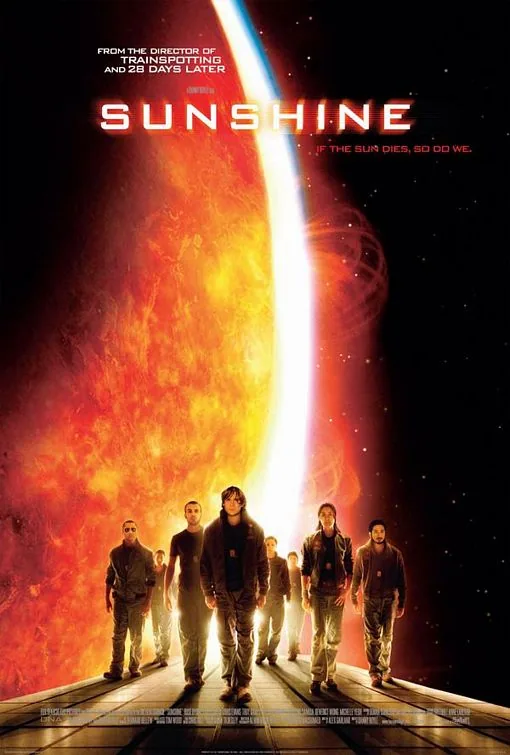
What changes Sunshine follows a space crew attempting a technical solution to a threat to humanity's future.
A small crew travels towards the dying Sun carrying a device intended to restore its power and save Earth. A signal from an earlier failed expedition presents a possible advantage and a dangerous diversion. As equipment, judgement and personal stability deteriorate, the mission's collective purpose is tested by the costs of sacrificing individuals and by an increasingly overwhelming encounter with the force they have come to alter.
A verified threat is repeatedly converted into material for electoral calculation and profit, letting control of public interpretation displace the work of preventing catastrophe.
Why this matches +
These offer a related experience with a meaningful difference in story, tone, or presentation.
An adjacent discovery: a related idea with a different viewing experience.
Genres: Comedy / Science fiction
Shared film traits
Based on recorded story, mood and style. Your preferences can change the order.
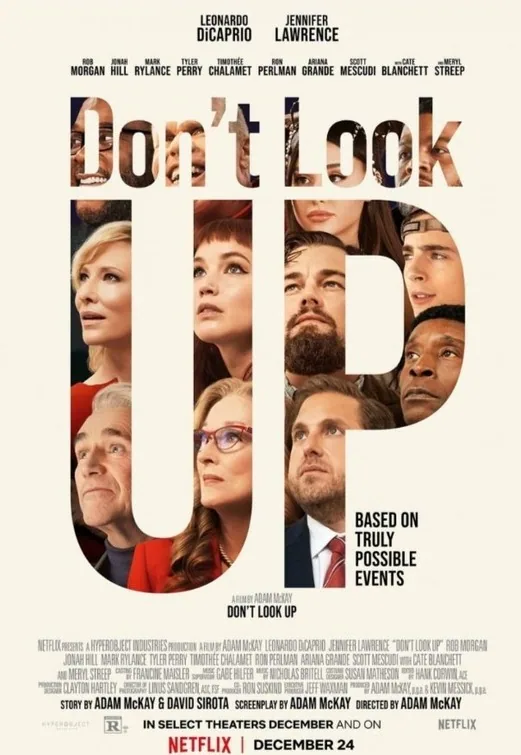
What changes Don't Look Up follows scientists, leaders and families responding to an approaching comet, with a satirical tone.
Two astronomers discover a comet headed toward Earth, but communicating the danger places them inside political and entertainment systems that reward a different story. A commercial proposal reframes destruction as opportunity, while access and publicity divide people who began with the same evidence. The approaching deadline makes distraction less an incidental failure of attention than a practical process through which institutions postpone action until the consequences can no longer be negotiated.
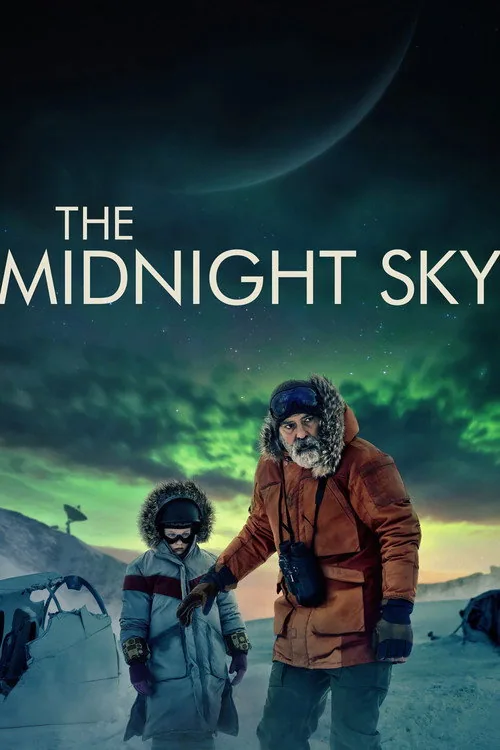
An isolated scientist races to warn a returning crew after catastrophe makes Earth unsafe. Augustine and Iris cross the Arctic as the Aether faces damage and learns the truth.
Why this matches +
These offer a related experience with a meaningful difference in story, tone, or presentation.
An adjacent discovery: a related idea with a different viewing experience.
Genres: Science fiction / Drama
Shared film traits
Based on recorded story, mood and style. Your preferences can change the order.
Survival · Space exploration
What changes The Midnight Sky connects a planetary crisis with the difficult choices of a space crew and their families.
After catastrophe leaves Earth nearly uninhabitable, aging scientist Augustine Lofthouse remains at an Arctic research station. He discovers that spacecraft Aether is returning from a mission to Jupiter’s moon K-23 and tries to warn its crew not to come home. A young girl named Iris is hiding at the base, and Augustine must take her across the frozen landscape to reach a stronger antenna. George Clooney’s drama connects an isolated survival journey with the crew’s difficult choices in space.
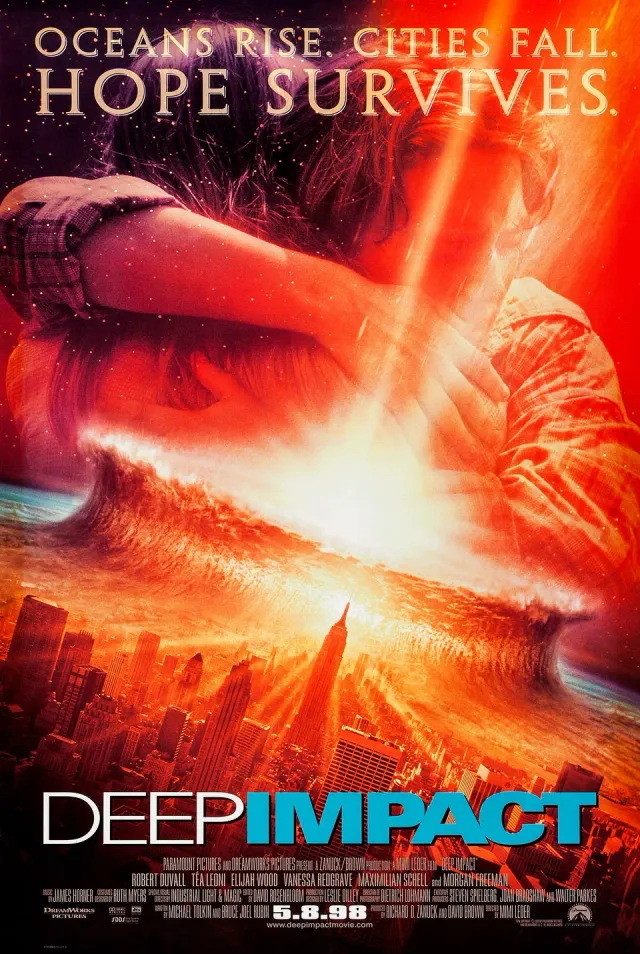
The discovery of a comet on course for Earth links a young amateur observer, a journalist, political leaders and a crew sent to alter its path. Public preparation exposes unequal access to survival while private relationships must accommodate the possibility that no technical solution will arrive in time. The effort to preserve a future becomes inseparable from deciding whom to accompany, forgive or protect when planning can no longer promise that everyone will be included.
What drives the story
A planetary deadline connects a risky deflection mission to decisions about shelter, disclosure and family obligations among people who cannot directly control the approaching object.
The people at its centre
Astronauts' collective responsibility contrasts with households negotiating limited protection, while the journalist's public role intersects with unresolved intimacy in her own family.
What it feels like
Large-scale destruction and space operations alternate with earnest personal scenes, giving impending catastrophe an ensemble perspective rather than one continuous expert-rescue narrative.
Worth knowing
Match on public triage and private reconciliation under an extinction threat, while distinguishing speculative disaster mechanics from actual forecasts or a heroic mission guaranteed to spare everyone.