Both share themes of romance, plus a whimsical atmosphere.
Why this matches +
Genres: Comedy / Romance
Shared film traits
Based on recorded story, mood and style. Your preferences can change the order.
Expect whimsical and surreal, with episodic and fairy-tale progression pacing.
Joe Banks learns that his exhaustion has a medical explanation and accepts an eccentric tycoon's offer to travel to a remote island and die in a volcano. The journey takes him through a series of encounters that challenge his resignation and introduce Patricia, one of the tycoon's daughters. Its fable-like comedy follows a timid man discovering appetite, agency and affection.
Based on recorded story, mood and style. Your preferences can change the order.
Survival
What changes Delicatessen is tagged macabre and whimsical; Land of the Lost is tagged absurd and adventurous.
A disgraced scientist, a research assistant and a survival enthusiast are pulled into a strange prehistoric world after an experimental device goes wrong. They must work together to find a way home while encountering creatures and unstable rules that challenge their confidence. The comedy adaptation turns the adventure premise into a chain of absurd set pieces, using its mismatched travelers to poke fun at both scientific ambition and survival-show bravado.
Based on recorded story, mood and style. Your preferences can change the order.
What changes Delicatessen: episodic, stylized and darkly comic. The Discreet Charm of the Bourgeoisie: recurring failed ritual and unstable episodes.
A group of wealthy friends repeatedly tries to sit down to dinner, but each plan is interrupted by a strange event: a dead restaurant manager, a military exercise, unexpected visitors or a dream that shifts the rules again. The central party includes the Sénéchals, the Thévenots and Miranda’s ambassador, Don Rafael Acosta, whose social ease coexists with criminal dealings. Meals are postponed, abandoned or revealed to be scenes within someone else’s dream. The characters move through a world where politeness hides appetite, violence and self-interest, while the ordinary business of eating becomes almost impossible. Rather than resolving into a conventional mystery, the film returns to the guests walking together along a country road.
Based on recorded story, mood and style. Your preferences can change the order.
Political resistance
What changes Delicatessen: episodic, stylized and darkly comic. District 13: rapid and relentless.
In a near-future Parisian district sealed behind a wall, an outsider and a local resident have only a short time to retrieve a weapon and prevent its use against the neighborhood. Their mission turns into a chain of rooftop chases, hand-to-hand fights and uneasy cooperation. The action film’s parkour movement makes the built environment central, while its plot frames the district as both a place under coercive control and a community targeted by state power.
Based on recorded story, mood and style. Your preferences can change the order.
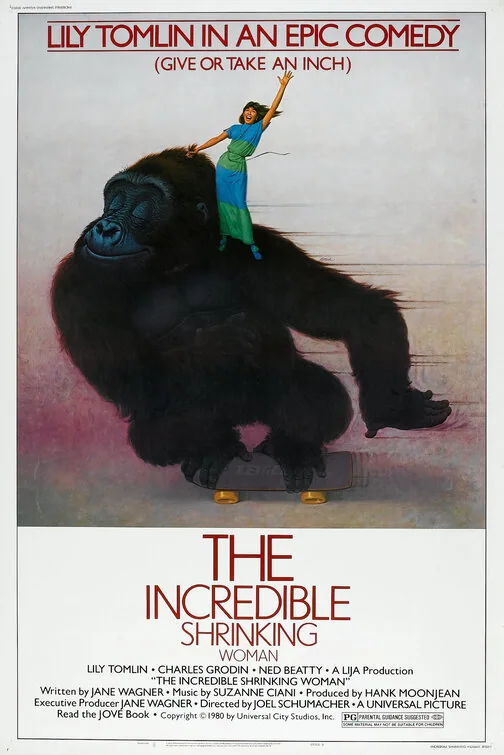
What changes Delicatessen: episodic, stylized and darkly comic. The Incredible Shrinking Woman: escalating and comic set pieces.
Pat Kramer begins shrinking after exposure to a mysterious mixture of household chemicals, turning ordinary domestic routines into increasingly risky obstacles. A corporation sees her condition as a publicity opportunity, while Pat's family tries to protect her as her world grows physically larger around her. The comedy uses an absurd science-fiction premise to question consumer products and the expectation that women quietly manage every household burden.
Based on recorded story, mood and style. Your preferences can change the order.
Survival
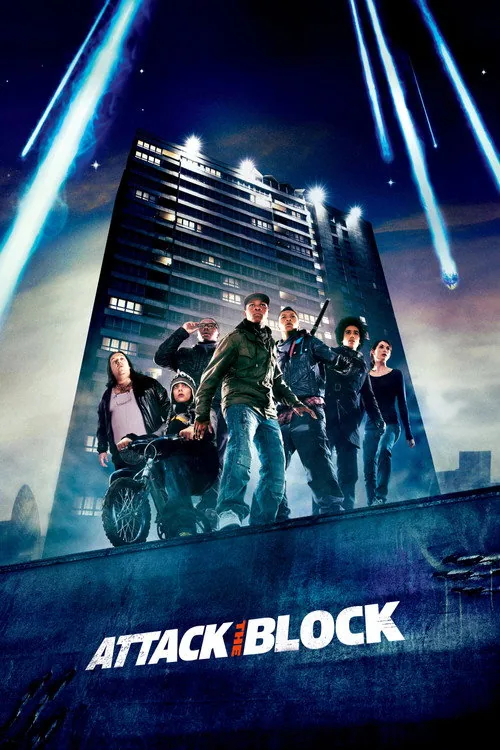
What changes Delicatessen: episodic, stylized and darkly comic. Attack the Block: a local territory dispute shifts into a shared defense against an outside predator..
On Guy Fawkes Night in South London, a teenage street gang mugs nurse Sam just as a small alien falls into a nearby car. When larger creatures begin hunting the block, the teenagers and Sam are forced into an uneasy alliance to defend their tower and neighbors. Joe Cornish’s science-fiction action comedy grounds the invasion in a specific housing estate, where local rivalries, fireworks, and the gang’s reputation affect who can move safely. Moses’s early violence becomes a question of whether he can take responsibility for the people around him.
Based on recorded story, mood and style. Your preferences can change the order.
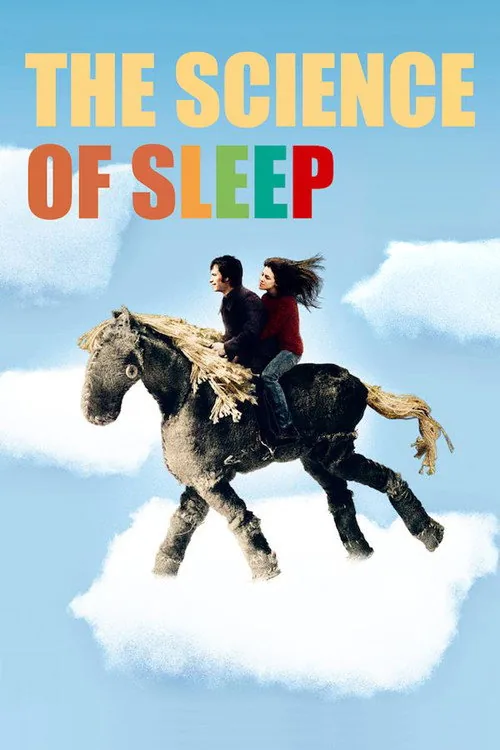
What changes Delicatessen: episodic, stylized and darkly comic. The Science of Sleep: dreamlike episodic structure, romantic hesitation and handmade fantasy interludes.
After his father’s death, Stéphane returns to Paris and takes an unsatisfying job, where he meets his neighbor Stéphanie. His dreams are vivid, handmade worlds that increasingly spill into his waking life, making it hard to know whether a conversation, invention, or romantic gesture has actually happened. Michel Gondry’s French-language comedy blends fantasy, romance, and surreal craft imagery to follow a shy man whose imagination both connects him with another person and complicates ordinary intimacy.
Based on recorded story, mood and style. Your preferences can change the order.
Political resistance
What changes Delicatessen: episodic, stylized and darkly comic. Metropolis: measured.
The privileged son of an industrial ruler discovers the exhaustion and danger sustaining life beneath his futuristic city. His attraction to a workers' advocate draws him into a conflict his father tries to control through surveillance and a manufactured double. As mechanised labour, religious imagery and mass unrest converge, attempts to manipulate collective fear threaten the very people the opposing leaders claim to represent.
Based on recorded story, mood and style. Your preferences can change the order.
Survival
What changes Delicatessen: episodic, stylized and darkly comic. The Road: measured and relentless.
After an unspecified catastrophe leaves the landscape barren, a father and his young son travel south in search of safety. They must ration supplies, avoid dangerous strangers and preserve their bond in a world where ordinary social rules have collapsed. The adaptation is a stark survival drama about parental care, moral compromise and the effort to pass on hope without certainty.
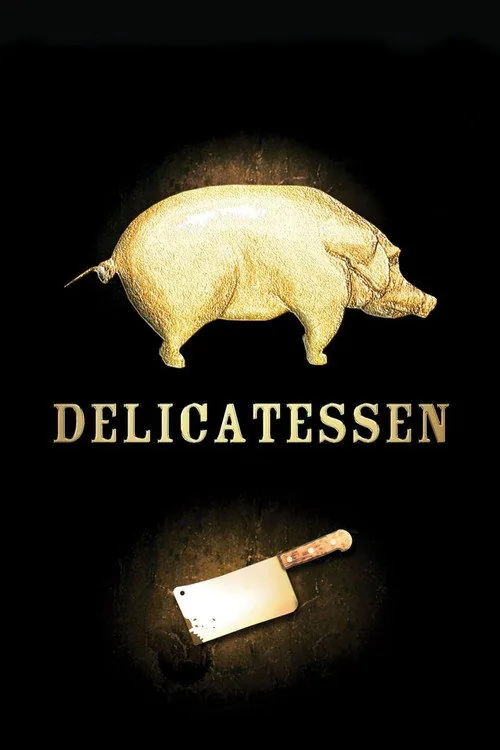
In a post-apocalyptic French apartment building where food is scarce, landlord and butcher Clapet lures workers there and kills them for meat. When former circus clown Louison takes the latest job, he wins over tenants and falls for Clapet’s daughter Julie. She knows her father’s secret and looks for allies among vegetarian rebels. Jean-Pierre Jeunet and Marc Caro’s black comedy turns hunger, romance, and household routines into a stylized fable about survival and collective resistance.
What drives the story
A clown takes a job in a building where its landlord secretly kills workers for food, then joins an unexpected community.
The people at its centre
Louison’s kindness draws tenants together, while Julie’s knowledge of her father’s crimes places her between family and love.
What it feels like
Contains cannibalism, murder, violence, and grotesque imagery, usually presented through dark comedy.
Worth knowing
This stylized scarcity fable balances romance and rebellion with deliberately absurd, macabre humor.
SurvivalScarcityCommunity
Mood
Macabre · Whimsical · Grotesque
Pacing
Episodic · Stylized · Darkly comic
Visual style
Exaggerated production design · Muted sepia tones · Visual gags