Both share themes of identity, plus a tender atmosphere.
Why this matches +
Genres: Comedy / Drama
Shared film traits
Based on recorded story, mood and style. Your preferences can change the order.
Family and care · Social hierarchy
What changes Dìdi: episodic, youthful and reflective. The Wedding Banquet: a private arrangement expands into a banquet and a series of comic attempts to keep different truths apart.
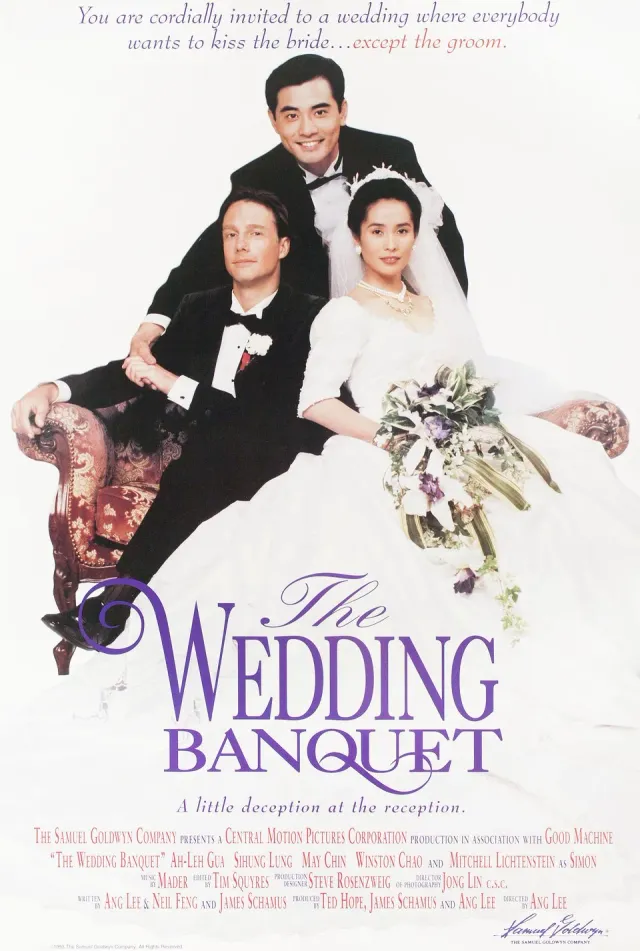
Wai-Tung Gao, a Taiwanese immigrant in New York, lives happily with his partner Simon but has not told his traditional parents that he is gay. His parents want him to marry and continue the family line, so he and Simon invent impossible requirements for a bride. When Wei-Wei, a penniless artist renting from Wai-Tung, agrees to a marriage of convenience, the plan seems manageable until his parents travel from Taiwan for a lavish banquet. The visit turns a private arrangement into a comic web of performance and concealment. As the parents’ expectations collide with Simon’s place in Wai-Tung’s life, the family must decide what honesty and care can look like.
Based on recorded story, mood and style. Your preferences can change the order.
Coming of age · Family and care
What changes Dìdi: episodic, youthful and reflective. House Party: one-night journey builds through comic encounters and party performances.
Teenager Kid wants to attend his friend Play’s house party, but a school fight leads his father Pop to ground him. Kid slips out after his father falls asleep and heads across the neighborhood, where police, bullies and the hazards of the night repeatedly threaten to send him home. The gathering becomes a showcase for friendships, courtship, dancing and hip-hop performance, with DJ Bilal keeping the music moving. The comedy’s home-to-party journey follows Kid as he tries to enjoy one night of freedom while managing the expectations of family and the rivalries of his community.
Both share themes of family and identity, plus a nostalgic atmosphere.
Why this matches +
Genres: Drama / Comedy
Shared film traits
Based on recorded story, mood and style. Your preferences can change the order.
Coming of age · Family and care
What changes Dìdi: episodic, youthful and reflective. Now and Then: present-day reunion frames episodic memories that build toward a shared childhood discovery.
In 1995, four women return to their Indiana hometown and remember the summer they spent together as twelve-year-olds in 1970. Samantha, Teeny, Roberta and Chrissy each faced different questions about family, growing up and the people they hoped to become. Their childhood plan to build a tree house gives the summer a shared purpose, while a local mystery draws them toward the story of a boy who died years earlier. Adult conversation and flashbacks connect the friends’ present lives with the bonds and discoveries that shaped them, showing how their memories remain a part of who they are.
Based on recorded story, mood and style. Your preferences can change the order.
Coming of age
What changes Dìdi: episodic, youthful and reflective. The Karate Kid: training montage and competition climax.
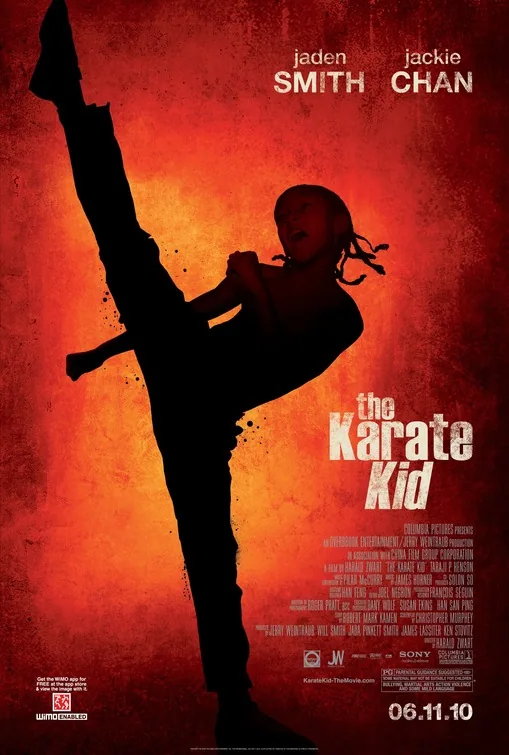
Twelve-year-old Dre Parker moves with his mother from Detroit to Beijing, where he is targeted by Cheng, a young kung fu student. After a beating, building maintenance worker Mr. Han intervenes and begins teaching Dre. Han’s lessons use repeated daily movements, patience and self-control rather than simply preparing him to hit harder. Dre’s growing friendship with violinist Meiying and his preparation for a martial-arts tournament bring him into repeated conflict with Cheng’s teacher, Master Li. Training also forces Han to confront grief he has tried to contain. The tournament offers Dre a way to face his bully, but the film’s resolution depends as much on mutual respect as on winning.
Based on recorded story, mood and style. Your preferences can change the order.
Coming of age · Memory and identity
What changes Dìdi: episodic, youthful and reflective. The King of Staten Island: character-led, episodic and gradual emotional movement.
Scott Carlin is a 24-year-old high-school dropout living with his mother and sister on Staten Island. He dreams of becoming a tattoo artist but spends much of his time avoiding responsibility and processing the childhood loss of his firefighter father. When his mother begins dating Ray, a firefighter with a son of his own, Scott’s resistance pushes him into new relationships and an unexpected stay at Ray’s firehouse. This comedy-drama draws on Pete Davidson’s background for a patient portrait of grief, arrested adulthood, and the uneven steps toward independence.
Both share themes of adolescence and family, plus a funny and awkward atmosphere.
Why this matches +
Genres: Drama
Shared film traits
Based on recorded story, mood and style. Your preferences can change the order.
Coming of age · Family and care
Expect frank and funny, with episodic and intimate pacing.
In 1970s San Francisco, fifteen-year-old Minnie Goetze records her thoughts as she tries to understand desire, adulthood and her ambitions as an artist. Her bohemian mother is focused on her own life, and Minnie becomes involved with Monroe, her mother’s boyfriend, after he takes her out one night. The relationship complicates Minnie’s family ties and self-image as she moves through school, friendship and drawing. The film adapts Phoebe Gloeckner’s graphic novel through an adolescent point of view.
Both share themes of family and friendship, plus a nostalgic atmosphere.
Why this matches +
Genres: Comedy / Family
Shared film traits
Based on recorded story, mood and style. Your preferences can change the order.
Coming of age · Family and care
What changes Dìdi: episodic, youthful and reflective. Camp Nowhere: a playful deception grows more complicated as the camp expands and the children must maintain the story.
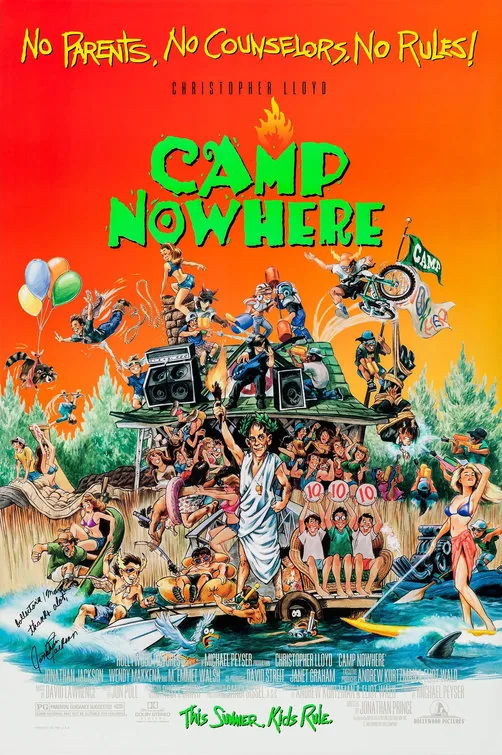
Twelve-year-old Mud Himmel and his friends want to avoid the summer camps their parents have chosen for them. They persuade former drama teacher Dennis Van Welker to help invent Camp Nowhere, a fictional camp with no adults, counselors or rules, and attract more children by promising freedom from parental supervision. Keeping the plan secret requires parents to believe the campers are elsewhere and requires Dennis to keep up a series of disguises. As the group enjoys its improvised summer, the children discover that independence brings responsibilities, and that the friendships holding the camp together matter more than the fantasy of having no rules.
Based on recorded story, mood and style. Your preferences can change the order.
Memory and identity
What changes Dìdi: episodic, youthful and reflective. Bad Words: competition rounds, provocation-based comedy and late emotional reveal.
Forty-year-old Guy Trilby finds a loophole in the rules of a national spelling bee and enters despite having left school in eighth grade. His abrasive behavior antagonizes children, parents, and organizers as he advances through regional contests toward the national event. Along the way, journalist Jenny Widgeon follows his unusual campaign, while a persistent young contestant tries to befriend him. The comedy uses Guy's disruptive presence to reveal a personal motive behind his apparent attack on the competition.
Based on recorded story, mood and style. Your preferences can change the order.
Coming of age
What changes Dìdi: episodic, youthful and reflective. Dope: fast-moving, caper-like and comic escalation.
High-school senior Malcolm and his friends Jib and Diggy live in Inglewood and share an interest in 1990s hip-hop, skateboarding, and outsider culture. After a party is interrupted by gunfire, drugs and a weapon end up in Malcolm’s backpack, drawing him into a dangerous effort to protect himself and his college prospects. He and his friends use their technical skills to sell the drugs online while navigating school, neighborhood expectations, and shifting loyalties. Rick Famuyiwa’s comedy-drama mixes teen coming-of-age with crime caper elements.
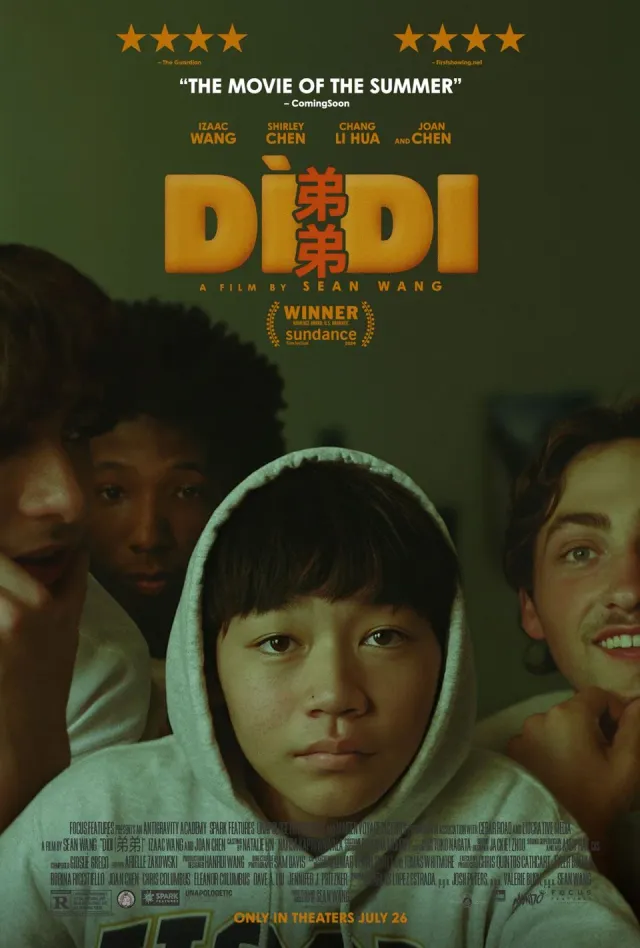
In 2008, thirteen-year-old Chris Wang is finishing summer in Fremont, California, before starting high school. He experiments with skateboarding, friendships and online video, trying to appear more confident than he feels while misunderstanding the social rules around him. At home, his relationship with his Taiwanese American family is also changing as he notices generational distance and his mother's sacrifices. Sean Wang's autobiographical coming-of-age film follows a season of awkward learning and small acts of care.
What drives the story
A teenager navigates friendship, self-presentation and family during the summer before high school.
The people at its centre
Chris tries on new identities while his mother and sister remain people he understands least and needs most.
What it feels like
Period digital details and uncomfortable humor make adolescence feel specific rather than generic.
Worth knowing
Its modest summer episodes connect online experimentation to the quieter work of family understanding.