The letters create a delayed plot mechanism that turns a child into an intermediary between two adults. Their timing makes the reunion feel fated, but it is built from choices made by the late Tina and later enacted by her daughter.
Why this matches +
Selected for the central appeal: Romantic dramas about love, family expectations and seeking acceptance across cultural settings.
Genres: Romance / Musical
Shared film traits
Based on recorded story, mood and style. Your preferences can change the order.
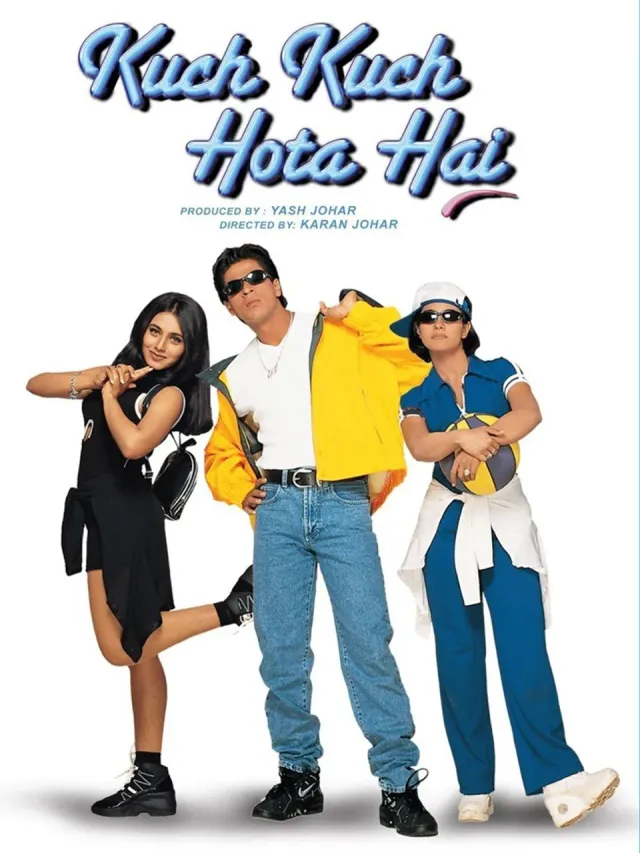
What changes Kuch Kuch Hota Hai blends Hindi musical romance with family obligations and the possibility of a reunited couple.
Years after college, widower Rahul receives letters his late wife Anjali wrote for their daughter, each meant to arrive on a birthday. The final letter sends the child to reunite him with his old friend Anjali, who once loved him while he pursued the glamorous Tina. The film moves between youthful campus comedy and an adult romance shaped by bereavement, parental memory and a second chance. Its destiny language can make the reunion seem inevitable, yet the daughter’s matchmaking also uses information Tina recorded without being able to witness the future consequences. The story’s gender presentation and romantic choices reflect a particular late-1990s popular cinema context; the ending should not erase who had knowledge, agency and existing commitments at each stage.
Samia's legal effort opens a decades-old account of how Veer's choices led to separation from Zaara and long imprisonment.
Why this matches +
Selected for the central appeal: Romantic dramas about love, family expectations and seeking acceptance across cultural settings.
Genres: Drama / Romance
Shared film traits
Based on recorded story, mood and style. Your preferences can change the order.
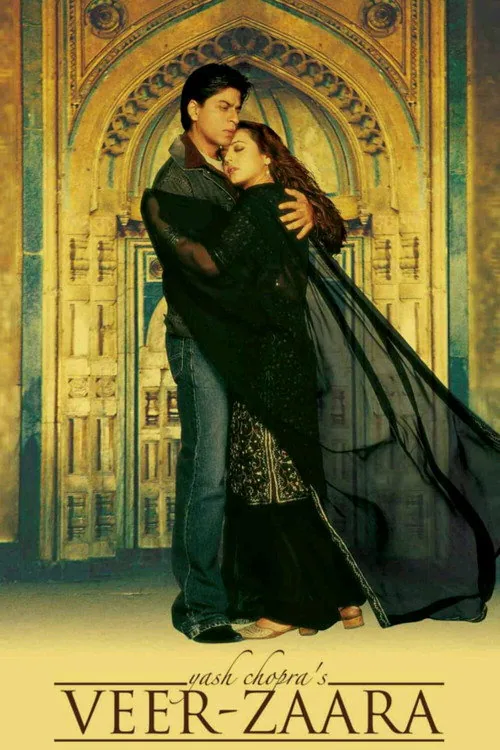
What changes Veer-Zaara follows a cross-border romance constrained by family and social expectations.
Pakistani lawyer Samia Siddiqui takes on the case of an Indian prisoner who has spent decades in silence under another name. As he finally tells his story, the film recalls how Indian Air Force pilot Veer Pratap Singh met Zaara Hayat Khan, the daughter of a prominent Pakistani family, and how their love was interrupted by borders and family duty. Their relationship unfolds across years, languages, and national histories. Yash Chopra's musical romance treats enduring devotion as a personal bond tested by political separation and the possibility of reunion.
Courtship unfolds through repeated misreadings and revelations, requiring revised judgment rather than simply overcoming an external prohibition on love.
Why this matches +
These offer a related experience with a meaningful difference in story, tone, or presentation.
An adjacent discovery: a related idea with a different viewing experience.
Genres: Drama / Romance
Shared film traits
Based on recorded story, mood and style. Your preferences can change the order.
What changes Pride & Prejudice follows lovers negotiating family approval, class and mistaken judgments.
A young woman in a financially vulnerable country family meets an apparently arrogant wealthy man whose reserved behaviour reinforces her dislike. Other courtships, family embarrassments and a charming outsider's account of past injury shape her judgments before she can test them. As economic pressure makes marriage a practical necessity for the household, attraction requires both people to reconsider the social assumptions through which they have interpreted one another.
A wedding visit reveals a wealthy family's expectations and turns a private romance into a social test.
Why this matches +
These offer a related experience with a meaningful difference in story, tone, or presentation.
An adjacent discovery: a related idea with a different viewing experience.
Genres: Romance / Comedy
Shared film traits
Based on recorded story, mood and style. Your preferences can change the order.
What changes Crazy Rich Asians follows a couple whose relationship is tested by a wealthy family's expectations.
An American economics professor accompanies her boyfriend to a wedding in Singapore and discovers that his family occupies an extraordinary position of wealth. Their relationship becomes subject to judgments about status, upbringing and family duty that she had not anticipated. Navigating lavish gatherings and private confrontations, she must decide how to preserve her dignity and independence without treating love as a contest she can win through approval.
A recounted youthful romance traces repeated separations while its telling becomes part of a present-day effort to sustain recognition.
Why this matches +
These offer a related experience with a meaningful difference in story, tone, or presentation.
An adjacent discovery: a related idea with a different viewing experience.
Genres: Romance / Drama
Shared film traits
Based on recorded story, mood and style. Your preferences can change the order.
What changes The Notebook follows a couple whose chosen relationship meets strong family opposition.
An older man reads a story of a young couple whose summer attachment develops across a sharp difference in class and family expectation. Separation, war and other relationships make their eventual choices less straightforward than the intensity of the first encounter suggests. The framing situation gradually gives the remembered romance another emotional purpose, connecting the promise of enduring devotion with the vulnerability of memory and bodily aging.
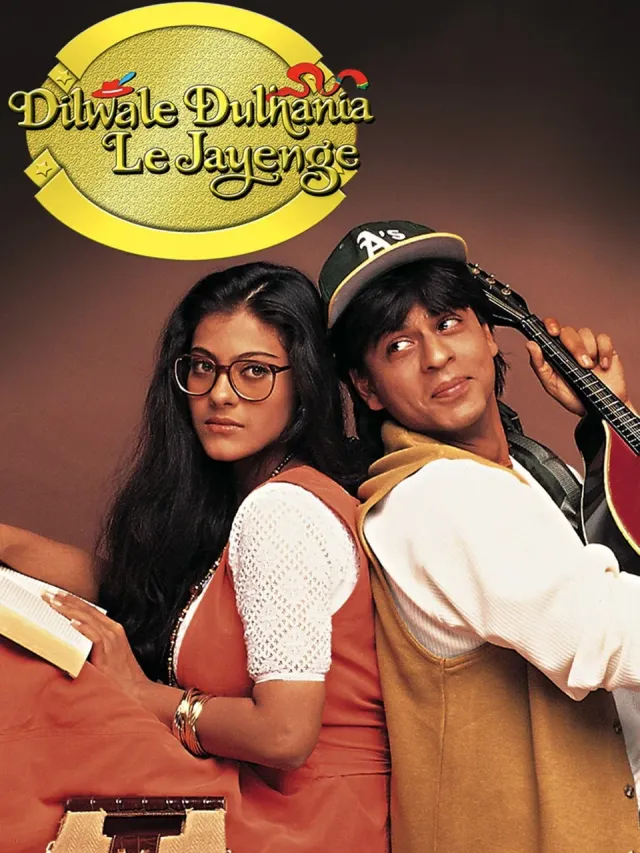
Two young British Indians fall in love during a European trip, only to return to family arrangements that have already assigned the woman's future marriage. The man follows her to Punjab but refuses to make escape the solution, instead trying to win acceptance within the household preparing the wedding. Their hope depends on persuading an authority whose approval matters deeply to them, creating a tension between chosen intimacy and the structures allowed to authorize it. Raj’s refusal to elope makes parental acceptance the romance’s chosen route, even though Simran bears more risk.
What drives the story
A travel romance becomes a campaign for family consent when the lovers return to an existing arranged marriage and reject immediate flight as their preferred resolution.
The people at its centre
Raj's playful confidence meets Simran's more constrained position, while her father's attachment to inherited expectations determines how unevenly each can risk an open declaration. Raj’s mobility and confidence contrast with Simran’s father’s control over her future and the costs of open resistance.
What it feels like
Playful journey episodes give way to expansive household ritual, songs and heightened confrontation, making cultural continuity part of the romance's desired future. European travel gives way to Punjabi family ritual, with songs carrying both courtship and generational belonging.
Worth knowing
Match on diaspora courtship seeking family recognition while keeping the unequal cost of waiting for paternal permission visible. The ending grants the couple approval, but Simran bears more of the risk than Raj and the resolution does not erase that imbalance.
LoveFamilyAutonomy
Mood
Romantic · Hopeful · Emotional
Pacing
Epic
Visual style
Lush · Musical staging · Period ritual
Storytelling
Diaspora travel romance · Family consent campaign · Arranged marriage deadline