A dying man conceals his attachment and illness while attempting to redirect the woman he loves toward a lasting relationship with their mutual friend.
Why this matches +
Selected for the central appeal: Romantic melodramas about friendship, bereavement and second chances across the years.
Genres: Romance / Drama
Shared film traits
Based on recorded story, mood and style. Your preferences can change the order.
Music and performance
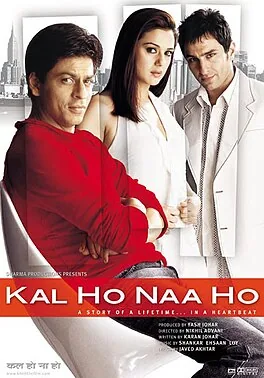
What changes Kal Ho Naa Ho blends friendship, romantic sacrifice, family relationships and grief in a Hindi musical melodrama.
A guarded student in New York carries family strain and bereavement into a friendship circle transformed by a newly arrived neighbor. His warmth helps revive the household and draws her love, but a concealed fatal illness leads him to arrange a future with her closest friend instead. The resulting courtship depends on performances that protect some feelings while denying others informed choice. The musical melodrama links communal repair with anticipatory loss, giving exuberant participation an urgency supplied by the time one participant knows he does not have.
A hotel reopening and a parallel account of Donna's youth bring Sophie's present uncertainty into contact with the relationships that formed her family.
Why this matches +
These offer a related experience with a meaningful difference in story, tone, or presentation.
An adjacent discovery: a related idea with a different viewing experience.
Genres: Musical / Romance
Shared film traits
Based on recorded story, mood and style. Your preferences can change the order.
Music and performance
What changes Mamma Mia! Here We Go Again uses a mother's past and her daughter's choices to reconnect family and romance.
A year after Donna's death, Sophie prepares to reopen the Greek island hotel while learning more about the summer her mother first arrived there. In parallel, young Donna leaves home, reaches Kalokairi and meets Harry, Bill and Sam, whose separate courtships shape the family history Sophie is trying to understand. Storm damage and an unexpected pregnancy complicate the present celebration; the young and older generations gradually converge around the people Donna chose to keep close. The sequel alternates two timelines, making inherited stories and chosen family as central as its returning pop songs.
A dispute over Sid’s feelings for Tara exposes differences among the friends that their carefree college years had concealed.
Why this matches +
These offer a related experience with a meaningful difference in story, tone, or presentation.
An adjacent discovery: a related idea with a different viewing experience.
Genres: Comedy / Drama
Shared film traits
Based on recorded story, mood and style. Your preferences can change the order.
Music and performance
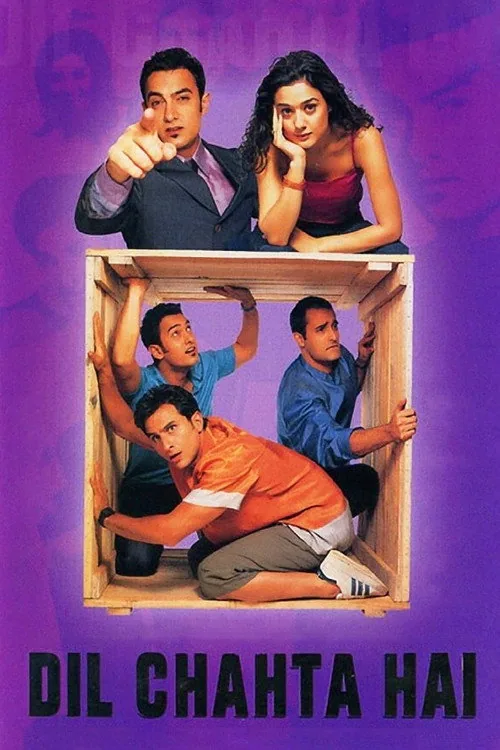
What changes Dil Chahta Hai follows close friends through changing romantic relationships and the transition to adulthood.
After graduating from college, three close friends take a trip to Goa and begin navigating adult relationships in sharply different ways. Akash treats romance as a game, Sameer falls in love easily, and Siddharth develops feelings for Tara, an older divorced neighbor. Their disagreement about Sid’s relationship fractures the friendship, sending each man into a separate period of growth before life brings them back together. Farhan Akhtar’s Hindi film blends romance, comedy, music, and coming-of-age drama.
A travel romance becomes a campaign for family consent when the lovers return to an existing arranged marriage and reject immediate flight as their preferred resolution.
Why this matches +
These offer a related experience with a meaningful difference in story, tone, or presentation.
An adjacent discovery: a related idea with a different viewing experience.
Genres: Romance / Drama
Shared film traits
Based on recorded story, mood and style. Your preferences can change the order.
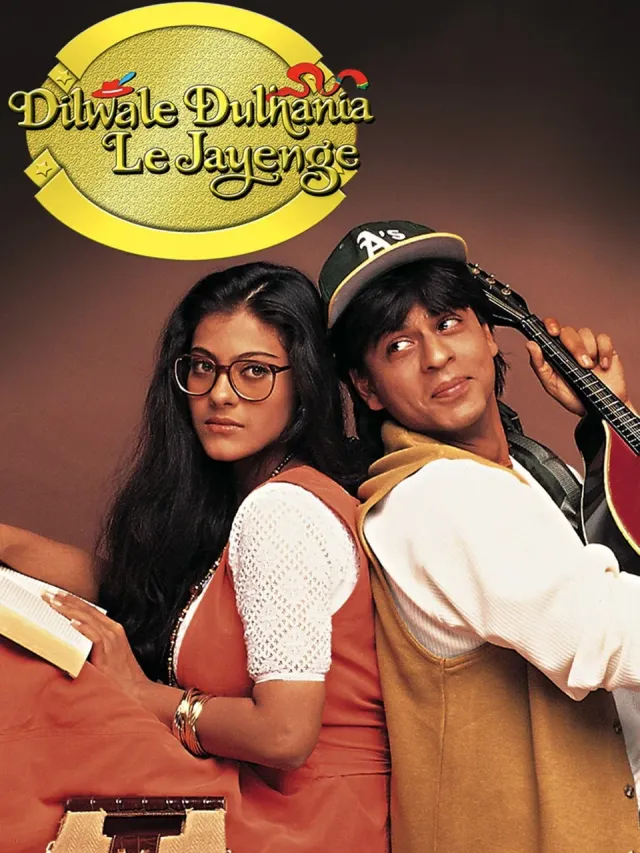
What changes Dilwale Dulhania Le Jayenge combines romantic longing, family expectations and a colorful Hindi musical setting.
Two young British Indians fall in love during a European trip, only to return to family arrangements that have already assigned the woman's future marriage. The man follows her to Punjab but refuses to make escape the solution, instead trying to win acceptance within the household preparing the wedding. Their hope depends on persuading an authority whose approval matters deeply to them, creating a tension between chosen intimacy and the structures allowed to authorize it. Raj’s refusal to elope makes parental acceptance the romance’s chosen route, even though Simran bears more risk.
The film's engine follows the return trip makes setting part of the choice; this keeps the stakes tied to observable choices.
Why this matches +
These offer a related experience with a meaningful difference in story, tone, or presentation.
An adjacent discovery: a related idea with a different viewing experience.
Genres: Comedy / Drama
Shared film traits
Based on recorded story, mood and style. Your preferences can change the order.
What changes Sweet Home Alabama follows an adult reconnecting with an earlier love while reconsidering an existing engagement.
A successful New York designer returns to Alabama to resolve unfinished legal and emotional business from her first marriage before marrying her new partner. Back home, old friends and familiar places challenge the separation she made between her present identity and her past. The romantic comedy weighs ambition, belonging and the possibility of choosing a relationship again.
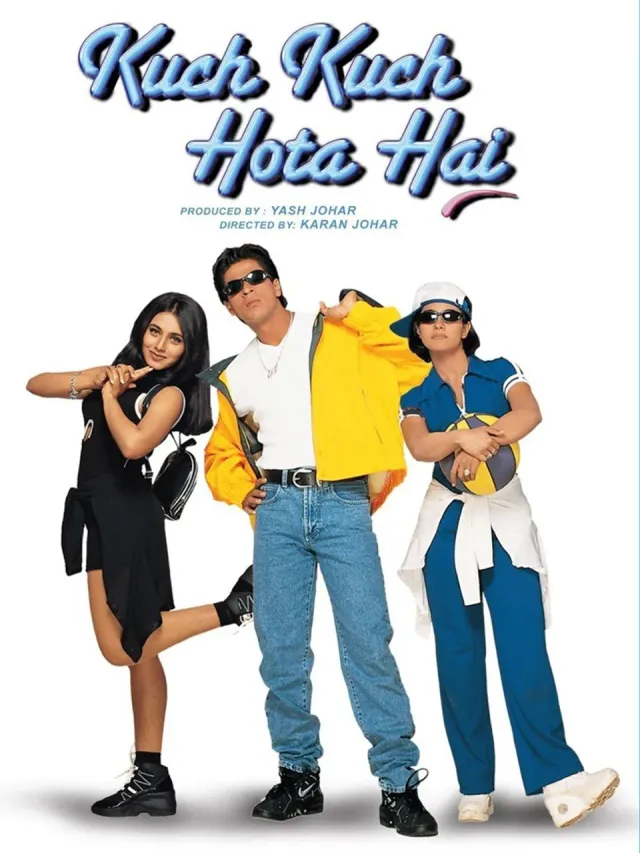
Years after college, widower Rahul receives letters his late wife Anjali wrote for their daughter, each meant to arrive on a birthday. The final letter sends the child to reunite him with his old friend Anjali, who once loved him while he pursued the glamorous Tina. The film moves between youthful campus comedy and an adult romance shaped by bereavement, parental memory and a second chance. Its destiny language can make the reunion seem inevitable, yet the daughter’s matchmaking also uses information Tina recorded without being able to witness the future consequences. The story’s gender presentation and romantic choices reflect a particular late-1990s popular cinema context; the ending should not erase who had knowledge, agency and existing commitments at each stage.
What drives the story
The letters create a delayed plot mechanism that turns a child into an intermediary between two adults. Their timing makes the reunion feel fated, but it is built from choices made by the late Tina and later enacted by her daughter.
The people at its centre
College-age Anjali’s transformation into a conventionally feminine image accompanies Rahul’s belated recognition, while adult Anjali’s life and feelings are more than an extension of his nostalgia. The emotional asymmetry changes across the two timelines.
What it feels like
The film alternates bright campus spectacle, songs and romantic comedy with a more restrained story of grief and family. Its two-part structure lets the same characters mean different things at different ages.
Worth knowing
Treat the conclusion as a melodramatic choice, not proof that a woman’s earlier love must wait indefinitely. Gender presentation, parental memory and unequal information complicate the film’s comfortable language of destiny.
LoveMemoryTiming
Mood
Exuberant · Sentimental · Romantic
Pacing
Nonlinear · Episodic
Visual style
Large musical numbers · College-to-family contrast
Storytelling
Posthumous matchmaking letters · College friend reunion · Existing engagement