Both share themes of love, plus a bittersweet atmosphere.
Why this matches +
Genres: Drama / Romance
Shared film traits
Based on recorded story, mood and style. Your preferences can change the order.
Music and performance
What changes Kal Ho Naa Ho: episodic and escalating. A Walk to Remember: measured.
After a reckless school prank injures another student, a popular teenager is required to undertake service and participate in a play. Seeking help with the production draws him toward a devout classmate he had previously dismissed through the assumptions of his social group. Their relationship changes his public loyalties and expectations of the future, while an undisclosed illness makes the meaning of a shared life more urgent and less predictable than either initially admits.
Based on recorded story, mood and style. Your preferences can change the order.
Music and performance
Expect exuberant and sentimental, with nonlinear and episodic pacing.
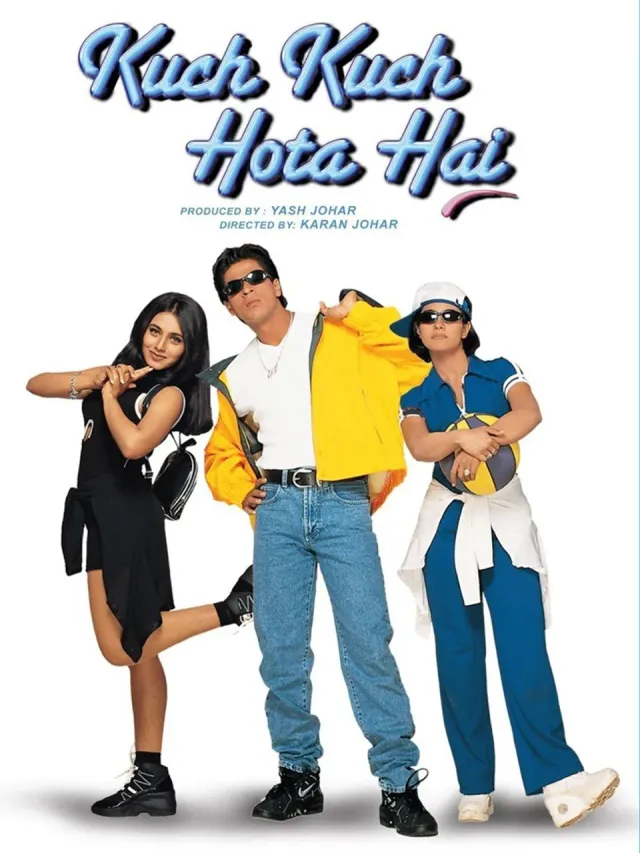
Years after college, widower Rahul receives letters his late wife Anjali wrote for their daughter, each meant to arrive on a birthday. The final letter sends the child to reunite him with his old friend Anjali, who once loved him while he pursued the glamorous Tina. The film moves between youthful campus comedy and an adult romance shaped by bereavement, parental memory and a second chance. Its destiny language can make the reunion seem inevitable, yet the daughter’s matchmaking also uses information Tina recorded without being able to witness the future consequences. The story’s gender presentation and romantic choices reflect a particular late-1990s popular cinema context; the ending should not erase who had knowledge, agency and existing commitments at each stage.
Both share themes of loss and love, plus a sentimental atmosphere.
Why this matches +
Genres: Drama / Romance
Shared film traits
Based on recorded story, mood and style. Your preferences can change the order.
What changes Kal Ho Naa Ho: episodic and escalating. Love Story: measured.
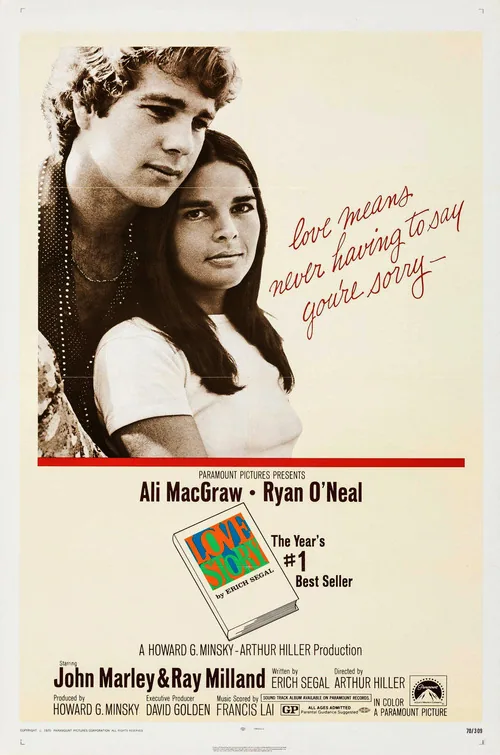
Students from different economic backgrounds fall in love and choose a marriage that costs the wealthier partner his father's support. Their shared life requires work and accommodation that romantic confidence cannot make effortless. When illness interrupts the future they have begun to establish, an already damaged family relationship becomes another question of pride and dependence. The melodrama makes class rejection and bodily finitude different constraints on intimacy, with remembered happiness framing a loss that career success cannot compensate for or explain.
Based on recorded story, mood and style. Your preferences can change the order.
Music and performance
Expect exuberant and playful, with episodic and brisk pacing.
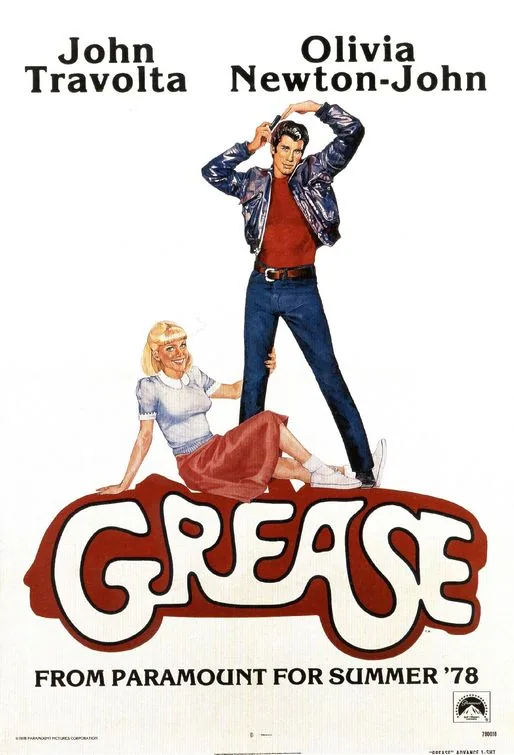
Two teenagers who shared a tender summer meet again at school, where public identity makes their private connection difficult to acknowledge. He performs toughness for his friends, while she faces pressure to change how she dresses, behaves and understands belonging. Parallel romances and a pregnancy scare complicate the group's apparently carefree rituals. Songs, a televised dance and a car race turn social recognition into spectacle, making courtship inseparable from the roles the teenagers perform for one another.
Both share themes of loss and love, plus a bittersweet atmosphere.
Why this matches +
Genres: Romance / Comedy
Shared film traits
Based on recorded story, mood and style. Your preferences can change the order.
Expect witty and warm, with measured and episodic pacing.
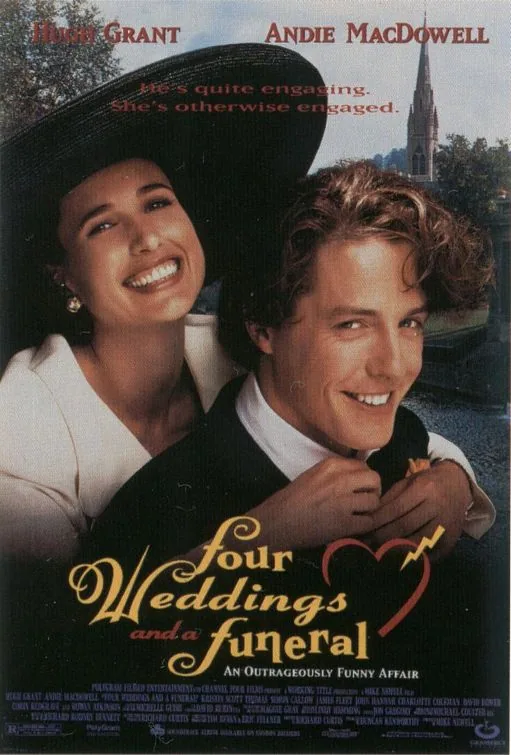
A commitment-averse man repeatedly encounters an American woman at formal gatherings shared with his close circle of friends. Attraction persists through missed timing, other relationships and the ritual expectations of weddings. A death interrupts the comic repetition, giving the group a sharper awareness of affection and making his own evasions harder to sustain.
Based on recorded story, mood and style. Your preferences can change the order.
Music and performance
What changes Kal Ho Naa Ho: episodic and escalating. Moulin Rouge!: fast.
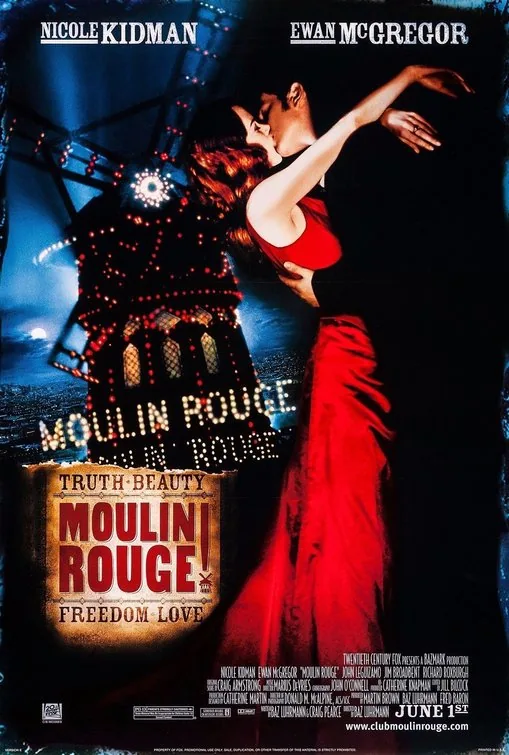
A young writer enters a Parisian cabaret hoping to join an artistic revolution and falls in love with its star performer. Their relationship must be concealed from a wealthy patron whose funding is expected to secure the venue's future and access to the woman he desires. A theatrical production becomes both cover and mirror for their romance, while illness and economic dependence make declarations of freedom increasingly fragile.
Both share an exuberant and bittersweet atmosphere.
Why this matches +
Genres: Drama / Musical
Shared film traits
Based on recorded story, mood and style. Your preferences can change the order.
Music and performance
What changes Kal Ho Naa Ho: episodic and escalating. Tick, Tick... Boom!: songs and memory organize an episodic build toward a public workshop..
In the weeks before his thirtieth birthday, composer and playwright Jon is trying to finish a musical while working at a New York diner and wondering whether his artistic ambitions have cost him the life he wants. Friends face their own choices about stability, love, and a changing city, and a workshop deadline sharpens the pressure. Lin-Manuel Miranda’s adaptation turns Larson’s autobiographical stage piece into a song-driven portrait of creative urgency, with performance and memory shaping its movement.
Based on recorded story, mood and style. Your preferences can change the order.
Music and performance
What changes Kal Ho Naa Ho is tagged exuberant and sentimental; Les Misérables is tagged emphatic and somber.
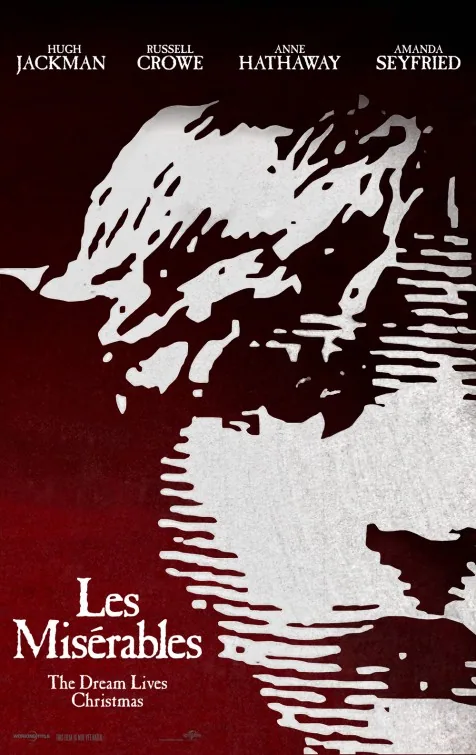
A former prisoner receives an act of mercy that allows him to build a new identity, but a pursuing officer treats the breached parole as a permanent definition of the man. Taking responsibility for a dying worker's daughter connects private redemption with the poverty around him. As the girl grows and political revolt reaches the streets, protecting her future demands choices that cannot be settled by hiding forever. The sung-through adaptation sets rigid legal certainty against forms of care that recognize change without pretending every loss can be repaired.
Based on recorded story, mood and style. Your preferences can change the order.
What changes Kal Ho Naa Ho is tagged exuberant and sentimental; The Good Girl is tagged dry and melancholy.
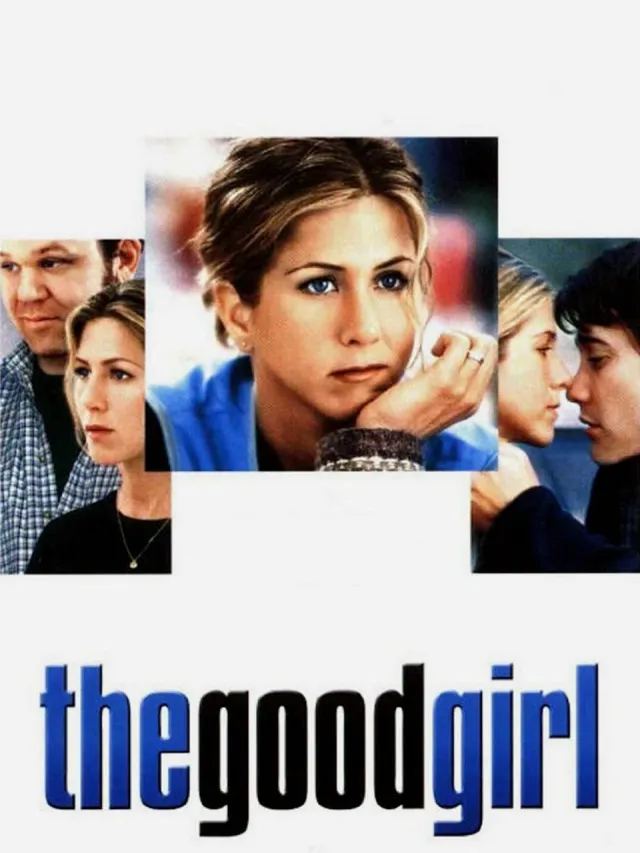
A dissatisfied retail worker begins an affair with a young co-worker while her marriage and small-town routine feel increasingly confining. Their private escape changes once fantasy collides with responsibility and with the people affected by their decisions. The film observes how self-pity can make destructive choices feel like liberation before their consequences become unavoidable. Understated performances and everyday retail spaces give the drama a dry, unsentimental texture.
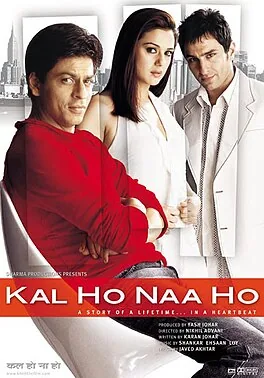
A guarded student in New York carries family strain and bereavement into a friendship circle transformed by a newly arrived neighbor. His warmth helps revive the household and draws her love, but a concealed fatal illness leads him to arrange a future with her closest friend instead. The resulting courtship depends on performances that protect some feelings while denying others informed choice. The musical melodrama links communal repair with anticipatory loss, giving exuberant participation an urgency supplied by the time one participant knows he does not have.
What drives the story
A dying man conceals his attachment and illness while attempting to redirect the woman he loves toward a lasting relationship with their mutual friend.
The people at its centre
Naina's affection and Rohit's hope are shaped by Aman's unilateral planning, while household reconciliation complicates the idea that he is only a romantic intermediary.
What it feels like
Comic ensemble scenes, expansive songs and an emotionally emphatic turn toward farewell combine diasporic family life with sacrificial romantic melodrama.
Worth knowing
The film's loving manipulation should remain visible as a choice with unequal information; its medical premise does not validate withholding truth as a general form of care.