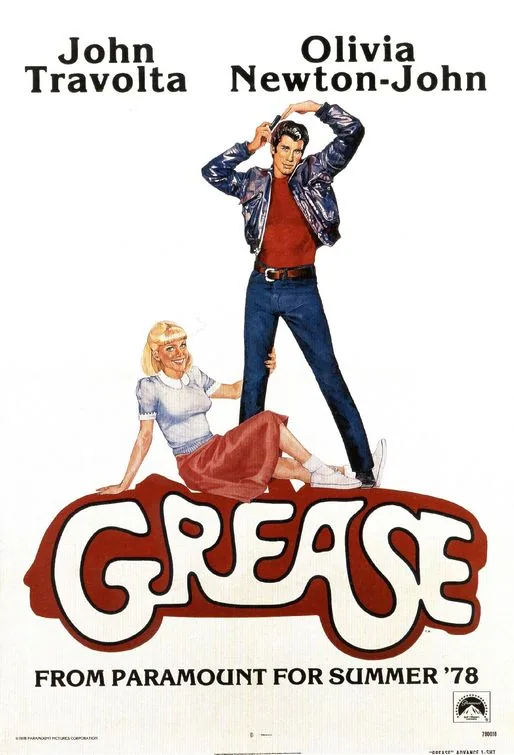
A summer romance must survive its transfer into peer groups whose expectations reward performances that undermine the couple's private understanding.
Why this matches +
Related viewing experiences with the specific differences recorded for each pair.
An adjacent discovery: a related idea with a different viewing experience.
Genres: Musical / Romance
Shared film traits
Based on recorded story, mood and style. Your preferences can change the order.
Music and performance
What changes Familiar pop-style songs and an ensemble of romantic misunderstandings provide a celebratory musical experience; high-school courtship replaces the source’s adult generations and remembered youth.
Two teenagers who shared a tender summer meet again at school, where public identity makes their private connection difficult to acknowledge. He performs toughness for his friends, while she faces pressure to change how she dresses, behaves and understands belonging. Parallel romances and a pregnancy scare complicate the group's apparently carefree rituals. Songs, a televised dance and a car race turn social recognition into spectacle, making courtship inseparable from the roles the teenagers perform for one another.
David and Georgia’s mutual teasing hides how closely they still understand each other.
Why this matches +
Related viewing experiences with the specific differences recorded for each pair.
An adjacent discovery: a related idea with a different viewing experience.
Genres: Romance / Comedy
Shared film traits
Based on recorded story, mood and style. Your preferences can change the order.
What changes An island celebration brings different generations into romantic reconsideration; a divorced couple and their daughter’s wedding replace the musical form and parallel mother-daughter histories.
David and Georgia are divorced and wary of one another, but they travel to Bali after learning that their daughter Lily plans to marry a man she has just met. They agree to interfere with the wedding, hoping to spare her from a choice they believe repeats their own youthful mistake. Shared plans revive old affection and old grievances, turning the trip into a romantic comedy about whether people can change after a long separation.
The blackout makes the neighborhood’s interdependence visible and forces people into shared public space.
Why this matches +
Related viewing experiences with the specific differences recorded for each pair.
An adjacent discovery: a related idea with a different viewing experience.
Genres: Drama / Musical
Shared film traits
Based on recorded story, mood and style. Your preferences can change the order.
Music and performance · Memory and identity
What changes A colorful musical ensemble joins romance, family memory and the future of a cherished place; a changing New York neighborhood replaces a Greek island and ABBA-backed family history.
Usnavi runs a small bodega in Washington Heights while imagining a return to the Dominican Republic, and neighbors around him face their own questions about work, home and belonging. A heat wave and power blackout bring the community together as personal ambitions and family histories surface. The filmed musical adaptation uses songs and choreography to depict a vibrant New York neighborhood undergoing change.
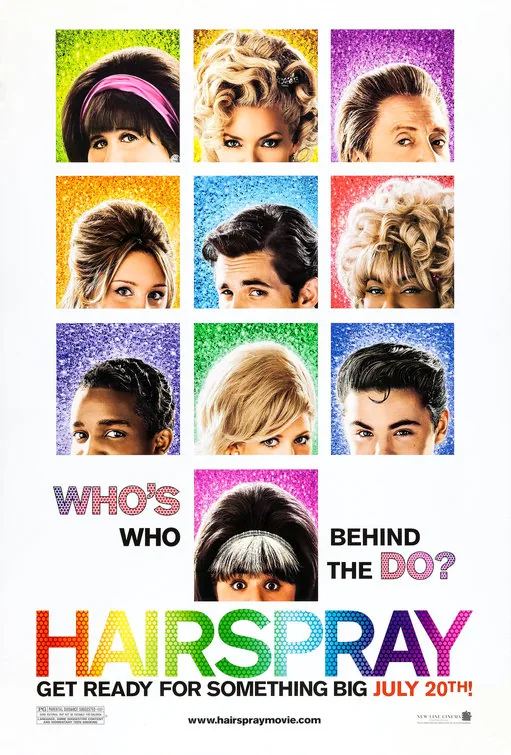
An aspiring dancer gains television access and uses her rising visibility to challenge the segregation and appearance rules defining who may perform.
Why this matches +
Related viewing experiences with the specific differences recorded for each pair.
An adjacent discovery: a related idea with a different viewing experience.
Genres: Musical / Comedy
Shared film traits
Based on recorded story, mood and style. Your preferences can change the order.
Music and performance
What changes Buoyant pop-influenced songs bring an ensemble together around romance and acceptance; teenage dance and racial integration replace mourning, pregnancy and a mother-daughter timeline.
A Baltimore teenager hopes to dance on a local television show that treats her size as disqualifying and segregates its Black performers. Success gives her visibility, but friendship with excluded dancers makes participation alone an insufficient goal. Romance, family confidence and a public protest converge around who gets access to the broadcast stage. The musical uses exuberant performance to connect bodily acceptance with resistance to an institution that presents exclusion as ordinary programming rather than an explicit political choice.
A year after Donna's death, Sophie prepares to reopen the Greek island hotel while learning more about the summer her mother first arrived there. In parallel, young Donna leaves home, reaches Kalokairi and meets Harry, Bill and Sam, whose separate courtships shape the family history Sophie is trying to understand. Storm damage and an unexpected pregnancy complicate the present celebration; the young and older generations gradually converge around the people Donna chose to keep close. The sequel alternates two timelines, making inherited stories and chosen family as central as its returning pop songs.
What drives the story
A hotel reopening and a parallel account of Donna's youth bring Sophie's present uncertainty into contact with the relationships that formed her family.
The people at its centre
Sophie grieves Donna while deciding what kind of future she wants; young Donna's independence and later motherhood are framed through a warm ensemble rather than a single romance.
What it feels like
ABBA songs carry scenes across two timelines, shifting between exuberant musical numbers, island comedy and uncomplicated grief.
Worth knowing
Its family reunion and musical buoyancy sit beside the absence of Donna; it is not a straight continuation centered on the first film's wedding plot.