Explore films connected to Doomsday through Survival and adaptation, Political power, Loss and return. Choose the qualities you want to carry into your next watch.
What should feel similar?
Find your next favourite
9 films · Closest overall matches
Hide films you’ve seen or don’t want. Saved on this device.
No matches for this combination yet.
Try another option or reset your choices to see more films.
Based on recorded story, mood and style. Your preferences can change the order.
Survival
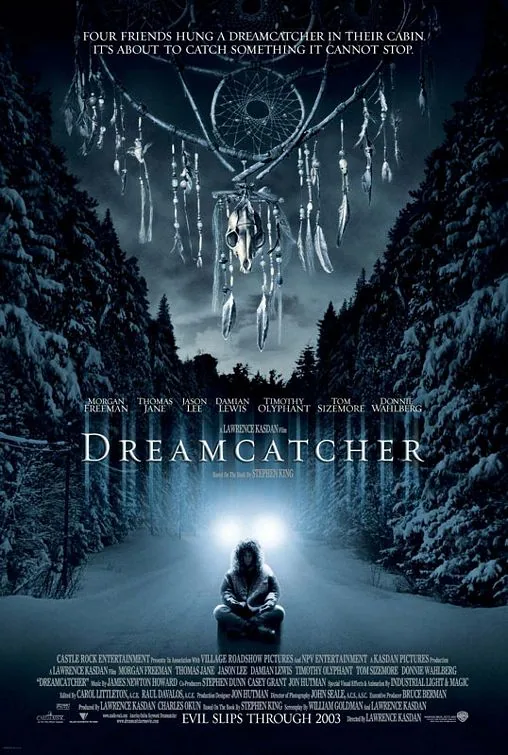
What changes Doomsday is tagged brutal and high-energy; Dreamcatcher is tagged ominous and strange.
Four longtime friends gather for their annual trip to a remote cabin, where an encounter with a stranger brings an alien infection and military quarantine into their lives. Their childhood bond and unusual shared memories become important as the crisis spreads through the surrounding woods. The adaptation blends friendship drama, body horror and science-fiction invasion, shifting between private loyalties and the authorities’ attempt to contain a threat they do not fully understand.
Based on recorded story, mood and style. Your preferences can change the order.
Survival · Escape and pursuit
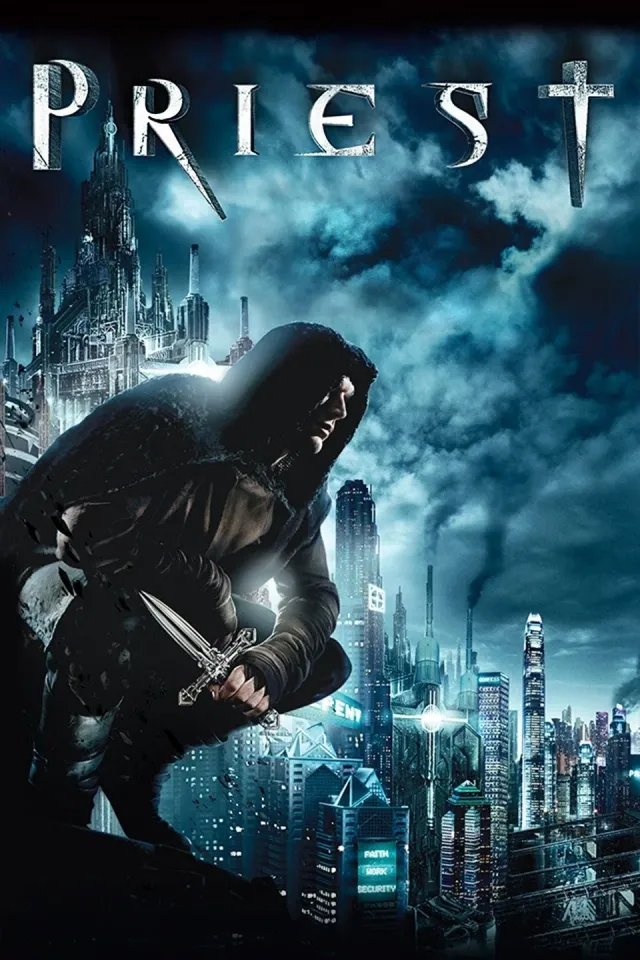
What changes Doomsday: fast, action-set-piece driven and escalating. Priest: quest structure with action peaks.
In a future shaped by a long war between humans and vampires, a veteran Priest leaves the safety of the walled cities when his niece is abducted. A small group joins the pursuit across a hostile landscape, confronting both vampire threats and the religious institution that once directed their lives. The science-fiction action film combines western imagery with post-apocalyptic travel, centering on duty, faith and the possibility of resisting authority.
Based on recorded story, mood and style. Your preferences can change the order.
Survival
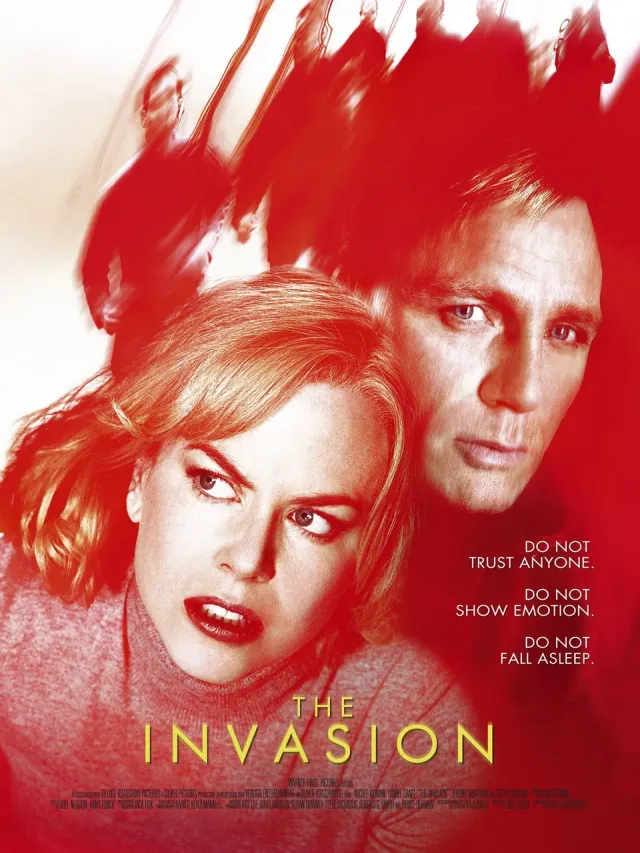
What changes Doomsday is tagged brutal and high-energy; The Invasion is tagged anxious and paranoid.
When a strange epidemic begins changing people’s behavior, psychiatrist Carol Bennell suspects that something more than illness is spreading through Washington. As the transformation reaches those closest to her, she tries to protect her son and find a way to stop it. The remake shifts invasion horror into a public-health suspense story, where trust becomes dangerous and ordinary signs of emotion can no longer be read with confidence.
Based on recorded story, mood and style. Your preferences can change the order.
Survival · Escape and pursuit
What changes Doomsday: fast, action-set-piece driven and escalating. Predator: intense.
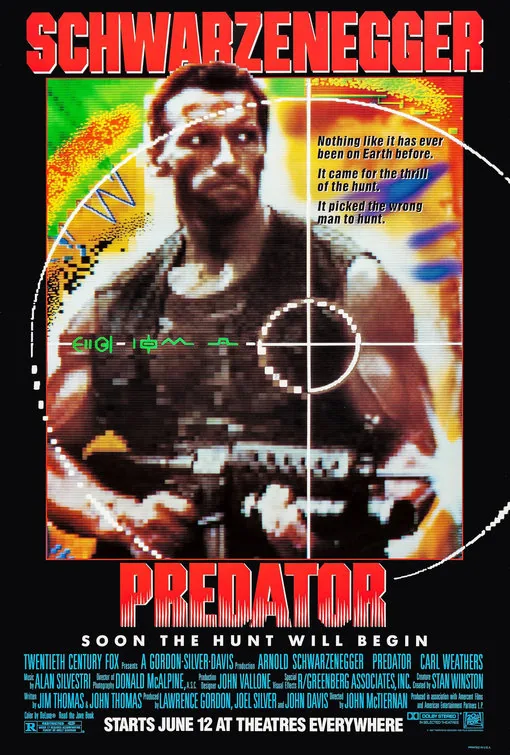
An elite rescue team enters a Central American jungle on a mission whose official explanation soon proves incomplete. After overwhelming the human opposition, the soldiers discover that an unseen hunter is studying and killing them one by one. Their weapons, formation and confidence become increasingly unreliable as the encounter strips military dominance down to a more primitive contest over observation, camouflage and the ability to improvise.
Based on recorded story, mood and style. Your preferences can change the order.
Survival
What changes Doomsday: fast, action-set-piece driven and escalating. The Happening: sudden crisis and dispersed pursuit.
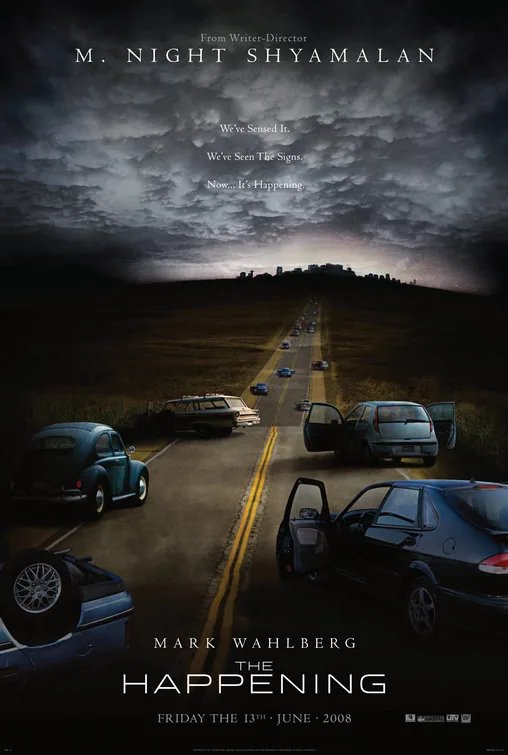
A wave of unexplained mass deaths begins in New York and spreads across the northeastern United States. Science teacher Elliot Moore escapes the city with his wife Alma, a colleague’s young daughter and strangers who are all trying to understand the threat. The group’s attempts to find safe shelter are undermined by an invisible force that appears to respond to human presence and movement. M. Night Shyamalan turns ecological catastrophe into an uncertain survival thriller, with the characters’ guesses about the cause remaining part of the tension rather than a firm scientific explanation.
Based on recorded story, mood and style. Your preferences can change the order.
Survival · Escape and pursuit
What changes Doomsday: fast, action-set-piece driven and escalating. The Darkest Hour: survival progression, ambush-driven action and episodic escape attempts.
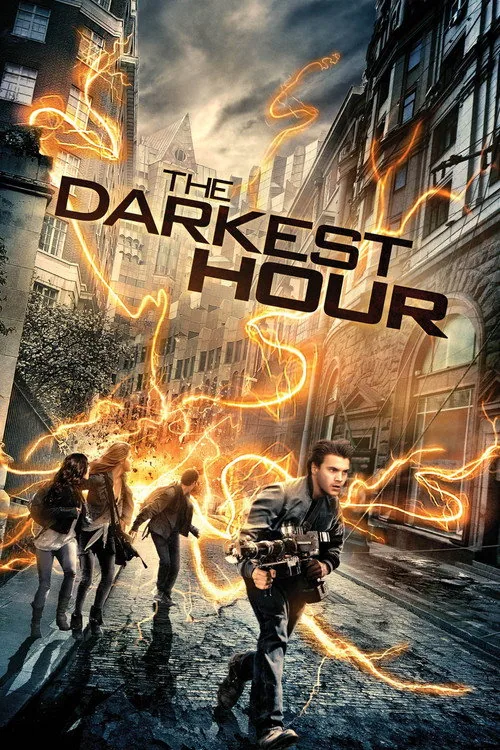
Two young American entrepreneurs arrive in Moscow to pitch a software business and discover their partner has already sold their idea. As they and other travelers gather in a nightclub, mysterious lights descend and invisible extraterrestrial attackers begin killing people across the city. The survivors must learn how to detect the threat, find supplies, and reach a way out while Moscow's infrastructure collapses. The science-fiction thriller turns a crowded capital into a hostile maze, with a small group adapting under pressure rather than leading a military counterattack.
Based on recorded story, mood and style. Your preferences can change the order.
Survival
What changes Doomsday: fast, action-set-piece driven and escalating. I Am Legend: measured.
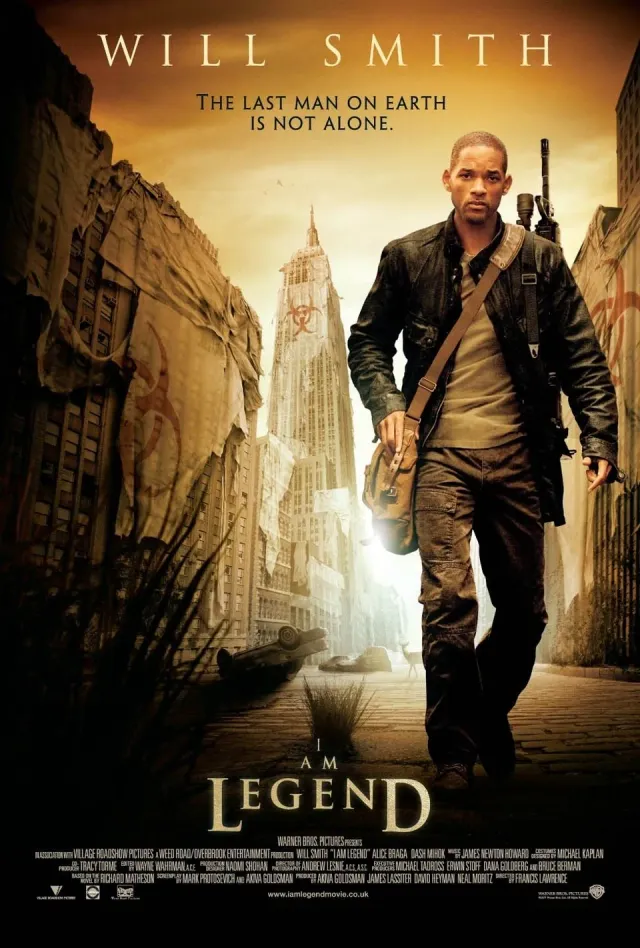
A virologist remains in an evacuated Manhattan after a medical breakthrough becomes a devastating infection. His days follow a fragile pattern of scavenging, experiments and radio appeals, while darkness returns the streets to infected people he cannot safely approach. With his dog as his closest companion, his search for a treatment becomes inseparable from grief, loneliness and the question of whether another human future is still possible.
Based on recorded story, mood and style. Your preferences can change the order.
Survival
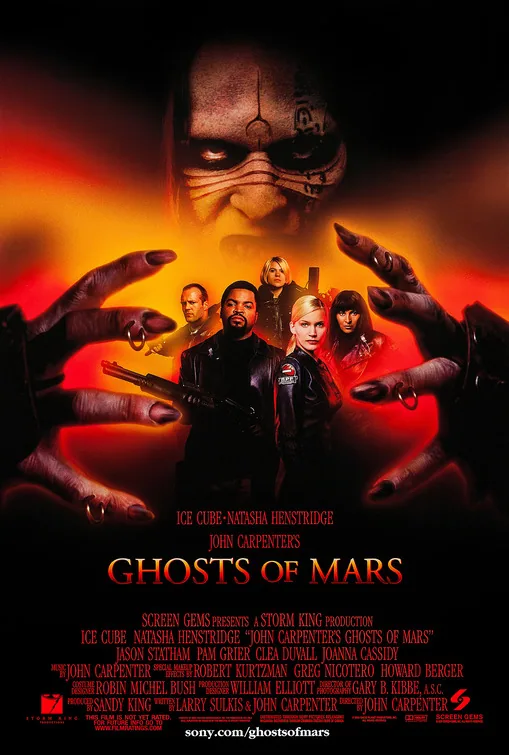
What changes Doomsday is tagged brutal and high-energy; Ghosts of Mars is tagged bleak and chaotic.
A police unit travels to a remote mining settlement on Mars to retrieve a dangerous prisoner, only to find that the miners have been overtaken by a force that alters their behavior. The officers and the prisoner must cooperate to escape a town that has become hostile from within. The film turns a frontier-law assignment into a siege, using the isolated planetary setting to intensify mistrust and survival pressure.
Based on recorded story, mood and style. Your preferences can change the order.
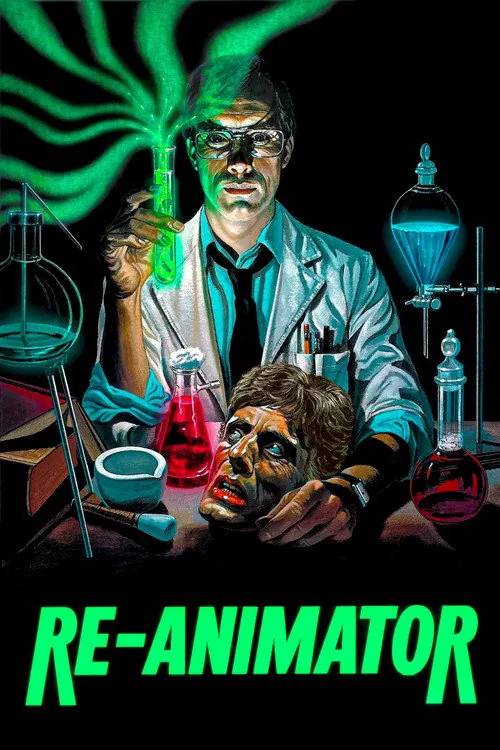
What changes Doomsday: fast, action-set-piece driven and escalating. Re-Animator: escalating laboratory chaos, fast tonal shifts and graphic climax.
Medical student Herbert West arrives at Miskatonic University with a glowing reagent that he claims can restore life to the dead. His roommate Dan Cain becomes involved in West’s secret experiments in the hospital morgue, where revived bodies prove unstable and increasingly dangerous. Dean Halsey and his daughter Megan are drawn into the fallout, as West’s ambition overcomes ordinary medical ethics. Stuart Gordon’s adaptation of H. P. Lovecraft’s stories blends science-fiction horror, black comedy, and graphic practical effects.
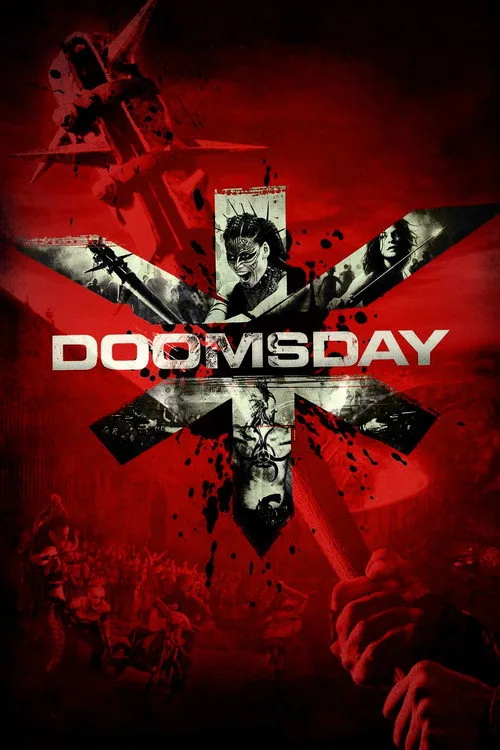
A deadly virus once forced the British government to seal Scotland behind a wall. Decades later, when the infection appears in London, Major Eden Sinclair leads a team across the quarantine line to search for survivors and a possible cure. The expedition encounters communities that have developed radically different ways of life, from violent marauders to a feudal order built around a castle. Neil Marshall’s science-fiction action film collides post-apocalyptic survival, medieval imagery, and political betrayal, following a hardened soldier who has personal reasons to return north.
What drives the story
Sinclair crosses a sealed border to investigate renewed infection, but rival survivors and an official conspiracy complicate the search for a cure.
The people at its centre
Her military command is tested by a changing group of allies, while a family history in Scotland gives the mission personal stakes.
What it feels like
The film mixes fast combat, grotesque violence, and deliberately pulpy genre references, including cannibalism and graphic gore.
Worth knowing
Its post-apocalypse combines a virus quarantine with medieval factions and political maneuvering, rather than a realistic pandemic procedural.
Survival and adaptationPolitical powerLoss and return
Mood
Brutal · High-energy · Pulp-adventurous
Pacing
Fast · Action-set-piece driven · Escalating
Visual style
Post-apocalyptic wasteland · Medieval and modern contrasts · Graphic action