Explore films connected to The Darkest Hour through survival through cooperation, invasion and vulnerability, technology and perception. Choose the qualities you want to carry into your next watch.
What should feel similar?
Find your next favourite
9 films · Closest overall matches
Hide films you’ve seen or don’t want. Saved on this device.
No matches for this combination yet.
Try another option or reset your choices to see more films.
Based on recorded story, mood and style. Your preferences can change the order.
Survival · Escape and pursuit
What changes The Darkest Hour: survival progression, ambush-driven action and episodic escape attempts. Cube: escalating.
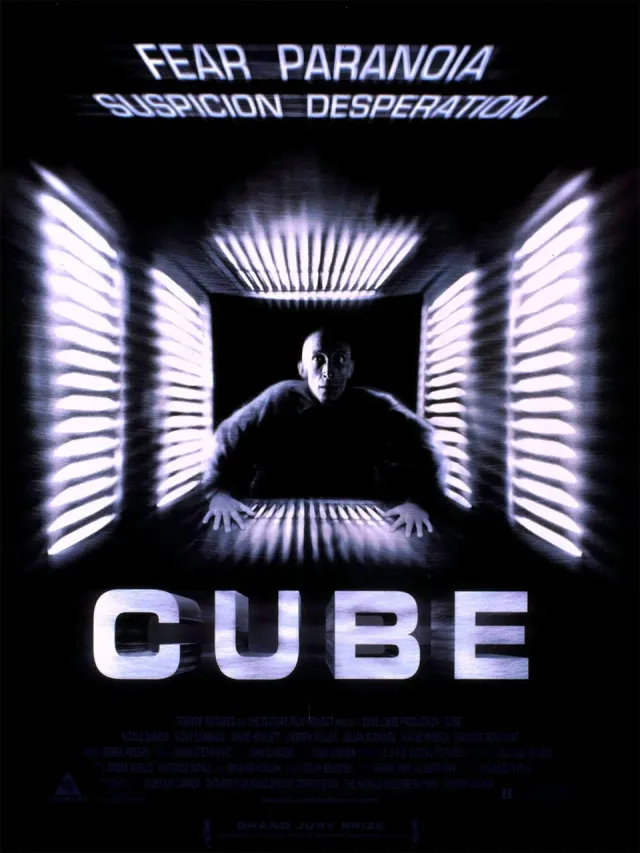
A group of strangers wake inside an enormous grid of numbered rooms, some trapped with lethal mechanisms and others only apparently safe. Their partial skills make cooperation necessary, but the policeman's appetite for command grows as the group struggles to identify a usable pattern. Worth's limited role in the structure does not reveal who created the labyrinth or why; his explanation remains incomplete. Kazan contributes in ways that exceed being a mathematical instrument. Survival depends as much on the group managing fear and authority as on solving spatial clues.
Based on recorded story, mood and style. Your preferences can change the order.
First contact · Survival
What changes The Darkest Hour: survival progression, ambush-driven action and episodic escape attempts. Apollo 18: documentary-style setup, slow discovery and sudden alien horror.
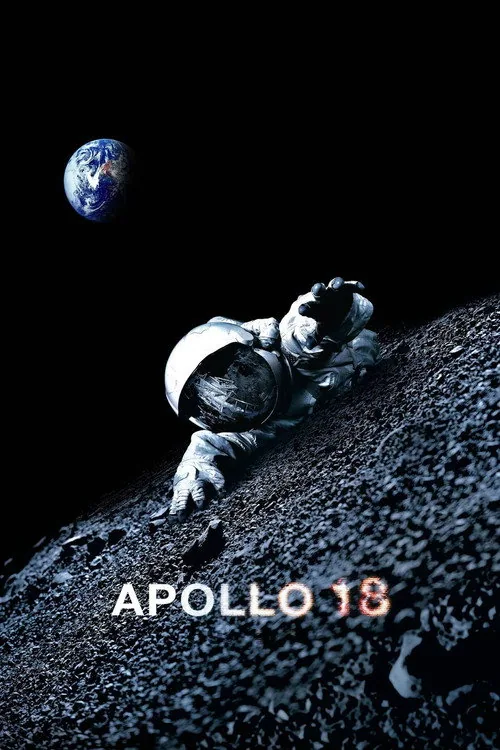
A covert Apollo mission sends three astronauts to the Moon after the official program has ended, with the stated goal of installing an early-warning detector. Recorded footage shows the crew discovering an abandoned Soviet lander and signs that something else is moving across the lunar surface. As strange events disrupt their equipment and communication, the mission becomes an effort to escape a place where the threat is close, unseen, and difficult to explain. The film uses a found-footage style to recast lunar exploration as horror.
Based on recorded story, mood and style. Your preferences can change the order.
Survival
What changes The Darkest Hour: survival progression, ambush-driven action and episodic escape attempts. The Happening: sudden crisis and dispersed pursuit.
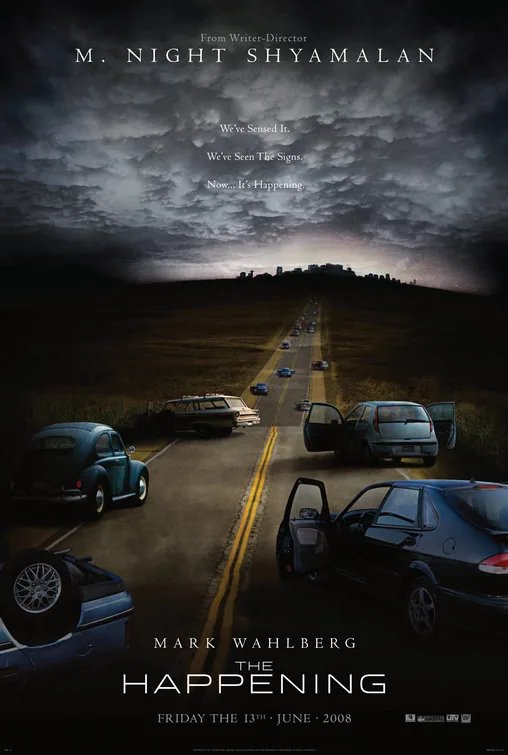
A wave of unexplained mass deaths begins in New York and spreads across the northeastern United States. Science teacher Elliot Moore escapes the city with his wife Alma, a colleague’s young daughter and strangers who are all trying to understand the threat. The group’s attempts to find safe shelter are undermined by an invisible force that appears to respond to human presence and movement. M. Night Shyamalan turns ecological catastrophe into an uncertain survival thriller, with the characters’ guesses about the cause remaining part of the tension rather than a firm scientific explanation.
Based on recorded story, mood and style. Your preferences can change the order.
First contact · Survival
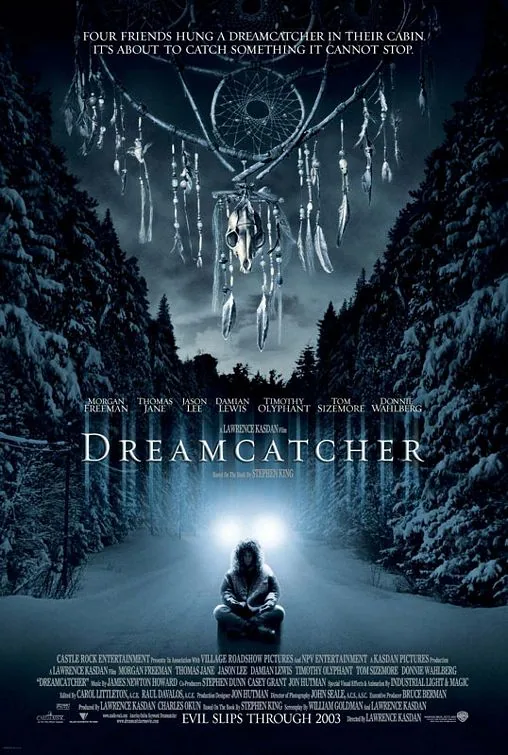
What changes The Darkest Hour: survival progression, ambush-driven action and episodic escape attempts. Dreamcatcher: escalating and ensemble.
Four longtime friends gather for their annual trip to a remote cabin, where an encounter with a stranger brings an alien infection and military quarantine into their lives. Their childhood bond and unusual shared memories become important as the crisis spreads through the surrounding woods. The adaptation blends friendship drama, body horror and science-fiction invasion, shifting between private loyalties and the authorities’ attempt to contain a threat they do not fully understand.
Based on recorded story, mood and style. Your preferences can change the order.
First contact · Survival
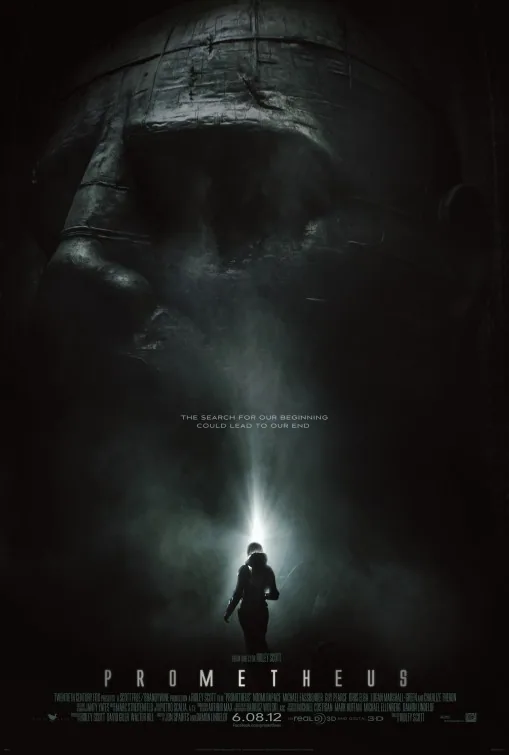
What changes The Darkest Hour: survival progression, ambush-driven action and episodic escape attempts. Prometheus: slow burn.
Archaeological patterns persuade researchers that distant beings may have created humanity, and a corporate expedition follows the apparent invitation to another world. Inside an abandoned structure, evidence of catastrophe undermines their confidence that discovery will offer benevolent answers. Private orders, an android's experiments and a patron's fear of death fracture the group as the search for origins becomes a struggle with biological forces they do not understand.
Based on recorded story, mood and style. Your preferences can change the order.
Survival · Escape and pursuit
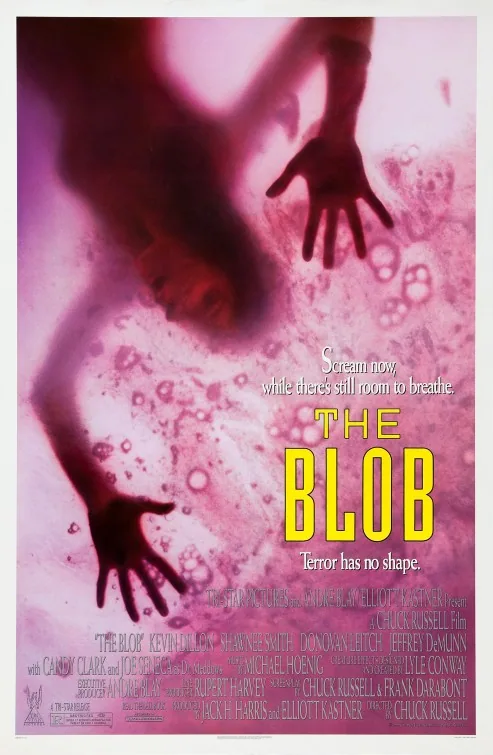
What changes The Darkest Hour: survival progression, ambush-driven action and episodic escape attempts. The Blob: escalating and relentless.
A mysterious organism arrives in a small California town and begins consuming people, growing larger as it absorbs them. Teenagers Brian and Meg witness the danger before most adults believe them, while a covert military effort tries to contain both the creature and knowledge of its origin; their attempt to warn the town becomes a race against an enemy that can seep through ordinary spaces and make familiar buildings unsafe.
Based on recorded story, mood and style. Your preferences can change the order.
Survival · Escape and pursuit
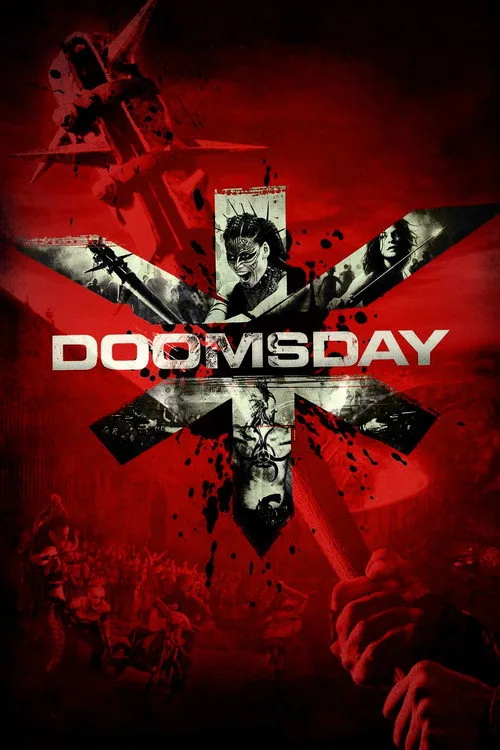
What changes The Darkest Hour: survival progression, ambush-driven action and episodic escape attempts. Doomsday: fast, action-set-piece driven and escalating.
A deadly virus once forced the British government to seal Scotland behind a wall. Decades later, when the infection appears in London, Major Eden Sinclair leads a team across the quarantine line to search for survivors and a possible cure. The expedition encounters communities that have developed radically different ways of life, from violent marauders to a feudal order built around a castle. Neil Marshall’s science-fiction action film collides post-apocalyptic survival, medieval imagery, and political betrayal, following a hardened soldier who has personal reasons to return north.
Based on recorded story, mood and style. Your preferences can change the order.
Survival
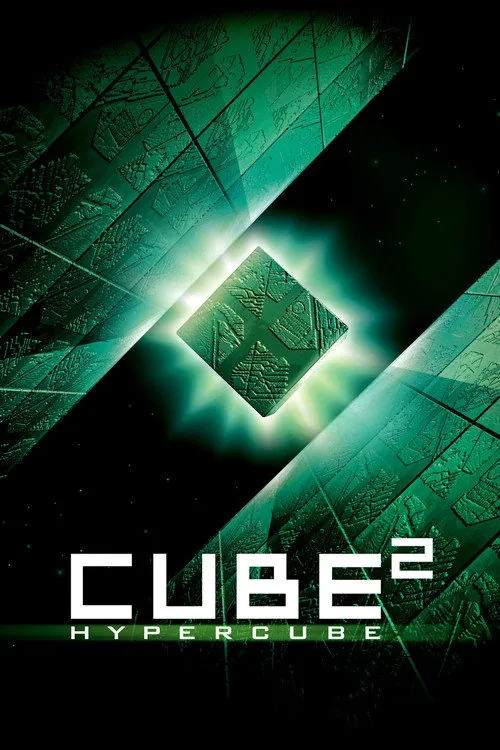
What changes The Darkest Hour: survival progression, ambush-driven action and episodic escape attempts. Cube 2: Hypercube: enigma-driven, trap-to-trap escalation and revelation near the climax.
Eight strangers wake in a sealed geometric structure and try to understand how they arrived there and which rooms are safe. The space behaves like a shifting multidimensional puzzle, with altered gravity, time distortions, and rooms that can become lethal. As the survivors compare what they know, conflicts emerge over identity and the purpose of the structure. Andrzej Sekuła’s science-fiction horror sequel expands the original Cube’s mathematical trap into a more unstable and surreal environment.
Based on recorded story, mood and style. Your preferences can change the order.
First contact · Survival
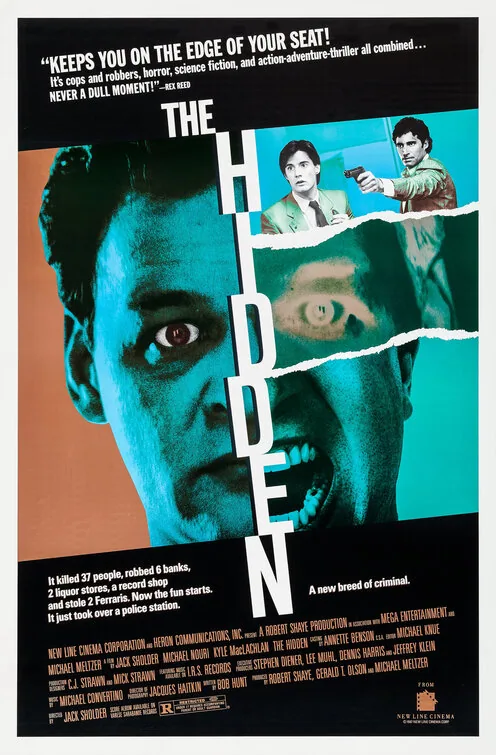
What changes The Darkest Hour: survival progression, ambush-driven action and episodic escape attempts. The Hidden: case-of-the-week pursuit, evolving partner trust, escalating violence and action climax.
A seemingly ordinary man commits a violent bank robbery and leads Los Angeles police on a destructive chase. When he is badly injured, FBI agent Lloyd Gallagher arrives and insists the case is not what it appears to be. The suspect soon dies, but a strange parasite leaves his body and enters another host, carrying the same appetite for crime and excess. Detective Thomas Beck must work with Gallagher as the creature moves through new identities and the investigation confronts behavior that seems impossible to explain. The film builds a science-fiction thriller from a body-hopping alien predator, pairing a skeptical local detective with an agent who knows more than he can initially reveal.
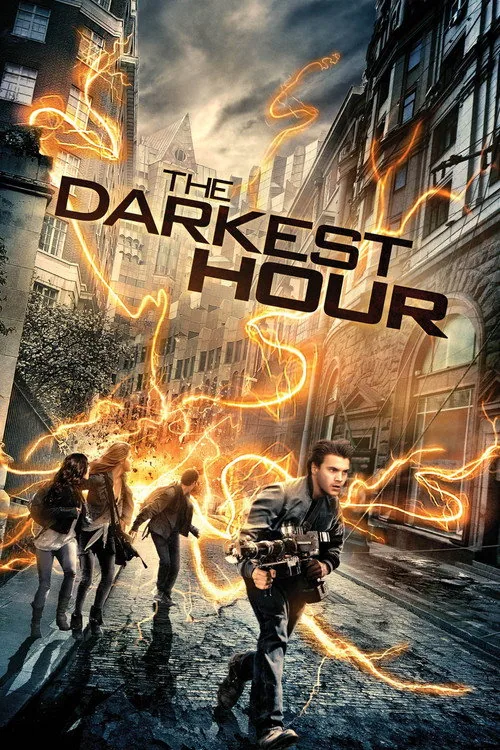
Two young American entrepreneurs arrive in Moscow to pitch a software business and discover their partner has already sold their idea. As they and other travelers gather in a nightclub, mysterious lights descend and invisible extraterrestrial attackers begin killing people across the city. The survivors must learn how to detect the threat, find supplies, and reach a way out while Moscow's infrastructure collapses. The science-fiction thriller turns a crowded capital into a hostile maze, with a small group adapting under pressure rather than leading a military counterattack.
What drives the story
After the attack empties Moscow, the survivors test ways to move safely while searching for shelter and a route beyond the city.
The people at its centre
The group begins as strangers with different priorities, but practical survival gradually demands shared knowledge and trust.
What it feels like
The citywide blackout and nearly unseen attackers create a sparse invasion thriller built around ambush, hiding, and movement.
Worth knowing
Its alien invasion is viewed through a small civilian group, not a military campaign or a detailed political contact drama.
survival through cooperationinvasion and vulnerabilitytechnology and perception