Explore films connected to Europa Report through Scientific ambition and risk, Collective responsibility, Limits of exploration. Choose the qualities you want to carry into your next watch.
What should feel similar?
Find your next favourite
9 films · Closest overall matches
Hide films you’ve seen or don’t want. Saved on this device.
No matches for this combination yet.
Try another option or reset your choices to see more films.
Based on recorded story, mood and style. Your preferences can change the order.
Space exploration · Survival
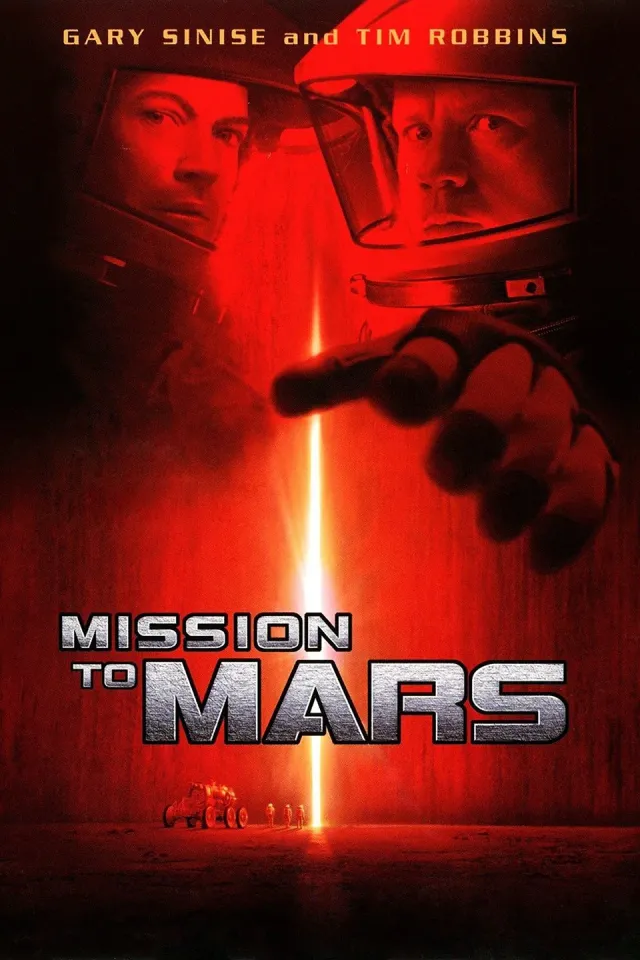
What changes Europa Report: slow-burn suspense, procedural progression and growing isolation. Mission to Mars: measured and escalating.
A crewed expedition reaches Mars after a preceding mission fails, then encounters evidence that complicates the crew’s understanding of the planet and humanity’s place in space. The astronauts must weigh scientific discovery against the immediate need to survive and communicate with Earth. The film turns exploration into a reflective, sometimes perilous team story.
Based on recorded story, mood and style. Your preferences can change the order.
Space exploration · First contact
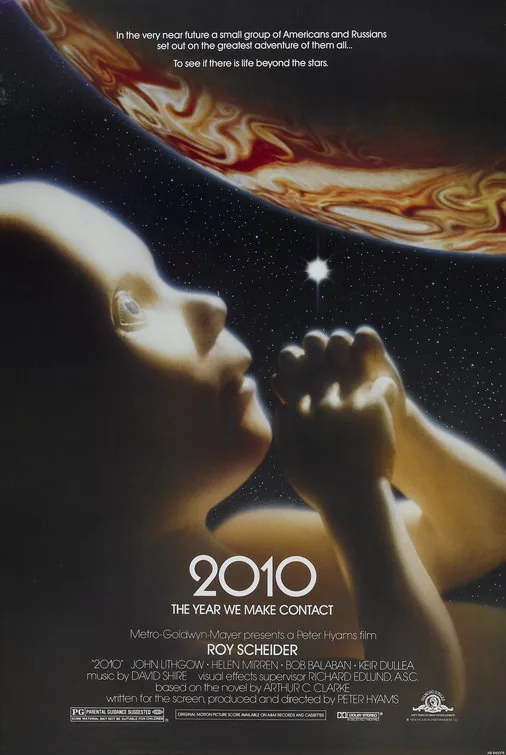
What changes Europa Report: slow-burn suspense, procedural progression and growing isolation. 2010: The Year We Make Contact: measured and procedural.
Years after the Discovery mission ended in disaster, scientist Heywood Floyd travels to a joint American-Soviet expedition near Jupiter to investigate a mysterious spacecraft and the events surrounding HAL's failure. The international crew must coordinate a high-risk journey as political tension on Earth threatens cooperation, while signals from the distant monolith suggest that the mission may involve questions larger than the fate of the astronauts.
Based on recorded story, mood and style. Your preferences can change the order.
Space exploration · Survival
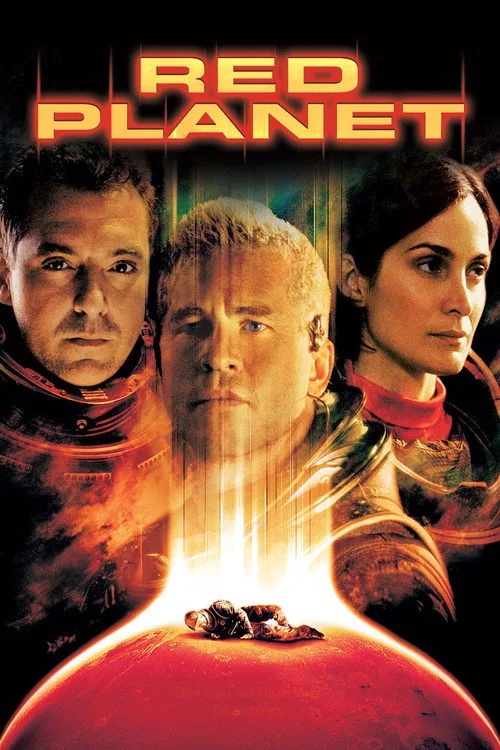
What changes Europa Report: slow-burn suspense, procedural progression and growing isolation. Red Planet: mission setup, surface survival sequence and science-fiction action climax.
In 2057, a crew travels to Mars after decades of terraforming efforts fail to produce enough oxygen for Earth's future. Their mission is to investigate the process and preserve the colony's prospects, but a malfunction leaves the astronauts scattered across the hostile surface with limited supplies. A military robot and a damaged navigation system intensify the danger as the crew tries to reunite. The film combines space survival with questions about human dependence on technology and the unknown Martian environment.
Based on recorded story, mood and style. Your preferences can change the order.
Space exploration · Survival
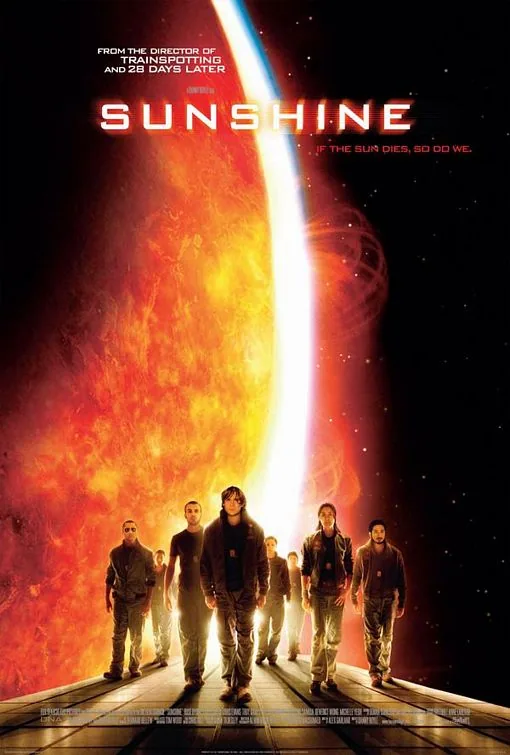
What changes Europa Report: slow-burn suspense, procedural progression and growing isolation. Sunshine: slow burn and intense.
A small crew travels towards the dying Sun carrying a device intended to restore its power and save Earth. A signal from an earlier failed expedition presents a possible advantage and a dangerous diversion. As equipment, judgement and personal stability deteriorate, the mission's collective purpose is tested by the costs of sacrificing individuals and by an increasingly overwhelming encounter with the force they have come to alter.
Based on recorded story, mood and style. Your preferences can change the order.
Space exploration · Survival
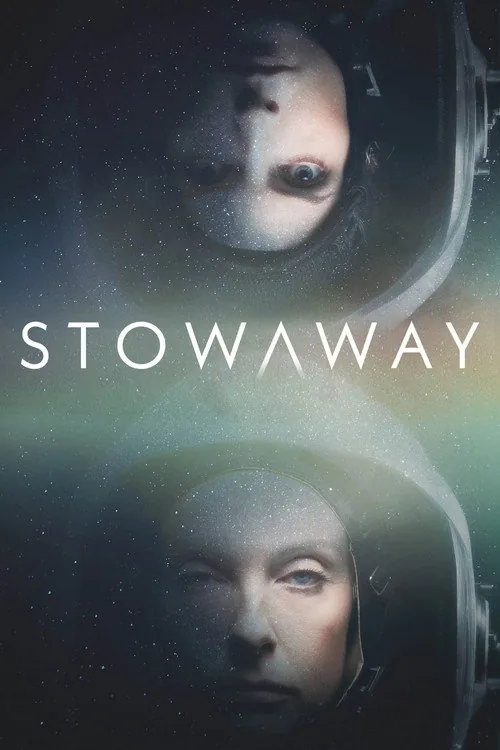
What changes Europa Report: slow-burn suspense, procedural progression and growing isolation. Stowaway: discovery and diagnosis, deliberative ethical conflict and high-risk spacewalk.
A three-person crew departs Earth for a two-year mission to Mars, but discovers an injured launch technician concealed aboard their spacecraft. The extra passenger creates an oxygen shortage that the ship cannot solve with its supplies, turning an ambitious mission into a moral crisis. Commander Marina Barnett, biologist David Kim, and medical researcher Zoe Levenson disagree over how to protect the crew and the stowaway. The contained science-fiction drama examines shared responsibility and sacrifice within the precise limits of a small spacecraft.
Based on recorded story, mood and style. Your preferences can change the order.
Space exploration · Survival
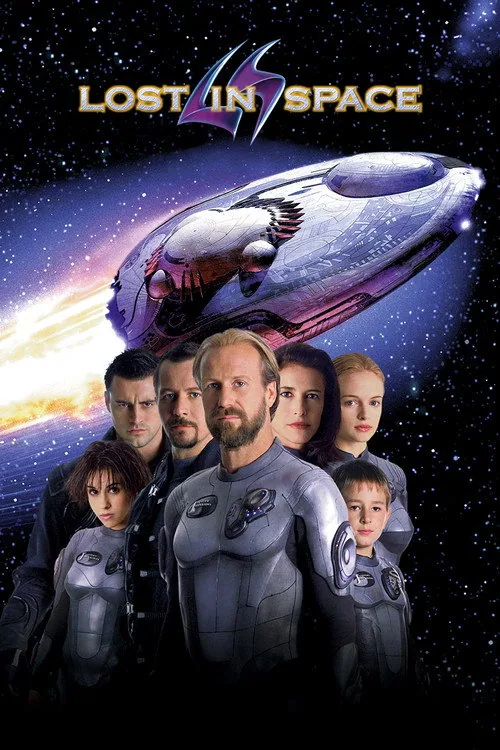
What changes Europa Report: slow-burn suspense, procedural progression and growing isolation. Lost in Space: fast adventure, set-piece driven and escalating space peril.
With Earth facing an environmental crisis, the Robinson family boards the Jupiter II on a mission to prepare a habitable planet for colonization. Sabotage sends their spacecraft off course, leaving them to navigate an unfamiliar region of space while keeping a hostile passenger, Dr. Smith, and a damaged ship under control. Stephen Hopkins’s science-fiction adventure adapts the 1960s television series as a family story about survival, time, and conflict among generations.
Based on recorded story, mood and style. Your preferences can change the order.
Space exploration
What changes Europa Report: slow-burn suspense, procedural progression and growing isolation. 2001: A Space Odyssey: meditative.
A mysterious object connects stages of human development separated by vast spans of time. During a later voyage towards Jupiter, two astronauts oversee a spacecraft whose intelligent computer begins behaving in ways they cannot safely interpret. The journey moves beyond a practical struggle for survival into an encounter that leaves ordinary categories of time, space and human understanding unsettled.
Based on recorded story, mood and style. Your preferences can change the order.
First contact
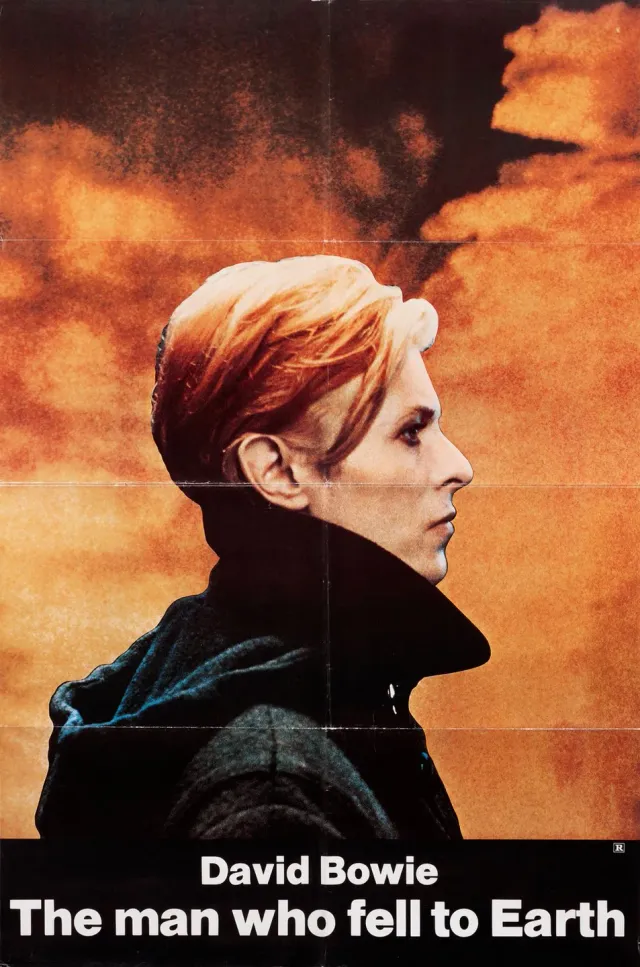
What changes Europa Report: slow-burn suspense, procedural progression and growing isolation. The Man Who Fell to Earth: slow, fragmented and dreamlike.
An alien named Thomas Jerome Newton arrives in New Mexico seeking water for his drought-stricken home world. Using advanced knowledge, he patents new inventions and builds a corporation to fund a return vessel. His relationship with lonely hotel worker Mary-Lou introduces him to Earthly pleasures, while fuel technician Nathan Bryce grows suspicious of his identity. As wealth, isolation and alcohol reshape Newton's purpose, the film turns a visitor's mission into a strange portrait of celebrity and alienation.
Based on recorded story, mood and style. Your preferences can change the order.
Space exploration · Survival
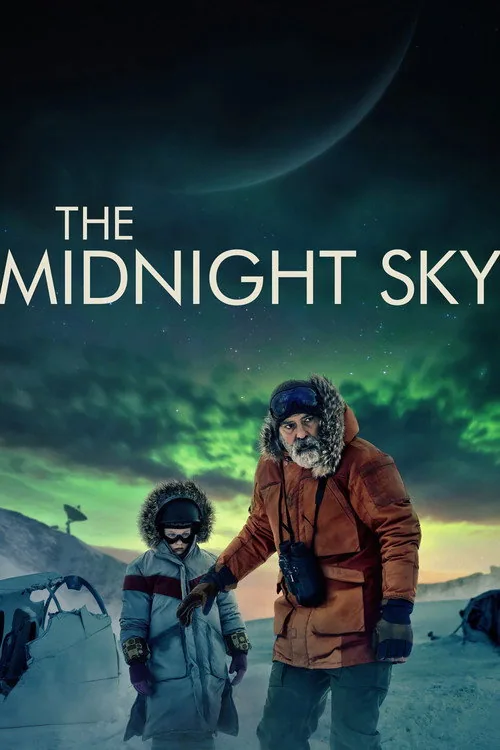
What changes Europa Report: slow-burn suspense, procedural progression and growing isolation. The Midnight Sky: alternating, measured and survival-focused.
After catastrophe leaves Earth nearly uninhabitable, aging scientist Augustine Lofthouse remains at an Arctic research station. He discovers that spacecraft Aether is returning from a mission to Jupiter’s moon K-23 and tries to warn its crew not to come home. A young girl named Iris is hiding at the base, and Augustine must take her across the frozen landscape to reach a stronger antenna. George Clooney’s drama connects an isolated survival journey with the crew’s difficult choices in space.
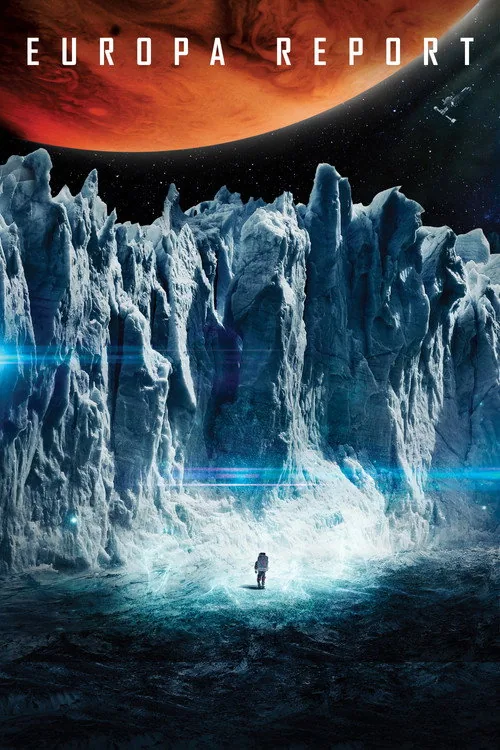
Six astronauts undertake the first crewed mission to Europa, one of Jupiter’s moons, after probes suggest that liquid water and possible life may exist below its icy surface. As the expedition struggles with damage, communication failures, and unexpected discoveries, the story is reconstructed through onboard recordings and later interviews. Sebastián Cordero’s science-fiction film uses a documentary-like found-footage structure to examine teamwork, scientific ambition, and the danger of exploration far from Earth.
What drives the story
The crew’s search for life becomes a struggle to understand a discovery while keeping the mission and one another safe.
The people at its centre
The international team relies on specialized knowledge and shared protocols as isolation tests trust and professional judgment.
What it feels like
Recorded footage and retrospective interviews give the film a measured, investigative tone with contained bursts of danger.
Worth knowing
Its found-footage style supports a science-led space mission story rather than a conventional action-heavy alien encounter.
Scientific ambition and riskCollective responsibilityLimits of exploration