Both share themes of imagination and nature, plus a wondrous and playful atmosphere.
Why this matches +
Genres: Animation / Music
Shared film traits
Based on recorded story, mood and style. Your preferences can change the order.
Both directed by James Algar.
Music and performance
Expect wondrous and playful, with episodic pacing.
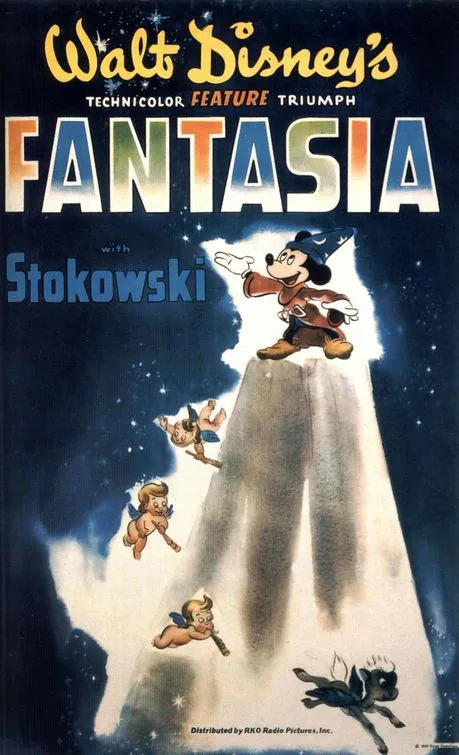
Fantasia arranges animated interpretations of classical compositions as a concert program rather than a single continuous story. Abstract shapes, seasonal dances, a sorcerer’s apprentice, prehistoric creatures and animal ballet give way to darker images of death and a dawn procession. The segments differ in tone and in how directly they animate a recognizable narrative, so their changes in scale and feeling matter more than an invented anthology-wide character arc. The Pastoral Symphony’s racist Sunflower caricature was removed from later releases, making edition history essential when discussing the film’s representation.
Both share themes of nature, plus a wondrous and playful atmosphere.
Why this matches +
Genres: Animation / Musical
Shared film traits
Based on recorded story, mood and style. Your preferences can change the order.
Music and performance
Expect playful and warm, with episodic and variable pacing.
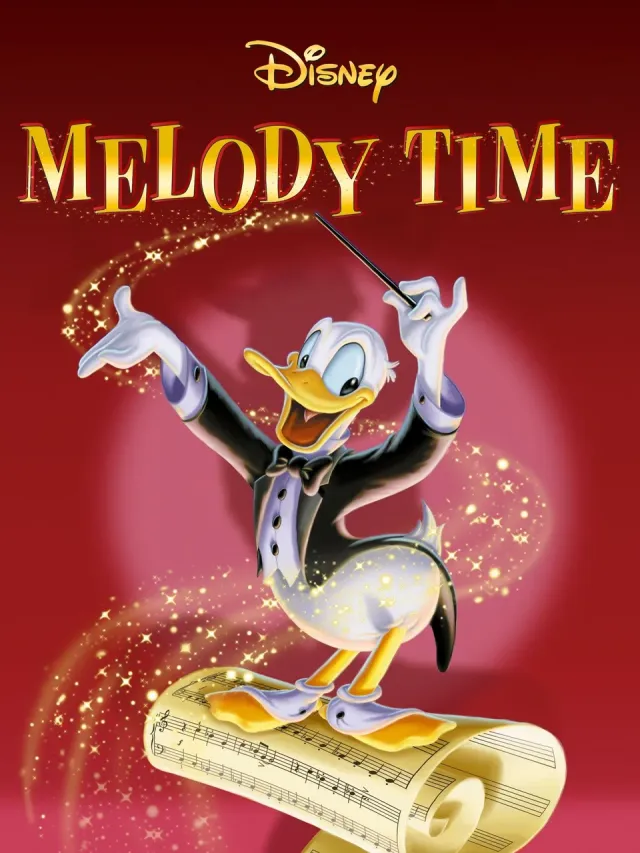
This 1948 Disney package feature contains seven musical segments with different characters, animation styles and sources: a seasonal courtship, a piano performance, Johnny Appleseed’s folk legend, Little Toot’s coming-of-age story, a poem set to music, a samba interlude and Pecos Bill’s tall tale. There is no single protagonist or shared plot; each short begins a new relationship between sound and image. Some later television and home-video editions alter the lineup, so the version matters when describing what a viewer will see. The shifts between abstract music, folklore and comic adventure are the film’s core experience, not interruptions on the way to one climax. Its family-oriented format spans playful material and older-story elements that may need context for contemporary audiences.
Based on recorded story, mood and style. Your preferences can change the order.
Music and performance
Expect playful and bittersweet, with episodic pacing.
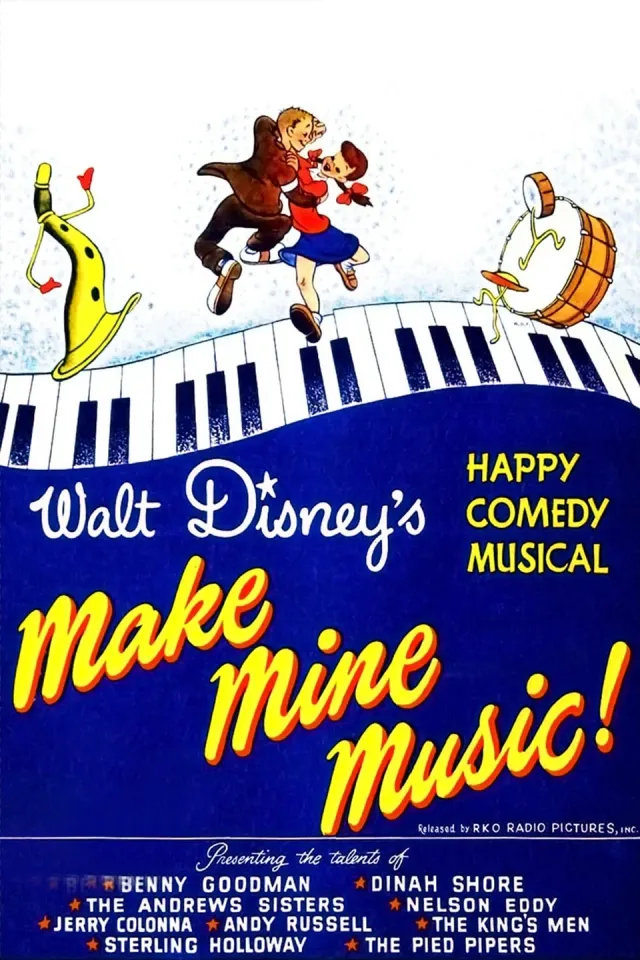
Disney’s 1946 package film presents ten original musical segments, ranging from popular-song performance and abstract animation to comedy, folk legend and dramatic storytelling. The pieces include a romance between two hats, a baseball poem, a forest hunt, a musical retelling of Peter and the Wolf and the tragedy of Willie the singing whale. No protagonist carries the film from start to finish; shifts in performers, visual technique and tone are the anthology’s main structure. Some later releases omit segments, including the gun-filled Martin and Lewis sequence, so a viewer’s version can change the film’s scope and content. Its family branding and musical variety do not promise a uniformly gentle experience, especially in the whale story’s fatal misunderstanding.
Based on recorded story, mood and style. Your preferences can change the order.
Music and performance
What changes Fantasia 2000: episodic. Coco: fast.
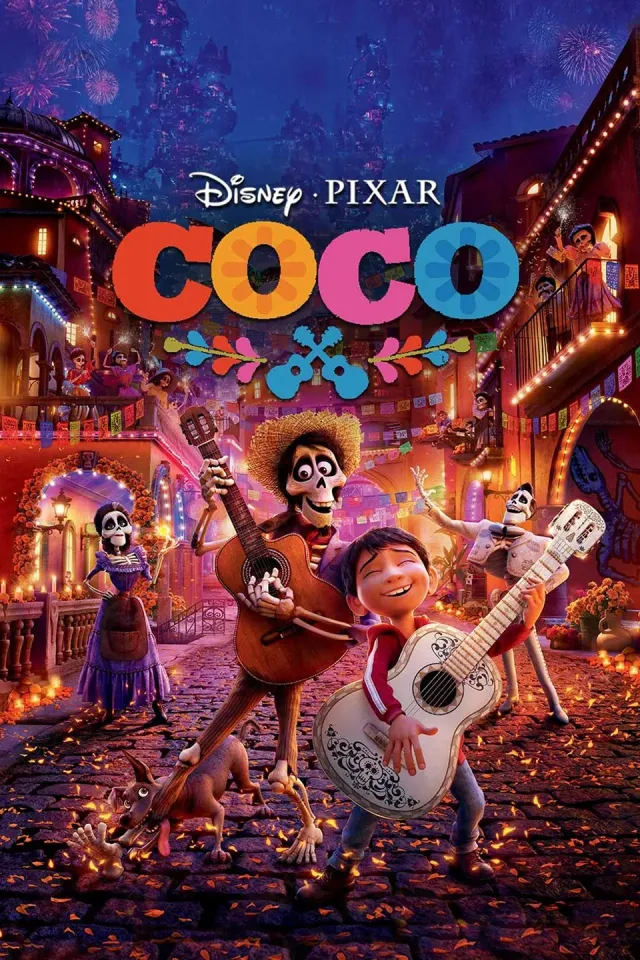
A boy whose family has prohibited music secretly hopes to become a performer and interprets a celebrated ancestor as proof that his ambition belongs somewhere. An extraordinary passage into the world of the dead lets him pursue that story through people whose memories and recognition sustain their continued existence. Finding a route home becomes inseparable from revising the family account he has inherited and deciding whether artistic aspiration requires abandoning the people who care for him.
Based on recorded story, mood and style. Your preferences can change the order.
What changes Fantasia 2000: episodic. Piece by Piece: a career-spanning recollection moves through linked musical milestones.
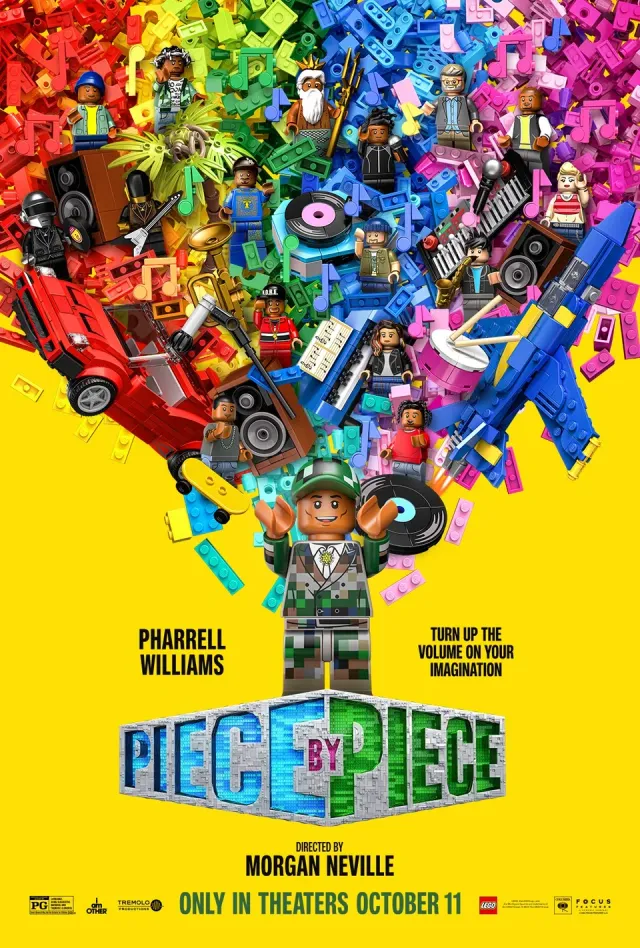
Pharrell Williams recounts his life and creative development through animated Lego imagery, from childhood in Virginia Beach to musical collaborations and global success. Interview material and performance history are translated into a playful visual language that makes music feel like construction: sounds, influences, and partnerships become pieces assembled into new forms. The documentary’s unusual format connects personal memory with an accessible account of artistic process.
Based on recorded story, mood and style. Your preferences can change the order.
Music and performance
What changes Fantasia 2000: episodic. Madagascar 3: Europe's Most Wanted: fast.
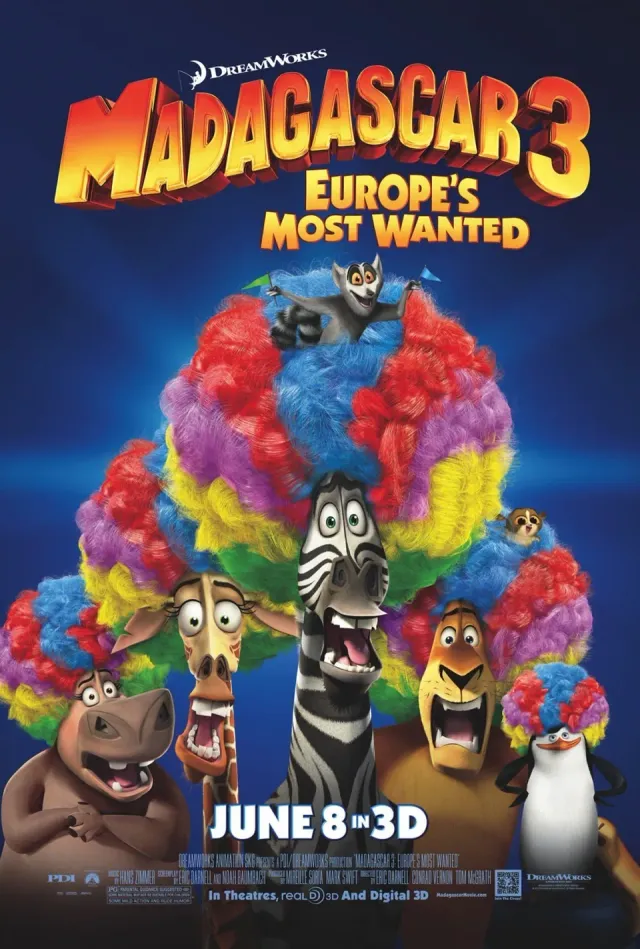
Animals hoping to return to their old zoo take refuge in a failing traveling circus while a relentless official pursues them. Claiming to be performers offers immediate safety but creates obligations to a troupe whose confidence has been damaged. Inventing a new act makes belonging feel possible before the deception is exposed and the original destination finally becomes reachable. The animated sequel turns the desire to go home into a test of whether familiarity still contains the kind of life the group has learned to want.
Based on recorded story, mood and style. Your preferences can change the order.
What changes Fantasia 2000 is tagged wondrous and playful; Festive Fun with Peppa Cinema Experience is tagged gentle and cheerful.
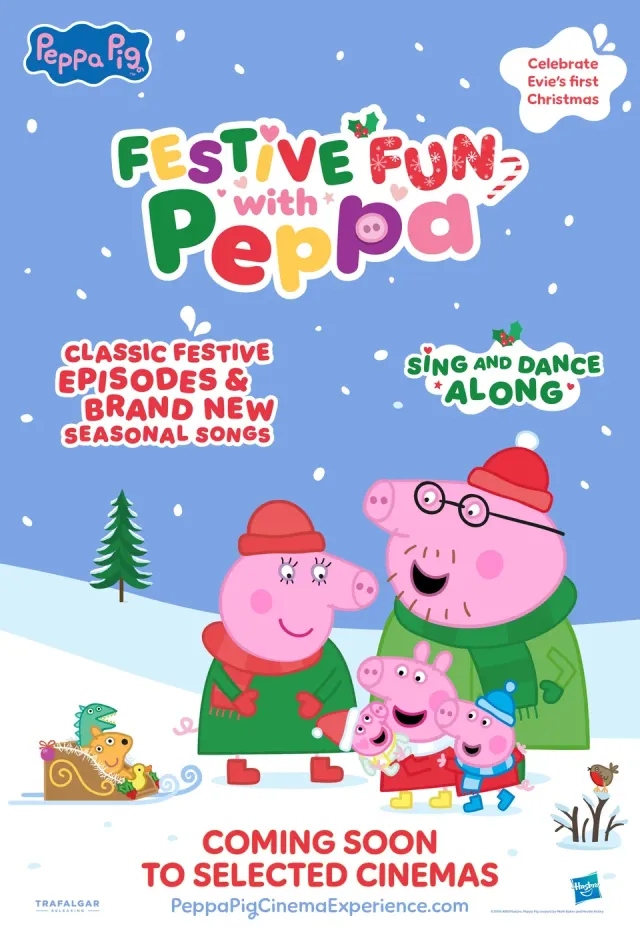
Peppa and her family prepare to celebrate baby Evie's first Christmas. This hour-long cinema program gathers seven festive television episodes alongside new connecting material and four songs. Snowy outings, holiday performances and decorating the tree provide familiar seasonal situations for young children, with an emphasis on shared family memories rather than a single feature-length adventure with a continuous plot.
Based on recorded story, mood and style. Your preferences can change the order.
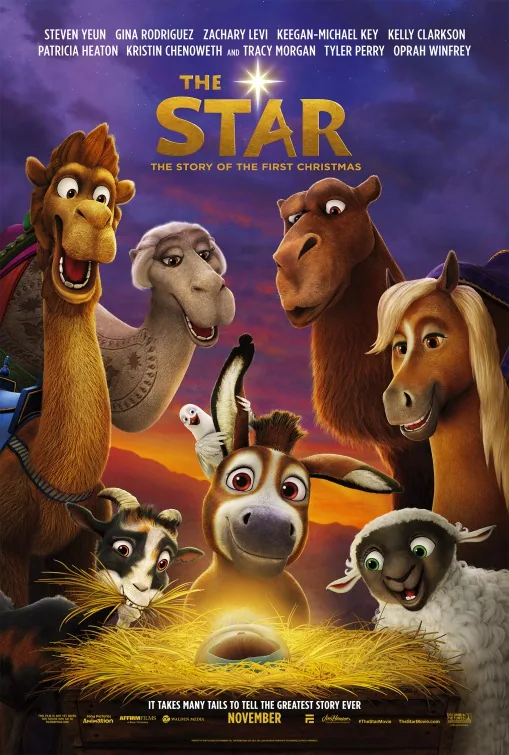
What changes Fantasia 2000: episodic. The Star: travel episodes move toward a shared arrival.
A small donkey escapes his familiar routine and joins other animals on a journey that becomes connected to the Nativity story. Along the way, the group faces danger, learns cooperation and discovers that their ordinary roles can matter in a much larger event. The animated family comedy retells a religious story from an animal-centered perspective, using adventure and humor to make its themes accessible.
Both share themes of imagination, plus a playful atmosphere.
Why this matches +
Genres: Animation / Adventure
Shared film traits
Based on recorded story, mood and style. Your preferences can change the order.
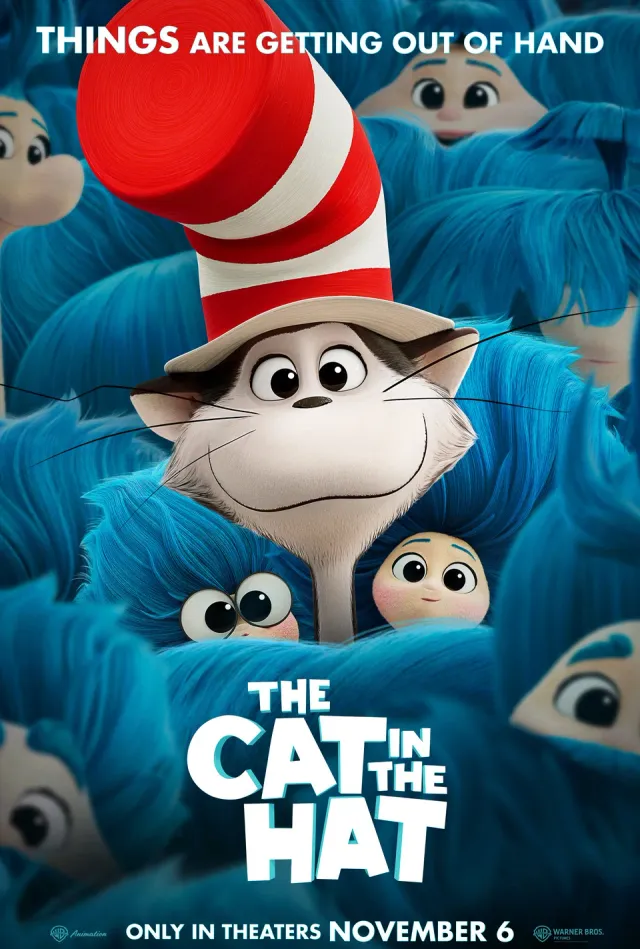
What changes Fantasia 2000: episodic. The Cat in the Hat: brisk.
Gabby and Sebastian are struggling to settle into a new town when an unpredictable visitor arrives with a mission to cheer them up. The Cat works for an organization devoted to imagination, but his tendency to overdo everything puts his magical hat at risk. This animated adventure turns the siblings’ adjustment into an extravagant journey through unfamiliar places and chaotic possibilities.
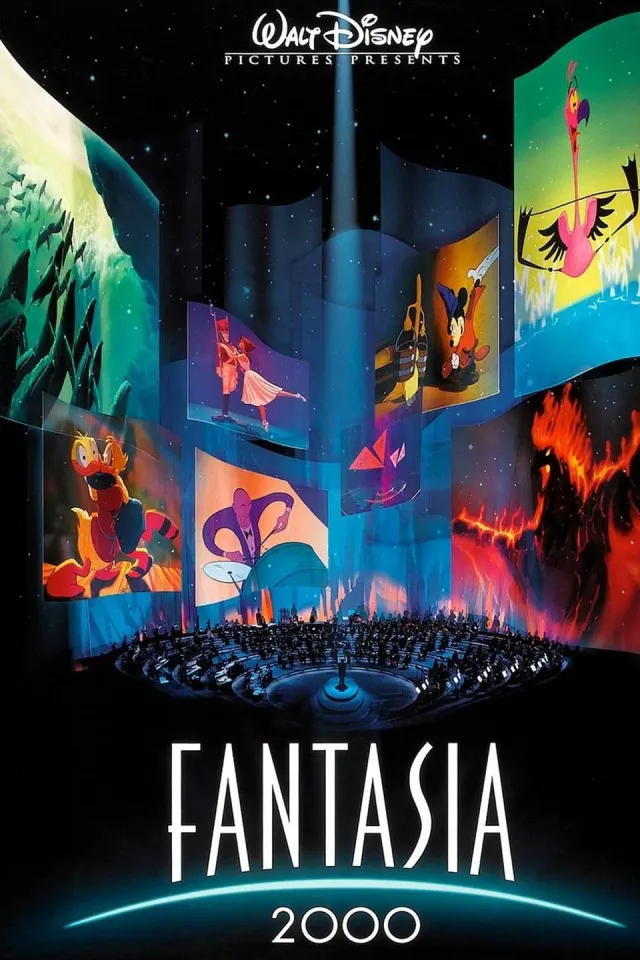
This concert anthology pairs classical music with eight animated sequences, including a new Sorcerer’s Apprentice alongside stories of flying whales, a city, a toy soldier, an unruly flamingo and a forest renewed after fire. Short celebrity introductions frame the pieces, but neither those performances nor Mickey’s return turn them into one continuing plot. The feature’s coherence comes from music, tonal contrast and changing animation techniques. Its first public premiere took place at the end of 1999, while its broader theatrical release followed in 2000; the distinct dates explain the title’s year without making it a narrative sequel about one character.
What drives the story
A sequence of distinct musical interpretations creates continuity through rhythm and contrast, with the retained Apprentice functioning as a deliberate bridge to the earlier concert film. The returning Apprentice is a bridge to the original, not a frame for every new piece.
The people at its centre
Individual pieces explore wishes, separation, comic frustration or ecological renewal, but no character has authority over the meaning of the anthology as a whole. Introductions reset attention between pieces instead of developing a single ensemble.
What it feels like
Traditional drawing and computer animation move from abstract conflict to caricature and large-scale transformation, making shifts in visual technique part of the program’s appeal. Digital and hand-drawn methods coexist across segments with deliberately different visual rhythms.
Worth knowing
Compare animated concert anthologies and changing music-image relationships; distinguish the 1999 premiere from the 2000 wide release and avoid inventing an anthology-wide character arc. Its title records a broad 2000 release after a separate 1999 premiere.