Based on recorded story, mood and style. Your preferences can change the order.
Music and performance
Expect wondrous and playful, with episodic pacing.
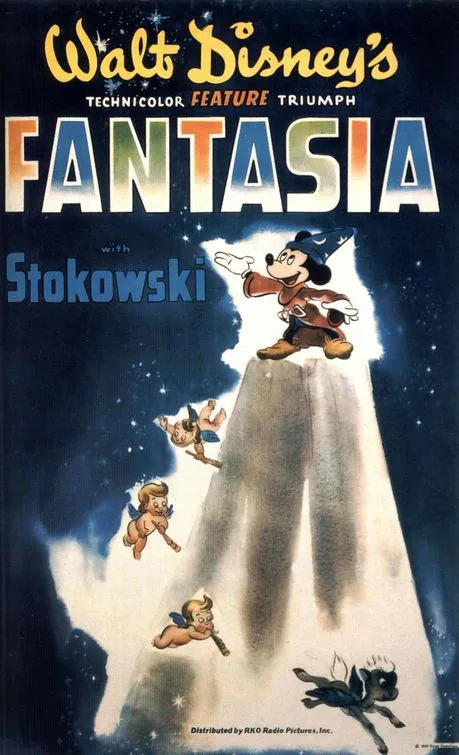
Fantasia arranges animated interpretations of classical compositions as a concert program rather than a single continuous story. Abstract shapes, seasonal dances, a sorcerer’s apprentice, prehistoric creatures and animal ballet give way to darker images of death and a dawn procession. The segments differ in tone and in how directly they animate a recognizable narrative, so their changes in scale and feeling matter more than an invented anthology-wide character arc. The Pastoral Symphony’s racist Sunflower caricature was removed from later releases, making edition history essential when discussing the film’s representation.
Based on recorded story, mood and style. Your preferences can change the order.
Music and performance
Expect playful and warm, with episodic and variable pacing.
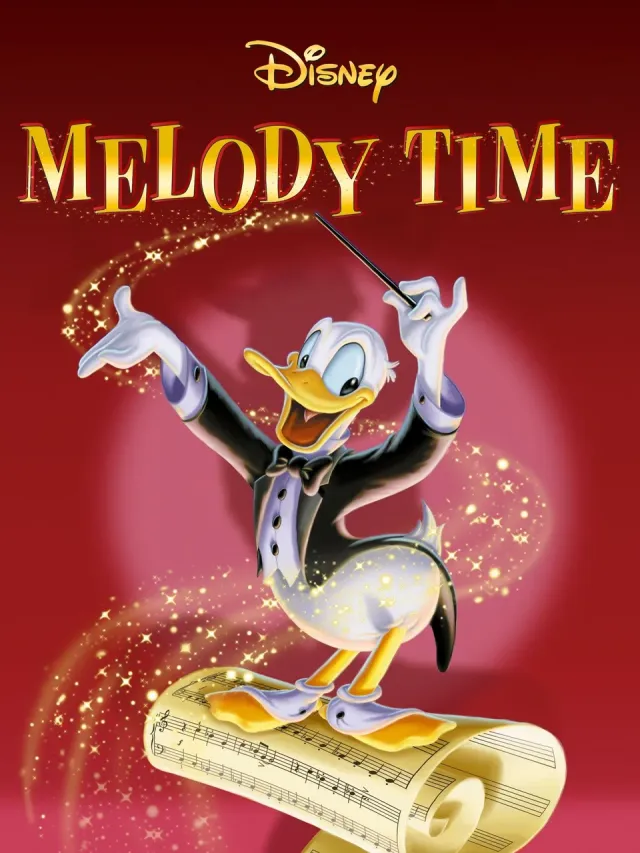
This 1948 Disney package feature contains seven musical segments with different characters, animation styles and sources: a seasonal courtship, a piano performance, Johnny Appleseed’s folk legend, Little Toot’s coming-of-age story, a poem set to music, a samba interlude and Pecos Bill’s tall tale. There is no single protagonist or shared plot; each short begins a new relationship between sound and image. Some later television and home-video editions alter the lineup, so the version matters when describing what a viewer will see. The shifts between abstract music, folklore and comic adventure are the film’s core experience, not interruptions on the way to one climax. Its family-oriented format spans playful material and older-story elements that may need context for contemporary audiences.
Based on recorded story, mood and style. Your preferences can change the order.
Music and performance
Expect wondrous and playful, with episodic pacing.
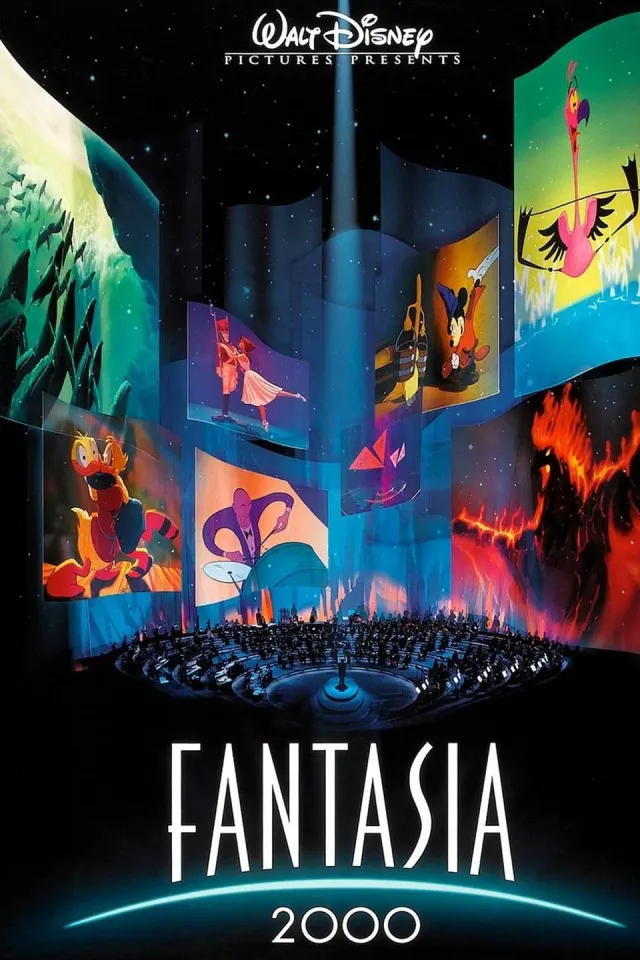
This concert anthology pairs classical music with eight animated sequences, including a new Sorcerer’s Apprentice alongside stories of flying whales, a city, a toy soldier, an unruly flamingo and a forest renewed after fire. Short celebrity introductions frame the pieces, but neither those performances nor Mickey’s return turn them into one continuing plot. The feature’s coherence comes from music, tonal contrast and changing animation techniques. Its first public premiere took place at the end of 1999, while its broader theatrical release followed in 2000; the distinct dates explain the title’s year without making it a narrative sequel about one character.
Based on recorded story, mood and style. Your preferences can change the order.
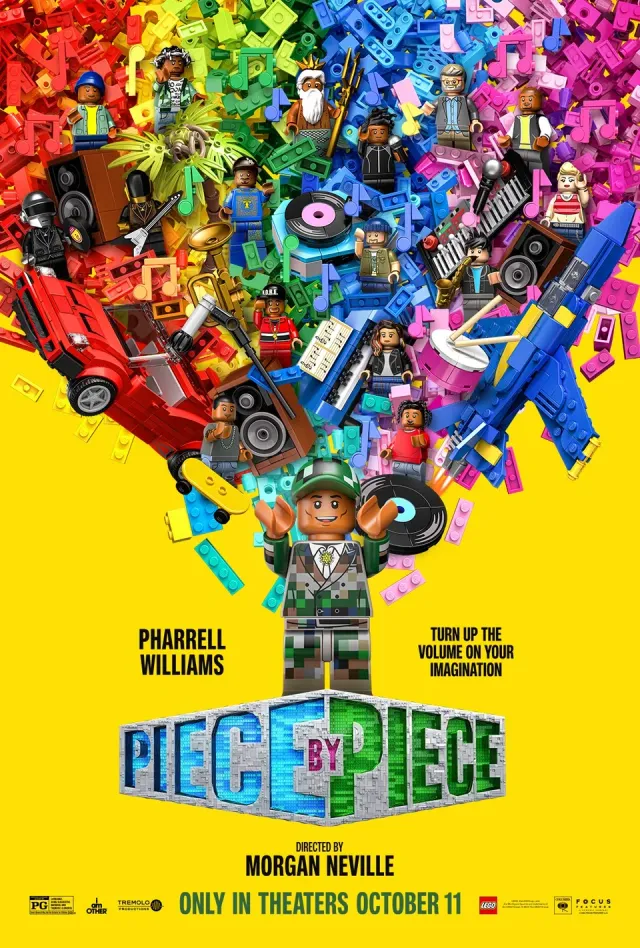
What changes Make Mine Music: episodic. Piece by Piece: a career-spanning recollection moves through linked musical milestones.
Pharrell Williams recounts his life and creative development through animated Lego imagery, from childhood in Virginia Beach to musical collaborations and global success. Interview material and performance history are translated into a playful visual language that makes music feel like construction: sounds, influences, and partnerships become pieces assembled into new forms. The documentary’s unusual format connects personal memory with an accessible account of artistic process.
Based on recorded story, mood and style. Your preferences can change the order.
Music and performance
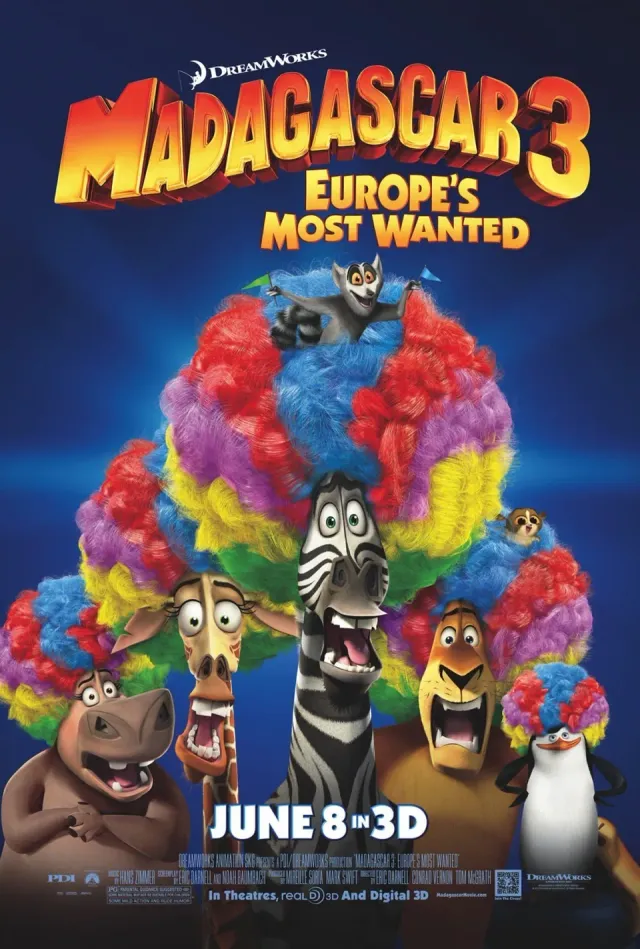
What changes Make Mine Music: episodic. Madagascar 3: Europe's Most Wanted: fast.
Animals hoping to return to their old zoo take refuge in a failing traveling circus while a relentless official pursues them. Claiming to be performers offers immediate safety but creates obligations to a troupe whose confidence has been damaged. Inventing a new act makes belonging feel possible before the deception is exposed and the original destination finally becomes reachable. The animated sequel turns the desire to go home into a test of whether familiarity still contains the kind of life the group has learned to want.
Both share themes of performance, plus a playful atmosphere.
Why this matches +
Genres: Animation / Comedy
Shared film traits
Based on recorded story, mood and style. Your preferences can change the order.
Music and performance
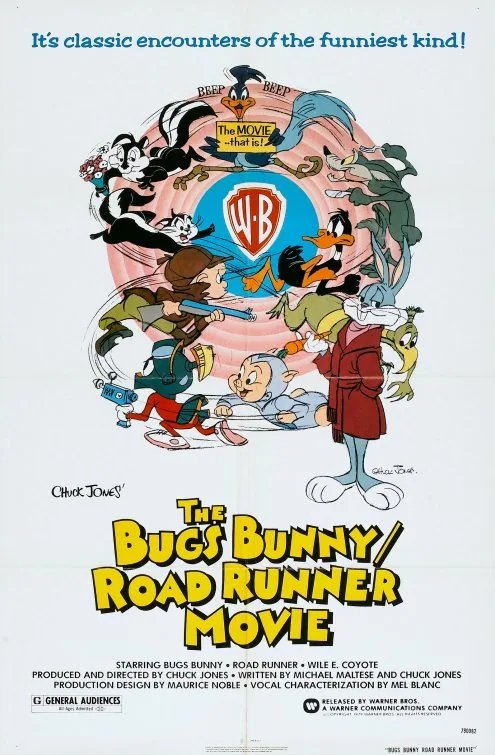
What changes Make Mine Music: episodic. The Bugs Bunny/Road Runner Movie: anthology-like, sketch-based, energetic and short-form rhythm.
Bugs Bunny welcomes viewers to his elaborate mansion and uses the rooms as a frame for a tour through the history of Looney Tunes chase comedy. Classic shorts and rivalries supply the main attractions, from Bugs’s encounters with familiar adversaries to the long-running pursuit between Wile E. Coyote and the Road Runner. The film moves between Bugs’s commentary and excerpts from earlier cartoons, turning a collection of animated shorts into a self-conscious retrospective. Its closing image returns to the endless chase as part of the cartoon universe’s continuing night sky.
Based on recorded story, mood and style. Your preferences can change the order.
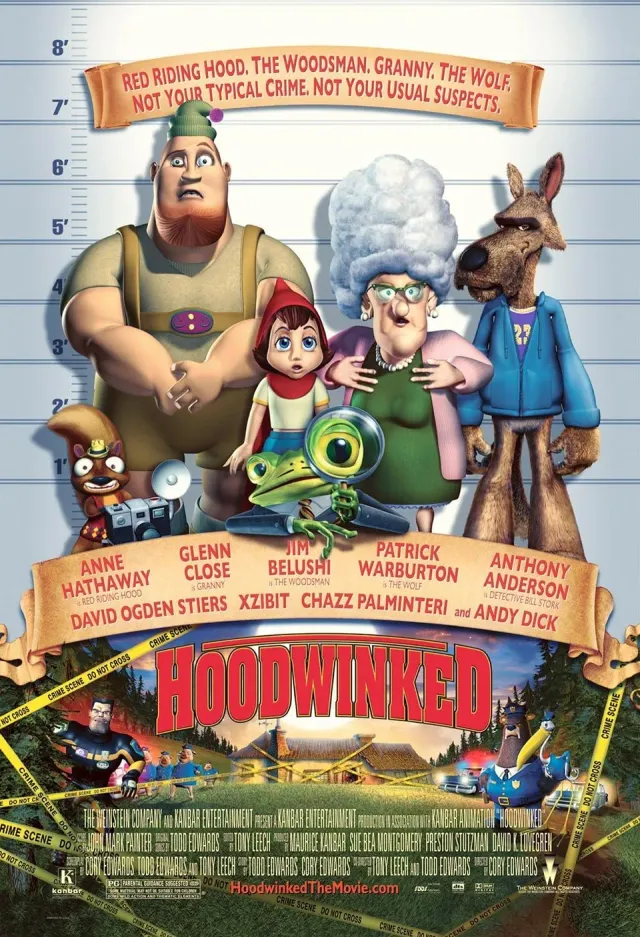
What changes Make Mine Music: episodic. Hoodwinked!: nonlinear and brisk.
An apparently familiar confrontation at a grandmother's house becomes a police inquiry in which each participant tells a different version of the day. Red, the wolf, the woodsman and Granny turn out to have occupations and motives that complicate the roles their appearances suggested. Repeated scenes reveal connections to a campaign against local businesses, allowing testimony to become a practical route toward an overlooked culprit. The animated comedy uses fairy-tale recognition as material for an ensemble puzzle about the danger of assuming one already knows the story.
Based on recorded story, mood and style. Your preferences can change the order.
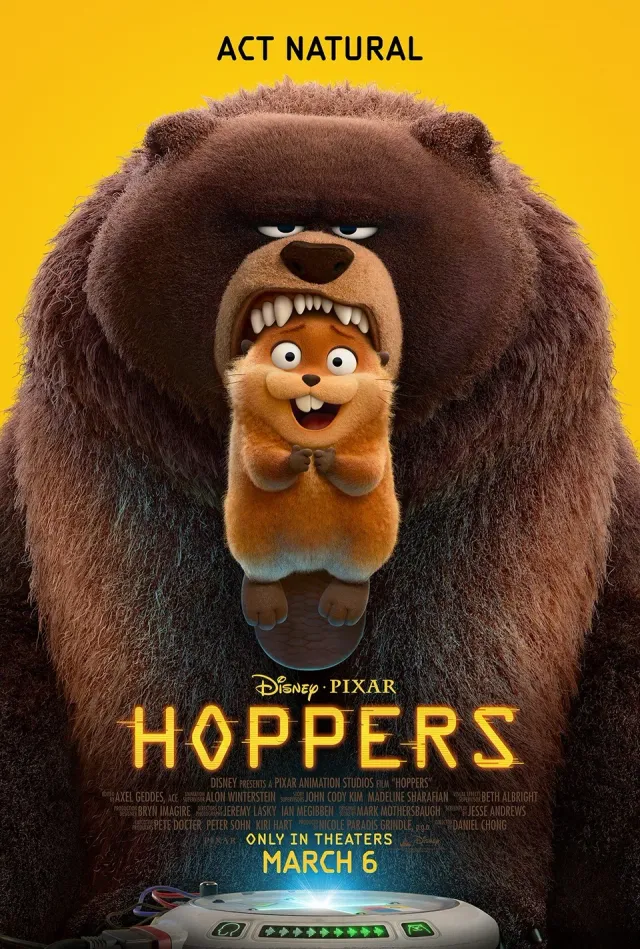
What changes Make Mine Music: episodic. Hoppers: comic discovery and adventure escalation.
A young animal lover uses new technology to inhabit a robotic beaver and communicate with animals. As human plans threaten the beavers' habitat, Mabel's new perspective becomes part of an attempt to connect two worlds. The comedy's body-transfer premise creates physical jokes but also asks whether entering another community means learning its relationships and priorities instead of simply speaking on its behalf.
Based on recorded story, mood and style. Your preferences can change the order.
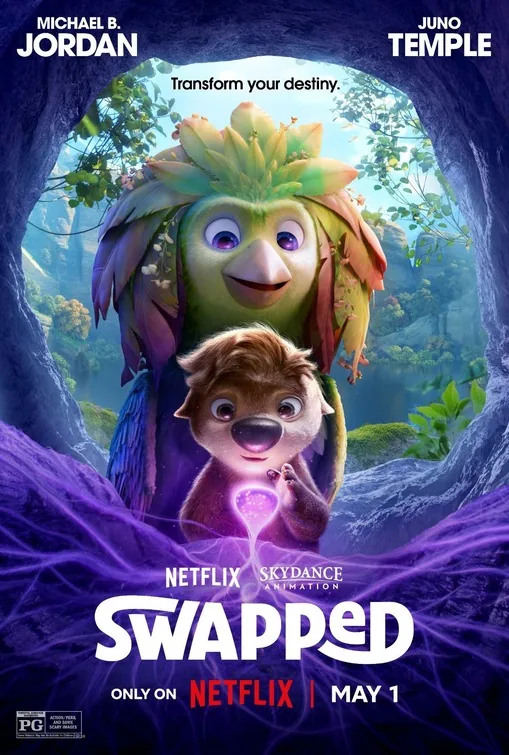
What changes Make Mine Music: episodic. Swapped: comic escalation and adventure quest.
Two natural enemies swap bodies and must learn to work together to survive in a changing animal world. This animated comedy uses a body-swap premise to create visual jokes while giving its mismatched pair a shared survival goal. Their partnership grows through practical problem-solving and a new appreciation of the other's perspective, as each learns to navigate a dangerous world without relying on familiar instincts.
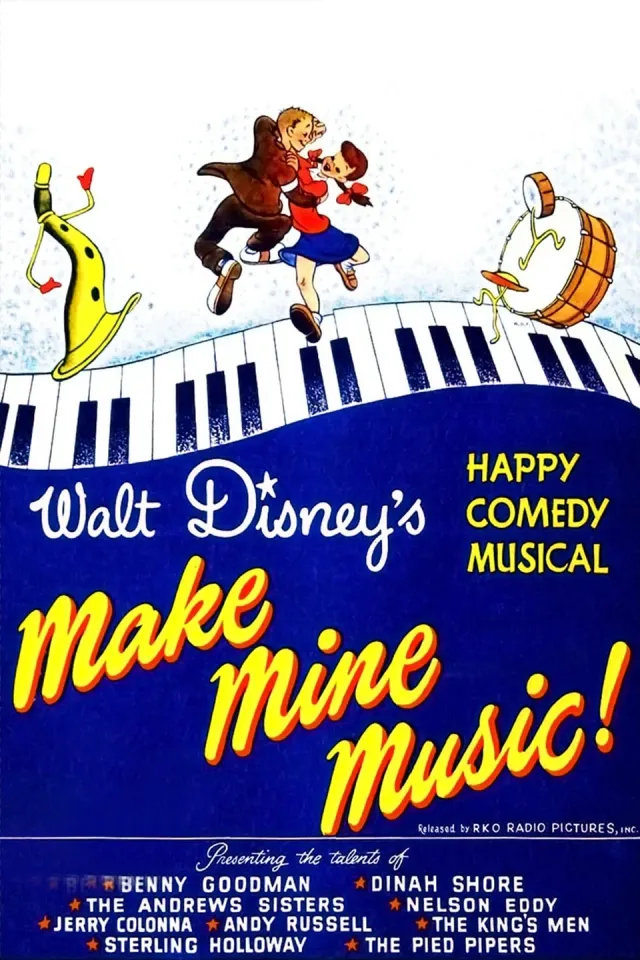
Disney’s 1946 package film presents ten original musical segments, ranging from popular-song performance and abstract animation to comedy, folk legend and dramatic storytelling. The pieces include a romance between two hats, a baseball poem, a forest hunt, a musical retelling of Peter and the Wolf and the tragedy of Willie the singing whale. No protagonist carries the film from start to finish; shifts in performers, visual technique and tone are the anthology’s main structure. Some later releases omit segments, including the gun-filled Martin and Lewis sequence, so a viewer’s version can change the film’s scope and content. Its family branding and musical variety do not promise a uniformly gentle experience, especially in the whale story’s fatal misunderstanding.
What drives the story
Ten self-contained segments replace a continuous plot. Each builds a local joke, performance or conflict, so describing one episode as the feature’s story misrepresents the anthology’s original shape.
The people at its centre
Relationships differ from segment to segment: the hats reunite, the whale seeks recognition, and the sports characters pursue their own comic rivalry. These are not one cast’s evolving dynamics.
What it feels like
Traditional animation, abstract instrument imagery, rotoscoped silhouettes and live-action performance create a variety-program rhythm. The music is both subject and organizing structure, with abrupt shifts between styles.
Worth knowing
Later edited releases can omit or reorder material. Identify the version before describing the full contents, and mention the gun violence and Willie’s death when setting tone expectations for families.
PerformanceVarietyMisrecognition
Mood
Playful · Bittersweet · Whimsical
Pacing
Episodic
Visual style
Traditional animation · Instrument abstraction · Rotoscoped silhouettes
Storytelling
Ten-part musical anthology · Local narrative variation · Tragic whale finale