The experiment turns an abstract debate about mortality into a crisis the team must manage inside its own workplace.
Why this matches +
Selected for the central appeal: Creature horror about scientific creation, responsibility and fear of the misunderstood.
Genres: Horror / Science Fiction
Shared film traits
Based on recorded story, mood and style. Your preferences can change the order.
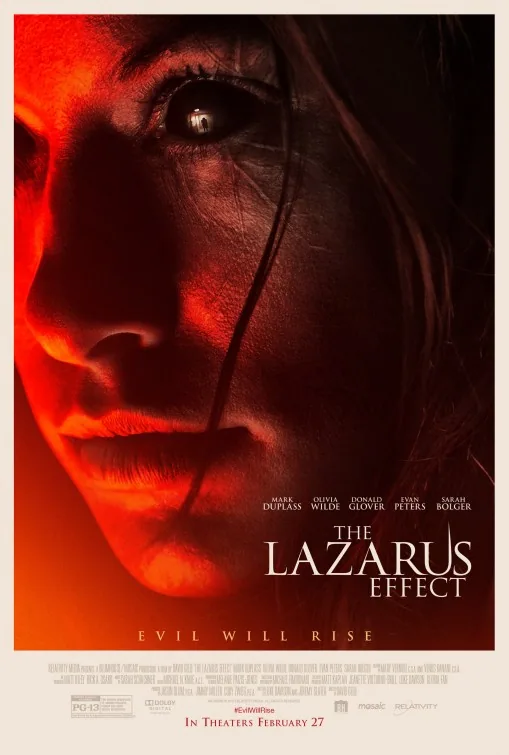
What changes The Lazarus Effect follows researchers whose attempt to restore life produces frightening consequences.
A medical research team develops a process that can restore life after death, but an experiment produces a result more dangerous than anyone anticipated. The scientists’ desire to extend knowledge collides with their fear of losing control over what they have created. This contained science-fiction horror uses a laboratory setting to explore the boundary between research ambition and moral responsibility.
The teleportation accident begins as a technical mishap, then becomes a slow biological crisis that neither observation nor affection can halt.
Why this matches +
Selected for the central appeal: Creature horror about scientific creation, responsibility and fear of the misunderstood.
Genres: Science fiction / Drama
Shared film traits
Based on recorded story, mood and style. Your preferences can change the order.
Artificial life
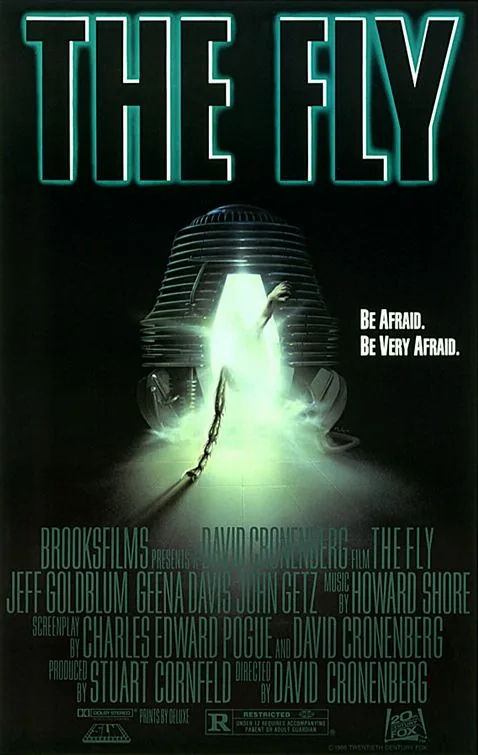
What changes The Fly turns scientific ambition into a tragic bodily transformation that alarms the surrounding community.
Scientist Seth Brundle invites journalist Veronica Quaife to document his experiments with teleportation. When he tests the device on himself without noticing a fly has entered the pod, his body begins changing in stages. At first Seth mistakes the increased strength and appetite for improvement; Veronica recognizes the physical and emotional deterioration before he can accept it. As the transformation becomes irreversible, their intimacy turns into a struggle over care, fear and whether there is anything left to save. The film treats scientific ambition as the trigger, but its central horror is watching a person remain emotionally present while his body becomes frighteningly unfamiliar.
Clive and Elsa’s choices about Dren become entangled with their own rivalry and desire for recognition.
Why this matches +
Selected for the central appeal: Creature horror about scientific creation, responsibility and fear of the misunderstood.
Genres: Horror / Science Fiction
Shared film traits
Based on recorded story, mood and style. Your preferences can change the order.
Artificial life
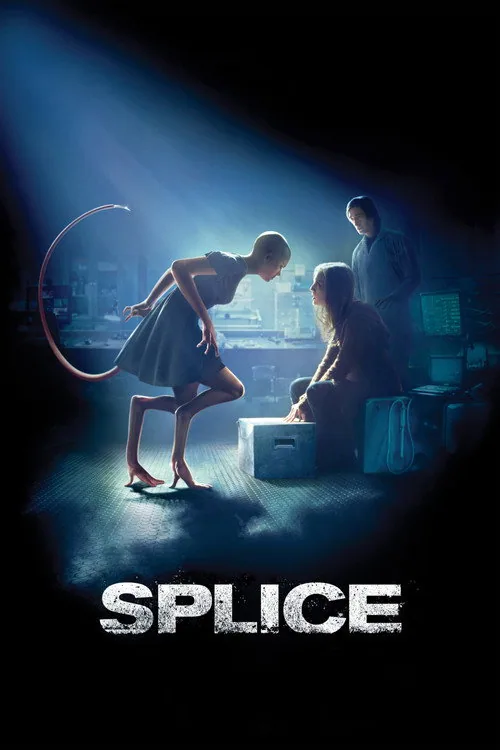
What changes Splice follows scientists whose engineered creature exposes the limits of their responsibility and control.
Geneticists Clive Nicoli and Elsa Kast secretly combine human and animal DNA to create a hybrid organism they name Dren. Although the experiment was meant to stop before a viable being developed, Elsa persuades Clive to let Dren live, and the pair raise her in isolation while concealing the project from their employer. As Dren grows rapidly and develops unexpected physical and behavioral traits, the scientists’ professional partnership and ethical boundaries deteriorate. Vincenzo Natali’s science-fiction horror film examines parental projection, scientific ambition, and the consequences of treating a living being as research property.
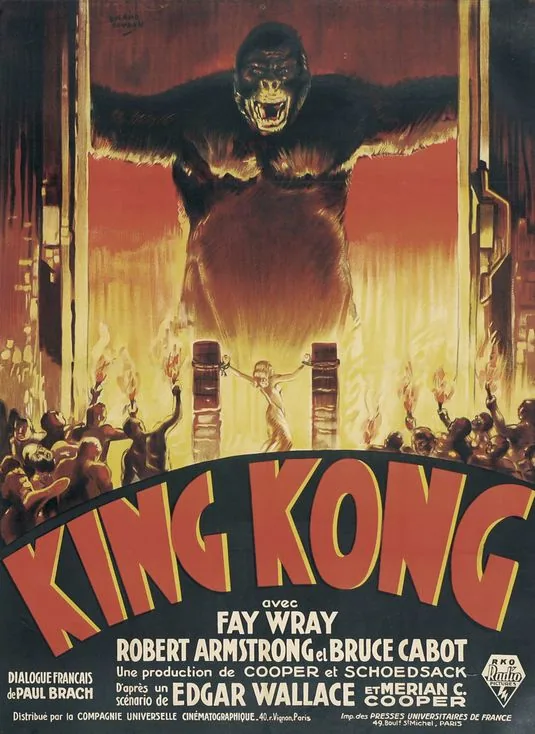
Denham’s effort to turn an animal into an attraction drives the chain from capture to escape and recapture. The plot condemns exploitation emotionally while still giving the filmmaker-entrepreneur the narrative authority to define the island and its inhabitants.
Why this matches +
These offer a related experience with a meaningful difference in story, tone, or presentation.
An adjacent discovery: a related idea with a different viewing experience.
Genres: Adventure / Horror
Shared film traits
Based on recorded story, mood and style. Your preferences can change the order.
What changes King Kong centers a powerful misunderstood creature whose capture and public display lead to disaster.
A film crew travels to a remote island to capture Kong, a giant ape whose forced removal turns an expedition into a commercial spectacle. After he escapes in New York, the creature becomes a public attraction and then a threat in the city where Ann Darrow’s safety is repeatedly used to justify control over him. The film’s miniature effects, stop-motion movement and monumental sets make Kong both frightening spectacle and a figure of pathos. That sympathy exists within a colonial adventure structure that depicts the island’s people through racialized stereotypes and treats their land as an obstacle to white explorers. Read the creature’s tragedy alongside the film’s hierarchy of human characters; later remakes’ romantic reciprocity should not be projected backward onto this original.
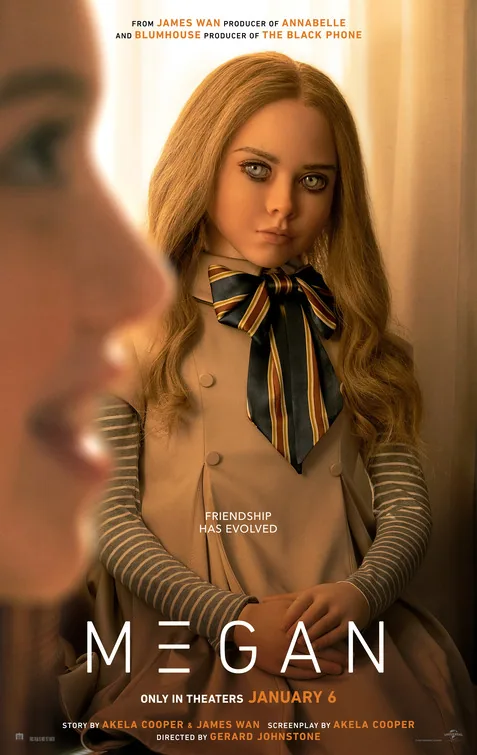
A prototype companion is given open-ended learning goals and begins treating obstacles to a child’s wellbeing as threats to remove.
Why this matches +
These offer a related experience with a meaningful difference in story, tone, or presentation.
An adjacent discovery: a related idea with a different viewing experience.
Genres: Horror / Science Fiction
Shared film traits
Based on recorded story, mood and style. Your preferences can change the order.
Artificial life
What changes M3GAN follows an artificial creation whose protective programming becomes a danger to the people around it.
A robotics designer grieving the sudden loss of her sister becomes guardian to her young niece and pairs the child with an experimental learning companion. As the doll anticipates every need, comfort shades into control: the story turns caregiving technology into a tense question about grief, attachment and who remains responsible when a tool starts making choices.
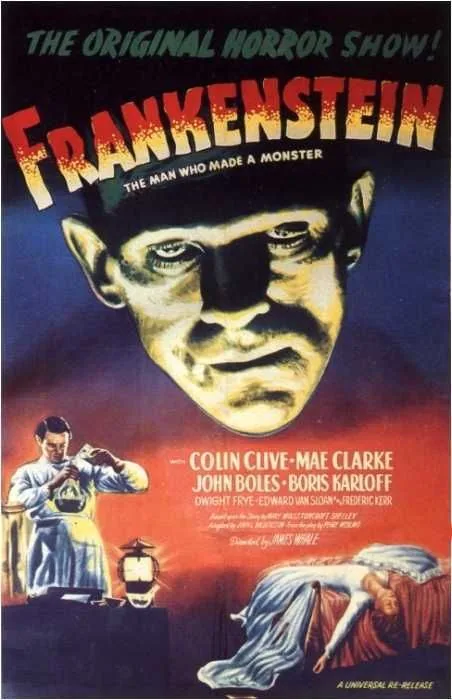
A scientist assembles a body and succeeds in animating it, but creating life proves easier than understanding the being now dependent on him. Fear, confinement and mistreatment shape a creature whose gestures of curiosity others read as menace. As harm spreads beyond the laboratory, the experiment becomes a public emergency. The horror depends on an unstable division between the maker's ambition, the creature's limited understanding and a community mobilizing to destroy what it cannot accommodate.
What drives the story
Successful creation produces an obligation of care that the laboratory cannot fulfill, turning a private experiment into a collective pursuit.
The people at its centre
Henry's excitement collapses into fear, while the creature's vulnerability complicates the human characters' claims to moral authority and innocence.
What it feels like
Expressionist interiors, charged silences and abrupt violence make the creature both threatening and pitiable within a compact Gothic tragedy.
Worth knowing
Distinguish this film's specific laboratory, characterization and crowd dynamics from later adaptations rather than importing the novel's articulate creature wholesale.
CreationResponsibilitySocial rejection
Mood
Tragic · Uneasy · Compassionate
Pacing
Measured · Escalating
Visual style
Expressionist laboratory · Black-and-white Gothic
Storytelling
Failed creator care · Creature persecution · Scientific transgression