Based on recorded story, mood and style. Your preferences can change the order.
Investigation
What changes Frenzy: measured and escalating. Se7en: slow burn.
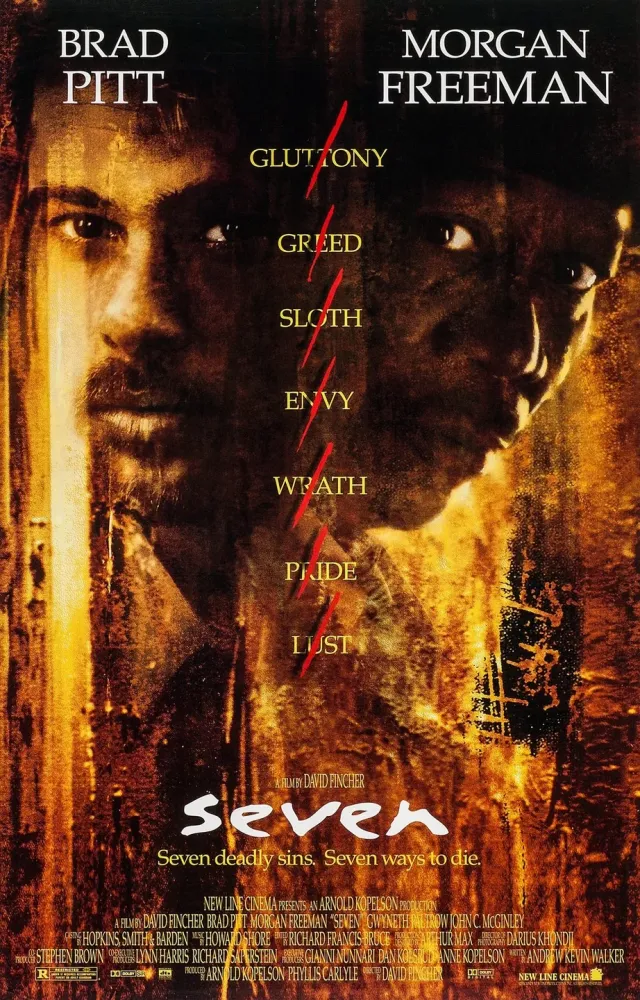
A weary detective approaching retirement and an impatient younger partner investigate killings arranged around a moralising pattern. Each crime scene expands the sense that their unseen opponent is treating the city as both evidence and audience for a private doctrine. Their work exposes different responses to pervasive cruelty, while the intrusion of the case into ordinary hopes for a home makes professional distance increasingly difficult to maintain.
Based on recorded story, mood and style. Your preferences can change the order.
Investigation
What changes Frenzy: measured and escalating. Lucky Number Slevin: nonlinear and brisk.
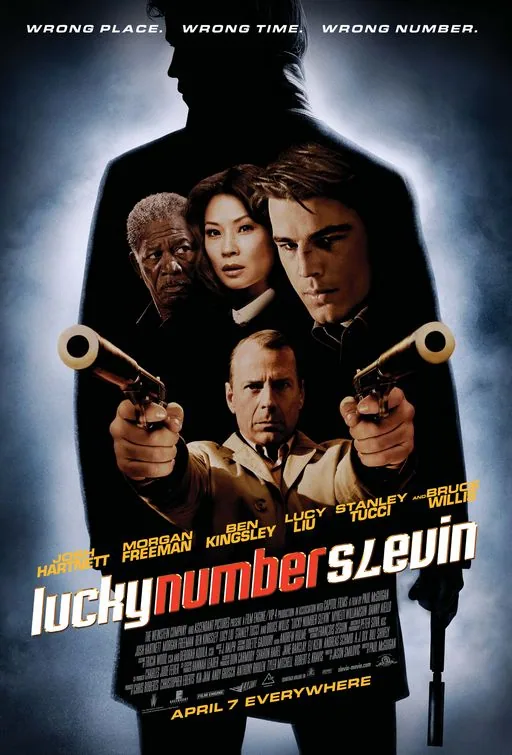
A man staying in a missing friend's apartment is mistaken for its debtor and forced toward rival crime bosses whose demands seem impossible to reconcile. A neighbor's curiosity and an elusive assassin complicate the apparent accident of his arrival. Delayed history turns the accumulating coincidences into another person's carefully managed account. The crime thriller makes misidentification a tool rather than simply a problem, using playful dialogue to keep the viewer inside a version of events whose victims and organizers are not yet visible in the same way.
Based on recorded story, mood and style. Your preferences can change the order.
Investigation
Expect claustrophobic and suspenseful, with slow burn and escalating pacing.
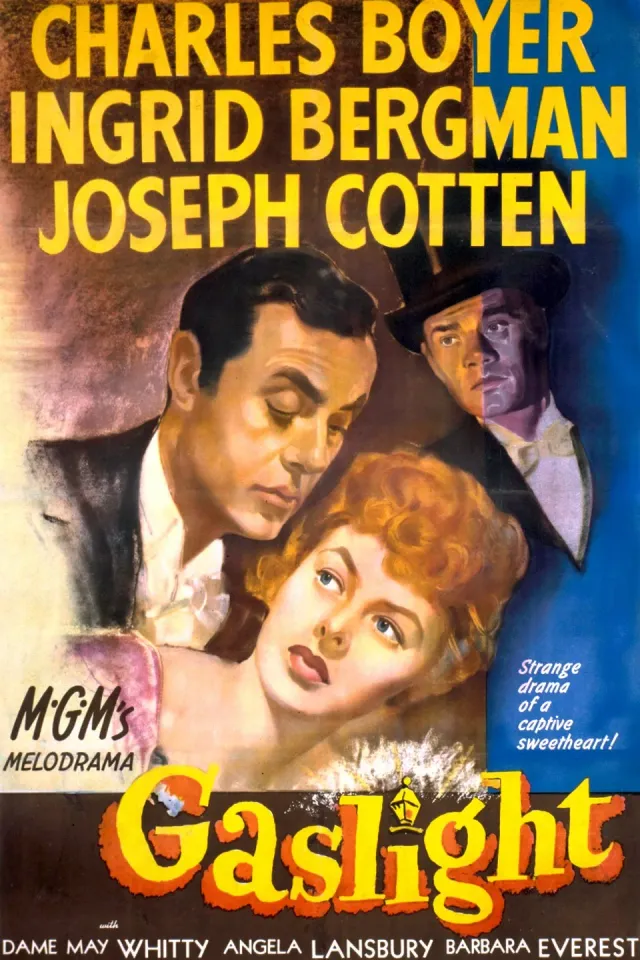
A woman returns to the London house where her aunt was murdered, believing marriage will make the troubled inheritance livable again. Her husband's repeated corrections, staged losses and restrictions gradually make her doubt her own memory. Small disturbances in the house offer evidence that her perceptions may be sound, but isolation makes verification difficult. A separate inquiry into the old crime creates the possibility of corroboration, turning domestic authority itself into the central source of danger.
Based on recorded story, mood and style. Your preferences can change the order.
Expect crude and darkly comic, with fast and escalating pacing.
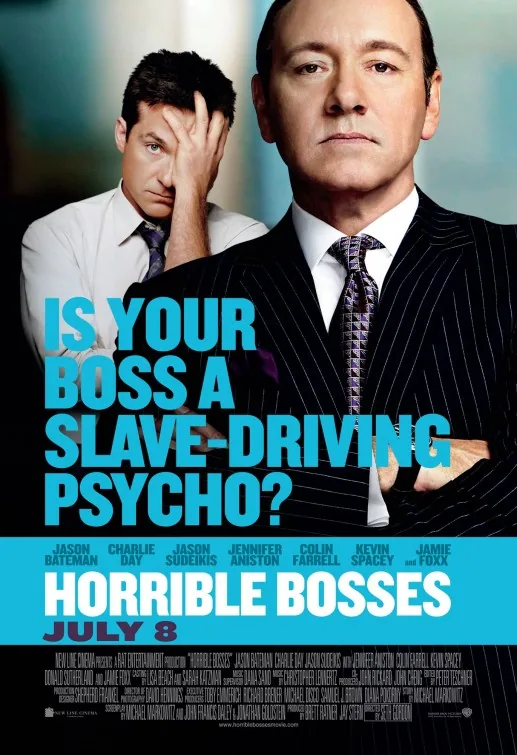
Three friends conclude that their workplaces would become bearable if their abusive employers disappeared. They seek advice and attempt to exchange targets, but their limited competence turns preparation into a series of misunderstandings that collide with an actual murder. Each grievance involves a different form of power, from blocked advancement to sexual coercion and reckless inheritance. The black comedy turns the fantasy of escape through crime into a problem of surviving consequences the would-be conspirators cannot manage or reliably interpret.
Based on recorded story, mood and style. Your preferences can change the order.
Investigation
What changes Frenzy is tagged disturbing and suspenseful; Insomnia is tagged tense and exhausted.
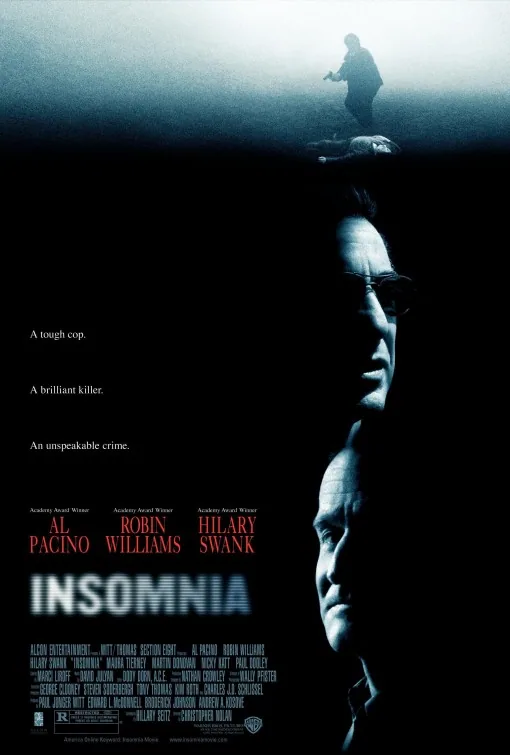
An experienced detective travels to an Alaskan town to investigate a teenager's murder while his own professional conduct faces scrutiny. A fatal mistake during pursuit gives the killer leverage, and the detective's attempt to hide it makes solving the original crime inseparable from protecting himself. Continuous daylight and sleeplessness erode the certainty he once embodied for a younger local officer. The thriller places investigation under a corrosive conflict: the person needed to expose one wrongdoing is actively concealing another.
Based on recorded story, mood and style. Your preferences can change the order.
What changes Frenzy: measured and escalating. A History of Violence: slow burn and intense.
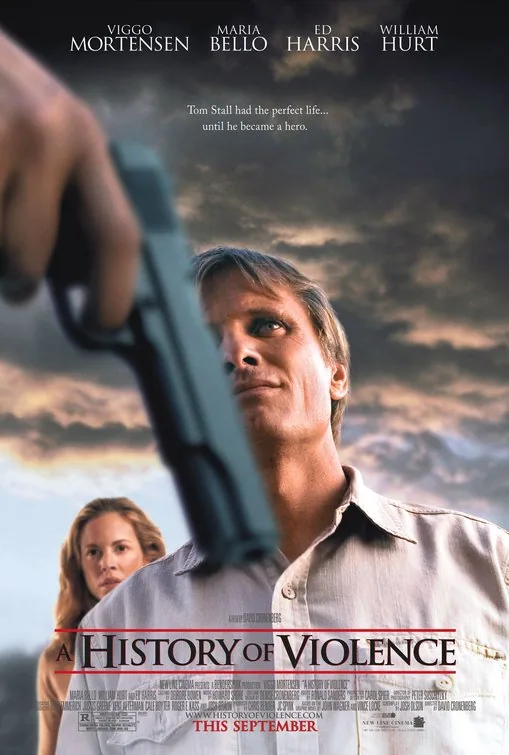
A quiet small town diner owner becomes a local hero after killing armed robbers during an attack. Public attention brings a stranger who insists that the man has a different name and a violent criminal past. As the threat reaches his family, the protective identity he has built becomes inseparable from questions about whether violence can ever remain confined to an earlier life.
Based on recorded story, mood and style. Your preferences can change the order.
Investigation
What changes Frenzy: measured and escalating. Blitz: two london detectives hunt a killer who selects police officers as victims..
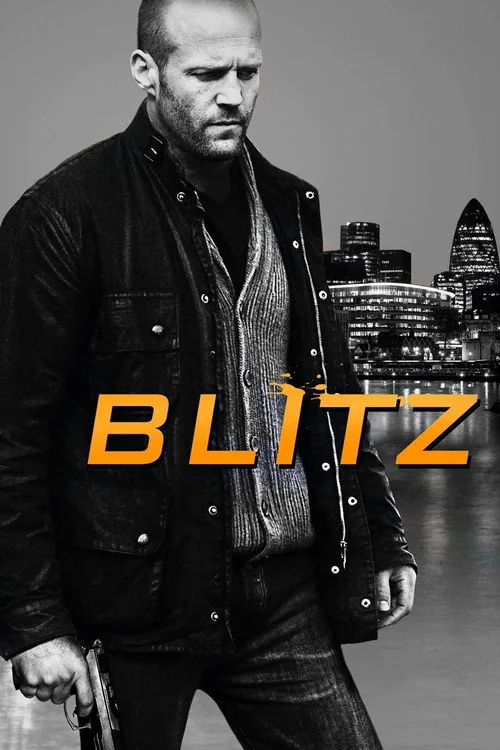
A serial killer begins targeting police officers in southeast London, prompting Sergeant Porter Nash to join the investigation with Detective Sergeant Tom Brant. Nash is methodical and openly gay in a force that mocks him, while Brant is an aggressive officer whose own history with suspect Barry Weiss complicates the case. The killer courts press attention and exploits gaps in police procedure, forcing the partners to consider an unlawful solution when they cannot secure evidence for a conviction. Elliott Lester’s British crime thriller combines a manhunt with a deliberately abrasive view of policing.
Based on recorded story, mood and style. Your preferences can change the order.
Investigation · Escape and pursuit
What changes Frenzy: measured and escalating. 88 Minutes: deadline-driven and quickening.
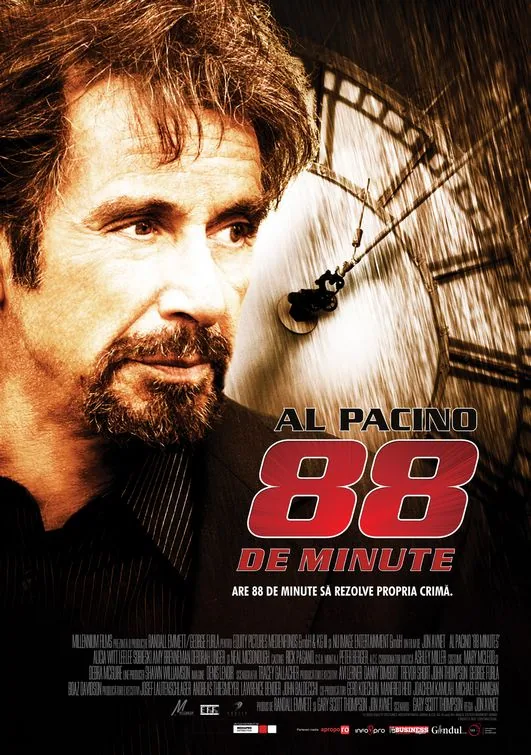
A Seattle forensic psychiatrist receives a threat that he will die in eighty-eight minutes, and evidence begins to connect the countdown to an earlier murder case. He moves through a circle of students and colleagues whose motives are difficult to read. The thriller uses the deadline to accelerate suspicion while making the protagonist’s professional confidence part of the mystery: his past judgments may have put the wrong person in danger.
Based on recorded story, mood and style. Your preferences can change the order.
Investigation
What changes Frenzy: measured and escalating. Bad Lieutenant: Port of Call New Orleans: episodic, unstable tonal shifts and crime-driven.
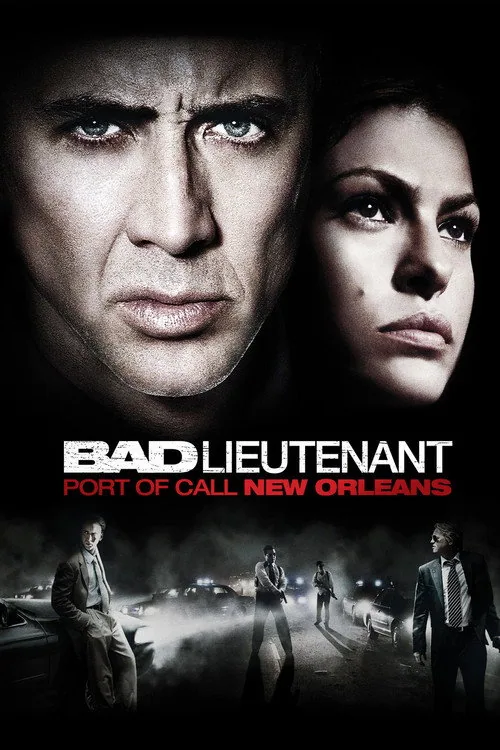
New Orleans police lieutenant Terence McDonagh receives a medal after rescuing a prisoner during Hurricane Katrina, but a back injury leads to dependence on painkillers and then wider substance abuse. Months later, he is assigned to investigate the murder of five Senegalese immigrants while juggling debts, compromised colleagues, and a volatile relationship. His authority allows him to bend rules and exploit people, yet the case forces choices about evidence and responsibility. Werner Herzog’s blackly comic crime drama follows an erratic officer whose judgment and moral limits keep shifting.
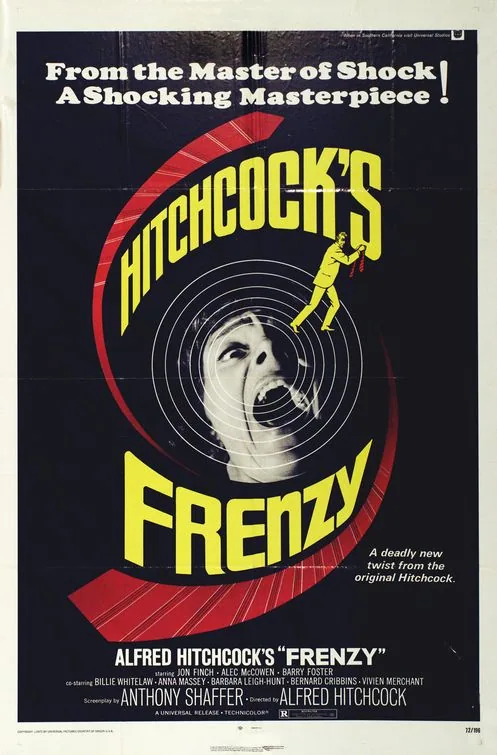
An unemployed London barman becomes the plausible suspect in a series of sexual murders, while the audience gains access to the actual killer's conduct. His damaged relationships and impulsive behavior make innocence difficult to establish when witnesses assemble the wrong story. The film alternates his narrowing options with the murderer's attempts to conceal incriminating evidence. Suspense arises from unequal knowledge and ordinary urban proximity, with grotesque comedy sitting uneasily beside sexual violence and institutional error.
What drives the story
Circumstantial evidence traps an abrasive innocent while the identified killer must repeatedly recover control over evidence and witnesses.
The people at its centre
Blaney's inability to inspire trust contrasts with the killer's sociable usefulness, making everyday judgments about character dangerously unreliable.
What it feels like
Grimy locations, prolonged suspense and macabre comic detours create a deliberately uncomfortable mixture of procedural pursuit and intimate predation.
Worth knowing
Match through wrongful accusation and audience knowledge of the perpetrator, while flagging the sexual brutality rather than describing this as a cozy mystery.
False accusationTrustSexual violence
Mood
Disturbing · Suspenseful · Darkly comic
Pacing
Measured · Escalating
Visual style
Urban realism · Prolonged suspense
Storytelling
Wrong man pursuit · Known killer concealment · Evidence recovery