The pilot’s shame complicates the expected monster-fighting hero narrative. That consequence remains central to the character’s next choice.
Why this matches +
The predecessor or a civilian-centered creature catastrophe connects public destruction with concrete personal rescue and survival.
Genres: Action / Drama
Shared film traits
Based on recorded story, mood and style. Your preferences can change the order.
Survival · War and civilian life
What changes This is the earlier chapter of the same continuity, so it is most useful for viewers who have not already seen it; it is not an unrelated discovery.
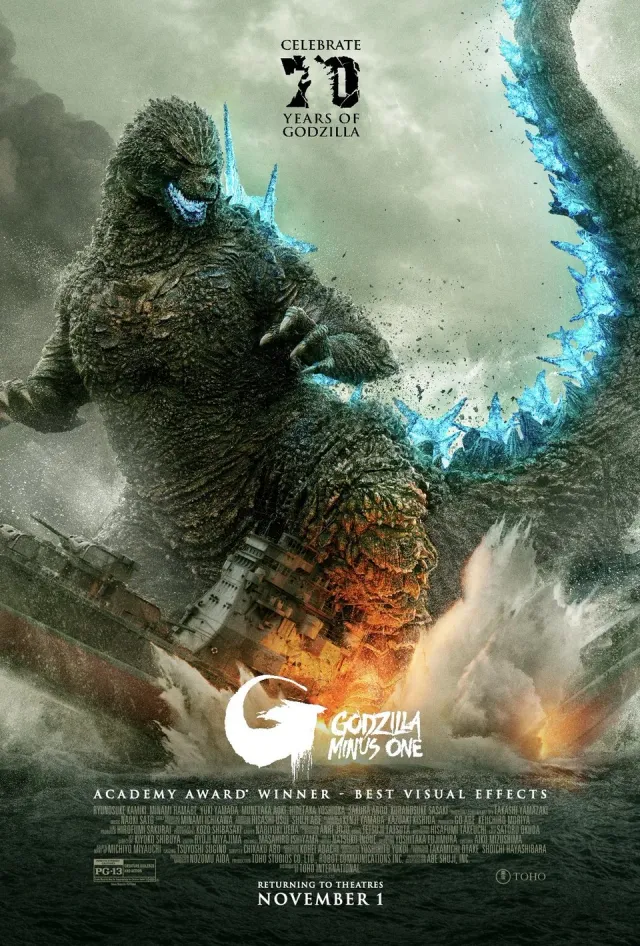
In the aftermath of World War II, a former kamikaze pilot who survived by retreating from his duty is drawn into Japan’s effort to confront Godzilla. His shame and grief are set against the country’s physical ruin, while a civilian crew devises a dangerous defense with limited resources. The monster film makes survival a personal and collective question about rebuilding after catastrophe.
The monster’s attack forces the family into a rescue effort while public authorities compound the crisis.
Why this matches +
The predecessor or a civilian-centered creature catastrophe connects public destruction with concrete personal rescue and survival.
Genres: Science fiction / Drama
Shared film traits
Based on recorded story, mood and style. Your preferences can change the order.
Survival
What changes A Korean river creature and a missing-child rescue replace postwar Japan and a renewed large-scale threat; the tone is also satirical.
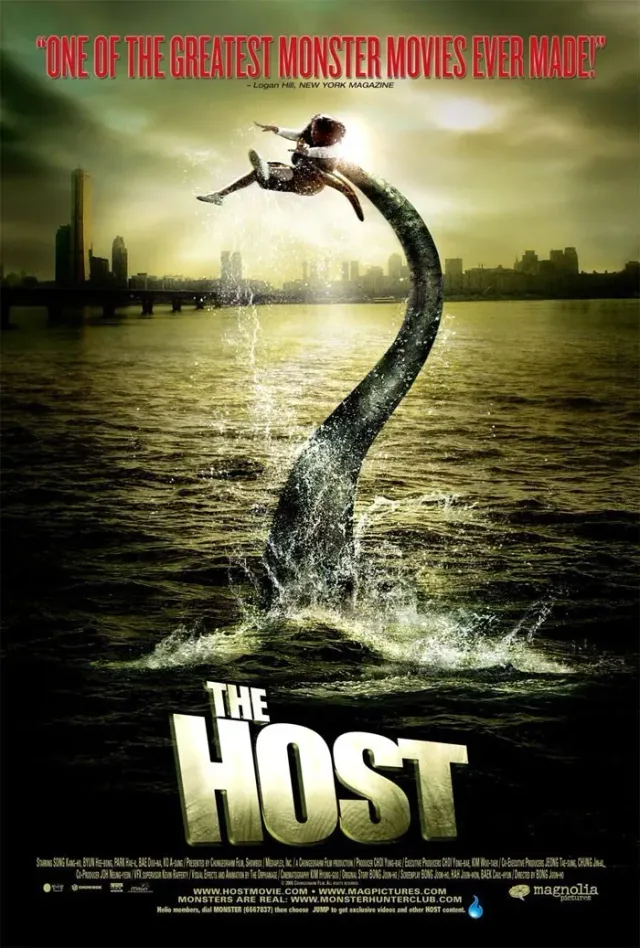
After a creature emerges from Seoul’s river and abducts a young girl, her family searches for her while officials impose quarantines and spread alarming explanations. The rescue effort becomes both a monster-film pursuit and a family struggle against institutions that offer little help. The Korean film mixes horror, comedy and social satire, shifting from creature spectacle to the stubborn, imperfect care that binds its central family.
A sudden invasion turns a strained family visit into a moving search for safety in which every apparent refuge can fail without warning.
Why this matches +
The predecessor or a civilian-centered creature catastrophe connects public destruction with concrete personal rescue and survival.
Genres: Science fiction / Fantasy
Shared film traits
Based on recorded story, mood and style. Your preferences can change the order.
Survival
What changes A contemporary alien invasion and a father’s moving viewpoint replace a postwar Japanese community rebuilding after an earlier disaster.
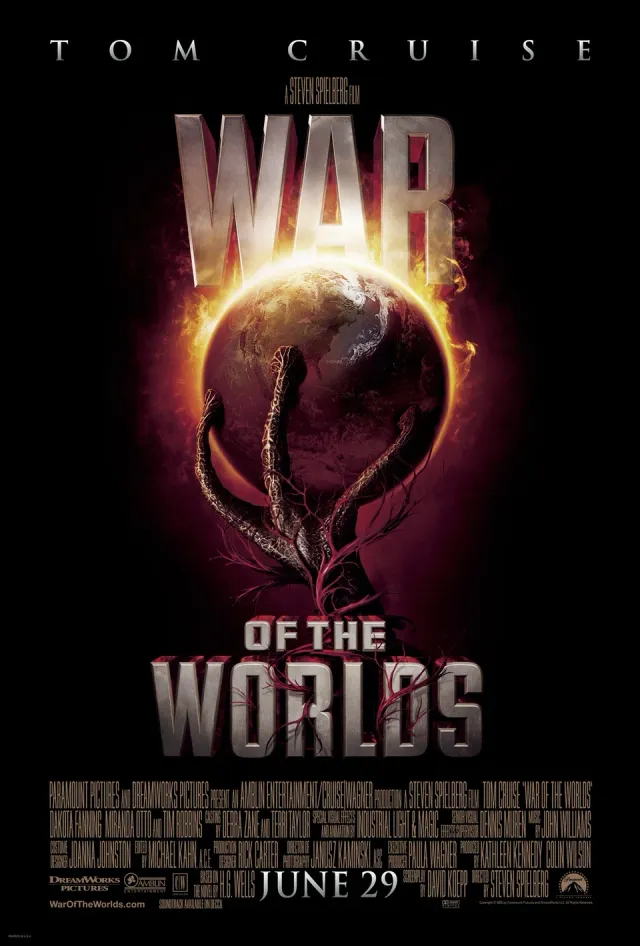
A divorced father temporarily caring for his children is confronted by an invasion that makes ordinary infrastructure and public protection collapse almost immediately. Moving toward their mother's family, he cannot offer a coherent explanation or a reliable plan, only successive attempts to find temporary shelter. The children's different responses to terror and helplessness place his practical responsibilities against impulses toward escape, resistance and reassurance that events will not support.
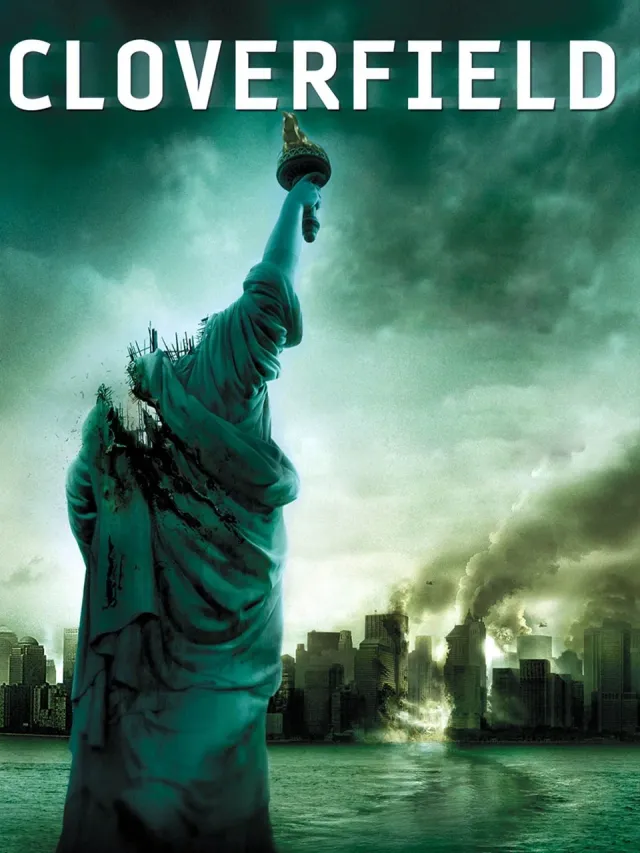
An evacuation is diverted into a personal rescue through a city whose rapidly changing dangers exceed what the group can see or reliably record.
Why this matches +
The predecessor or a civilian-centered creature catastrophe connects public destruction with concrete personal rescue and survival.
Genres: Science fiction / Horror
Shared film traits
Based on recorded story, mood and style. Your preferences can change the order.
Survival
What changes Found footage and a single contemporary night replace the postwar continuity and the longer process of recovery.
A farewell party in New York is interrupted by an attack whose scale the guests can grasp only in fragments. Their attempt to evacuate becomes a dangerous return through the city when one friend learns that a woman he cares about is trapped. A handheld camera records panic, partial glimpses and uncertain decisions, preserving the limits of the survivors' knowledge rather than providing the strategic account a conventional disaster film might offer.
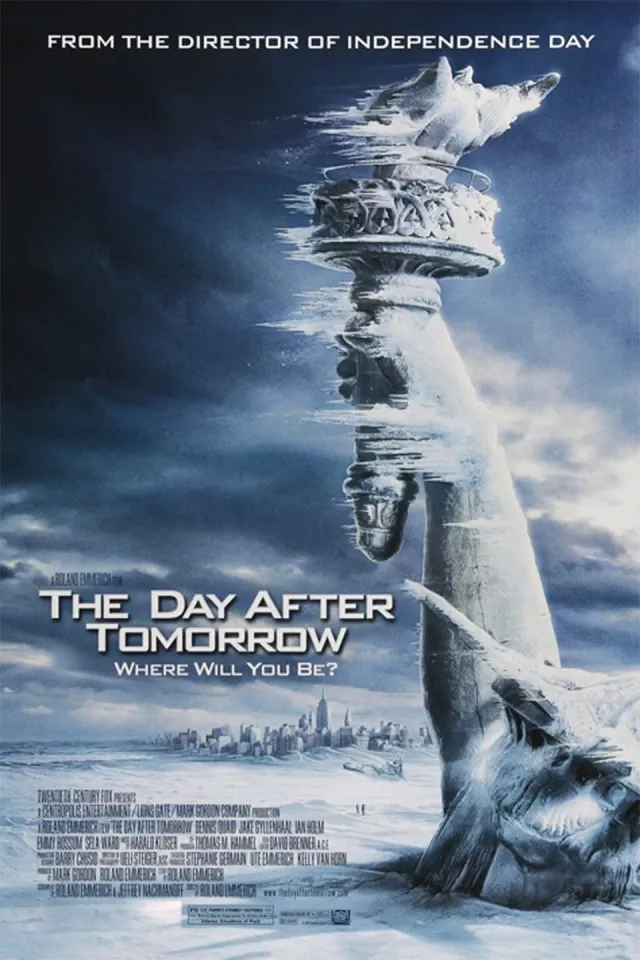
The revised climate forecast turns a long-term warning into an immediate rescue deadline; Jack's scientific role and personal mission become inseparable.
Why this matches +
A large-scale emergency makes coordination, trust or reunion essential, while the cause, historical setting and balance of human vulnerability and combat differ.
An adjacent discovery: a related idea with a different viewing experience.
Genres: Action / Apocalyptic
Shared film traits
Based on recorded story, mood and style. Your preferences can change the order.
Survival
What changes Contemporary climate catastrophe and a rescue journey replace postwar monsters; its disaster science is deliberately exaggerated.
Paleoclimatologist Jack Hall warns that rapid climate change could disrupt ocean currents, but political leaders dismiss his forecast. When superstorms and sudden cold begin transforming weather around the world, Jack's revised timeline leaves only days to respond. His son Sam is stranded with friends in New York as the city floods and freezes, so Jack joins a dangerous journey south to reach him. The film pairs a global disaster spectacle with one father's effort to keep moving toward his child through a collapsing infrastructure.
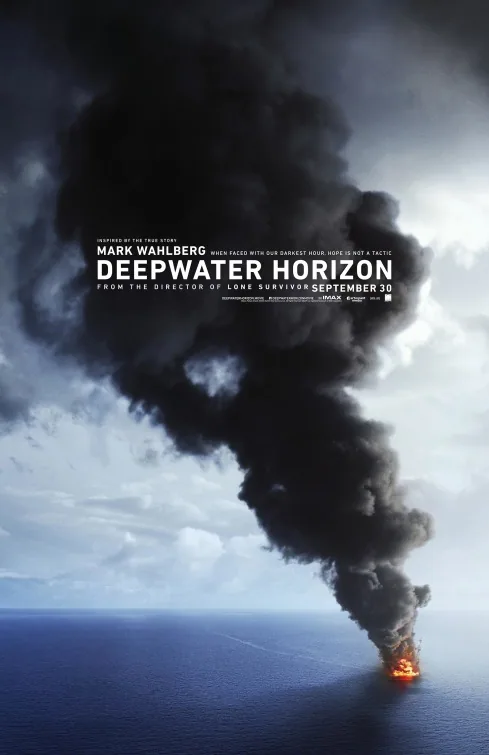
Disputed warning signs and preparation decisions precede a cascading industrial failure, after which incomplete information and damaged equipment constrain every rescue attempt.
Why this matches +
A large-scale emergency makes coordination, trust or reunion essential, while the cause, historical setting and balance of human vulnerability and combat differ.
An adjacent discovery: a related idea with a different viewing experience.
Genres: Drama / Action
Shared film traits
Based on recorded story, mood and style. Your preferences can change the order.
Survival
What changes An industrial blowout and a confined crew replace a creature attack and a whole society’s postwar recovery.
Workers preparing an offshore drilling rig for its next assignment encounter disagreements over tests, pressure readings and the time devoted to checking a well. Commercial urgency meets practical unease before a blowout turns technical interpretation into immediate physical survival. The disaster contracts attention to people trying to communicate, reach colleagues and escape failing systems, presenting catastrophe through a crew's limited ability to repair consequences that have already exceeded local control. The disaster is shown from workers’ limited vantage, while the real investigation involved a more complex chain of responsibility.
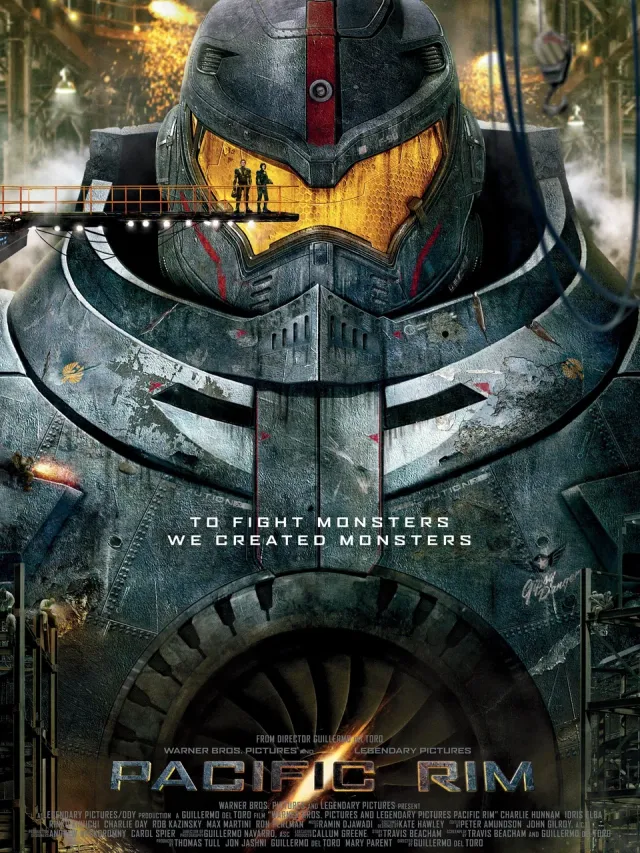
The Drift makes combat depend on two pilots sharing memory and coordination, so personal trust is a practical requirement for survival.
Why this matches +
A large-scale emergency makes coordination, trust or reunion essential, while the cause, historical setting and balance of human vulnerability and combat differ.
An adjacent discovery: a related idea with a different viewing experience.
Genres: Action / Adventure
Shared film traits
Based on recorded story, mood and style. Your preferences can change the order.
What changes Military pilots in giant machines supply a more combat-driven, technologically empowered viewpoint than civilian postwar vulnerability.
When enormous Kaiju emerge from an interdimensional breach beneath the Pacific Ocean, humanity builds giant Jaegers controlled by pairs of pilots linked through a mental process called the Drift. After losing his brother and leaving the program, Raleigh Becket is recruited by Marshal Stacker Pentecost to join trainee Mako Mori. Their memories make the link emotionally difficult, while the dwindling defense program faces a plan to attack the breach directly. The pilots must cooperate under pressure to reach the source of the monsters and give Earth a chance to close it.
The separation after the wave gives each family member a different urgent task: survive, find help or keep searching for the others.
Why this matches +
A large-scale emergency makes coordination, trust or reunion essential, while the cause, historical setting and balance of human vulnerability and combat differ.
An adjacent discovery: a related idea with a different viewing experience.
Genres: Drama / Thriller
Shared film traits
Based on recorded story, mood and style. Your preferences can change the order.
Survival
What changes A dramatized real tsunami replaces science-fiction monsters; it concentrates on immediate separation rather than a renewed attack after reconstruction.
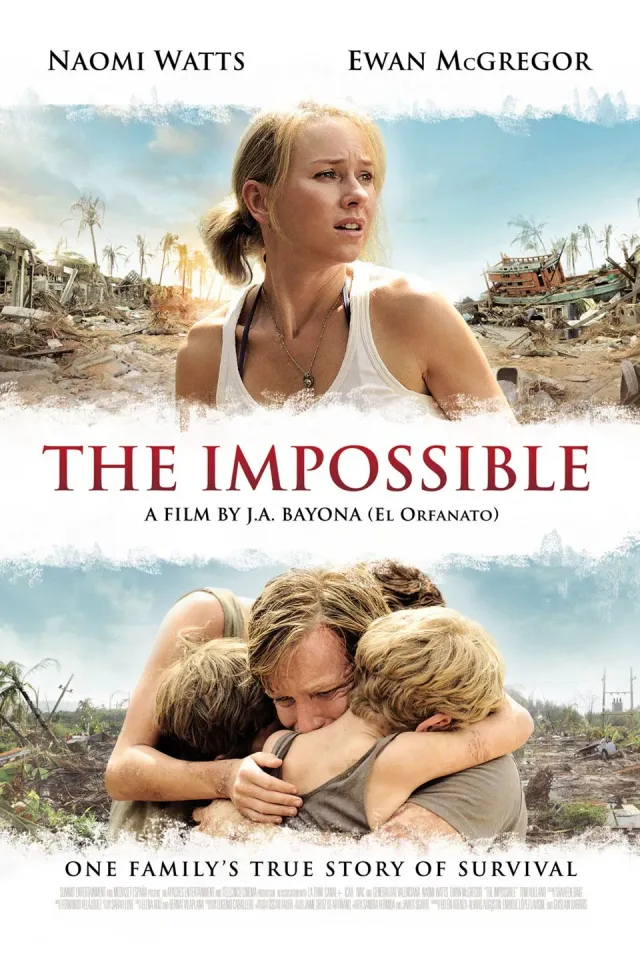
Maria, Henry and their three sons are on holiday in Thailand when the 2004 Indian Ocean tsunami devastates the coast. The wave separates Maria and her oldest son Lucas from the rest of the family, and injury and confusion make finding one another difficult even as local people try to help. The film follows the search from several family members’ perspectives, including Lucas’s shift from frightened child to caretaker for his mother. Inspired by a real family’s survival, it is a dramatization of disaster and rescue rather than a comprehensive account of the tsunami’s wider impact.
A supernatural siege develops into a conflict over belief, leadership and the risks of leaving shelter.
Why this matches +
A large-scale emergency makes coordination, trust or reunion essential, while the cause, historical setting and balance of human vulnerability and combat differ.
An adjacent discovery: a related idea with a different viewing experience.
Genres: Horror / Thriller
Shared film traits
Based on recorded story, mood and style. Your preferences can change the order.
Survival
What changes A confined supermarket siege, religious conflict and a much bleaker ending replace the continuing Godzilla story.
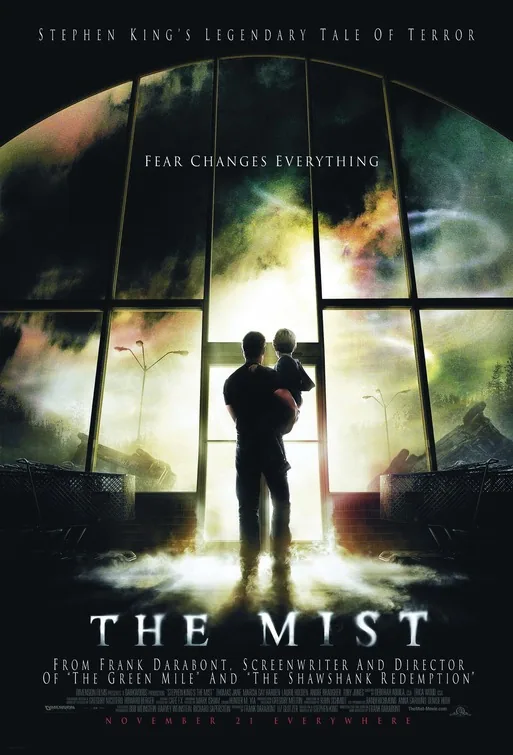
After a storm, a father and son become trapped in a supermarket as an unnatural mist hides lethal creatures outside. Attempts to understand the danger are frustrated by poor visibility and mounting panic. Inside, a self-appointed religious leader gains followers by turning fear into certainty, forcing the survivors to decide whether remaining together still offers protection.
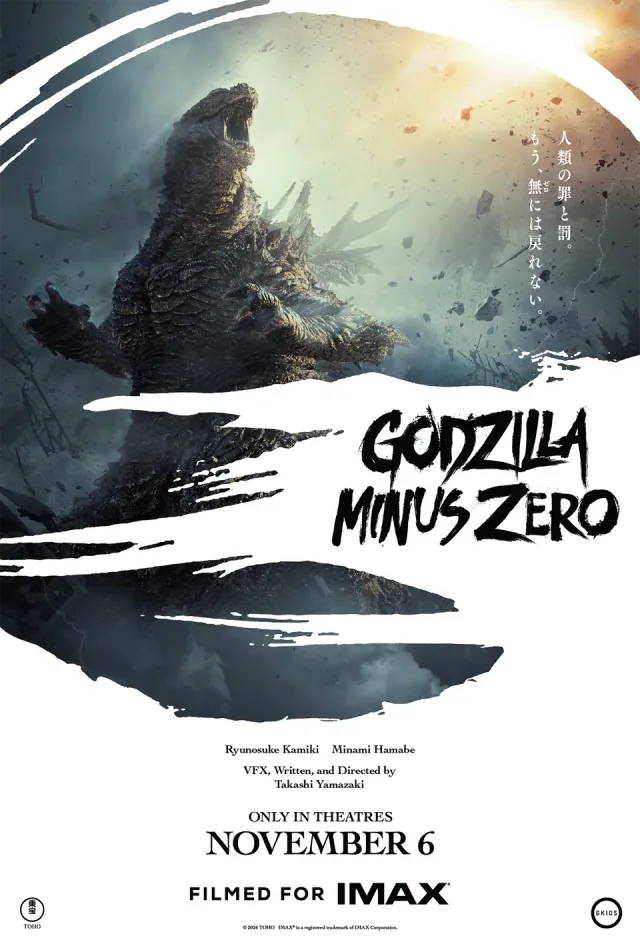
Two years after the devastation of Godzilla Minus One, Japan is still trying to rebuild lives disrupted by war and catastrophe. A new danger threatens the fragile stability people have begun to recover. Takashi Yamazaki returns to this continuity for a science fiction disaster story in which survival and reconstruction remain closely connected, rather than starting a separate version of Godzilla’s world.
What drives the story
A renewed catastrophe threatens the fragile everyday life people have rebuilt after war and Godzilla’s previous attack.
The people at its centre
The returning continuity makes civilian vulnerability and collective recovery central to the stakes of the new threat.
What it feels like
The published setup supports ominous disaster spectacle anchored in postwar recovery; specific scene outcomes are not assumed.
Worth knowing
Its postwar continuity differs from the contemporary MonsterVerse; a shared monster does not establish the same tone or story.