Both centre on containment failure and constrained rescue.
Why this matches +
Genres: Action / Thriller
Shared film traits
Based on recorded story, mood and style. Your preferences can change the order.
Survival
Expect claustrophobic and tense, with escalating pacing.
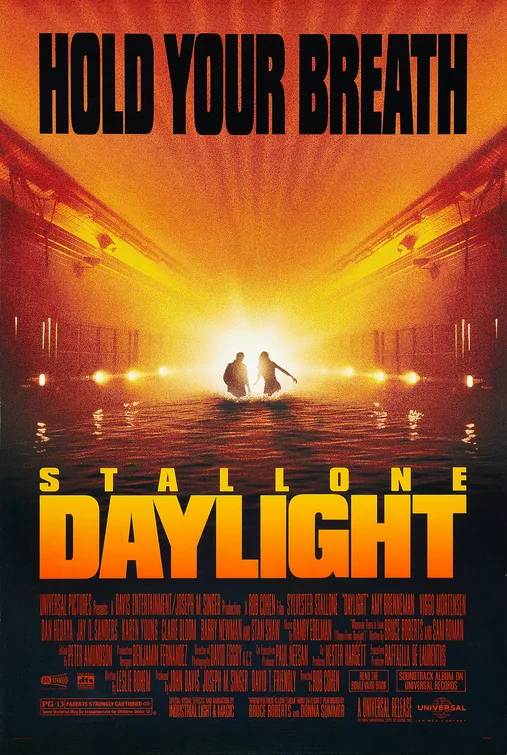
An explosion seals a road tunnel beneath the Hudson River, leaving a disparate group exposed to fire, contaminated air and rising water. A former emergency-services leader enters through a dangerous ventilation route, but reaching the survivors does not reveal an obvious way out. His earlier professional failure makes trust difficult, while the changing structure forces the group to abandon reassuring plans and accept that protecting everyone may require choices no single rescuer can control.
Based on recorded story, mood and style. Your preferences can change the order.
Survival
Expect distressing and tense, with escalating pacing.
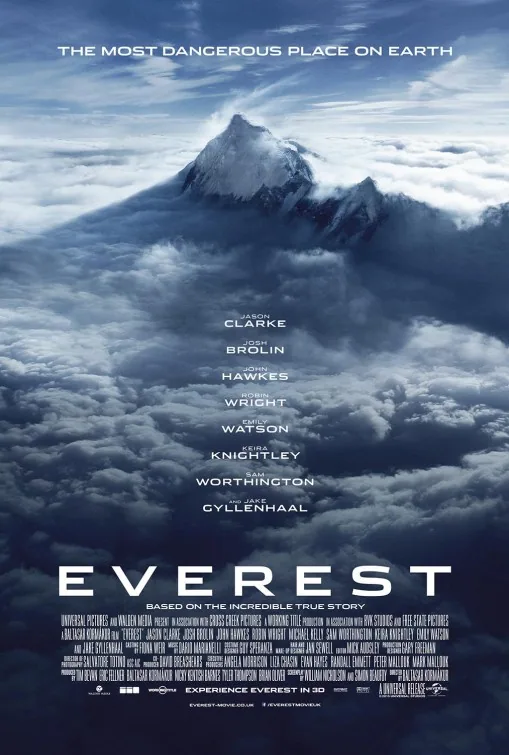
Commercial climbing teams assemble on Everest with clients whose personal reasons for reaching the summit make retreat emotionally expensive. Delays and changing conditions narrow the margin within which guides can protect people moving at different speeds. When a storm arrives, the mountain turns ambition into a sequence of increasingly constrained rescue decisions, while radio contact connects the ordeal to families who can listen without being able to alter the available options. The summit is an intermediate achievement; the disaster’s real dramatic problem becomes descent, communication and rescue.
Based on recorded story, mood and style. Your preferences can change the order.
What changes Deepwater Horizon: escalating. The Hurt Locker: intense.
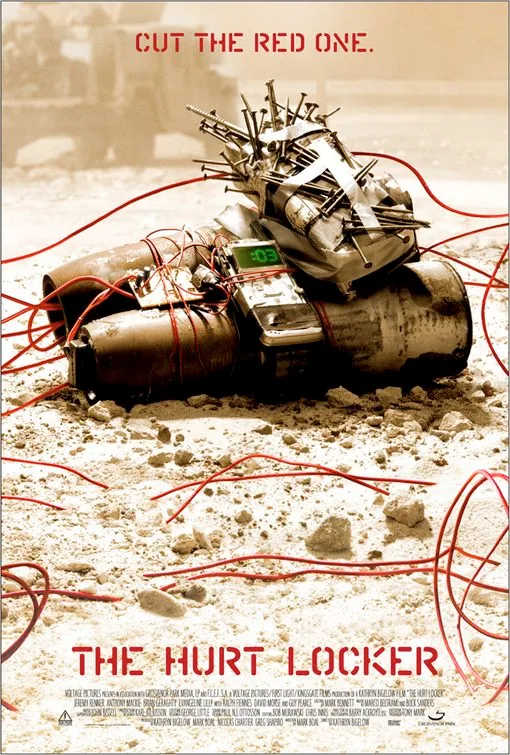
A bomb-disposal team in Iraq receives a new leader whose technical ability comes with an appetite for risk that unsettles the men protecting him. Successive calls turn ordinary streets, vehicles and civilian encounters into uncertain threats, while each operation exposes a different limit in the team's trust. As their rotation nears its end, survival appears less difficult to imagine than a shared understanding of what returning to ordinary life would mean.
Based on recorded story, mood and style. Your preferences can change the order.
Survival
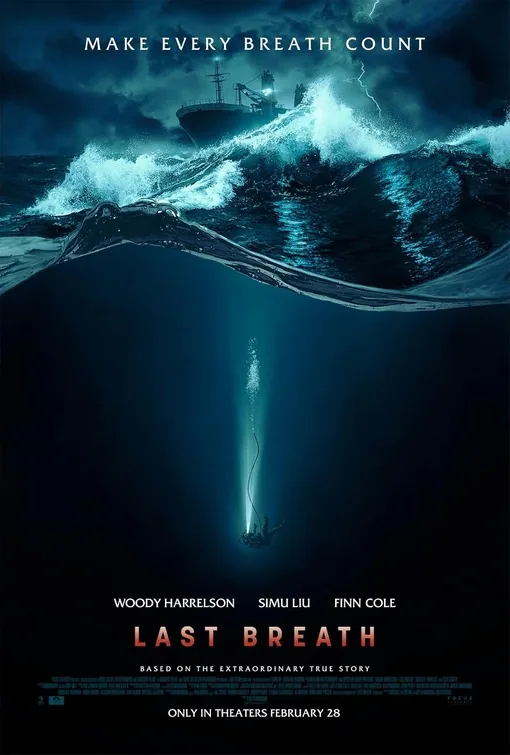
What changes Deepwater Horizon: escalating. Last Breath: a rescue countdown alternates between the diver and surface crew.
Saturation divers Chris Lemons, Duncan Allcock, and David Yuasa maintain underwater gas pipelines from a vessel in the North Sea. When Chris is stranded at depth after his umbilical line is severed, his colleagues and the surface crew race to locate and recover him. The survival drama builds suspense from a real industrial emergency, emphasizing technical coordination, professional trust, and the limits of human endurance in a hostile environment.
Both share themes of survival, plus a tense atmosphere.
Why this matches +
Genres: War / Drama
Shared film traits
Based on recorded story, mood and style. Your preferences can change the order.
Survival
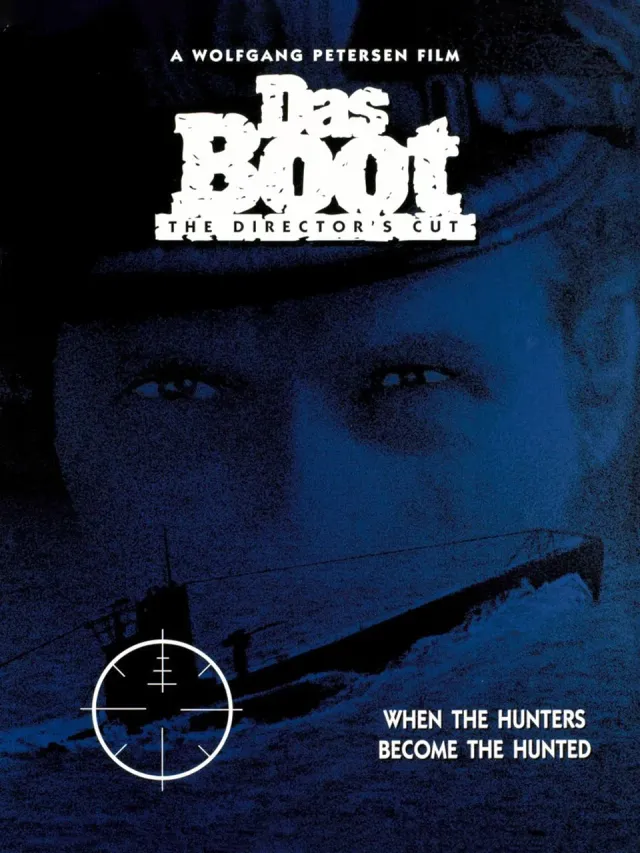
What changes Deepwater Horizon: escalating. Das Boot: variable.
A young correspondent joins a German submarine crew whose long periods of boredom give way to pursuit, mechanical failure and pressure at depths the vessel may not withstand. Experienced sailors' practical cynicism contrasts with more committed ideological certainty, but shared confinement does not remove the war's human consequences outside the hull. Surviving one ordeal only produces another order, making technical solidarity an unreliable promise that anyone controls the voyage's larger purpose. The crew’s shared competence is repeatedly tested by orders issued for a war whose purpose they do not control.
Based on recorded story, mood and style. Your preferences can change the order.
Survival
Expect claustrophobic and somber, with measured and escalating pacing.
A Soviet submarine begins a politically urgent mission under a new captain whose demands unsettle the officer the crew already trusts. A reactor failure exposes inadequate preparation and forces sailors to enter a lethal environment with little protection. The conflict between command, rescue and national secrecy intensifies as help from the opposing Cold War power becomes possible. The historical drama makes courage visible through technical labor and obedience under damaged conditions, while questioning the institution that requires people to risk themselves to preserve its appearance of readiness.
Based on recorded story, mood and style. Your preferences can change the order.
Survival
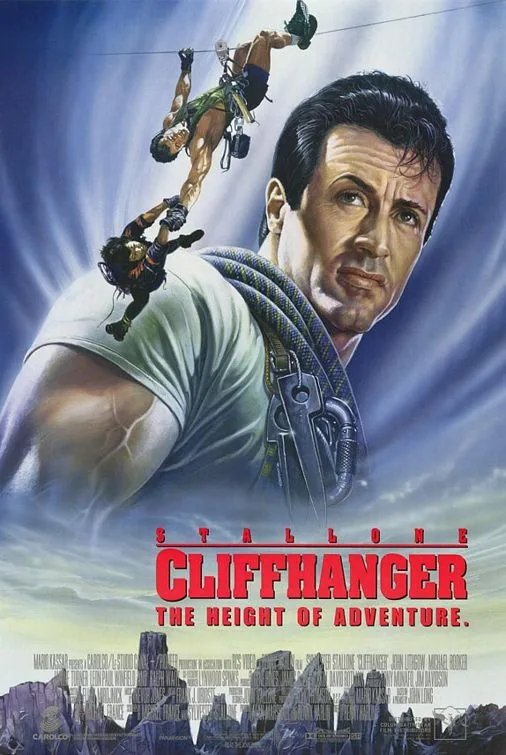
What changes Deepwater Horizon: escalating. Cliffhanger: fast.
Haunted by a fatal rescue attempt, a mountain ranger returns to collect his belongings just as criminals stranded after a failed airborne robbery summon help under false pretenses. They force the rescuers to locate money scattered across dangerous terrain. The mountains turn professional knowledge into both a resource the captors need and a means of resisting them, while guilt and damaged trust complicate the cooperation required to survive.
Both share themes of survival, plus an intense atmosphere.
Why this matches +
Genres: Drama / Thriller
Shared film traits
Based on recorded story, mood and style. Your preferences can change the order.
Survival
What changes Deepwater Horizon: escalating. The Grey: journey-driven and attritional.
After a plane crash in the Alaskan wilderness, oil workers led by sharpshooter John Ottway try to reach safety while a pack of wolves follows them. The group's injuries, dwindling supplies and disagreements make survival difficult even before the predators close in. Ottway's grief and spiritual doubt surface during the trek, giving the physical struggle an inward dimension without softening the wilderness's indifference.
Both share themes of responsibility and trust, plus a tense atmosphere.
Why this matches +
Genres: Thriller / Drama
Shared film traits
Based on recorded story, mood and style. Your preferences can change the order.
Survival
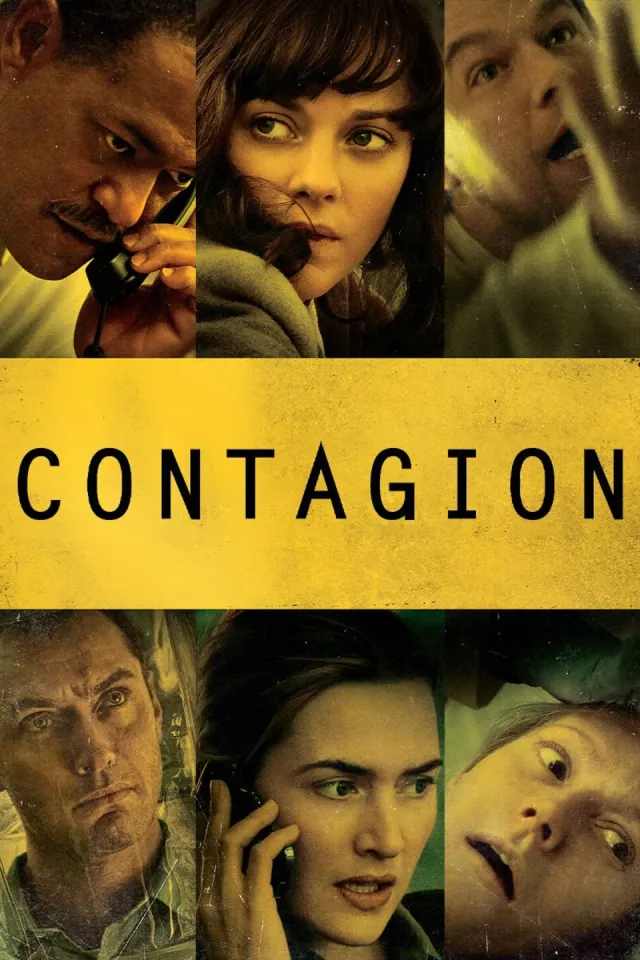
Expect tense and clinical, with steady and escalating pacing.
A lethal new virus spreads through travel and ordinary contact, leaving doctors, researchers, public officials and families to respond with incomplete information. Their parallel efforts follow transmission, treatment and the social consequences of uncertainty. Scientific work competes with political pressure and misinformation, while individual grief unfolds inside a crisis no single protagonist can solve.
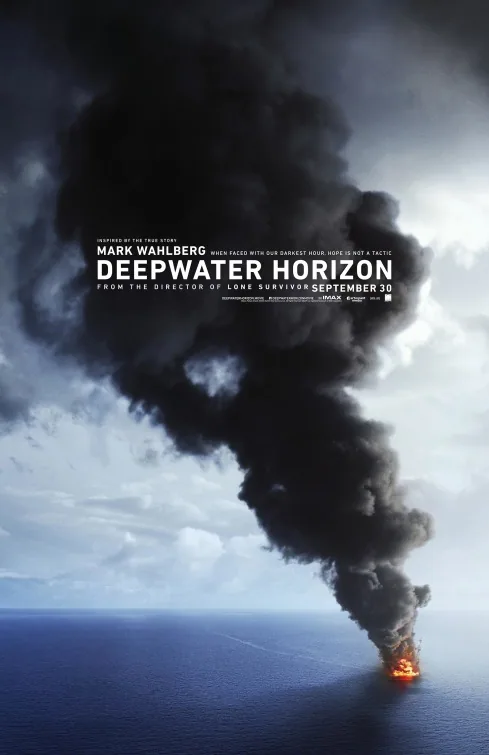
Workers preparing an offshore drilling rig for its next assignment encounter disagreements over tests, pressure readings and the time devoted to checking a well. Commercial urgency meets practical unease before a blowout turns technical interpretation into immediate physical survival. The disaster contracts attention to people trying to communicate, reach colleagues and escape failing systems, presenting catastrophe through a crew's limited ability to repair consequences that have already exceeded local control. The disaster is shown from workers’ limited vantage, while the real investigation involved a more complex chain of responsibility.
What drives the story
Disputed warning signs and preparation decisions precede a cascading industrial failure, after which incomplete information and damaged equipment constrain every rescue attempt.
The people at its centre
Workers depend on each other across authority levels, but the film's crew-centered perspective narrows a more complex chain of responsibility. The National Commission identified contributing errors and management failures across BP, Halliburton and Transocean; the movie's dramatic assignment of individual decisions is not a complete technical finding.
What it feels like
Dense mechanical environments, overwhelming sound and spreading fire make a dramatized industrial disaster physically immediate, with little space for confident panoramic control. Dense industrial geography, alarms and fire turn procedural uncertainty into immediate bodily danger.
Worth knowing
Match on institutional pressure overriding practical warnings and collective survival inside failing infrastructure. The National Commission traced contributing decisions to BP, Halliburton and Transocean; the film's dialogue, scene order and individual blame assignments remain dramatization, not a complete incident report.