The royal family's private response to Diana's death clashes with a public demand for shared mourning, forcing Blair and Elizabeth into a political negotiation.
Why this matches +
These offer a related experience with a meaningful difference in story, tone, or presentation.
An adjacent discovery: a related idea with a different viewing experience.
Genres: Drama / Biography
Shared film traits
Based on recorded story, mood and style. Your preferences can change the order.
What changes A royal woman faces a political and public-image crisis while balancing private family concerns with ceremonial duty.
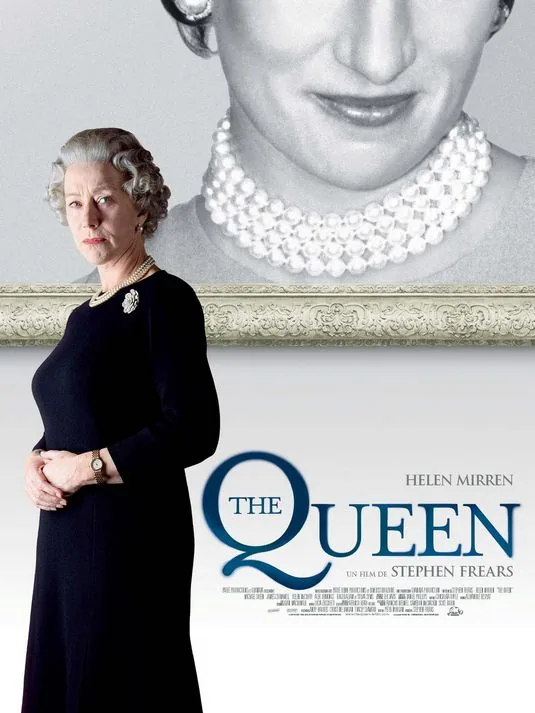
After Diana, Princess of Wales dies in a car crash in 1997, Queen Elizabeth II treats the event as a private family bereavement and remains at Balmoral with her grandsons. Prime Minister Tony Blair sees the public's grief and the absence of an official response as a crisis for both the monarchy and the new government. Their disagreement plays out through advisers, news coverage and an unprecedented display of flowers outside the palaces. Blair urges the Queen to acknowledge the country's mourning; she sees his proposals as yielding to public pressure. The film stages the week as a negotiation between protocol and changing public expectation, using the Queen's eventual response as a turning point in the monarchy's relationship with the public. Private conversations are dramatized, not documentary record.
A production's delays and disagreements create a short window in which a junior crew member can become emotionally important to a star under pressure.
Why this matches +
These offer a related experience with a meaningful difference in story, tone, or presentation.
An adjacent discovery: a related idea with a different viewing experience.
Genres: Drama / Biography
Shared film traits
Based on recorded story, mood and style. Your preferences can change the order.
What changes A film star's carefully managed public persona contrasts with the private vulnerabilities and pressures of fame.
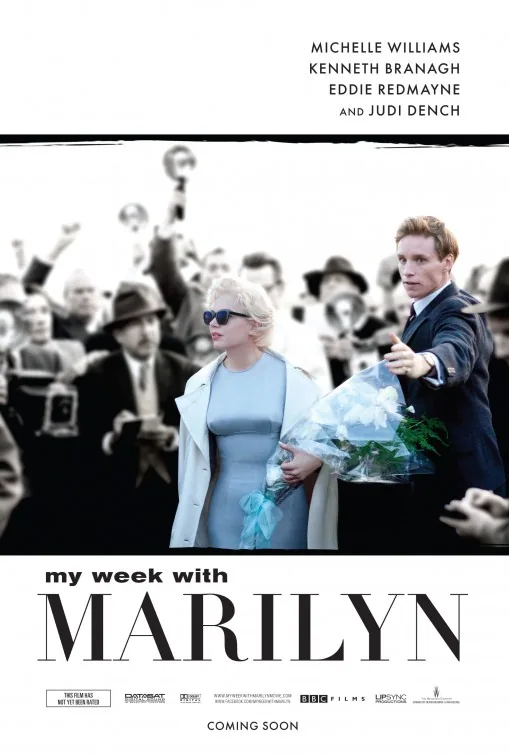
In 1956, aspiring filmmaker Colin Clark secures a junior job on Laurence Olivier's production of The Prince and the Showgirl. Marilyn Monroe arrives in England with her husband Arthur Miller and acting coach Paula Strasberg, but clashes with Olivier over preparation and performance. Colin becomes a confidant when Marilyn feels scrutinized and misunderstood, while his own romantic life shifts between wardrobe assistant Lucy and the famous star. Their brief escape from the set gives Colin a private story he later treats as formative. The film ends by distinguishing that personal memory from a lasting relationship.
In the days after an assassination, a first lady works to shape a public memorial while privately grieving.
Why this matches +
These offer a related experience with a meaningful difference in story, tone, or presentation.
An adjacent discovery: a related idea with a different viewing experience.
Genres: Drama / Biography
Shared film traits
Based on recorded story, mood and style. Your preferences can change the order.
What changes A famous woman negotiates private identity and public duty under intense scrutiny, with political ceremony shaping her choices.
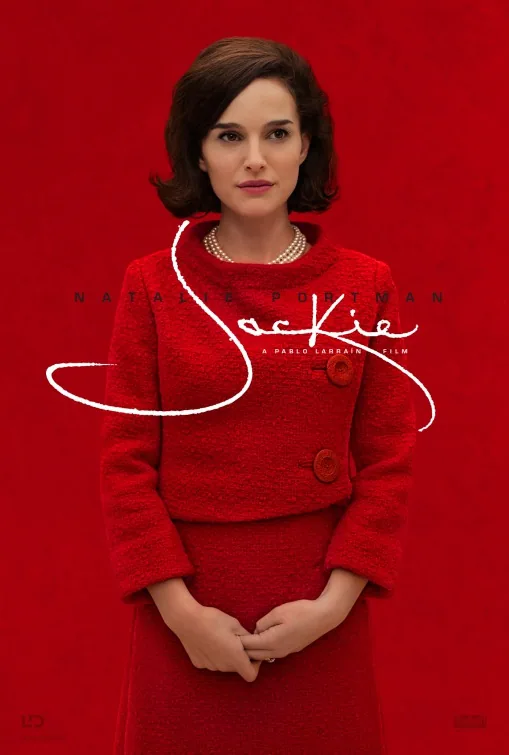
After President John F. Kennedy's assassination, Jacqueline Kennedy gives an interview about the days surrounding the funeral and her effort to shape how the country remembers her husband. The film moves through grief, public duty, and private conversations as she negotiates the White House's transition and the limits of her control over an official narrative. Pablo Larraín's portrait is intimate and subjective, using performance and ritual to explore mourning under constant observation.
A young foreign bride seeks privacy and pleasure inside a court whose dynastic expectations make her private choices political symbols.
Why this matches +
These offer a related experience with a meaningful difference in story, tone, or presentation.
An adjacent discovery: a related idea with a different viewing experience.
Genres: Historical / Drama
Shared film traits
Based on recorded story, mood and style. Your preferences can change the order.
What changes A woman entering royal life confronts ceremonial expectations, marriage and the gap between private identity and public image.
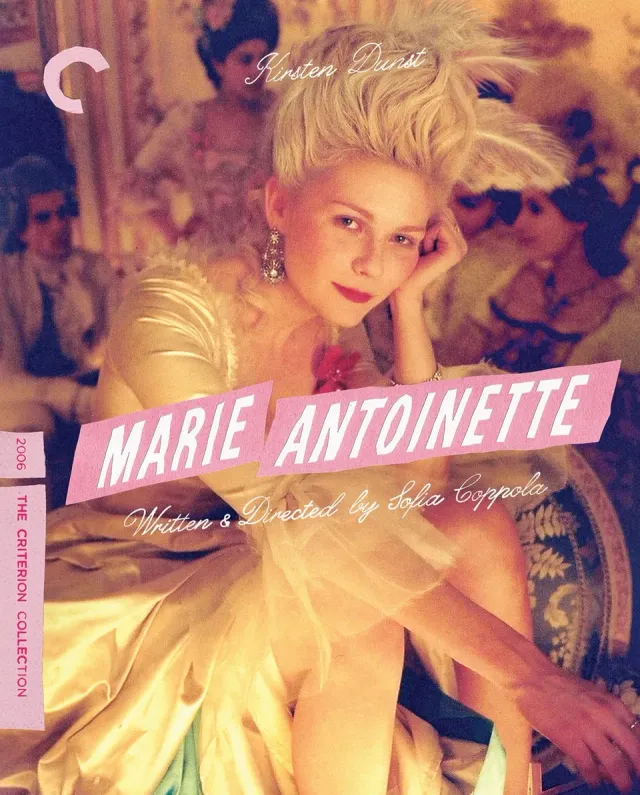
Sent to France as a teenager to secure an alliance, Marie Antoinette enters a royal court where marriage, ceremony and producing an heir are public duties. Her early years at Versailles are marked by isolation, strict protocol and pressure from the king's family; she finds escape in fashion, parties and a private circle even as criticism of royal spending grows. After becoming a mother, she retreats further to the Petit Trianon. The revolution eventually reaches Versailles, forcing the royal family from the palace as the film ends before her execution.
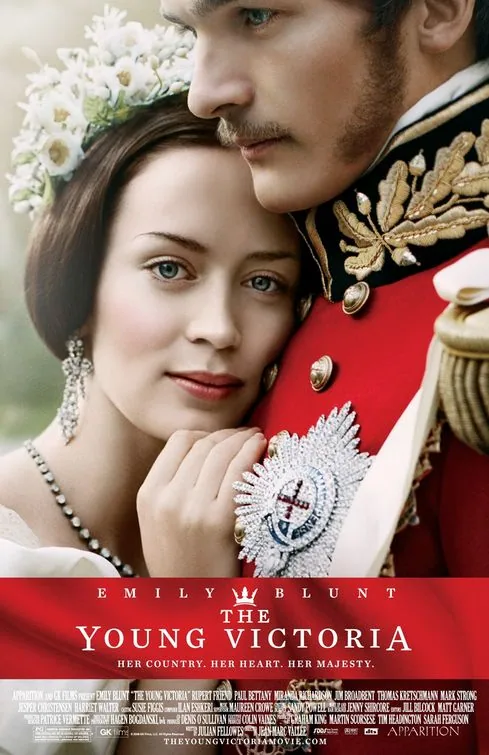
Victoria’s early reign turns every private choice into a question of political influence and public authority.
Why this matches +
These offer a related experience with a meaningful difference in story, tone, or presentation.
An adjacent discovery: a related idea with a different viewing experience.
Genres: Drama / Romance
Shared film traits
Based on recorded story, mood and style. Your preferences can change the order.
What changes A young royal navigates marriage, political pressure and the personal cost of a public role in a historical drama.
The young Victoria ascends to the British throne amid competing advisers who hope to influence the decisions of an inexperienced monarch. Her relationship with Prince Albert develops alongside her effort to establish authority and choose whom she trusts. The period drama frames court protocol and political pressure through a coming-of-age portrait, showing public responsibility and private affection as forces that shape one another rather than separate chapters of a royal biography.
In the early 1960s, Grace Kelly faces tension between Monaco and France while receiving an offer to return to Hollywood. Her public role as princess and her private connection to acting become competing versions of the future she might choose. Olivier Dahan centers the biographical drama on diplomacy, image and marriage, using formal settings to stage a period when a personal decision was also a matter of state.
What drives the story
A princess weighs a Hollywood invitation as Monaco navigates political pressure.
The people at its centre
Grace's identity as actor and royal complicates what she owes to herself and her family.
What it feels like
Its restrained portrait of celebrity and marriage gives the period drama an intimate scale within a public life.
Worth knowing
Its glossy period framing is a dramatization rather than a comprehensive political history.
DutyIdentityMarriage
Mood
Elegant · Restrained · Reflective
Pacing
Measured · Character-led
Visual style
Formal interiors · Period costumes · Ornate framing