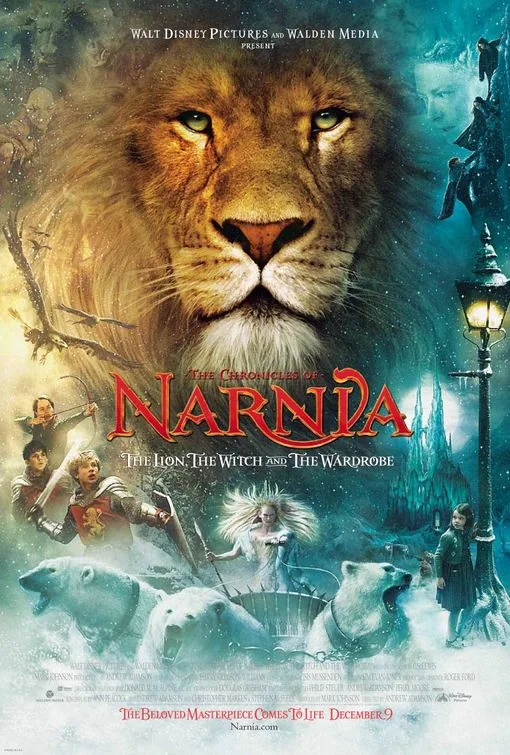
The wardrobe links an evacuation story to a frozen kingdom; Edmund's betrayal gives the White Witch leverage over the family and triggers the rescue quest.
Why this matches +
These films share central story, tone or viewing experiences with this selection.
Genres: Fantasy / Action
Shared film traits
Based on recorded story, mood and style. Your preferences can change the order.
Coming of age · Political resistance
What changes Children enter a magical land and help resist a witch.
Evacuated from wartime London to a country house, the four Pevensie children discover that a wardrobe opens onto Narnia, a land held in an endless winter by the White Witch. Lucy first meets the faun Tumnus, while Edmund is tempted into betraying his siblings. When the children return together, they join talking beavers and other allies to find Aslan and challenge the Witch. Their journey turns sibling resentment into cooperation, but the prophecy and Aslan's sacrifice make victory more costly than a simple battle between good and evil.
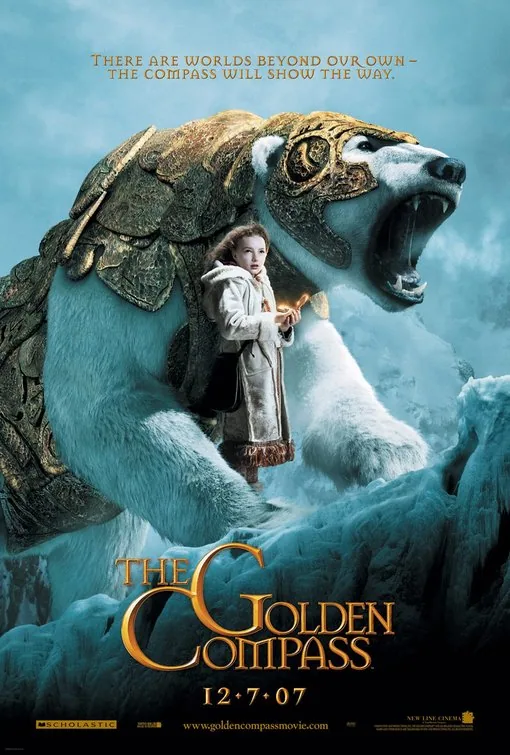
Lyra follows the kidnappings toward the Arctic, and each ally or clue expands her understanding of the institution behind them.
Why this matches +
These films share central story, tone or viewing experiences with this selection.
Genres: Science fiction / Fantasy
Shared film traits
Based on recorded story, mood and style. Your preferences can change the order.
Political resistance
What changes A young girl confronts a powerful institution in an imagined fantasy world.
In a parallel world where human souls appear as animal companions, young Lyra Belacqua learns that children are disappearing and that the powerful Magisterium is conducting secret experiments in the north. After receiving an alethiometer that can answer questions, she joins a group of travellers, armored bears and witches on a journey to rescue her friend Roger and uncover the institution’s plan. The film adapts the opening story of Philip Pullman’s trilogy, so its adventure also sets out a much larger conflict about authority, knowledge and human freedom.
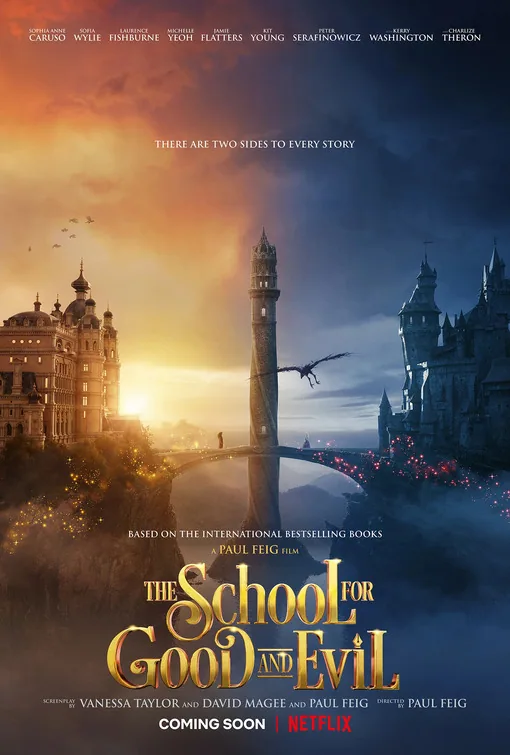
Sophie and Agatha’s placement at rival schools draws them into a conflict over the institutions’ origins and their own friendship.
Why this matches +
These films share central story, tone or viewing experiences with this selection.
Genres: Adventure / Fantasy
Shared film traits
Based on recorded story, mood and style. Your preferences can change the order.
Coming of age
What changes Two friends attend a fairy-tale school that sorts students into opposing roles.
Best friends Sophie and Agatha are swept from Gavaldon to a school that trains fairy-tale heroes and villains. Their placement at opposite institutions contradicts the roles they expected, challenging the friendship that has defined their lives. As the school’s rules and histories reveal a conflict between its founders, the girls question whether goodness and evil are identities a person inherits or choices made under pressure.
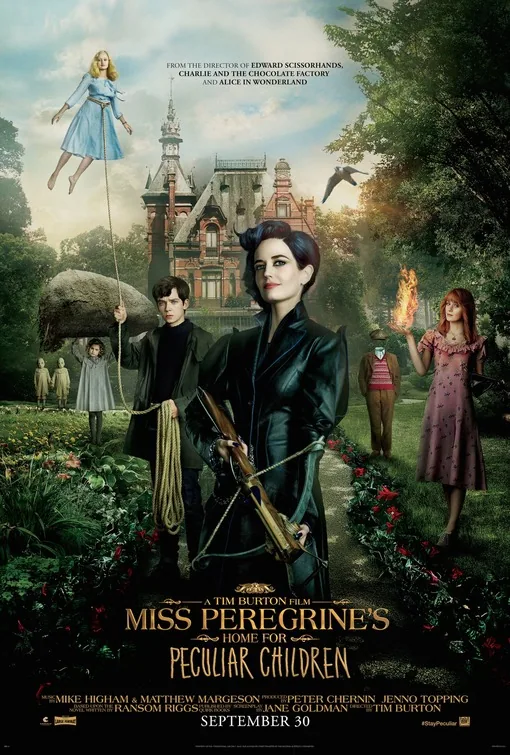
A grieving grandson enters a repeating wartime day and discovers that his grandfather's stories describe children in danger from invisible predators.
Why this matches +
These films share central story, tone or viewing experiences with this selection.
Genres: Fantasy / Adventure
Shared film traits
Based on recorded story, mood and style. Your preferences can change the order.
What changes A young outsider discovers a hidden group of children with unusual powers.
After his grandfather dies, Jake follows clues to a ruined Welsh orphanage and finds the children from his stories living inside a time loop that repeats September 3, 1943. Miss Peregrine resets the day to protect them from persecution, but Hollowgasts hunt Peculiars and can be seen only by those like Jake. He learns he has inherited his grandfather's ability to spot the monsters and helps the children survive after the loop is attacked. The film changes abilities and plot elements from Ransom Riggs's novel, making Jake's discovery a dark-fantasy rescue story about inheritance and the cost of hiding.
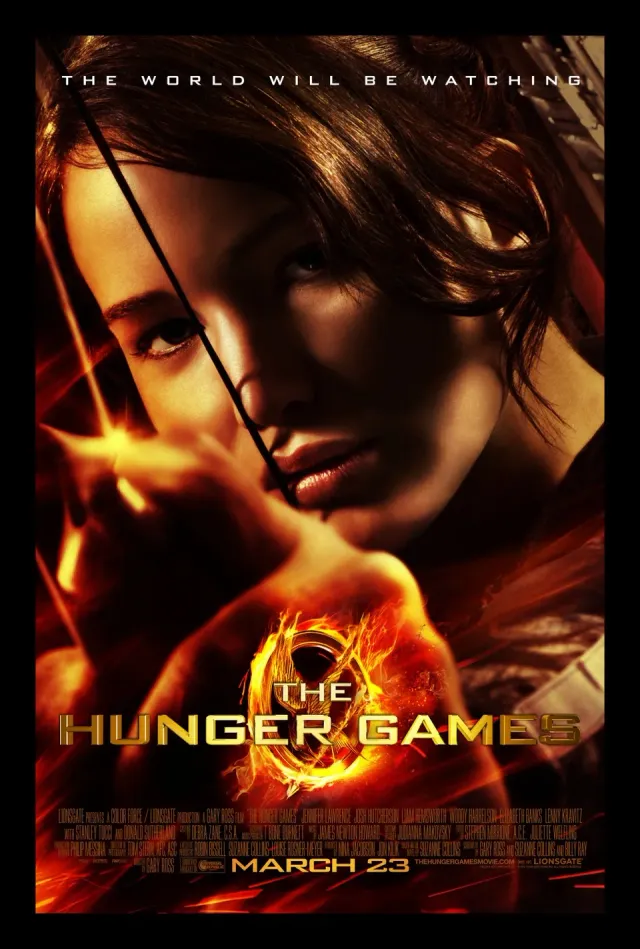
A coercive televised tournament makes survival depend on practical skill and managing an audience whose attention can be both a resource and an instrument of control.
Why this matches +
These films explore a related idea in a different style, setting or audience.
An adjacent discovery: a related idea with a different viewing experience.
Genres: Science fiction / Fantasy
Shared film traits
Based on recorded story, mood and style. Your preferences can change the order.
Political resistance
What changes A teenager survives a televised contest in a more violent dystopian society.
A teenager volunteers to replace her younger sister in an annual contest that forces young people from impoverished districts to kill one another for a wealthy capital's entertainment. Training and presentation make public image part of survival before she enters a closely controlled arena. A fellow contestant's declared affection and the expectations of spectators force her to consider when a gesture is personal, strategic or capable of disrupting the authorities' intended story.
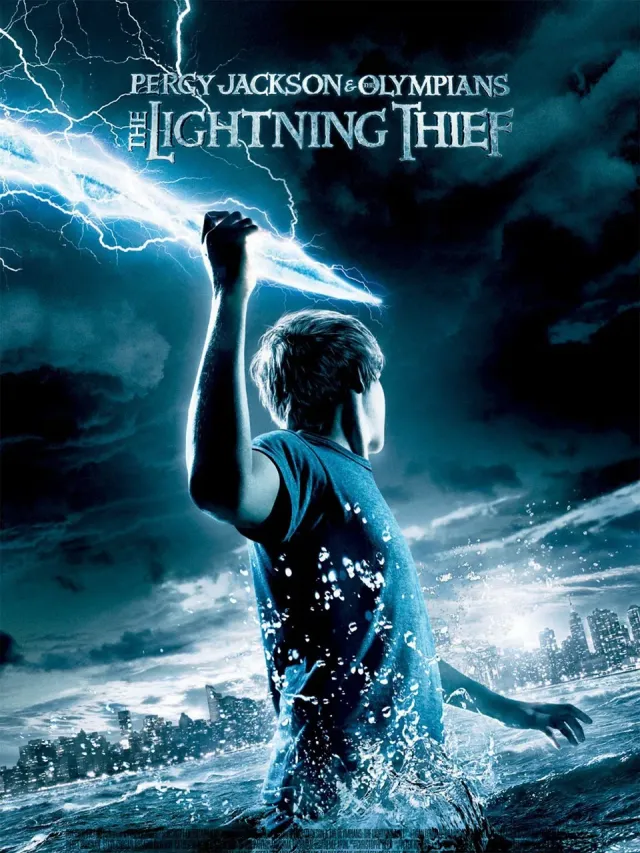
The theft accusation turns Percy’s discovery of his parentage into a deadline-driven quest, with the gods’ conflict shaping every stop along the way.
Why this matches +
These films explore a related idea in a different style, setting or audience.
An adjacent discovery: a related idea with a different viewing experience.
Genres: Fantasy / Adventure
Shared film traits
Based on recorded story, mood and style. Your preferences can change the order.
Coming of age
What changes A young demigod discovers his identity and embarks on a mythic quest.
Sixteen-year-old Percy Jackson is accused by Zeus of stealing the master lightning bolt, although he has only just learned that he is Poseidon’s demigod son. With war among the gods threatening, Percy leaves Camp Half-Blood with Annabeth Chase and his satyr friend Grover to find the bolt and rescue his mother from the Underworld. Their journey moves through encounters with mythological figures and contemporary American locations before Percy learns that the theft is part of a betrayal within the camp. He must face the true thief and return the bolt before the deadline, while deciding whether divine ancestry defines who he is.
A young wizard's account of a returning enemy is denied by authorities whose reputation depends on treating the warning as an invented disturbance. A government-appointed teacher restricts practical defence and imposes rules that make ordinary school discipline an instrument of political control. Secret training among students gives shared fear a constructive form, while disturbing mental experiences make the protagonist uncertain whether the access he seems to have to the enemy is an advantage or another vulnerability.
What drives the story
Official denial and coercive schooling push students to build an unauthorised capacity for defence while unreliable information threatens to redirect their resistance.
The people at its centre
An angry, isolated witness learns to teach and depend on peers as adult institutions demand obedience without supplying credible protection.
What it feels like
Institutional frustration and tense preparation build towards concentrated action and an emotionally severe confrontation with loss.
Worth knowing
Its rebellion concerns credibility and imposed authority more than the wonder of learning magic, and the coming-of-age setting does not remove its psychological pressure.