Based on recorded story, mood and style. Your preferences can change the order.
Romance and intimacy · Family and care
What changes Hot Frosty: light, romantic and steadily sentimental. Wicker: comic escalation, character-led and episodic.
On the edge of a seaside village, a solitary fisherwoman is mocked for her smell, independence, and opinions. Tired of her neighbors’ treatment, she commissions an artisan to make her a husband from wicker. The unusual romance unsettles the town’s conventions and provokes jealousy and chaos. Alex Huston Fischer and Eleanor Wilson shape the fable as a comic fantasy about intimacy, social belonging, and the costs of respectability.
Both share themes of grief and hope, plus a whimsical atmosphere.
Why this matches +
Genres: Family / Fantasy
Shared film traits
Based on recorded story, mood and style. Your preferences can change the order.
Family and care
What changes Hot Frosty: light, romantic and steadily sentimental. A Boy Called Christmas: aunt ruth begins a story of nikolas’s quest and and each stage of his journey brings him closer to elfhelm and its people..
On Christmas Eve, Aunt Ruth tells three grieving children a story about Nikolas, a boy who leaves home to search for the fabled land of Elfhelm. With his speaking mouse Miika, Nikolas encounters a world of elves and dangers while trying to discover what happened to his father and help the people he meets. The frame story and fantasy journey connect loss with generosity and hope.
Based on recorded story, mood and style. Your preferences can change the order.
What changes Hot Frosty: light, romantic and steadily sentimental. Penelope: light and storybook-like and gradual romantic development.
Penelope Wilhern is born into a wealthy family with a pig-like nose caused by a curse, and her parents believe that marriage to someone from their own social class will break it. Potential suitors are screened in private, while Penelope grows tired of being hidden from public view. A young man’s arrival opens a new possibility, but she must decide whether her future should depend on someone else’s acceptance. Mark Palansky’s modern fairy tale mixes romance, comedy, and fantasy with a story about self-image and independence.
Based on recorded story, mood and style. Your preferences can change the order.
Romance and intimacy · Memory and identity
What changes Hot Frosty: light, romantic and steadily sentimental. Atlantique: slow atmospheric build, interwoven perspectives and mystery revelation.
On the outskirts of Dakar, construction workers leave by sea after months without pay, including Souleiman, who is in love with Ada. Ada is promised to a wealthier man, and the crossing leaves her waiting for news as her wedding approaches. A detective investigates a mysterious fire while young women in the community suffer an unexplained illness. The story blends romance, migration, social inequality, and the supernatural presence of those lost at sea.
Based on recorded story, mood and style. Your preferences can change the order.
Romance and intimacy · Memory and identity
What changes Hot Frosty: light, romantic and steadily sentimental. Disenchanted: musical, episodic, comic and escalating fantasy.
Years after settling in Manhattan, Giselle, Robert and their family move to the suburb of Monroeville hoping for a simpler life. The change leaves teenage Morgan feeling displaced, while Giselle struggles with renovations and the rhythms of a new town. After receiving a wish-granting wand, Giselle tries to reshape the community into a fairy-tale world and discovers that the wish affects her own identity as well as the people around her.
Based on recorded story, mood and style. Your preferences can change the order.
Romance and intimacy · Memory and identity
What changes Hot Frosty: light, romantic and steadily sentimental. The Greatest Hits: gentle, episodic and emotionally cumulative.
Harriet discovers that certain songs transport her into memories of her former boyfriend Max, who died in an accident. She begins revisiting the past in hopes of altering a loss that cannot be undone, while meeting David in the present and building a new connection. The speculative romance frames grief through an everyday experience of listening and asks how memory, longing and the desire for control can interfere with moving forward.
Based on recorded story, mood and style. Your preferences can change the order.
Memory and identity
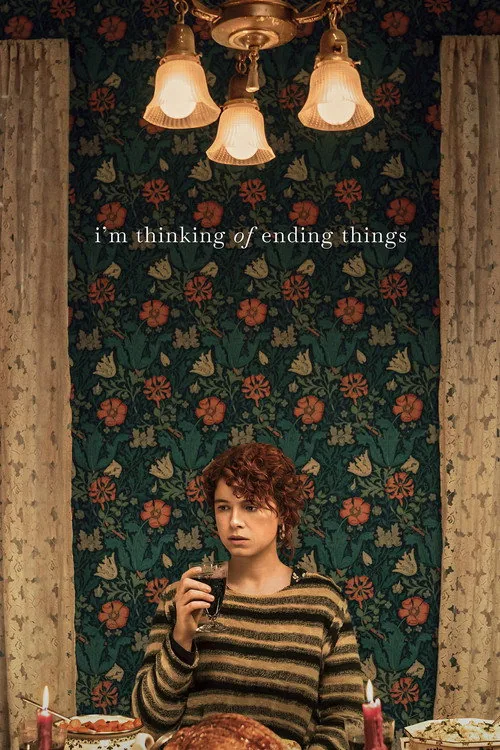
What changes Hot Frosty: light, romantic and steadily sentimental. I'm Thinking of Ending Things: a trip to meet a boyfriend’s parents gradually reveals mismatches in memory and point of view..
A young woman travels with her boyfriend Jake to meet his parents at their remote farmhouse, while an elderly school janitor’s workday is shown in parallel. The woman’s name, past, and account of how she met Jake shift, and the visit grows stranger as his parents change age and the couple’s drive home moves into a snowstorm. Charlie Kaufman’s adaptation of Iain Reid’s novel links the trip to the janitor’s memories and fantasies, using theatre, poetry, and film references to leave the story’s reality open to interpretation.
Based on recorded story, mood and style. Your preferences can change the order.
Memory and identity
What changes Hot Frosty: light, romantic and steadily sentimental. Just like Heaven: measured and gentle.
An architect rents a San Francisco apartment and discovers that a woman’s presence seems to remain there, though she cannot explain how she arrived. Their early conflict gives way to a search for answers and a relationship built under unusual circumstances. The romantic fantasy balances grief, memory and domestic comedy as the pair confront what can and cannot be changed.
Based on recorded story, mood and style. Your preferences can change the order.
Memory and identity
What changes Hot Frosty: light, romantic and steadily sentimental. A Big Bold Beautiful Journey: chance meeting introduces the pair, past episodes reveal formative choices and journey tests their willingness to change.
Sarah and David are single strangers who meet at a mutual friend's wedding and find themselves drawn into a fantastical journey through doors that lead to defining moments in their pasts. Revisiting those memories helps them understand how earlier choices shaped their present relationships and their hesitation about commitment. Each encounter offers a chance to reconsider the future, though changing one's outlook is not as simple as rewriting an old scene. This romantic fantasy uses a magical road trip and reflective detours to explore regret, emotional openness, and the possibility of beginning again.
Kathy, a widow running a small diner, is struggling with grief and the burden of keeping her life moving. A magical scarf brings a snowman to life as a charming man who experiences the world with childlike openness. Their unlikely connection encourages Kathy to reengage with friendship, community and romance while the snowman's temporary nature gives their holiday story a gentle edge of impermanence.
What drives the story
A lonely widow finds companionship after a snowman magically becomes a man.
The people at its centre
Kathy's grief gives way to curiosity while Jack learns how people navigate ordinary life and loss.
What it feels like
The fantasy lets a holiday romance address bereavement without abandoning its comic warmth.
Worth knowing
Its appeal rests on a simple magical premise and the comfort of seasonal romance.
griefromancecommunity
Mood
sweet · whimsical · gentle · festive
Pacing
light · romantic · steadily sentimental
Visual style
bright winter colors · snow-covered town · cozy diner interiors