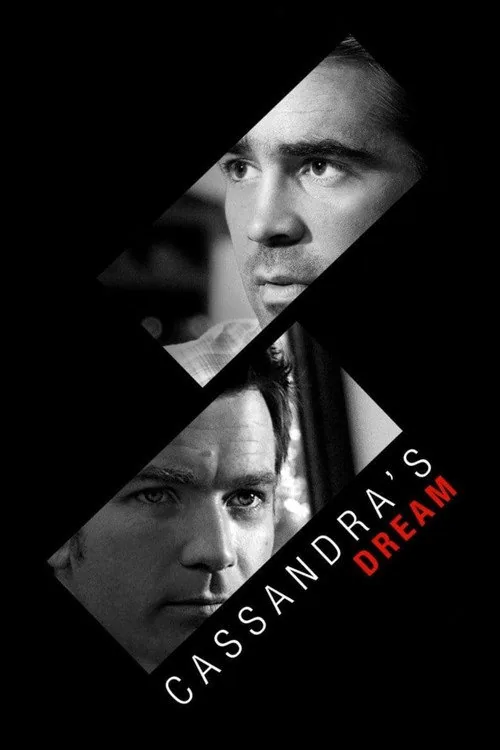
An uncle's offer of financial rescue depends on a killing that the brothers struggle to live with afterward.
Why this matches +
Selected for the central appeal: An unhappy philosophy professor turns an abstract moral idea into a crime that destabilizes his relationships.
Genres: Crime / Drama
Shared film traits
Based on recorded story, mood and style. Your preferences can change the order.
What changes Woody Allen connects philosophical rationalization and personal ambition to a contemplated murder, then follows the moral and practical consequences.
South London brothers Terry and Ian need money for different reasons: Terry's gambling losses create debt, while Ian wants to fund a business and impress an actress. Their wealthy uncle Howard offers help if they carry out a murder that protects his business interests. The brothers accept, but the crime transforms their plans into an escalating moral and psychological crisis. Woody Allen's crime drama borrows the structure of Greek tragedy to show how financial desperation and family loyalty can turn into irreversible complicity.
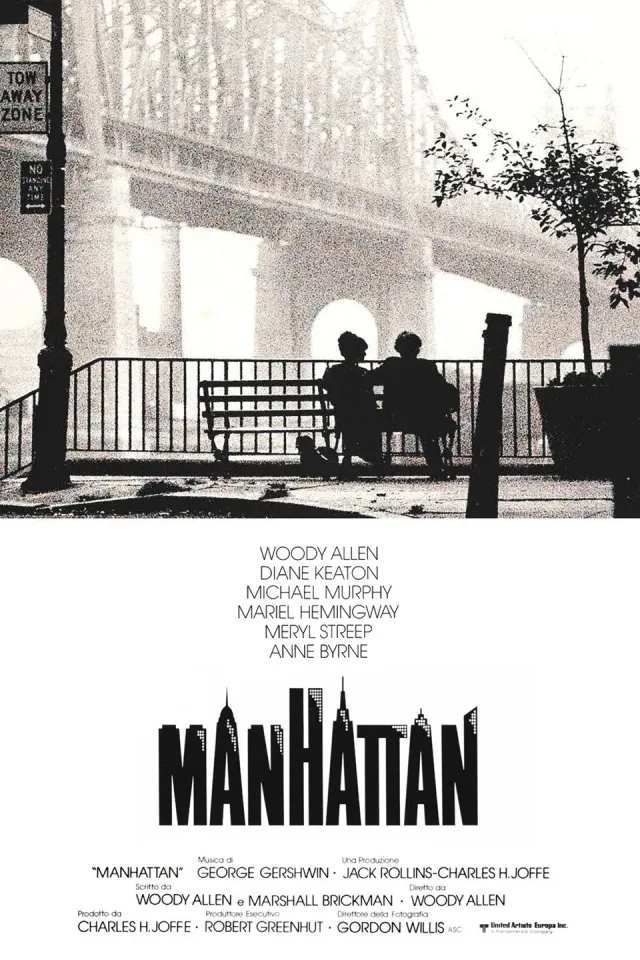
Isaac’s attraction to Mary repeats the kind of betrayal he condemns in Yale, while the relationship with Tracy exposes his ability to treat a teenager’s feelings as temporary and available to his own story.
Why this matches +
These offer a related experience with a meaningful difference in story, tone, or presentation.
An adjacent discovery: a related idea with a different viewing experience.
Genres: Comedy / Drama
Shared film traits
Based on recorded story, mood and style. Your preferences can change the order.
What changes Woody Allen explores intellectual self-image and ethically tangled relationships through conversational comedy and personal crisis.
Forty-two-year-old television writer Isaac Davis dates seventeen-year-old Tracy while criticizing his friend Yale for having an affair with Mary. Isaac then becomes involved with Mary himself, repeating the self-serving behavior he had judged in Yale. His ex-wife’s memoir makes his private conduct a public story, and Tracy’s plan to study in London reveals how casually he assumes her feelings will wait for him. The comedy’s idealized New York surface—black-and-white cinematography, Gershwin and a lyrical opening voice—sits uneasily beside its age and power imbalance. Isaac’s self-description is not a neutral guide to what Tracy experiences. The film can be admired as a formal portrait of a city and a cohort while still asking viewers to notice whom its romantic framing protects.
A staged hitman persona helps Gary prevent crimes until his attraction to a client makes the deception harder to control.
Why this matches +
These offer a related experience with a meaningful difference in story, tone, or presentation.
An adjacent discovery: a related idea with a different viewing experience.
Genres: Comedy / Crime
Shared film traits
Based on recorded story, mood and style. Your preferences can change the order.
What changes A professor adopts a false identity tied to killing and finds that performance, desire and moral judgment complicate the role.
Gary Johnson is a mild-mannered professor who assists New Orleans police by posing as a contract killer in sting operations. He creates different personas for potential clients, but his performance becomes personal when he meets Madison, a woman seeking help against an abusive husband. Richard Linklater’s romantic crime comedy explores the unstable line between role and identity, letting improvisation become both a professional skill and a risky way to shape a new life.
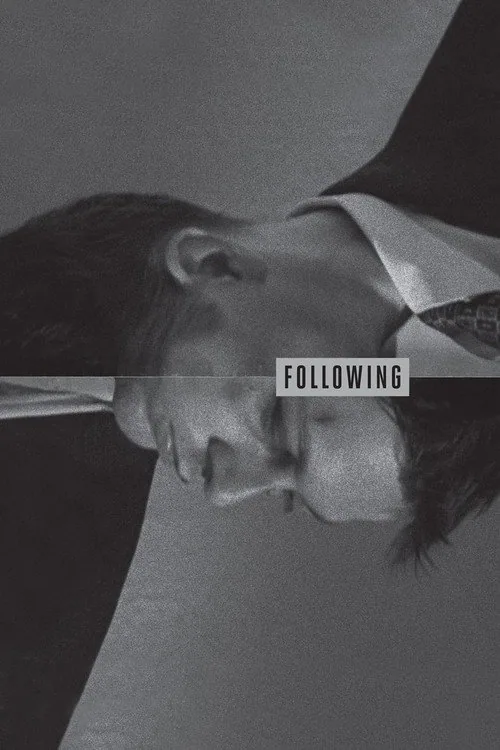
The writer follows strangers and becomes involved with Cobb’s burglaries and manipulation.
Why this matches +
These offer a related experience with a meaningful difference in story, tone, or presentation.
An adjacent discovery: a related idea with a different viewing experience.
Genres: Crime / Thriller
Shared film traits
Based on recorded story, mood and style. Your preferences can change the order.
What changes A seemingly abstract curiosity about strangers draws a man into criminal behavior and an increasingly unstable relationship with his own motives.
An aspiring writer begins trailing strangers through London, telling himself that the habit will supply material for fiction. After a confrontation with a burglar called Cobb, he is drawn into a series of break-ins and a scheme that blurs observation with participation. Christopher Nolan’s first feature rearranges the chronology, returning to scenes with new context as the writer becomes entangled in a deception whose consequences he has not understood. The black-and-white crime film makes the act of following people a source of both story and danger.
Albert's attempt to explain recurring coincidences brings competing philosophies into contact with his activism and social circle.
Why this matches +
These offer a related experience with a meaningful difference in story, tone, or presentation.
An adjacent discovery: a related idea with a different viewing experience.
Genres: Comedy / Drama
Shared film traits
Based on recorded story, mood and style. Your preferences can change the order.
What changes Characters turn philosophical questions about meaning and identity into a comic examination of their everyday choices.
Environmental activist Albert Markovski hires a pair of existential detectives after a series of coincidences unsettles his sense of meaning. Their investigations draw in a corporate executive, his girlfriend, and another client, turning private anxieties into overlapping comic disputes about identity, connection, and the natural world. As the detectives' theories compete with a more cynical approach, Albert's search for a satisfying explanation becomes part of the film's joke. David O. Russell's ensemble comedy uses philosophical arguments as a springboard for chaotic, self-questioning character collisions.
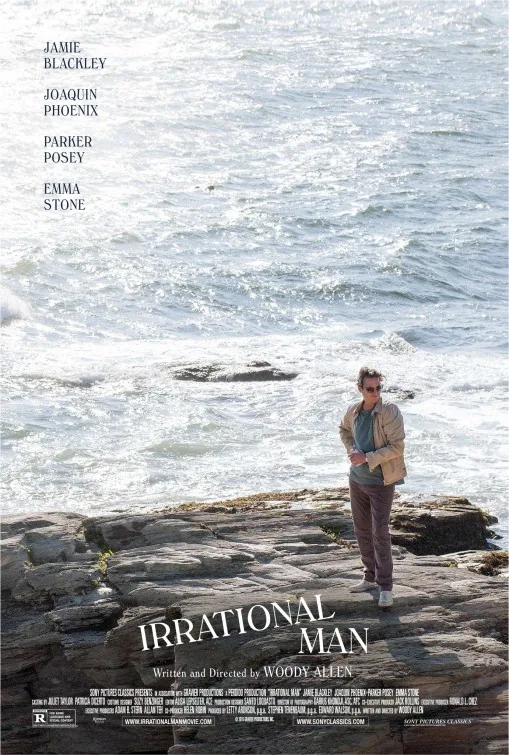
Philosophy professor Abe Lucas arrives at a small college in existential crisis and quickly becomes the subject of curiosity among colleagues and students. A chance overheard conversation gives him an idea that he believes will make life meaningful, with consequences that alter his relationships and sense of control. Woody Allen blends campus comedy and moral suspense, letting a seemingly abstract ethical question become a personal crime story.
What drives the story
An existentially troubled professor makes a choice that turns into a moral and criminal problem.
The people at its centre
Abe's relationship with Jill and Rita exposes different projections of who he might become.
What it feels like
The shift from campus flirtation to ethical suspense tests the professor's stated ideas.
Worth knowing
Its philosophical setup and tonal changes will appeal to viewers comfortable with moral ambiguity.
MeaningMoralityDesire
Mood
Wry · Uneasy · Philosophical
Pacing
Gradual · Turn-driven
Visual style
College settings · Conversational scenes · Understated suspense