Based on recorded story, mood and style. Your preferences can change the order.
Coming of age
What changes It: nonlinear and episodic. It: steady.
Children in a Maine town begin connecting disappearances to a predatory presence that appears in the forms they fear most. Already isolated by bullying, bereavement and abusive adults, they build a friendship strong enough to investigate what the town refuses to confront. Their summer becomes a shared struggle against a creature whose power depends on separating them and making private terror feel inescapable.
Both centre on creature threat and coming-of-age friendship.
Why this matches +
Genres: Horror / Drama
Shared film traits
Based on recorded story, mood and style. Your preferences can change the order.
Memory and identity
What changes It is tagged spooky and somber; It: Chapter Two is tagged disturbing and sentimental.
Twenty-seven years after childhood terror in Derry, a new cycle of violence calls the surviving Losers back to a town most of them can barely remember. Mike has stayed and asks the others to honor their childhood promise; each adult must retrieve an object tied to a memory before the group attempts the Ritual of Chüd. These returns are not neutral acts of recovery: shame and fear have shaped what each person can recall or admit. Richie’s grief and unspoken attachment to Eddie add a queer emotional thread, while the film’s invented use of Indigenous ritual language carries its own representational baggage. The long sequel alternates nostalgic reunion with graphic set pieces and ends in an altered adaptation-specific resolution, not the novel’s or television miniseries’ version.
Based on recorded story, mood and style. Your preferences can change the order.
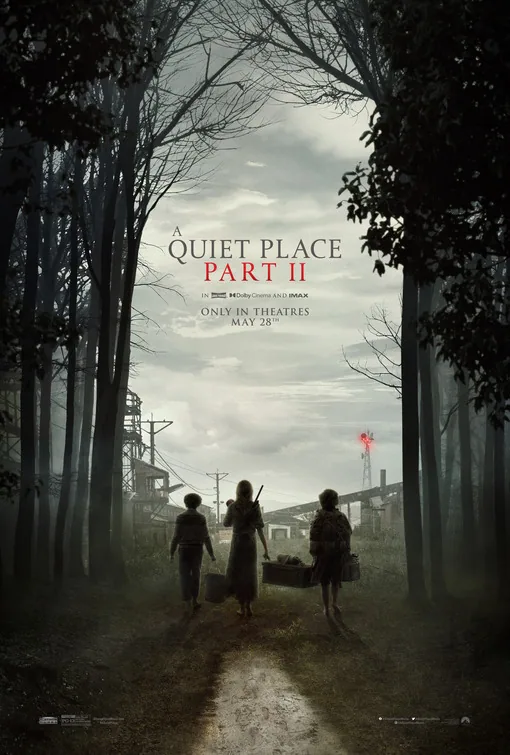
What changes It: nonlinear and episodic. A Quiet Place: Part II: fast.
After losing their father and the protection of their home, a family enters a wider landscape shaped by the same sound hunting creatures. A discovered weakness offers a way to resist, but using it requires a dangerous journey and trust in another survivor. The children begin taking responsibilities adults have treated as their own, while separate groups discover that apparent refuge can be threatened from outside its boundaries.
Based on recorded story, mood and style. Your preferences can change the order.
Memory and identity
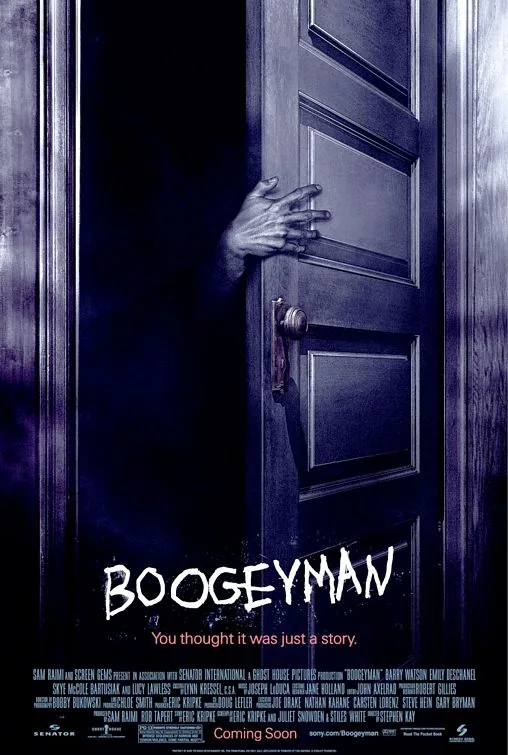
What changes It: nonlinear and episodic. Boogeyman: escalating and suspense-led.
A young man who has spent years avoiding the house where his father disappeared returns after a death in the family and finds his old fear of a creature in the closet reawakened. As unsettling events pull him back toward childhood memories, he tries to distinguish trauma from a threat that may be real. The horror film turns a familiar childhood fear into an adult struggle with memory and avoidance.
Both share themes of friendship, plus a somber atmosphere.
Why this matches +
Genres: Horror
Shared film traits
Based on recorded story, mood and style. Your preferences can change the order.
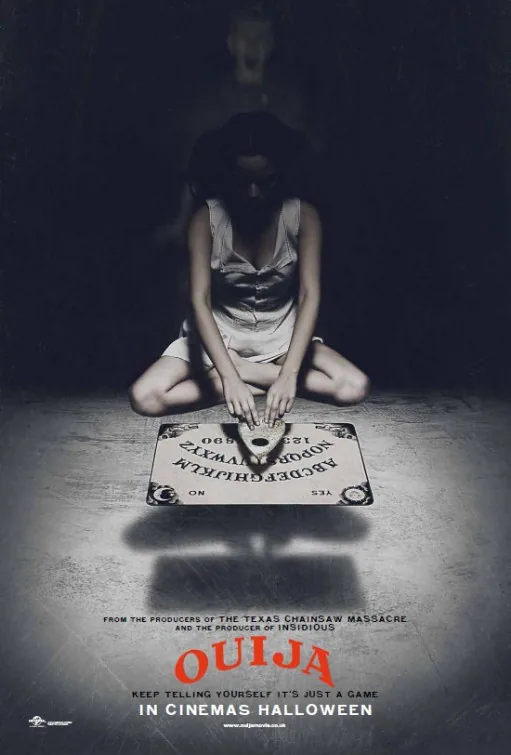
What changes It: nonlinear and episodic. Ouija: slow reveal followed by escalating scares.
After a young woman’s unexplained death, her friends use a spirit board to contact her and instead awaken a presence that grows more dangerous with each attempt. Their investigation leads them through a house and its history, turning grief into a horror story about curiosity and unseen consequences. The film builds tension through familiar supernatural rules and a group of young characters facing a threat they do not understand.
Based on recorded story, mood and style. Your preferences can change the order.
Memory and identity
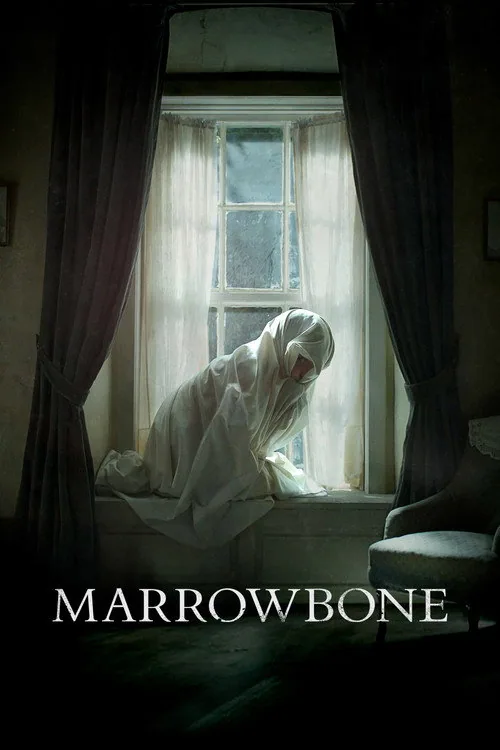
What changes It: nonlinear and episodic. Marrowbone: family arrival and loss, domestic mystery deepens and secrets and past violence converge.
After moving with their mother from England to a rural Maine estate, four siblings try to remain together after her death, hiding what has happened until the eldest can claim legal guardianship. Jack takes responsibility for the household and begins a relationship with Allie, while strange sounds and covered mirrors reinforce the children's belief that a dangerous presence is trapped in the house. As money and official scrutiny threaten their secret, the siblings must face the family's violent past and determine whether the haunting is supernatural or something more painful.
Based on recorded story, mood and style. Your preferences can change the order.
Memory and identity
What changes It: nonlinear and episodic. Goodnight Mommy: slow-burn unease, repeated domestic routines and gradual mystery escalation.
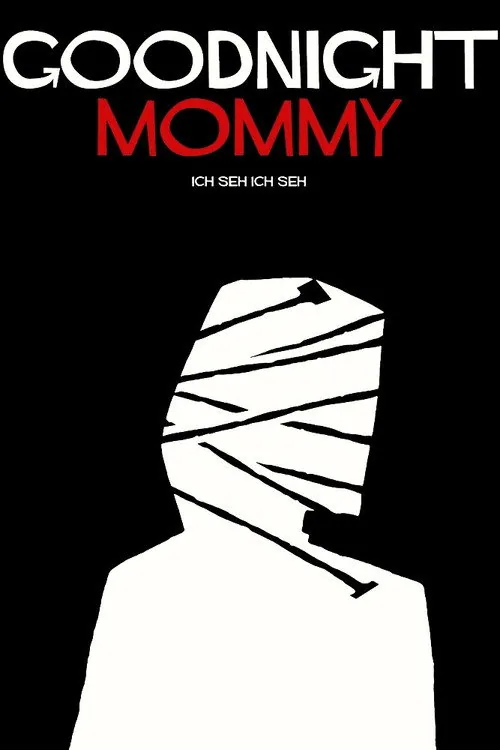
After their mother returns from facial surgery with her head covered in bandages, twin boys Elias and Lukas find her behavior strangely distant and severe. The family lives in an isolated modern house, where closed blinds, rules about silence, and a widening gap between the brothers and their mother create a tense domestic mystery. Their suspicions grow as small inconsistencies accumulate and the children try to determine whom they can trust. This Austrian psychological horror film relies on restraint, repetition, and the twins' limited point of view rather than frequent shocks.
Based on recorded story, mood and style. Your preferences can change the order.
Memory and identity
What changes It: nonlinear and episodic. Insidious: slow burn and escalating.
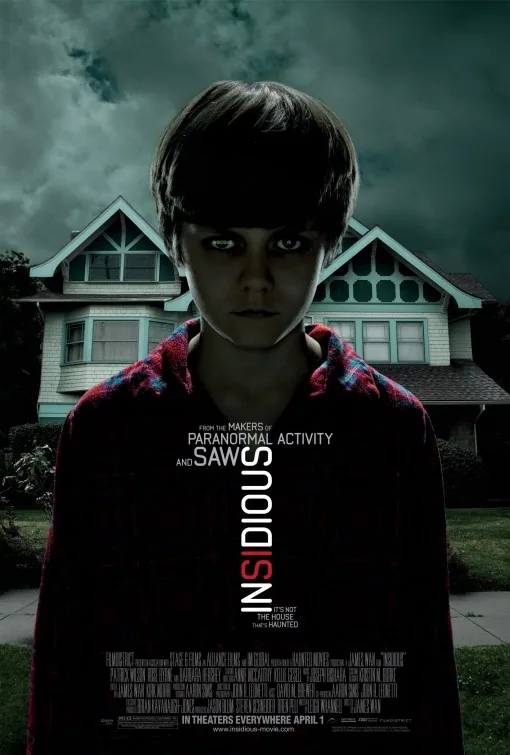
A child's unexplained unresponsiveness coincides with frightening disturbances that follow his family even after they leave their house. A specialist offers an account in which his consciousness has traveled away from his body, making that body available to other presences. The proposed rescue uncovers an earlier family history that had been concealed rather than resolved. The supernatural horror shifts its threat from a dangerous property to a vulnerable relationship between body, memory and inherited ability, making moving home an inadequate escape.
Based on recorded story, mood and style. Your preferences can change the order.
What changes It: nonlinear and episodic. Poltergeist: escalating disturbances lead to a rescue climax.
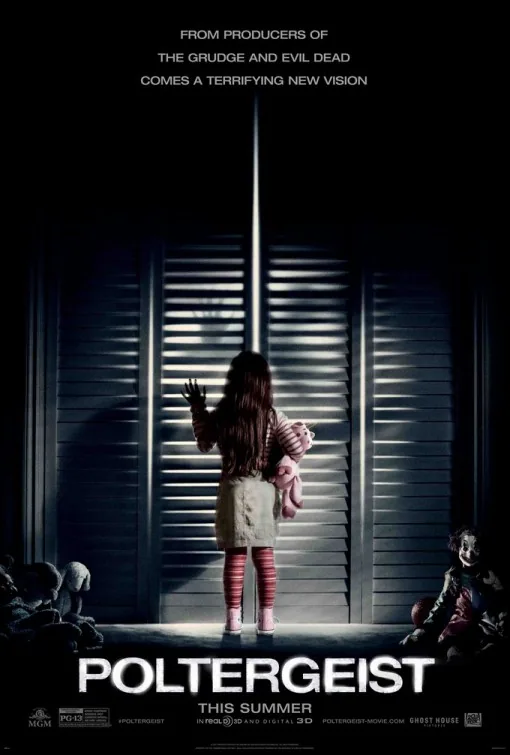
A family moves into a suburban home where a series of increasingly dangerous supernatural events culminates in the disappearance of their youngest daughter. Her parents and siblings must work together with specialists to find her before the house’s presence becomes irreversible. The remake uses a familiar family-under-threat structure, pairing domestic warmth with haunted-house shocks and urgent rescue.
Adults who once formed a childhood refuge are summoned back to their Maine hometown when the threat they believed defeated begins killing again. Memories of bullying, abuse and a shape-changing predator gradually restore the shared history that distance had blurred. Their earlier bond supplies a means of resistance, but returning also requires confronting what each carried into adulthood. The two-part television adaptation interweaves childhood and reunion, making the monster's access to private fear depend on a community's repeated failure to protect its children.
What drives the story
A recurring predator reactivates a childhood oath, with recovered memories explaining both the group's earlier victory and the conditions of its renewed confrontation.
The people at its centre
The Losers' collective recognition counters isolation imposed by bullies and unsafe adults, while adult attachments and reluctance complicate the promise to act together again.
What it feels like
Television pacing, intercut time periods and a personable clown performance alternate intimate fear with overt supernatural manifestations and a later ensemble return.
Worth knowing
This entry is the two-part 1990 television adaptation, not the 2017 film; keep its dates, framing and level of explicit violence distinct from later versions.
FriendshipTraumaMemory
Mood
Spooky · Somber · Heartfelt
Pacing
Nonlinear · Episodic
Visual style
Television-scale effects · Intercut generations
Storytelling
Two-part television adaptation · Recurring predator · Adult oath renewed