An isolated gathering is disrupted by an alien presence, and a group of old friends must survive both infection and an expanding military response.
Why this matches +
Selected for the central appeal: Horror about adults returning to childhood trauma, lost memories and a recurring supernatural threat.
Genres: Science fiction / Horror
Shared film traits
Based on recorded story, mood and style. Your preferences can change the order.
Memory and identity
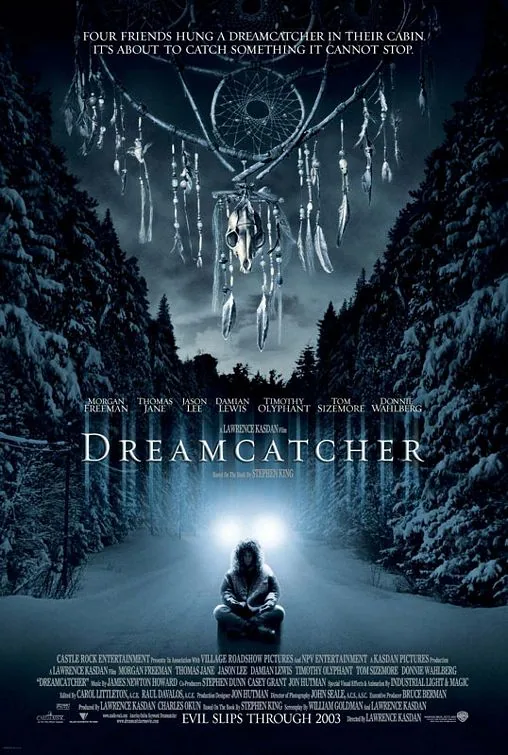
What changes Dreamcatcher reunites childhood friends whose adult lives are disrupted by a terrifying supernatural encounter.
Four longtime friends gather for their annual trip to a remote cabin, where an encounter with a stranger brings an alien infection and military quarantine into their lives. Their childhood bond and unusual shared memories become important as the crisis spreads through the surrounding woods. The adaptation blends friendship drama, body horror and science-fiction invasion, shifting between private loyalties and the authorities’ attempt to contain a threat they do not fully understand.
A shared television obsession becomes a challenge to Owen’s assumed identity, and his refusal to risk rupture lets routine harden into accumulating dread. Maddy’s return makes explicit the recognition Owen has been trying not to act on.
Why this matches +
These offer a related experience with a meaningful difference in story, tone, or presentation.
An adjacent discovery: a related idea with a different viewing experience.
Genres: Horror / Drama
Shared film traits
Based on recorded story, mood and style. Your preferences can change the order.
Memory and identity
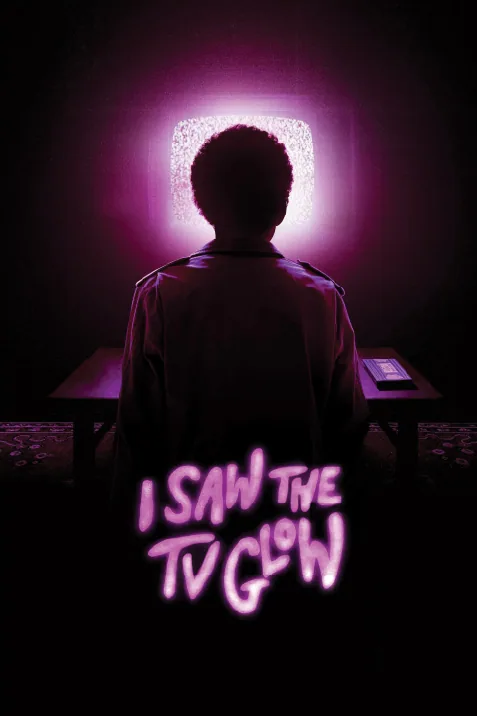
What changes I Saw the TV Glow links childhood memories, identity and unsettling supernatural imagery into adulthood.
Two isolated classmates, Owen and Maddy, bond over a late-night television series that seems to offer a world more meaningful than their suburban routines. Maddy disappears after insisting that the show reveals something true about their identities; years later, she returns with a frightening explanation that Owen cannot bring himself to accept. Their unequal readiness to act turns time, memory and ordinary adulthood into sources of horror. The film’s trans allegory is closely tied to repression and recognition, while its unstable reality resists a tidy supernatural solution. Its ending is disturbing because Owen’s continued deferral has visible costs, not because it offers instructions for a viewer’s safety or identity.
A lonely boy forms a bond with a mysterious neighbor as local killings draw attention.
Why this matches +
These offer a related experience with a meaningful difference in story, tone, or presentation.
An adjacent discovery: a related idea with a different viewing experience.
Genres: Horror / Drama
Shared film traits
Based on recorded story, mood and style. Your preferences can change the order.
What changes Let Me In centers vulnerable young people whose bonds are shaped by a violent supernatural presence.
In a New Mexico apartment complex in 1983, lonely schoolboy Owen befriends Abby, a girl who has just moved in with an older man. Strange nighttime events and a murder investigation reveal that the new neighbor carries a secret tied to the violence around them. Matt Reeves stages the vampire story through childhood isolation and tentative companionship, combining supernatural horror with a quiet study of two children outside ordinary family life.
The secret binds the friends even as their different accounts pull them apart.
Why this matches +
These offer a related experience with a meaningful difference in story, tone, or presentation.
An adjacent discovery: a related idea with a different viewing experience.
Genres: Horror / Mystery
Shared film traits
Based on recorded story, mood and style. Your preferences can change the order.
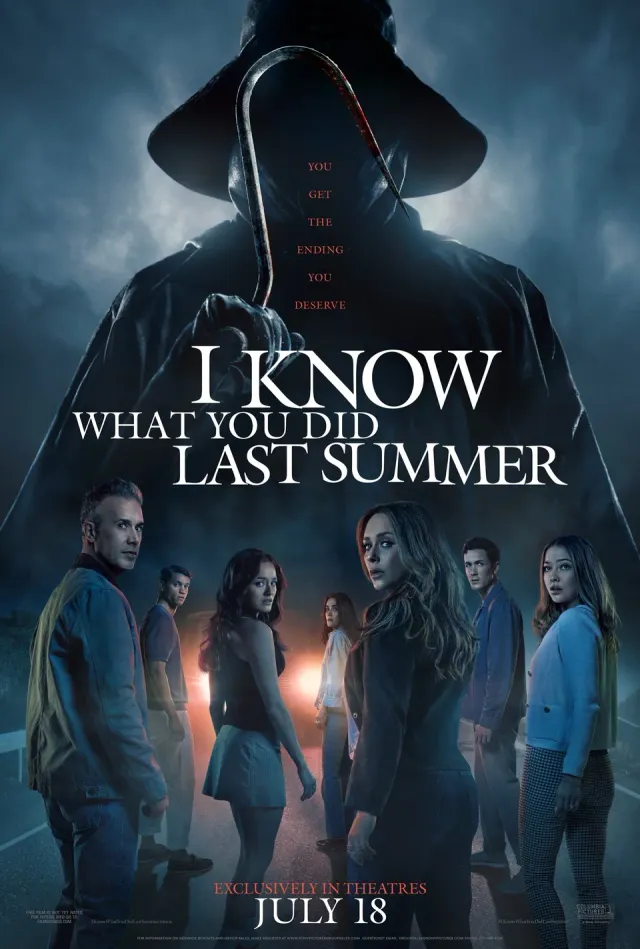
What changes I Know What You Did Last Summer follows friends haunted by a violent event from their shared past.
A year after a deadly accident, a group of friends reunite in Southport and find themselves targeted by someone who knows what they concealed. As threats escalate, they seek help from survivors of an earlier killing spree and investigate how their past actions have returned. The legacy sequel revisits guilt, secrecy, and slasher convention while placing a new group of young adults inside an inherited cycle of violence.
Julia’s concern for Lucas moves her beyond what school authorities can safely confirm.
Why this matches +
These offer a related experience with a meaningful difference in story, tone, or presentation.
An adjacent discovery: a related idea with a different viewing experience.
Genres: Horror / Drama
Shared film traits
Based on recorded story, mood and style. Your preferences can change the order.
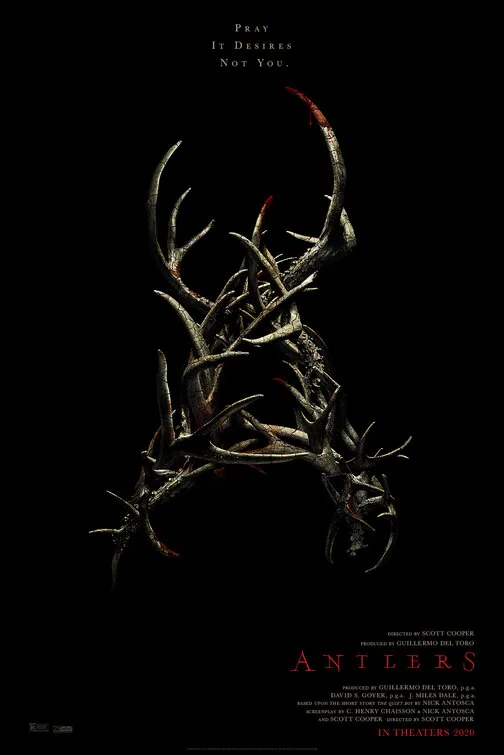
What changes Antlers confronts childhood trauma and a monstrous threat within a troubled small community.
Teacher Julia Meadows becomes concerned about her student Lucas, who appears to be hiding severe violence and a disturbing presence at home. As Julia and her brother, the local sheriff, investigate, they uncover a family secret linked to an ancient creature. The horror drama draws on the Wendigo legend and rural hardship, connecting a supernatural threat with child neglect, trauma and a community’s reluctance to look closely.
Twenty-seven years after childhood terror in Derry, a new cycle of violence calls the surviving Losers back to a town most of them can barely remember. Mike has stayed and asks the others to honor their childhood promise; each adult must retrieve an object tied to a memory before the group attempts the Ritual of Chüd. These returns are not neutral acts of recovery: shame and fear have shaped what each person can recall or admit. Richie’s grief and unspoken attachment to Eddie add a queer emotional thread, while the film’s invented use of Indigenous ritual language carries its own representational baggage. The long sequel alternates nostalgic reunion with graphic set pieces and ends in an altered adaptation-specific resolution, not the novel’s or television miniseries’ version.
What drives the story
Mike turns an old oath into a present plan, but the scavenger-like search for personal artifacts sends the adults through separate confrontations before they can act together. The ritual explains the film’s chosen strategy; its failure complicates easy claims about collective belief.
The people at its centre
Richie’s jokes mask grief and a concealed attachment to Eddie, while Beverly and Ben return to memories shaped by abuse and longing. The adults are not simply restored children: recognition changes what they can tell one another.
What it feels like
Extended flashbacks and individual fear sequences interrupt the reunion, producing a stop-start rhythm between intimate memory and digital spectacle. The closing confrontation makes emotional naming part of the group’s tactic, a choice specific to this screen adaptation.
Worth knowing
Distinguish the 2019 film from Stephen King’s novel and the 1990 miniseries. Its invocation of an Indigenous ritual and its treatment of suicide deserve scrutiny; the story’s supernatural explanation should not be treated as cultural fact or a general mental-health lesson.
TraumaFriendshipWithheld identity
Mood
Disturbing · Sentimental · Intense
Pacing
Nonlinear · Episodic
Visual style
Large digital creatures · Explicit violent set pieces