Both centre on creature threat and institutional denial.
Why this matches +
Genres: Thriller / Horror
Shared film traits
Based on recorded story, mood and style. Your preferences can change the order.
Survival
What changes Jaws 2: steady and escalating. Jaws: slow burn and intense.
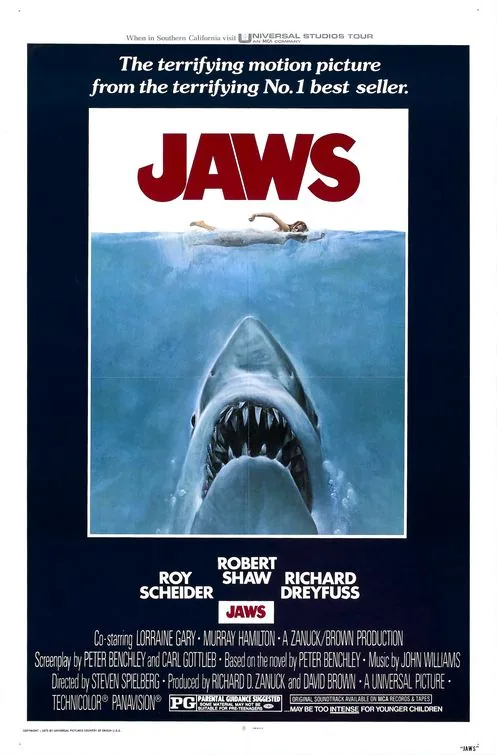
A police chief in a coastal holiday town tries to close the beaches after a deadly shark attack, but officials fear losing the summer's income. As further attacks undermine reassurance and public hunts fail, he joins an oceanographer and an experienced fisherman at sea. Their incompatible forms of expertise must work together once civic denial gives way to a direct, physically exhausting struggle with the animal.
Both share themes of family, plus a tense atmosphere.
Why this matches +
Genres: Horror / Thriller
Shared film traits
Based on recorded story, mood and style. Your preferences can change the order.
Survival
What changes Jaws 2: steady and escalating. A Quiet Place: Part II: fast.
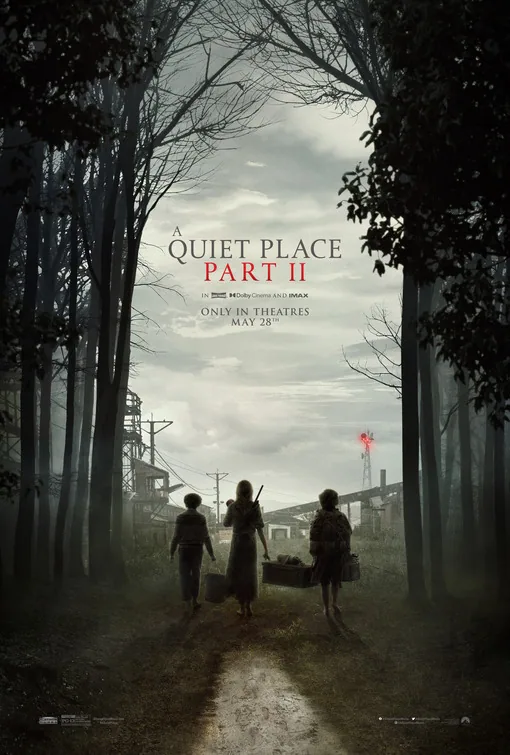
After losing their father and the protection of their home, a family enters a wider landscape shaped by the same sound hunting creatures. A discovered weakness offers a way to resist, but using it requires a dangerous journey and trust in another survivor. The children begin taking responsibilities adults have treated as their own, while separate groups discover that apparent refuge can be threatened from outside its boundaries.
Based on recorded story, mood and style. Your preferences can change the order.
Survival
What changes Jaws 2: steady and escalating. The Birds: slow burn.
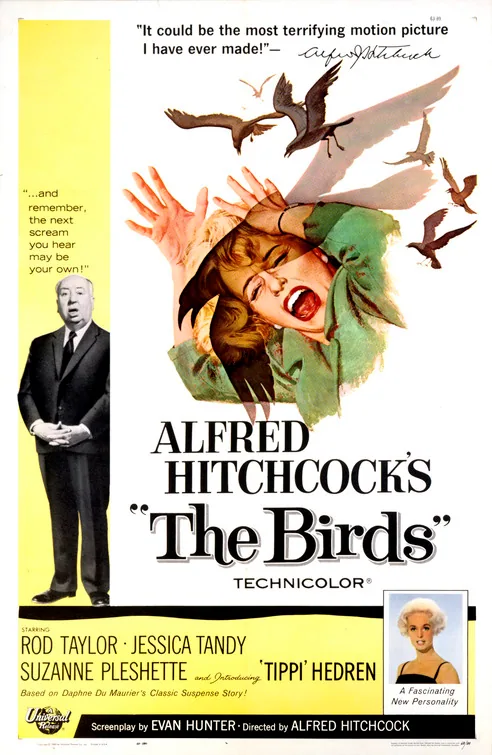
A socialite follows a flirtatious encounter from San Francisco to a coastal town, carrying a gift intended to prolong the connection. Isolated bird attacks soon become coordinated assaults on residents, disrupting school, home and the ordinary movement of the community. As explanations fail and shelter proves temporary, tensions within a developing relationship and an established household unfold under an environmental threat whose motives remain inaccessible.
Based on recorded story, mood and style. Your preferences can change the order.
Survival
What changes Jaws 2: steady and escalating. Jaws 3-D: escalating crisis.
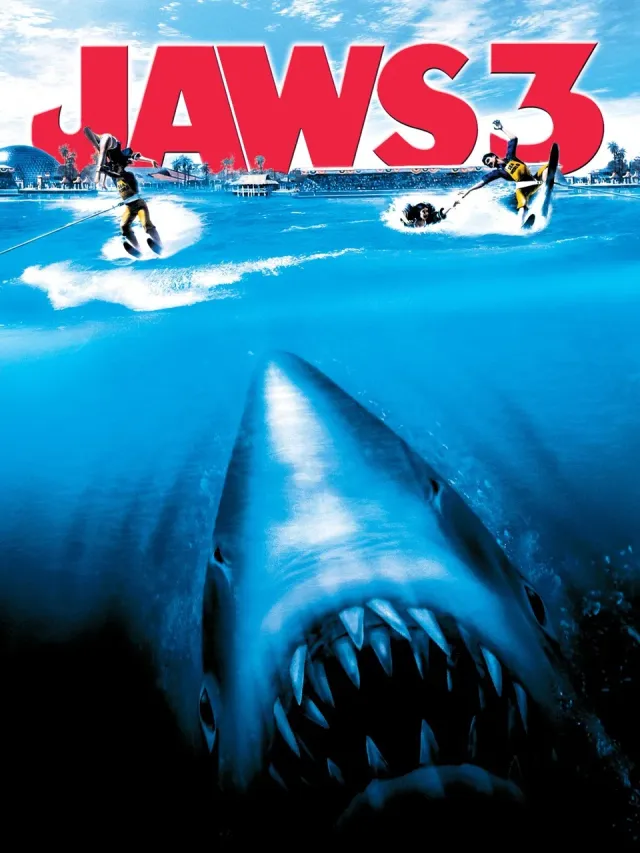
At a Florida marine park, oceanographer Mike Brody and his colleagues prepare an underwater attraction designed to bring visitors close to marine life. Their plans are disrupted when a young great white shark enters the park's connected waterways, followed by a much larger animal. As guests remain nearby and the facility's systems fail to contain the threat, the staff must protect visitors and confront the danger inside the attraction they built.
Both share themes of protection and family, plus a tense atmosphere.
Why this matches +
Genres: Horror / Thriller
Shared film traits
Based on recorded story, mood and style. Your preferences can change the order.
Survival
What changes Jaws 2: steady and escalating. The Strangers: Prey at Night: set-piece pursuits create a direct and relentless structure.
A family traveling to visit relatives stops at a nearly empty mobile-home park and encounters three masked intruders. Their attempts to protect one another unfold through isolated cabins, dark roads and narrow interiors, with little explanation for the attackers’ choices. The sequel emphasizes sustained pursuit and survival, turning a routine family trip into a sequence of immediate decisions under threat.
Based on recorded story, mood and style. Your preferences can change the order.
Survival
What changes Jaws 2: steady and escalating. Anaconda: fast.
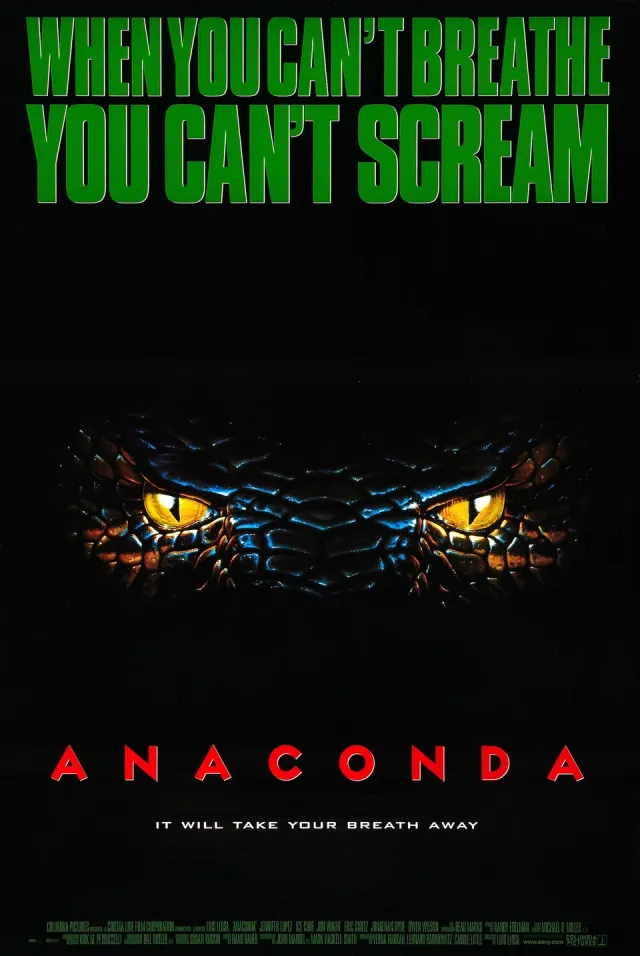
A documentary crew travels into the Amazon and takes aboard a stranded man who claims to know the river. His guidance increasingly serves a private hunt for a giant snake, forcing the filmmakers into danger they did not choose. The creature threat and the human commandeering of the expedition reinforce one another, turning limited transport and uncertain local knowledge into means of confinement.
Based on recorded story, mood and style. Your preferences can change the order.
Survival
Expect adventurous and tragic, with steady and escalating pacing.
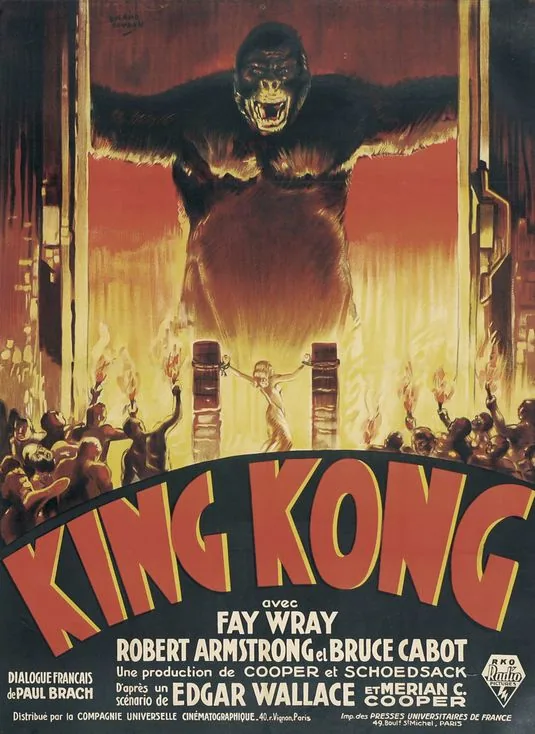
A film crew travels to a remote island to capture Kong, a giant ape whose forced removal turns an expedition into a commercial spectacle. After he escapes in New York, the creature becomes a public attraction and then a threat in the city where Ann Darrow’s safety is repeatedly used to justify control over him. The film’s miniature effects, stop-motion movement and monumental sets make Kong both frightening spectacle and a figure of pathos. That sympathy exists within a colonial adventure structure that depicts the island’s people through racialized stereotypes and treats their land as an obstacle to white explorers. Read the creature’s tragedy alongside the film’s hierarchy of human characters; later remakes’ romantic reciprocity should not be projected backward onto this original.
Based on recorded story, mood and style. Your preferences can change the order.
Survival
Expect tense and isolated, with contained and escalating pacing.
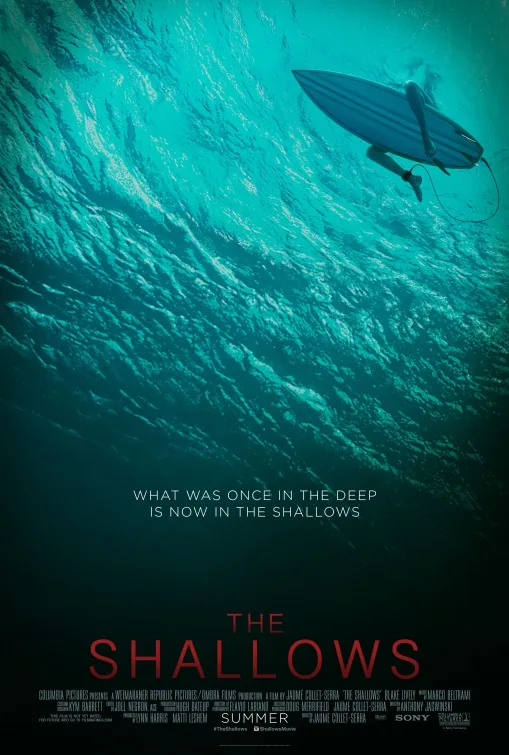
Nancy Adams travels to a secluded Mexican beach where a surfing session ends with a great white shark blocking her route back to shore. Injured and stranded on a small rock, she uses limited time, local objects and her knowledge of the water to search for a way to reach safety. The survival thriller keeps its focus on one person's decisions against a nearby but difficult-to-cross stretch of ocean.
Both share themes of family, plus a tense atmosphere.
Why this matches +
Genres: Action / Horror
Shared film traits
Based on recorded story, mood and style. Your preferences can change the order.
Survival
Expect tense and urgent, with fast and escalating pacing.
A former international investigator is drawn back into dangerous fieldwork when a fast-moving infection overwhelms cities and transforms people into violent attackers. Separated from the family he is trying to protect, he follows incomplete leads across borders in search of a way to slow the disaster. Each destination offers another fragment of evidence and another collapsing line of defence.
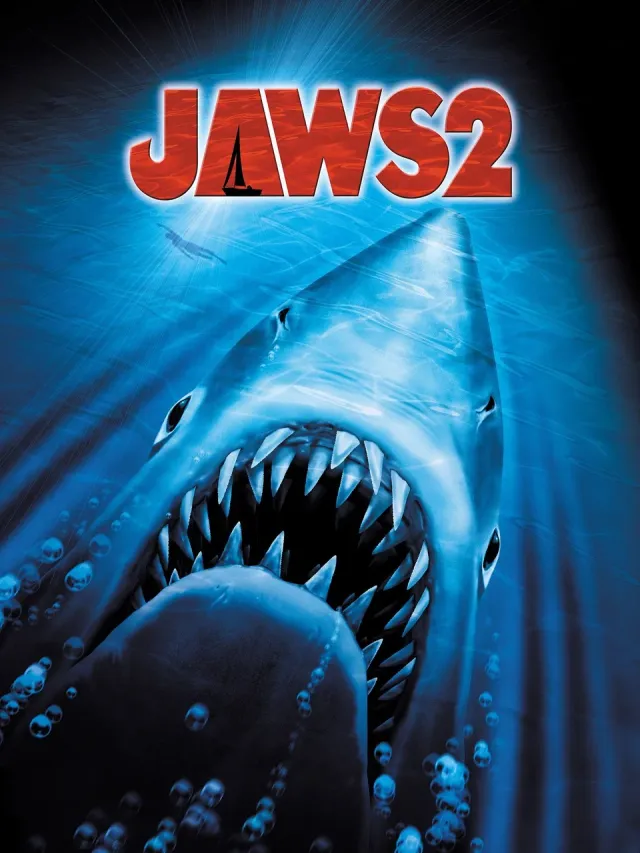
A police chief who survived an earlier shark attack recognizes signs of another danger, but his own anxious misjudgment gives local officials a reason to dismiss him. Commercial interests and uncertainty delay action while his sons join other teenagers on a sailing trip. Once their boats are damaged away from shore, proving the threat matters less than reaching a group whose mobility has disappeared. The sequel shifts the original's adult hunting expedition toward the fear of a parent and protector excluded from the authority needed to act.
What drives the story
A discredited warning leaves teenagers exposed offshore, turning a disputed public-safety inquiry into a race to reach and rescue stranded children.
The people at its centre
Brody's protectiveness clashes with Mike's desire for independence, while local officials treat his past experience as a possible source of obsession rather than expertise.
What it feels like
Attack anticipation and damaged boats concentrate the later suspense around young people at water level, with less of the first film's extended adult voyage.
Worth knowing
Keep the new shark and teenager rescue distinct from the original hunt; the film's animal aggression is thriller invention rather than a basis for judging real shark behavior.
ProtectionCredibilityFamily
Mood
Tense · Anxious · Adventurous
Pacing
Steady · Escalating
Visual style
Water-level suspense · Damaged sailboats
Storytelling
Discredited shark warning · Teen sailors stranded · Parent rescue