Explore films connected to Joe through abuse and protection, dignity through work, violence across generations. Choose the qualities you want to carry into your next watch.
What should feel similar?
Find your next favourite
9 films · Closest overall matches
Hide films you’ve seen or don’t want. Saved on this device.
No matches for this combination yet.
Try another option or reset your choices to see more films.
Based on recorded story, mood and style. Your preferences can change the order.
Criminal underworld
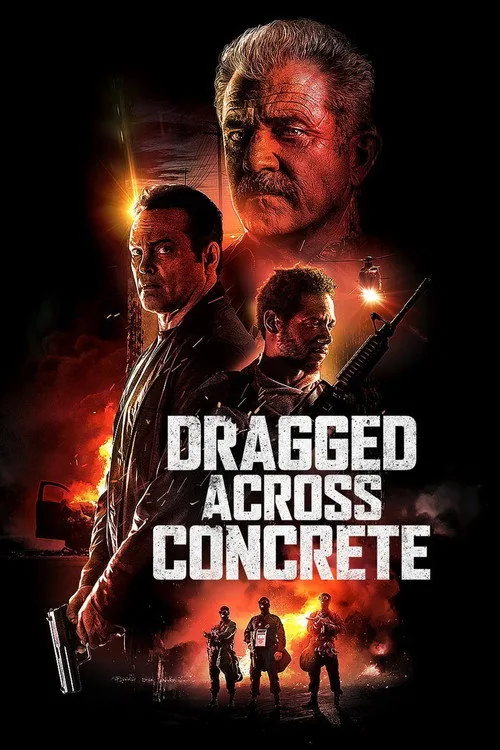
What changes Joe: observational rural setup, slow accumulation of threats and violent moral reckoning. Dragged Across Concrete: long observational scenes, slow convergence and sudden violent bursts.
After a video exposes their use of excessive force, detectives Brett Ridgeman and Anthony Lurasetti are suspended without pay. Desperate for money, they begin surveilling a criminal connected to a planned robbery, hoping to take a share for themselves. Their choice intersects with Henry Johns, a recently released parolee trying to protect his younger brother, and with other people caught around the same criminal operation. S. Craig Zahler's slow, hard-edged crime thriller dwells on everyday pressures and moral compromise before its characters converge in bursts of brutal violence.
Based on recorded story, mood and style. Your preferences can change the order.
Criminal underworld · Survival
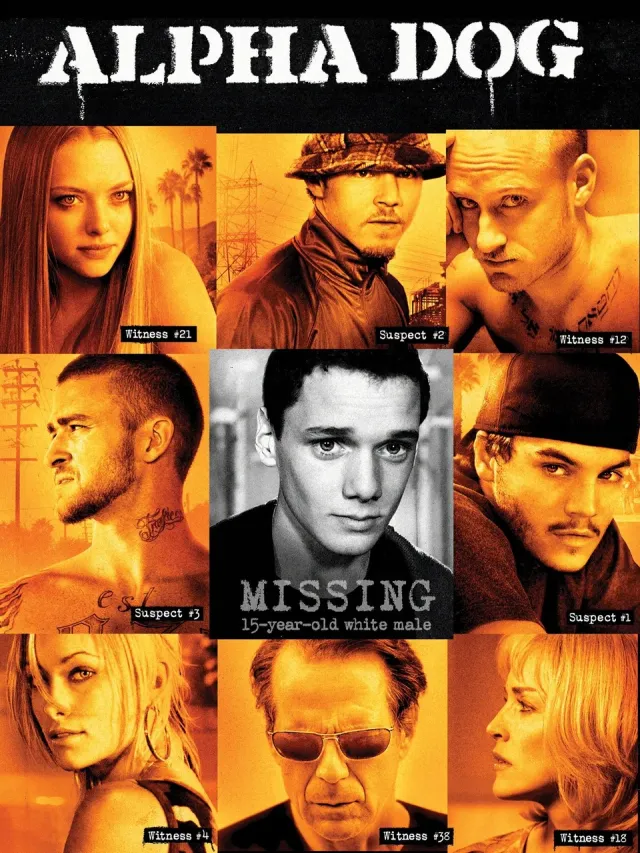
What changes Joe: observational rural setup, slow accumulation of threats and violent moral reckoning. Alpha Dog: escalating and constricting.
Drug dealer Johnny Truelove kidnaps Zack, the younger brother of a man who owes him money, and keeps the teenager with his circle of friends. What begins as a display of power becomes harder to control as relationships form and the group’s decisions carry irreversible consequences. The crime drama examines peer status and responsibility through young people who treat a dangerous situation as if it were still negotiable.
Based on recorded story, mood and style. Your preferences can change the order.
Criminal underworld
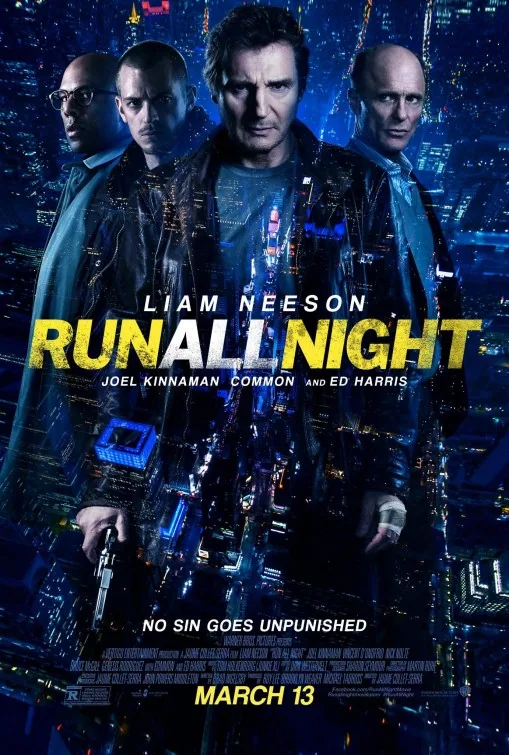
What changes Joe: observational rural setup, slow accumulation of threats and violent moral reckoning. Run All Night: relentless and chase-driven.
Former hitman Jimmy Conlon learns that his estranged son Mike has witnessed a murder committed by the son of Jimmy's longtime criminal employer. Jimmy chooses to protect Mike, setting off a night-long pursuit by police and hired killers across New York. Jaume Collet-Serra's thriller compresses a family reconciliation into an action chase, asking whether a violent father can use his remaining skills to prevent his child from inheriting the same life.
Based on recorded story, mood and style. Your preferences can change the order.
Criminal underworld · Survival
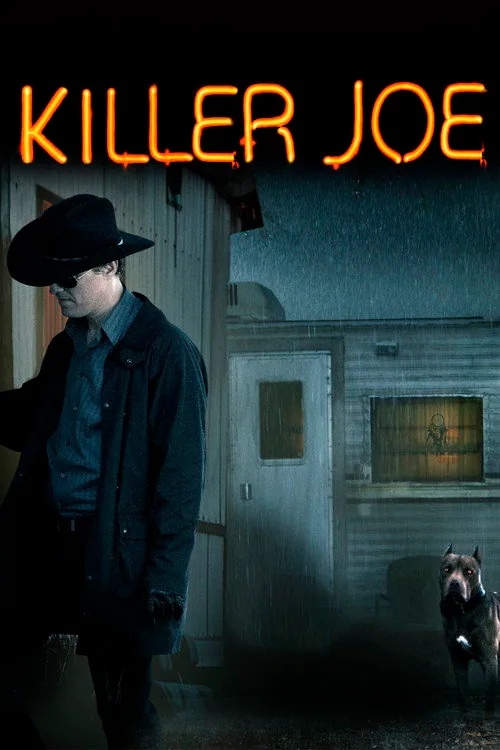
What changes Joe: observational rural setup, slow accumulation of threats and violent moral reckoning. Killer Joe: pressure-cooker, escalating and confrontational.
After a drug debt leaves Chris Smith desperate, he and his father Ansel consider killing Chris’s mother for her life insurance. They hire Joe Cooper, a detective who moonlights as a contract killer, and make Chris’s younger sister Dottie part of the arrangement. The plan draws the family into an increasingly coercive relationship with Joe, whose presence magnifies existing instability and exploitation. William Friedkin’s crime thriller adapts Tracy Letts’s play as a darkly comic and disturbing portrait of desperation in a Texas trailer park.
Based on recorded story, mood and style. Your preferences can change the order.
Criminal underworld
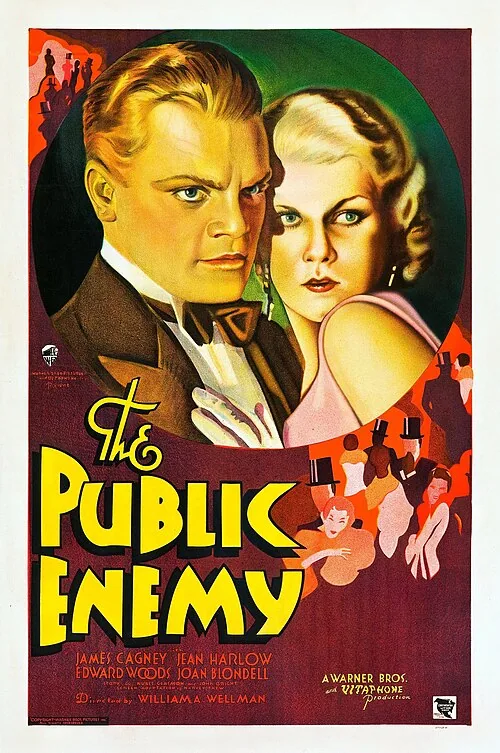
What changes Joe: observational rural setup, slow accumulation of threats and violent moral reckoning. The Public Enemy: rise-and-fall and compressed.
In 1900s Chicago, Tom Powers and his friend Matt Doyle begin with petty theft and are drawn into organized crime by a mentor who abandons them when a robbery goes wrong. Tom grows into a confident Prohibition-era gangster, while his older brother Mike's enlistment and moral refusal to accept criminal money expose the family cost of Tom's success. A horse-racing death and a gang rivalry destabilize Tom's position, and violence becomes increasingly difficult to outrun. William A. Wellman's film opens with a disclaimer that it does not intend to glorify criminals, but James Cagney's performance gives Tom dangerous charisma. The story's rise-and-fall structure helped shape the gangster film while retaining the social world of its pre-Code moment.
Based on recorded story, mood and style. Your preferences can change the order.
Criminal underworld
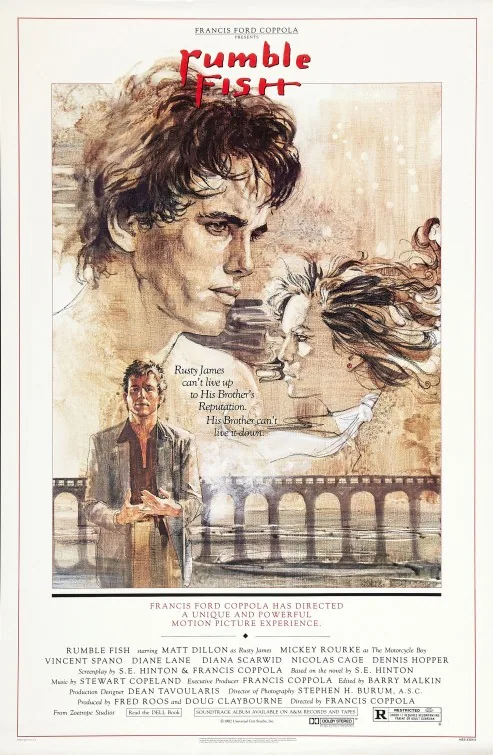
What changes Joe: observational rural setup, slow accumulation of threats and violent moral reckoning. Rumble Fish: fragmented episodes, lyrical pauses, sudden violence and tragic convergence.
In Tulsa, Rusty James tries to live up to the reputation of his older brother, the Motorcycle Boy, who once kept rival gangs at peace. The brother’s return interrupts a fight and draws Rusty back into a family marked by poverty, drinking and a mother who has long been absent. Rusty’s attempts to imitate gang life strain his friendships and relationship with Patty, while his brother urges him to leave the gangs behind. The two spend time with their awkward friend Steve and their alcoholic father, who sees the brothers as unusually perceptive rather than mad. A visit to a pet shop brings the brothers to fighting fish that become part of the Motorcycle Boy’s final attempt to set something free.
Based on recorded story, mood and style. Your preferences can change the order.
Criminal underworld
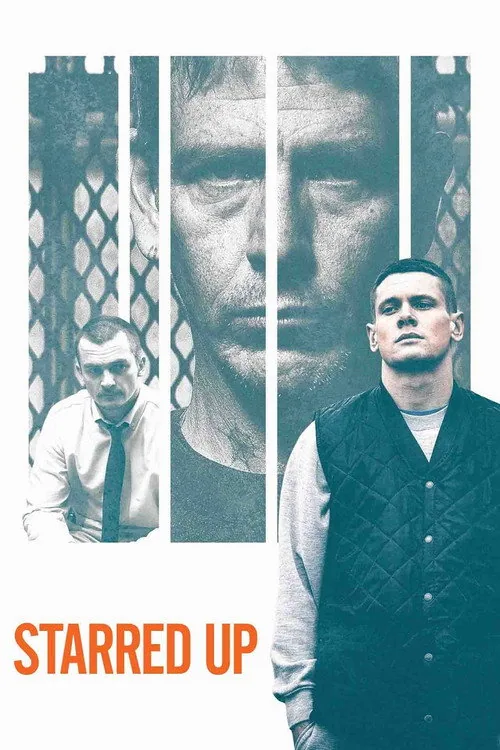
What changes Joe: observational rural setup, slow accumulation of threats and violent moral reckoning. Starred Up: arrival and immediate conflict, group sessions and shifting alliances and violent pressure tests change.
Nineteen-year-old Eric is transferred early from a youth facility to a high-security adult prison because of his violent behavior. His father Neville is already serving a life sentence there and has ties to the prison's criminal hierarchy. After Eric clashes with guards and inmates, volunteer therapist Oliver brings him into a group that tries to confront anger and violence through conversation. Eric's new relationships challenge the rules his father enforces, while the prison's informal power structures make restraint as risky as aggression.
Based on recorded story, mood and style. Your preferences can change the order.
Criminal underworld
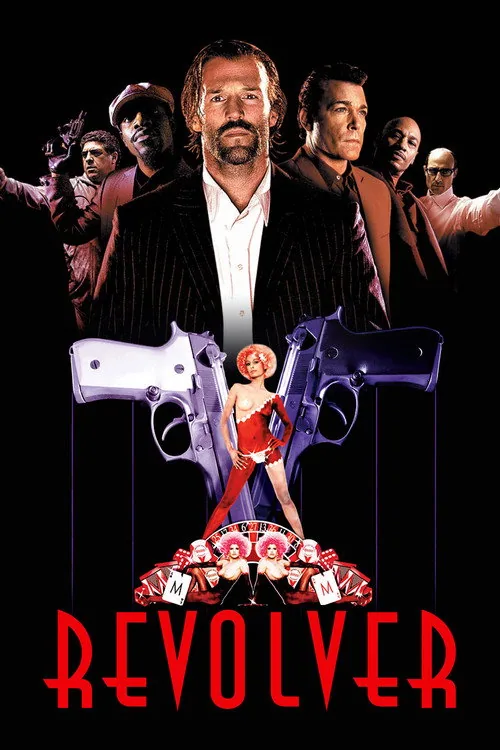
What changes Joe: observational rural setup, slow accumulation of threats and violent moral reckoning. Revolver: a criminal revenge plan becomes an argument about whether jake can escape the need to win..
After seven years in solitary confinement, gambler Jake Green challenges crime boss Dorothy Macha and appears to win a dangerous game. A blood-disease diagnosis and a failed attempt on Jake’s life lead loan sharks Zach and Avi to offer protection in exchange for his money and obedience. As Jake helps them undermine Macha and the rival Lord John, the story folds crime intrigue into a larger struggle with fear and ego. Guy Ritchie’s thriller uses an intentionally cryptic structure and philosophical dialogue, with a theatrical release and later re-edited version.
Based on recorded story, mood and style. Your preferences can change the order.
Criminal underworld
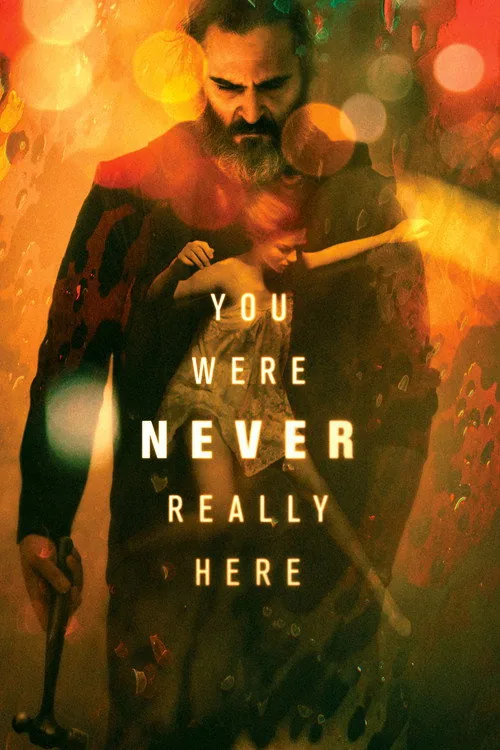
What changes Joe: observational rural setup, slow accumulation of threats and violent moral reckoning. You Were Never Really Here: a fragmented pursuit unfolds through brief and impressionistic scenes.
Joe is a traumatized hired gun who specializes in rescuing girls from trafficking networks while caring for his elderly mother in New York. A politician hires him to find his abducted daughter Nina, but the job exposes a conspiracy involving powerful officials and leaves Joe pursued by people who want the girl silenced. Lynne Ramsay’s neo-noir thriller uses compressed scenes, memory fragments, and aftermath rather than conventional action coverage to explore violence, trauma, and the possibility of choosing to stay alive.
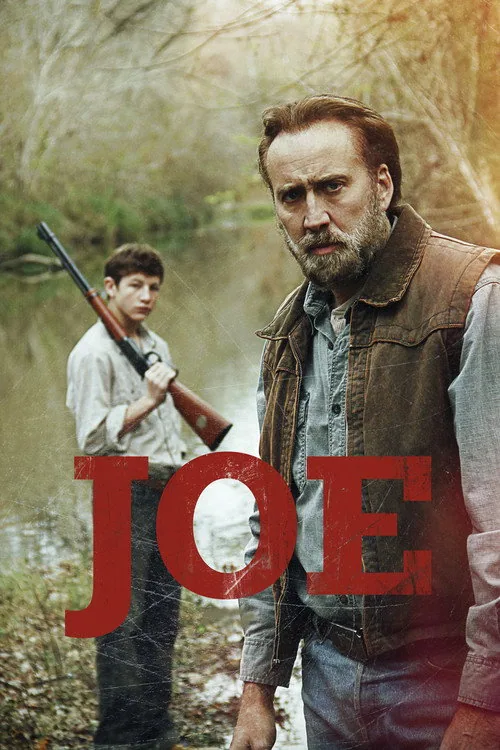
In rural Texas, fifteen-year-old Gary asks Joe Ransom, the hard-living foreman of a tree-poisoning crew, for work so he can protect his earnings from his abusive alcoholic father. Joe gives him another chance after witnessing the father's violence, and their fragile bond grows while local criminal feuds threaten Gary's family. Joe's temper and history make him a volatile protector, so the film's central question is whether a damaged adult can offer the boy safety without passing on the same cycle of brutality.
What drives the story
Gary's attempts to earn money and shield his family draw Joe into conflict with an abusive father and a local criminal rival.
The people at its centre
Joe recognizes his own destructive impulses in Gary's situation and alternates between protective care and dangerous, uncontrolled anger.
What it feels like
A patient Southern Gothic drama lets landscape, work, and quiet gestures build toward bursts of raw violence.
Worth knowing
Its crime elements serve a character study of class, abuse, and mentorship in a rural community rather than a polished action thriller.
abuse and protectiondignity through workviolence across generations
Mood
bleak · tender · rough-edged
Pacing
observational rural setup · slow accumulation of threats · violent moral reckoning
Visual style
weathered Southern landscapes · naturalistic handheld photography · unvarnished work and home interiors
Storytelling
teenager seeks work and independence · volatile foreman protects abused boy · rural feud escalates toward revenge