Explore films connected to Kon-Tiki through scientific conviction, teamwork and risk, exploration and evidence. Choose the qualities you want to carry into your next watch.
What should feel similar?
Find your next favourite
9 films · Closest overall matches
Hide films you’ve seen or don’t want. Saved on this device.
No matches for this combination yet.
Try another option or reset your choices to see more films.
Based on recorded story, mood and style. Your preferences can change the order.
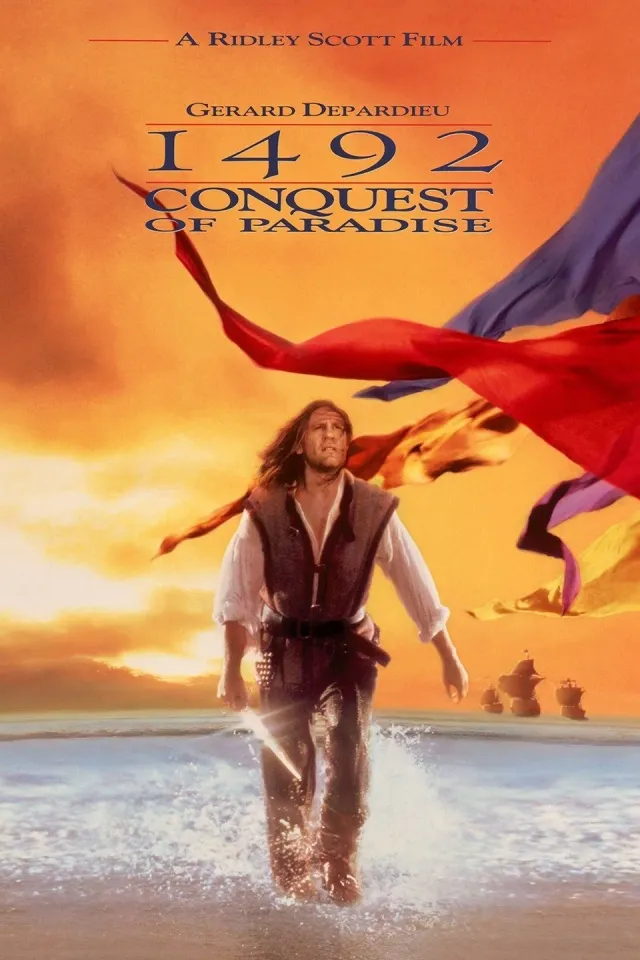
What changes Kon-Tiki: theory and preparation, extended ocean survival and landfall and legacy. 1492 – Conquest of Paradise: measured and epic.
Christopher Columbus seeks royal support for an Atlantic voyage and reaches islands whose inhabitants Europeans misunderstand through their own ambitions. Establishing a settlement brings exploitation, violence, and conflict among the newcomers. The promise of discovery gives way to the failures of colonial rule, as Columbus struggles to preserve authority within an enterprise increasingly defined by domination and competing interests.
Based on recorded story, mood and style. Your preferences can change the order.
Survival
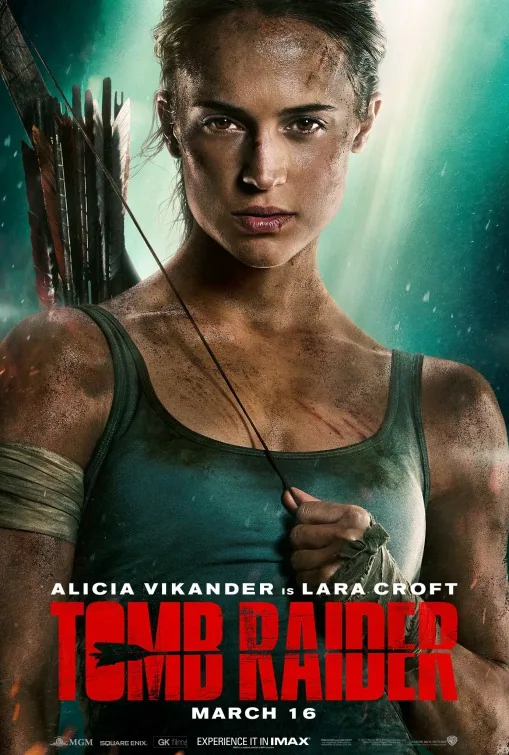
What changes Kon-Tiki: theory and preparation, extended ocean survival and landfall and legacy. Tomb Raider: mission-driven and escalating.
Lara Croft has avoided taking control of her father’s business since he vanished years earlier. When she discovers clues left by him, she follows the trail to a remote island where an ancient tomb is being exploited by the Trinity organization. The expedition becomes a fight to survive the island’s traps and to prevent a sealed danger from being released. Lara’s relationship with her father’s legacy shifts from refusal to a need to decide what kind of successor she wants to be, while the practical demands of the journey force her to rely on skill rather than wealth. The island trek exposes Lara to severe weather and physical setbacks before the archaeological mystery can be resolved.
Based on recorded story, mood and style. Your preferences can change the order.
Survival
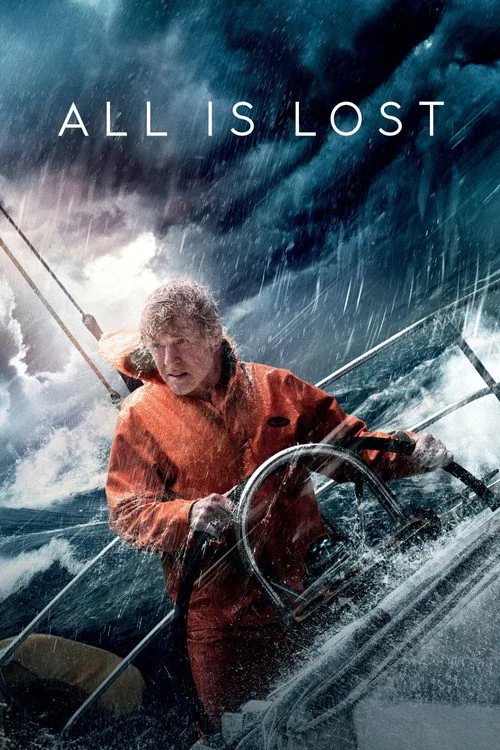
What changes Kon-Tiki: theory and preparation, extended ocean survival and landfall and legacy. All Is Lost: procedural, measured and crisis escalation.
A lone sailor in the Indian Ocean discovers that his yacht has struck a shipping container and is taking on water. With communications damaged and a storm approaching, he repairs the hull, salvages supplies, and tries to navigate toward help. Each practical decision creates new problems as the vessel and the man’s strength decline. J. C. Chandor’s survival drama is nearly wordless, using Robert Redford’s performance and the precise stages of a maritime emergency to explore endurance and uncertainty.
Based on recorded story, mood and style. Your preferences can change the order.
Survival
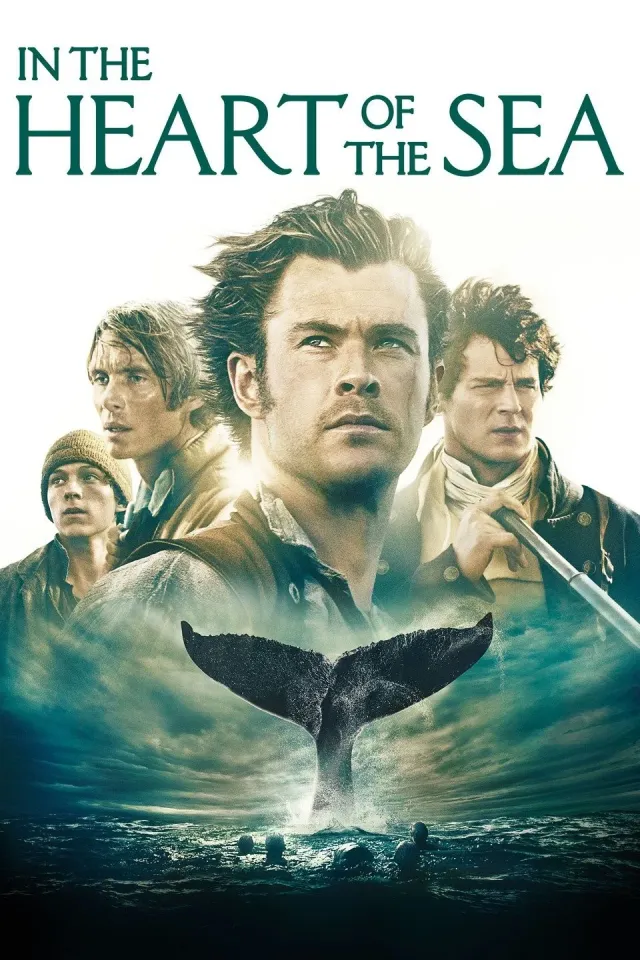
What changes Kon-Tiki: theory and preparation, extended ocean survival and landfall and legacy. In the Heart of the Sea: expedition-driven and attritional.
An older Thomas Nickerson recounts his time aboard the whaleship Essex, which was attacked by a sperm whale during an 1820 voyage. Captain George Pollard and first mate Owen Chase lead the stranded crew through hunger, exposure, and impossible decisions at sea. Ron Howard's survival drama uses Melville's later visit to frame the ordeal as both a harrowing maritime story and a reflection on the limits of human control.
Based on recorded story, mood and style. Your preferences can change the order.
Sport and competition
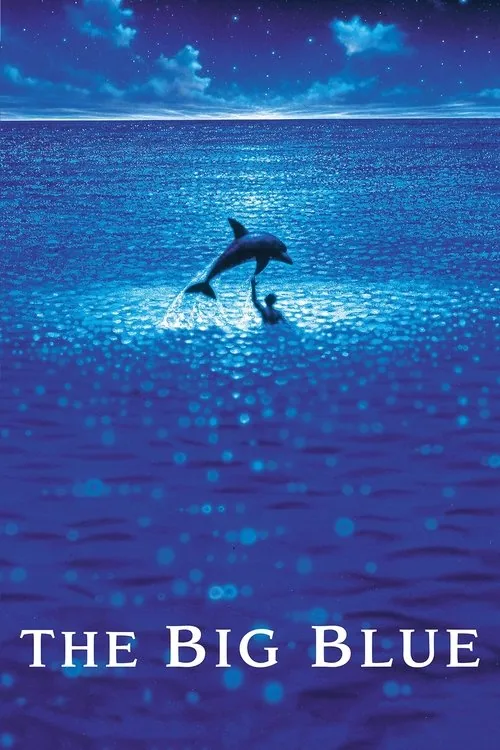
What changes Kon-Tiki: theory and preparation, extended ocean survival and landfall and legacy. The Big Blue: episodic life stages, contemplative underwater sequences and competitive peaks.
Jacques Mayol and Enzo Molinari grow up on a Greek island with a shared fascination for diving and the ocean. After Jacques's father dies underwater, the boys' friendship becomes a lifelong rivalry over how far a person can descend on a single breath. As adults, they enter freediving competitions and reconnect with people who want Jacques to live on land. Luc Besson's atmospheric drama treats the sea as both a sporting arena and a powerful pull away from ordinary life.
Based on recorded story, mood and style. Your preferences can change the order.
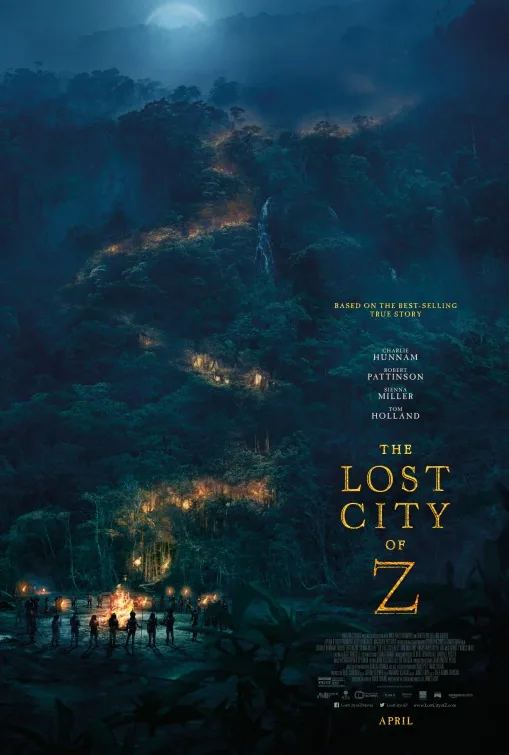
What changes Kon-Tiki: theory and preparation, extended ocean survival and landfall and legacy. The Lost City of Z: measured and expeditionary.
British explorer Percy Fawcett becomes convinced that an advanced civilization existed in the Amazon after studying maps and reports from the region. His expeditions take him away from family life and into difficult terrain, where scientific ambition, colonial assumptions and personal endurance intersect. James Gray's period adventure follows his repeated attempts to return to the forest and the uncertain legacy of exploration.
Based on recorded story, mood and style. Your preferences can change the order.
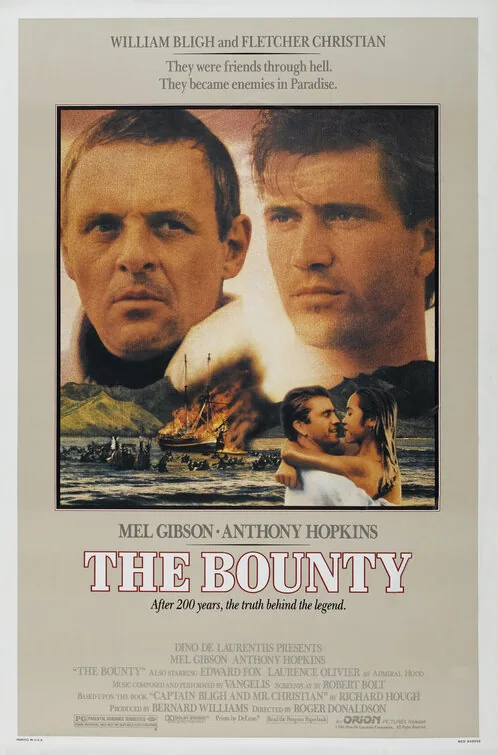
What changes Kon-Tiki: theory and preparation, extended ocean survival and landfall and legacy. The Bounty: patient buildup, voyage episodes, sudden rupture and reflective frame.
A court inquiry into the loss of the Bounty frames the voyage that began in Portsmouth in 1787. Lieutenant William Bligh leads the ship toward Tahiti to collect breadfruit, but the failed attempt to round Cape Horn lengthens the journey. Months on the island deepen the crew’s ties to Tahitian life, especially those of Bligh’s friend and officer Fletcher Christian. When the ship leaves, Bligh tightens discipline and Christian’s resentment grows. Persuaded by Edward Young, Christian leads a mutiny and casts Bligh and the loyal crew adrift. Bligh’s resourceful leadership guides them toward safety, while Christian returns to Tahiti and must decide where the mutineers can escape the Royal Navy’s reach.
Based on recorded story, mood and style. Your preferences can change the order.
Survival
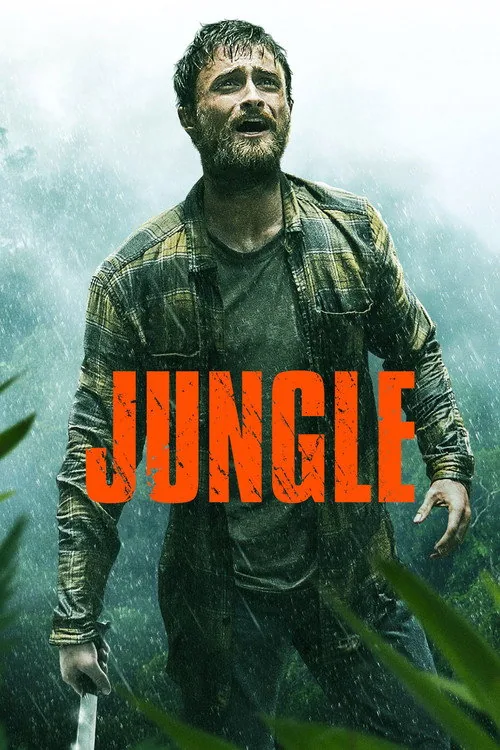
What changes Kon-Tiki: theory and preparation, extended ocean survival and landfall and legacy. Jungle: expedition setup, survival escalation and isolated character focus.
In 1981, young Israeli traveler Yossi Ghinsberg joins a geologist and other adventurers for an expedition into the Bolivian Amazon. When the group splits up, Yossi becomes lost and must find a way through difficult terrain with little food or support. Greg McLean’s survival drama is based on Ghinsberg’s memoir and follows his ordeal in the rainforest, where weather, isolation, injury, and exhaustion test his judgment and resolve.
Based on recorded story, mood and style. Your preferences can change the order.
Survival
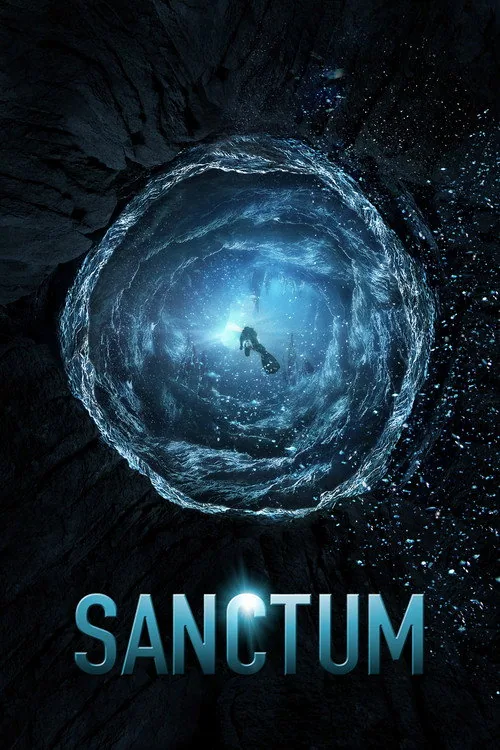
What changes Kon-Tiki: theory and preparation, extended ocean survival and landfall and legacy. Sanctum: expedition setup, escalating hazards and continuous escape sequence.
A team of cave divers, including experienced expedition leader Frank McGuire and his son Josh, explores an immense underwater cave system in Papua New Guinea. When a tropical storm floods the entrance, the divers become trapped below ground and must search for another route to the sea. Limited air, dangerous passages, and conflict over leadership turn the expedition into a desperate test of survival and family ties.
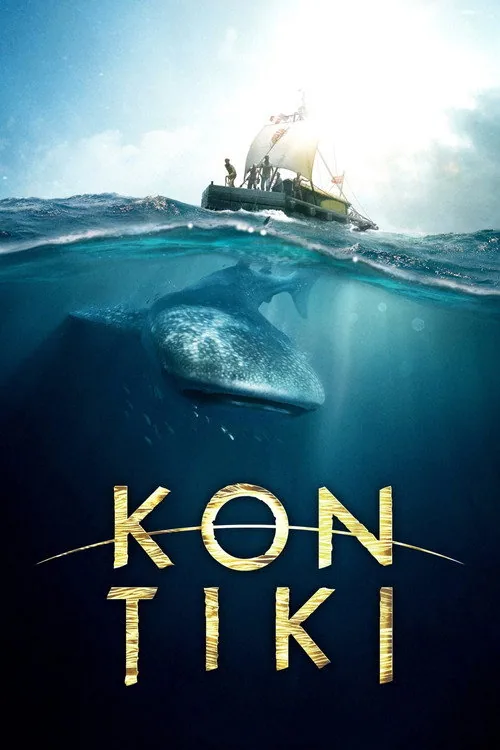
Norwegian explorer Thor Heyerdahl believes that ancient South Americans could have settled Polynesia and sets out to test the theory by crossing the Pacific on a balsa-wood raft. With a small crew, he sails from Peru toward the islands in 1947, relying on simple materials and a route exposed to storms, currents, and sea life. Skeptics question his plan, while the voyage challenges the crew's confidence and the limits of their preparation. The adventure dramatizes a real expedition as a test of evidence, endurance, and conviction.
What drives the story
Heyerdahl's attempt to prove a theory requires a trans-Pacific crossing on a raft made from traditional materials.
The people at its centre
The crew's differing skills and tolerance for risk shape how they respond to Heyerdahl's certainty.
What it feels like
A maritime adventure combines large ocean imagery with group survival and the practical limits of an experimental voyage.
Worth knowing
It dramatizes the 1947 Kon-Tiki expedition and its hypothesis, rather than presenting a general exploration documentary.
scientific convictionteamwork and riskexploration and evidence
Mood
adventurous · sweeping · tense
Pacing
theory and preparation · extended ocean survival · landfall and legacy
Visual style
open ocean panoramas · raft-level camera perspective · storm and marine spectacle
Storytelling
explorer tests migration theory at sea · raft voyage crosses Pacific · crew endures weather and ocean hazards