The settlement and surrounding landscape are treated as forces that shape the encounter rather than mere backdrop.
Why this matches +
Selected for the central appeal: A historical voyage’s promise collapses into the violence and contradictions of colonial power.
Genres: Drama / Romance
Shared film traits
Based on recorded story, mood and style. Your preferences can change the order.
Political resistance
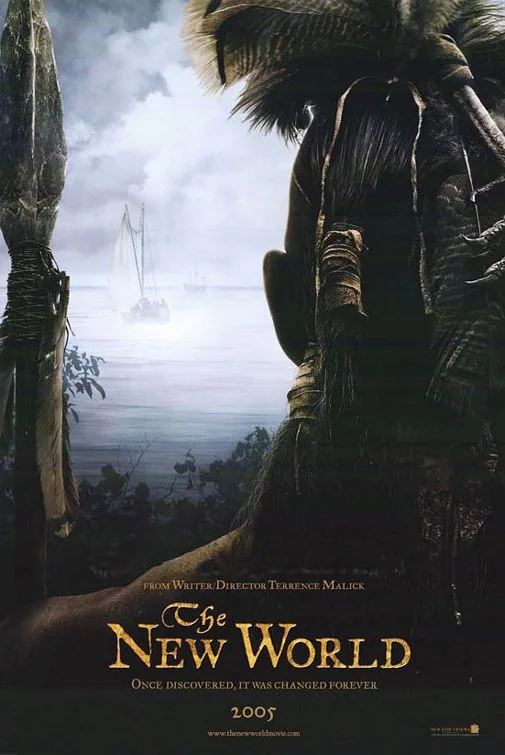
What changes European arrival in the Americas becomes an expansive, visually immersive encounter shaped by unequal power and failed promises; intimate relationships and Jamestown replace Columbus’s voyage and governorship.
The arrival of English settlers in early seventeenth-century Virginia is seen through the encounter between explorer John Smith and Pocahontas, alongside the hardship of founding Jamestown. Their connection is set within a larger history of colonization and cultural conflict. The film uses sensory detail, voice-over and a patient rhythm to consider how desire, land and incompatible worlds are entangled, while resisting the shape of a conventional adventure romance.
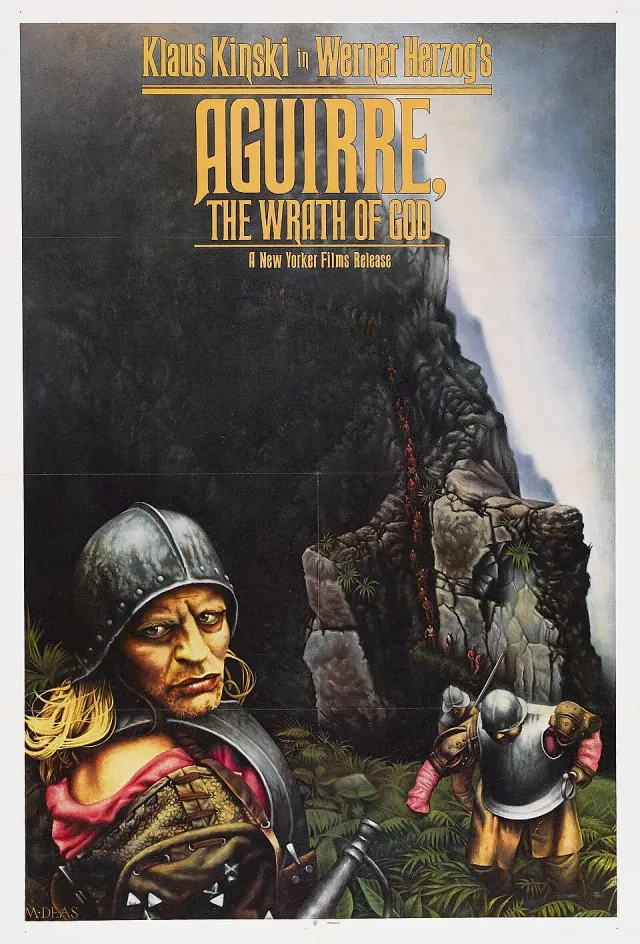
The expedition's logistical crisis gives Aguirre an opening to overthrow command. Once he controls the party, each renewed claim to empire postpones the practical recognition that the journey is failing.
Why this matches +
Related viewing experiences with the specific differences recorded for each pair.
An adjacent discovery: a related idea with a different viewing experience.
Genres: Adventure / Drama
Shared film traits
Based on recorded story, mood and style. Your preferences can change the order.
What changes A European expedition in the Americas exposes conquest as delusion, domination and internal breakdown; a feverish river journey is narrower and more abrasive than the panoramic Columbus drama.
In the sixteenth-century Spanish conquest of South America, an expedition descends a river in search of El Dorado and sends a smaller party ahead through dangerous territory. Lope de Aguirre turns the difficulty of return into an opportunity to seize command, then insists on an imperial future that the group lacks the food and strength to reach. The river journey pares away the certainty of military hierarchy and conquest, leaving the expedition's grand declarations increasingly detached from its physical collapse. Herzog's film is a fictionalized, formally spare meditation on power and delusion, not a documentary reconstruction.
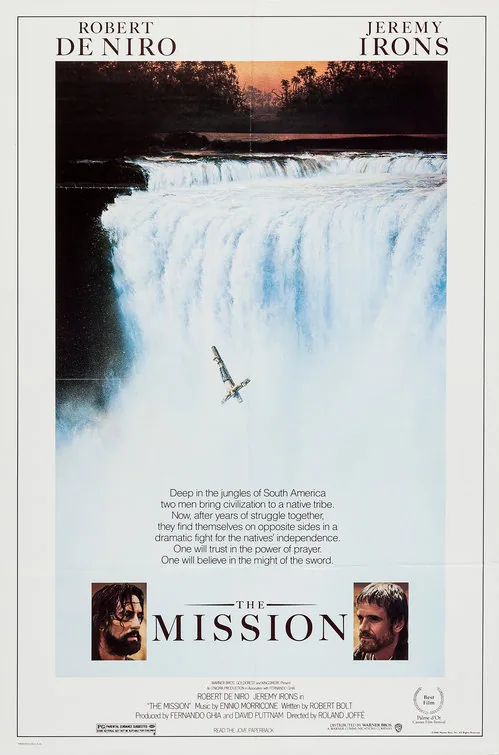
The treaty puts the mission’s survival at stake; the clergy and community must decide how to respond before Portuguese forces arrive.
Why this matches +
Related viewing experiences with the specific differences recorded for each pair.
An adjacent discovery: a related idea with a different viewing experience.
Genres: Drama / Historical
Shared film traits
Based on recorded story, mood and style. Your preferences can change the order.
Political resistance
What changes A historical South American encounter tests European religious ideals against colonial force; missionaries’ resistance replaces an explorer’s compromised authority.
In eighteenth-century South America, mercenary and slave trader Rodrigo Mendoza enters Jesuit territory after a personal tragedy and eventually seeks atonement among the Guaraní people he once exploited. Jesuit Father Gabriel has built a mission where the community lives under growing threat from colonial authorities. When a treaty transfers the territory from Spain to Portugal, both the missionaries and Guaraní face the prospect of enslavement or expulsion. Mendoza and Gabriel disagree over whether to defend the mission through force or spiritual resistance. Roland Joffé’s drama turns a colonial political crisis into a moral conflict between two forms of action.
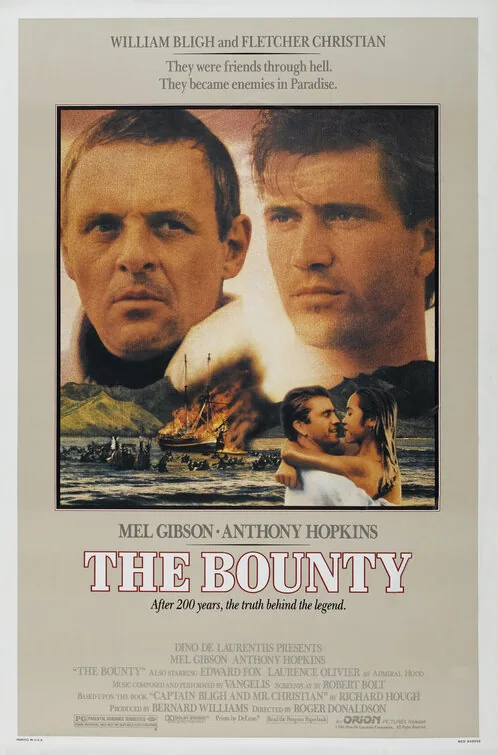
The mutiny grows from a clash between Bligh’s command and Christian’s changing loyalties after life in Tahiti.
Why this matches +
Related viewing experiences with the specific differences recorded for each pair.
An adjacent discovery: a related idea with a different viewing experience.
Genres: Historical drama / Adventure
Shared film traits
Based on recorded story, mood and style. Your preferences can change the order.
What changes A historical sea expedition unravels as authority and settlement desires collide; a Pacific mutiny replaces Atlantic conquest and the exploitation of island inhabitants.
A court inquiry into the loss of the Bounty frames the voyage that began in Portsmouth in 1787. Lieutenant William Bligh leads the ship toward Tahiti to collect breadfruit, but the failed attempt to round Cape Horn lengthens the journey. Months on the island deepen the crew’s ties to Tahitian life, especially those of Bligh’s friend and officer Fletcher Christian. When the ship leaves, Bligh tightens discipline and Christian’s resentment grows. Persuaded by Edward Young, Christian leads a mutiny and casts Bligh and the loyal crew adrift. Bligh’s resourceful leadership guides them toward safety, while Christian returns to Tahiti and must decide where the mutineers can escape the Royal Navy’s reach.
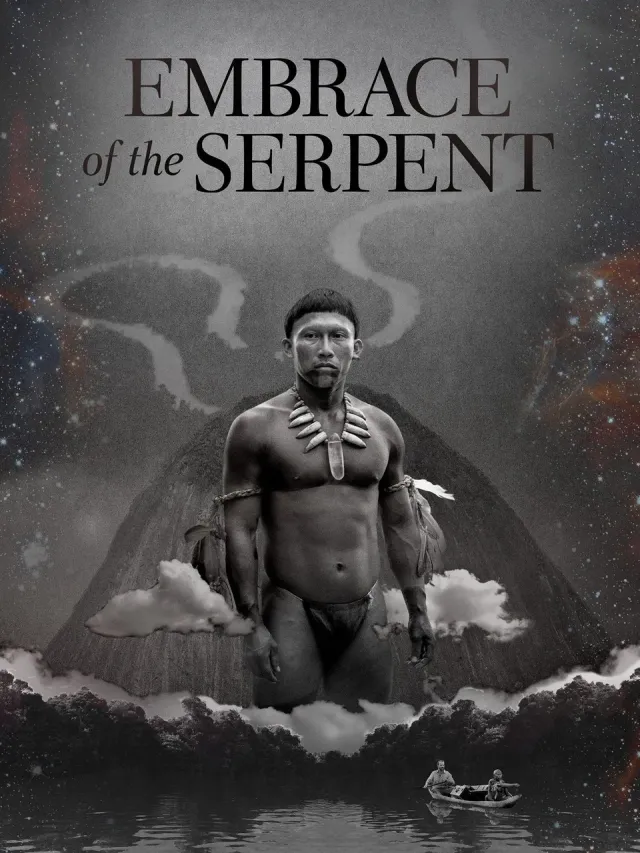
Karamakate’s two journeys make cultural loss visible through his changing relationship to memory.
Why this matches +
Related viewing experiences with the specific differences recorded for each pair.
An adjacent discovery: a related idea with a different viewing experience.
Genres: Drama / Adventure
Shared film traits
Based on recorded story, mood and style. Your preferences can change the order.
What changes A journey through the Americas reveals the destructive legacy of European knowledge-seeking from an Indigenous perspective; a nonlinear Amazonian encounter replaces a European leader’s epic biography.
Karamakate, a shaman in the Colombian Amazon, guides two foreign scientists on journeys separated by decades as they search for the sacred plant yakruna. The parallel expeditions reveal how colonial exploitation damages communities, knowledge and the natural world, while Karamakate confronts changes in his own culture and memory. Ciro Guerra films the story in evocative monochrome for much of its length, creating a meditative adventure about encounter, loss and the limits of translation.
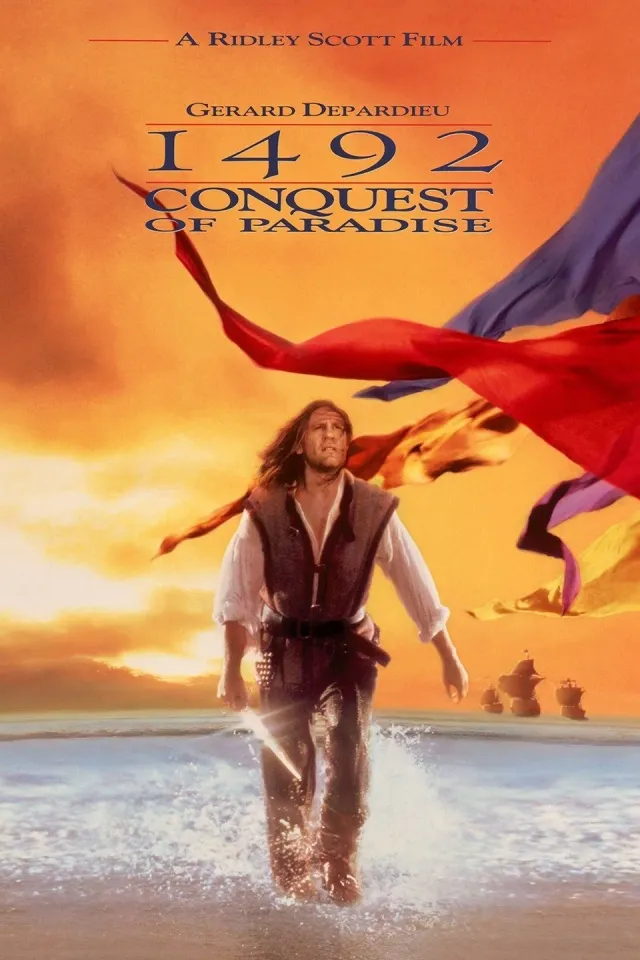
Christopher Columbus seeks royal support for an Atlantic voyage and reaches islands whose inhabitants Europeans misunderstand through their own ambitions. Establishing a settlement brings exploitation, violence, and conflict among the newcomers. The promise of discovery gives way to the failures of colonial rule, as Columbus struggles to preserve authority within an enterprise increasingly defined by domination and competing interests.
What drives the story
A difficult voyage becomes a colonial governance crisis when the dream of discovery meets exploitation and rebellion.
The people at its centre
Columbus's ambitions collide with royal patrons, rival settlers, and communities whose lives the expedition violently disrupts.
What it feels like
Sweeping maritime imagery and solemn historical spectacle shift toward disillusionment and the brutality of settlement.
Worth knowing
The useful arc is an ambitious voyage becoming a failure of colonial governance through exploitation and divided authority; the film's European heroic framing remains a limit on historical comparison.
AmbitionColonialismExploitation
Mood
Epic · Solemn · Bleak
Pacing
Measured · Epic
Visual style
Expansive · Period detail
Storytelling
Voyage · Historical rise and fall · Political conflict