Based on recorded story, mood and style. Your preferences can change the order.
Criminal underworld
Expect exuberant and fast, with set-piece driven and escalating pacing.
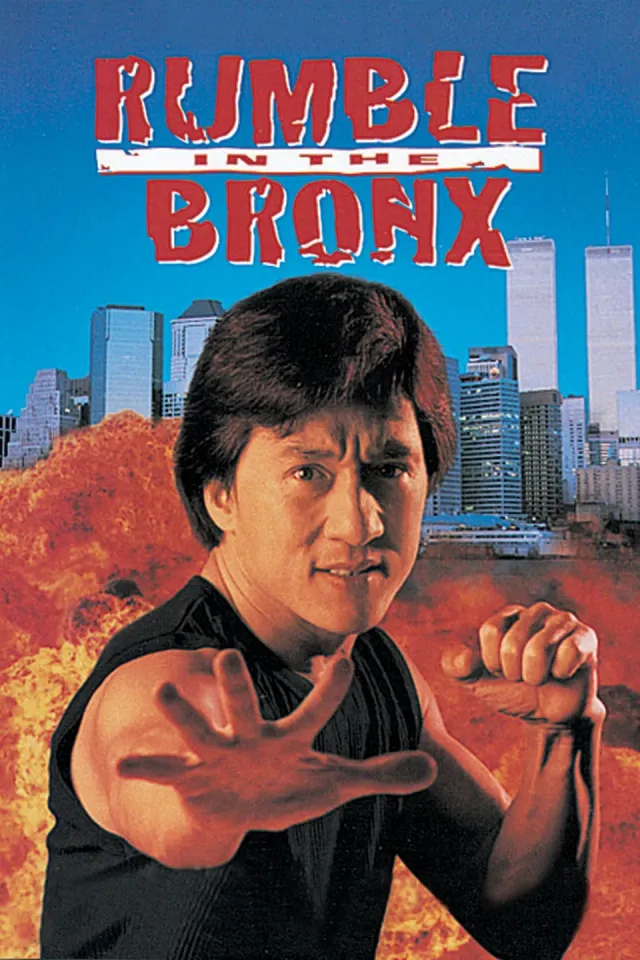
Hong Kong police officer Keung travels to New York for his uncle's wedding and becomes involved in a local gang conflict. His efforts to help a shop owner bring him into escalating chases and confrontations across the neighborhood. The action comedy uses the fish-out-of-water premise to introduce fast physical set pieces and a hero who relies on agility more than weapons.
Based on recorded story, mood and style. Your preferences can change the order.
What changes Kung Fu Hustle: fast and escalating. A Clockwork Orange: measured.
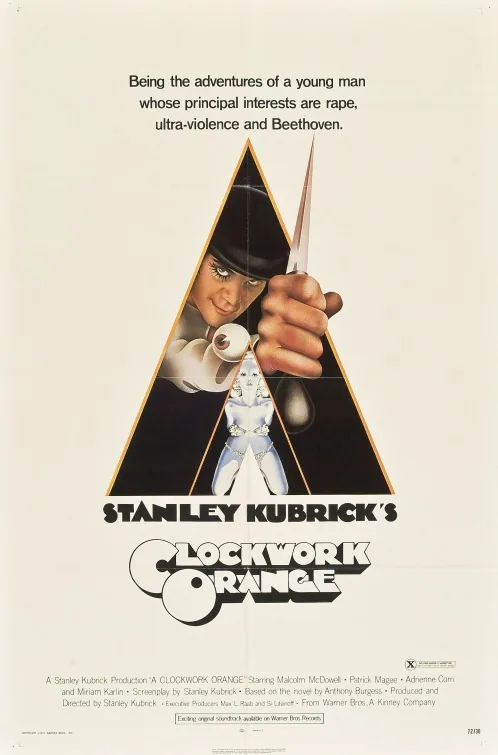
A young gang leader moves through a near-future society inflicting violence for pleasure before imprisonment places him under a state experiment designed to remove his capacity for aggression. What initially appears to be a story about an offender's freedom becomes a confrontation between coercive treatment, political expediency and the problem of moral choice. His return to society exposes institutions and former associates whose civility offers little reassurance.
Based on recorded story, mood and style. Your preferences can change the order.
Criminal underworld
Expect absurd and broad, with fast-paced and escalating pacing.
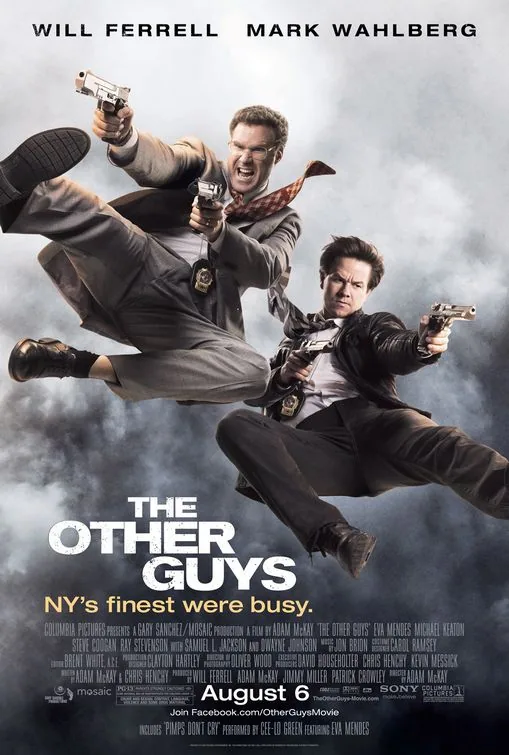
NYPD detectives Terry Hoitz and Allen Gamble are relegated to desk-bound work while the department celebrates its reckless star pair. When those stars die in a stunt, Terry expects a chance to take their place, but Allen would rather pursue a permit violation tied to financier David Ershon. Their investigation brings them into contact with a corporate scheme and a team of armed men, forcing the mismatched partners to follow the money rather than chase celebrity. Terry's anger at being overlooked and Allen's quiet, bookish approach produce a constant clash, while Allen's home life is an unexpected source of surprise for his partner. The case gives the department's so-called other guys a chance to prove whether careful work can matter more than spectacle.
Based on recorded story, mood and style. Your preferences can change the order.
What changes Kung Fu Hustle: fast and escalating. Violent Night: a siege setup balances violent bursts with comic pauses.
A disillusioned Santa is delivering presents when he becomes trapped at a wealthy family’s estate during a criminal assault. A child who believes in him provides an unexpected reason to intervene, while the adults’ fractured relationships complicate the siege. The action comedy turns holiday imagery into a violent rescue story, pairing a home-invasion structure with a question about whether generosity can survive cynicism.
Based on recorded story, mood and style. Your preferences can change the order.
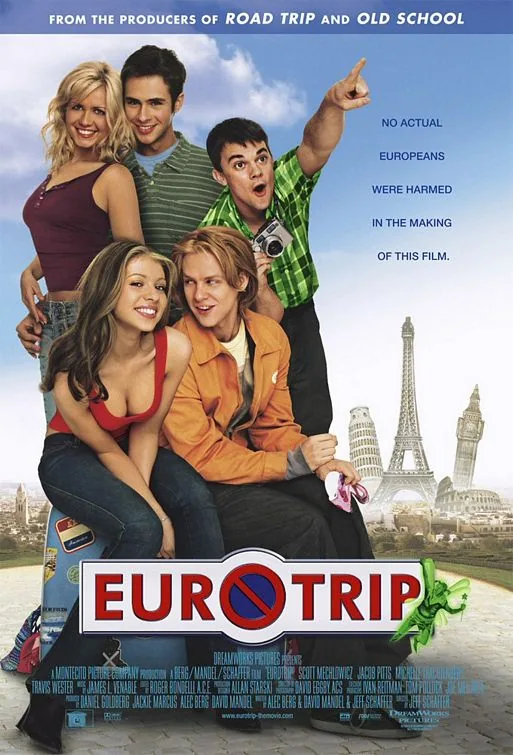
Expect crude and absurd, with fast pacing.
A newly single teenager insults a German pen pal after misunderstanding her name, then sets out across Europe to apologize when he realizes his romantic hopes were directed at the wrong assumption. Friends join a trip whose money, tickets and plans repeatedly disappear through further misreadings. The pursuit becomes an episodic test of loyalty and confidence, though the comedy's imagined Europe often serves the travelers' fantasies more than an independent social reality.
Based on recorded story, mood and style. Your preferences can change the order.
Criminal underworld
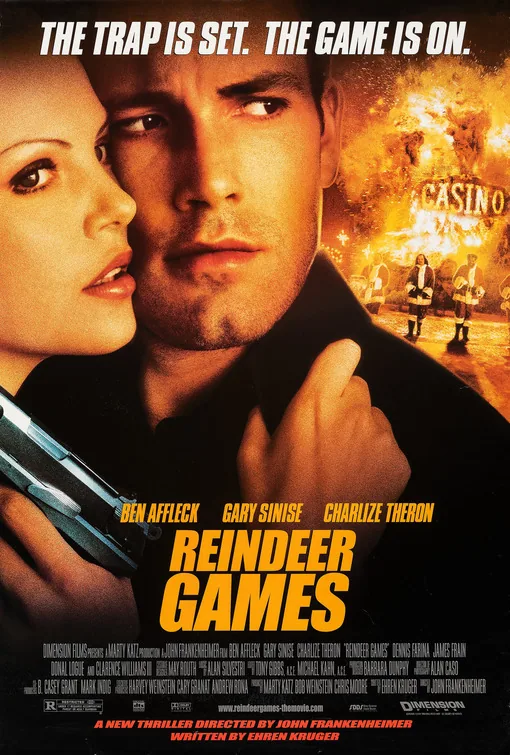
What changes Kung Fu Hustle is tagged absurd and exuberant; Reindeer Games is tagged tense and noir.
An ex-convict adopts his murdered cellmate’s identity and is pulled into a casino robbery planned by criminals who believe the deception. His attempt to survive depends on maintaining a false past while learning how much the gang’s plan conceals. The crime story uses assumed identity to make trust a temporary calculation shaped by danger and opportunism. Cold winter landscapes and abrupt reversals give the heist plot a bleak, late-career thriller mood.
Based on recorded story, mood and style. Your preferences can change the order.
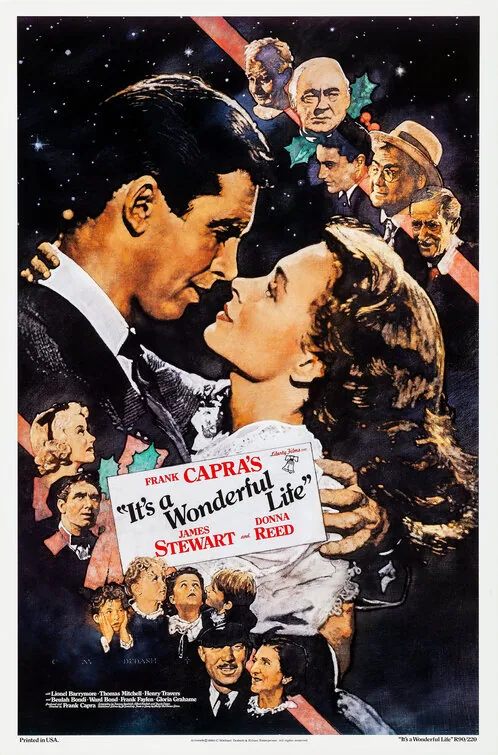
What changes Kung Fu Hustle: fast and escalating. It's a Wonderful Life: measured.
A small-town businessman who has repeatedly postponed his own ambitions reaches a crisis when missing money threatens the institution he has kept alive for his neighbours. A supernatural visitor asks him to reconsider the value of a life he experiences as failure. By revisiting ordinary obligations and imagining their absence, the story connects private despair with the often invisible consequences of friendship, affordable housing and communal care.
Based on recorded story, mood and style. Your preferences can change the order.
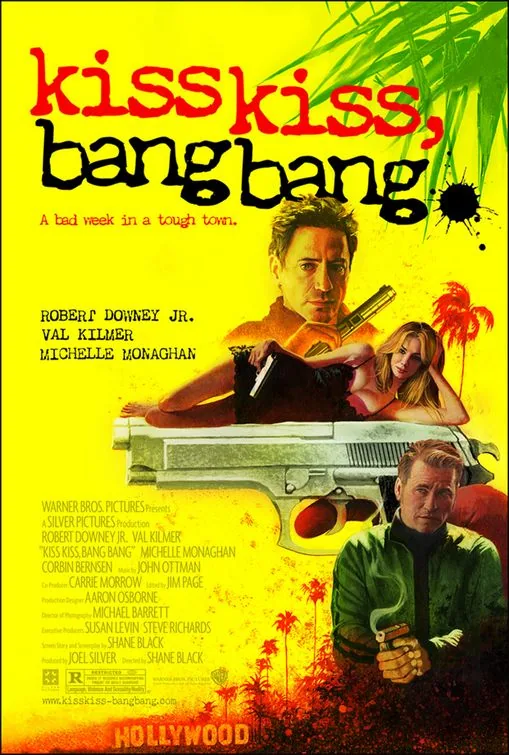
What changes Kung Fu Hustle: fast and escalating. Kiss Kiss Bang Bang: snappy and twisty.
A small-time thief is mistaken for an actor and sent to Hollywood, where he trains with a private investigator while preparing for a role. A suspicious death pulls the unlikely pair into a murder case whose clues keep turning against their expectations. The crime comedy uses narration, mistaken identity and self-aware genre jokes to make Hollywood performance part of the mystery itself.
Based on recorded story, mood and style. Your preferences can change the order.
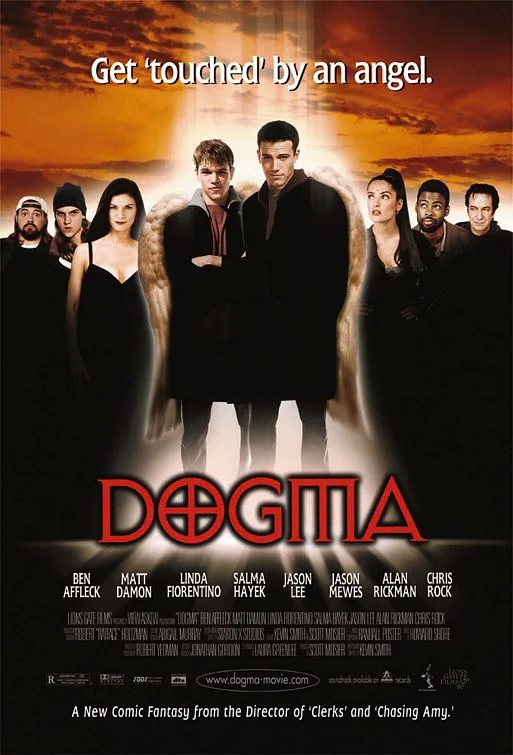
What changes Kung Fu Hustle is tagged absurd and exuberant; Dogma is tagged irreverent and crude.
Two banished angels discover a church ceremony that appears to offer a route back to Heaven, but exploiting its promise would contradict the divine order on which existence depends. A woman struggling with her own faith is sent to prevent them, accompanied by unlikely helpers whose appearances challenge institutional expectations of holiness. Their journey makes doctrinal loopholes, personal resentment and the need for human connection parts of the same comic dispute over belief. Its premise makes religious loopholes literal, but the comedy retains emotional seriousness about belief and exclusion.
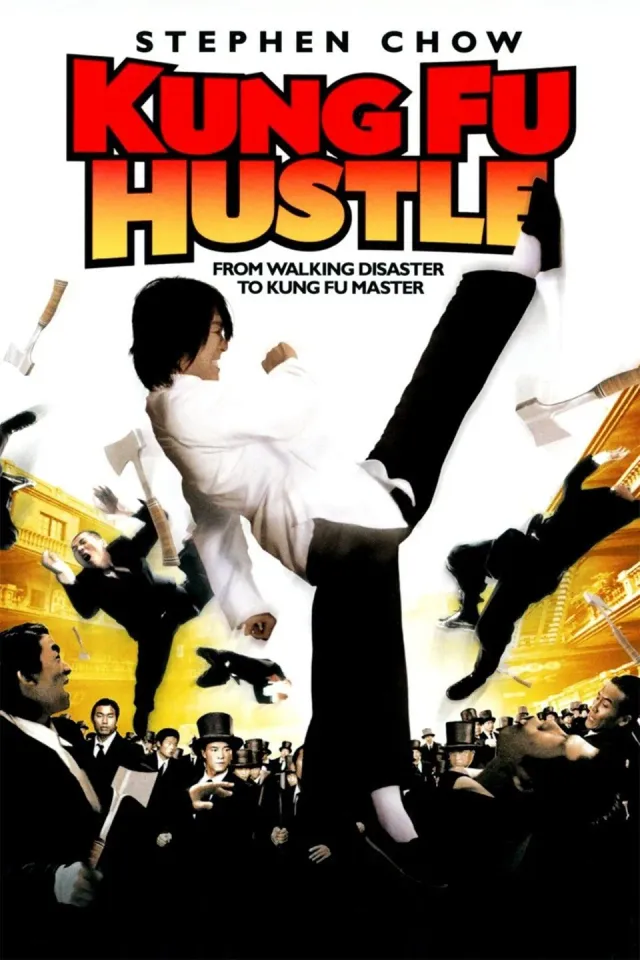
A petty aspirant to criminal status impersonates a feared gang and brings its attention to a poor residential community. Residents who seem ordinary reveal extraordinary martial skill, forcing the intruder to choose between the violent prestige he wants and the neighborhood he has endangered. His belief that heroes inevitably lose comes from an earlier humiliation that the ensuing conflict reopens. The action comedy turns failed villainy into an unstable route toward a capacity for protection he had dismissed, using escalating absurdity rather than realistic criminal advancement.
What drives the story
An impostor's attempt at intimidation exposes hidden masters and escalates gang retaliation, eventually forcing him to act against the organization he hoped to join.
The people at its centre
Sing's defensive contempt contrasts with Fong's remembered kindness and the residents' concealed competence, making his transformation a revision of a moral injury rather than simple training success.
What it feels like
Cartoon physics, musical combat and sudden grotesque violence escalate into extravagant martial fantasy, mixing affectionate genre homage with broad physical parody.
Worth knowing
The superhuman techniques are comic fantasy, and violent spectacle does not make the gang's power admirable; neighborhood solidarity matters more than an uncomplicated lone chosen-one ascent.