Explore films connected to Last Man Standing through survival through strategy, violence and moral distance, loyalty as a weapon. Choose the qualities you want to carry into your next watch.
What should feel similar?
Find your next favourite
9 films · Closest overall matches
Hide films you’ve seen or don’t want. Saved on this device.
No matches for this combination yet.
Try another option or reset your choices to see more films.
Based on recorded story, mood and style. Your preferences can change the order.
Criminal underworld
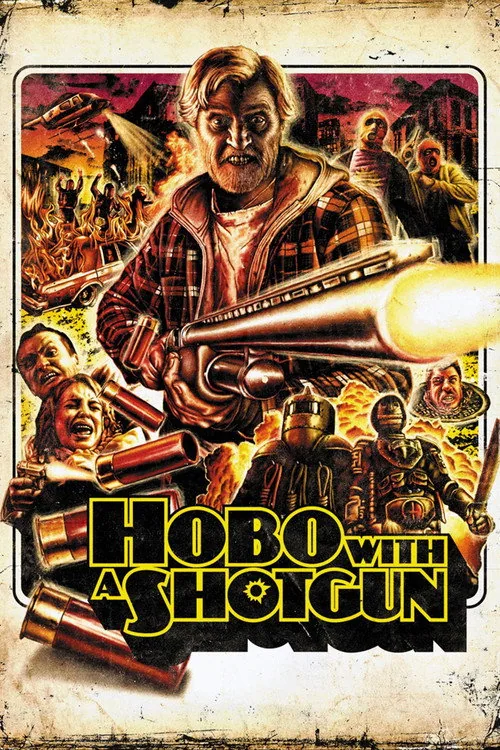
What changes Last Man Standing: deliberate tactical moves, sudden gunfights and noir fatalism. Hobo with a Shotgun: arrival reveals the city's corruption, personal losses motivate retaliation and revenge culminates in a violent showdown.
An unnamed drifter arrives in Hope Town expecting anonymity, only to find a city ruled by crime lord the Drake and terrorized by his sons. When he witnesses the violence visited on ordinary residents, the Hobo buys a shotgun and begins targeting the criminals who control the streets. His uneasy connection with Abby, a young local, gives the campaign a human cost as public brutality and vigilante retaliation turn the city into a lurid battleground.
Based on recorded story, mood and style. Your preferences can change the order.
Criminal underworld · Escape and pursuit
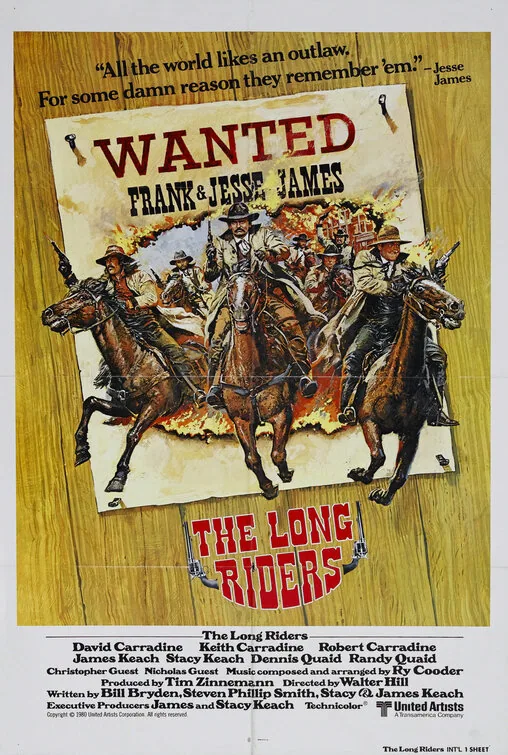
What changes Last Man Standing: deliberate tactical moves, sudden gunfights and noir fatalism. The Long Riders: measured and confrontation-driven.
The James-Younger gang's robberies and escapes are retold through a cast that includes real-life actor brothers playing historical outlaw brothers. The film emphasizes the group's family bonds, the violence of the frontier and the law's growing pressure, rather than treating the gang as uncomplicated folk heroes. Its deliberate western style makes the consequences of criminal life as visible as the attraction of rebellion.
Based on recorded story, mood and style. Your preferences can change the order.
Criminal underworld
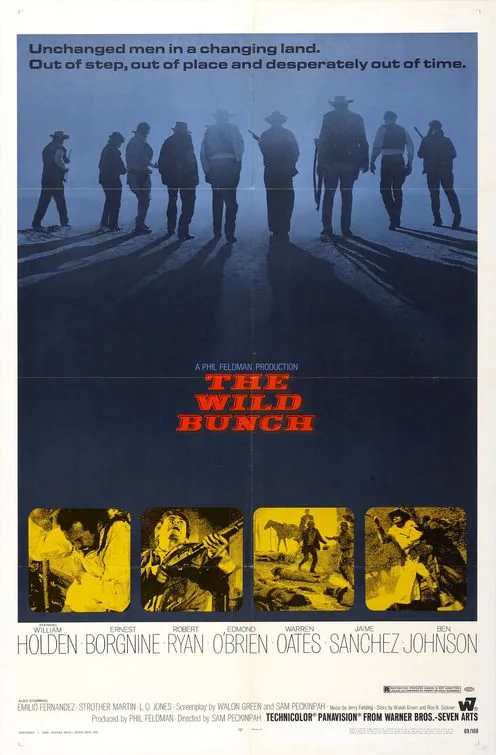
What changes Last Man Standing: deliberate tactical moves, sudden gunfights and noir fatalism. The Wild Bunch: slow build and explosive violence.
Aging outlaw Pike Bishop leads his gang into a botched railroad-office robbery in Texas, where they are unexpectedly met by former associate Deke Thornton and bounty hunters. With their old methods increasingly ineffective, Pike and the survivors flee into Mexico and accept work from General Mapache during the revolution. Their attempts to profit from arms dealings collide with the growing costs of serving a military strongman and with the gang’s own understanding of loyalty. The men’s final decision is less a return to heroic freedom than a recognition of what their trade has made of them. The gang’s final choices expose the difference between loyalty to one another and service to a violent ruler.
Based on recorded story, mood and style. Your preferences can change the order.
Criminal underworld · Escape and pursuit
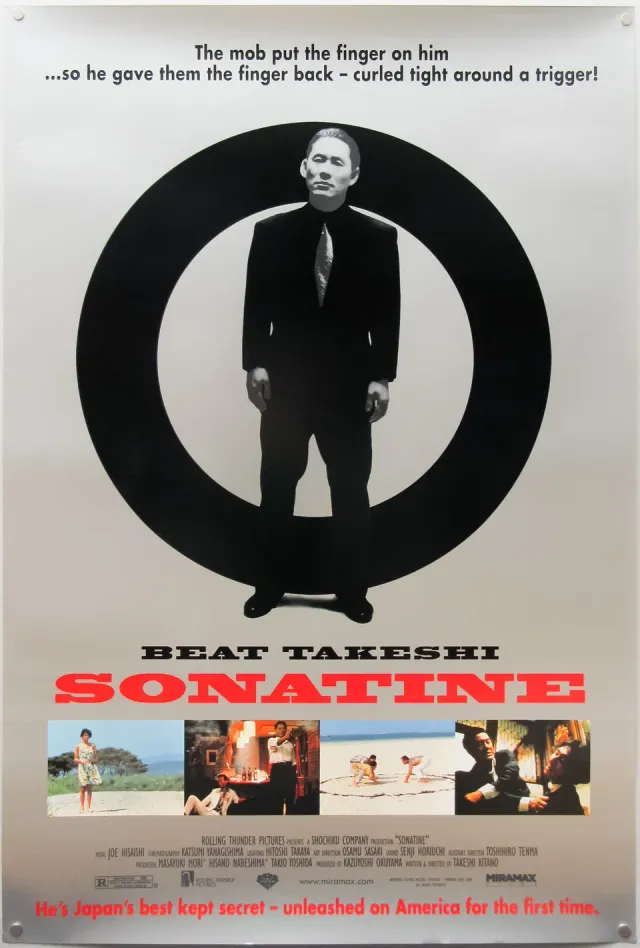
What changes Last Man Standing: deliberate tactical moves, sudden gunfights and noir fatalism. Sonatine: quiet stretches of beachside idleness are interrupted by abrupt attacks and a final return to conflict.
Murakawa, a Tokyo yakuza enforcer weary of gang life, is sent to Okinawa to mediate a dispute between allied clans. He suspects the assignment is a trap; soon a bombing and an ambush leave him and a few surviving men hiding at a remote beach house. The men pass time with games, jokes and rituals that drift between childlike play and sudden violence. Their temporary retreat cannot keep the conflict away, and Murakawa’s calm detachment gives way to decisive action when the gang’s larger power struggle reaches them. Takeshi Kitano’s crime film finds a strange stillness inside a story of betrayal and organized violence.
Based on recorded story, mood and style. Your preferences can change the order.
Escape and pursuit
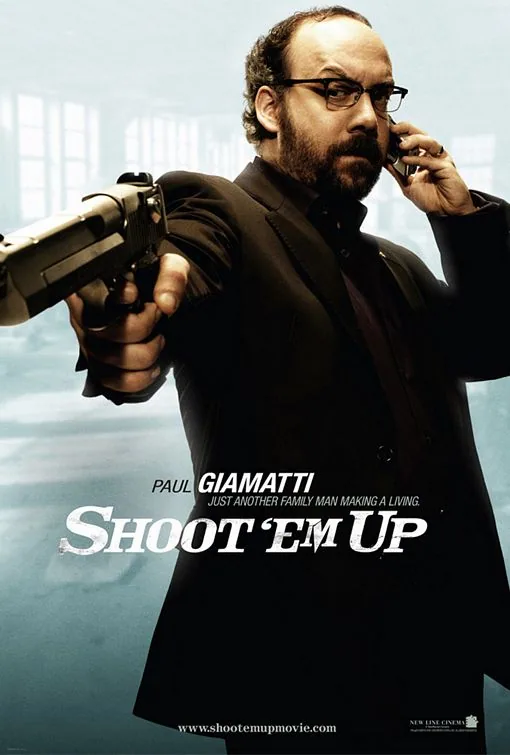
What changes Last Man Standing: deliberate tactical moves, sudden gunfights and noir fatalism. Shoot 'Em Up: hyperactive and set-piece driven.
A drifter who intervenes when a pregnant woman is attacked becomes the unlikely protector of her newborn son. Pursued by armed men and linked to a provider who can help the child, he moves through a series of confrontations while trying to understand why the baby is targeted. The action comedy deliberately exaggerates violence and choreography, making protection an absurdly kinetic problem.
Based on recorded story, mood and style. Your preferences can change the order.
Criminal underworld
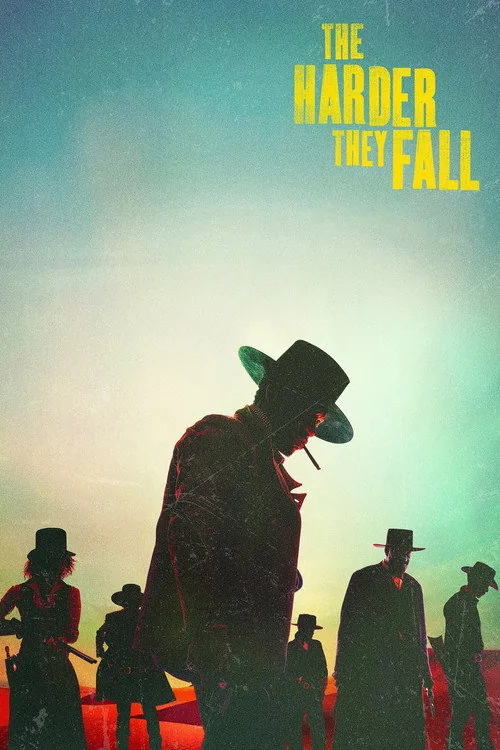
What changes Last Man Standing: deliberate tactical moves, sudden gunfights and noir fatalism. The Harder They Fall: ensemble western, confrontation-driven and action set pieces.
When outlaw Rufus Buck is released from prison, Nat Love gathers a group of allies to confront the man who murdered his parents. Their hunt draws in two rival gangs and the people connected to them, including saloon owner Stagecoach Mary and Buck’s lieutenant Trudy Smith. Jeymes Samuel’s stylized Western gives Black frontier figures the center of a revenge saga, mixing historical names with fictional events, sharp humor, gunfights, and an anachronistic soundtrack.
Based on recorded story, mood and style. Your preferences can change the order.
Criminal underworld
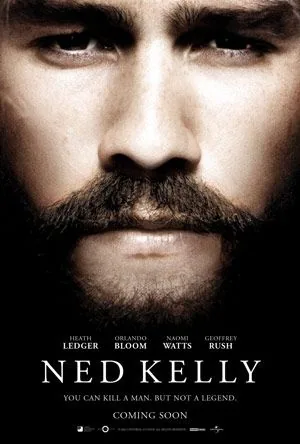
What changes Last Man Standing: deliberate tactical moves, sudden gunfights and noir fatalism. Ned Kelly: escalating and confrontational.
Ned Kelly and his gang become outlaws in colonial Australia amid conflict with police and the institutions that label them criminals. As the group gains notoriety, personal loyalty, public mythology and political grievance pull in different directions. The film uses the bushranger’s story to stage a clash over authority and representation, while its action scenes follow the gang toward an increasingly difficult confrontation.
Based on recorded story, mood and style. Your preferences can change the order.
Criminal underworld
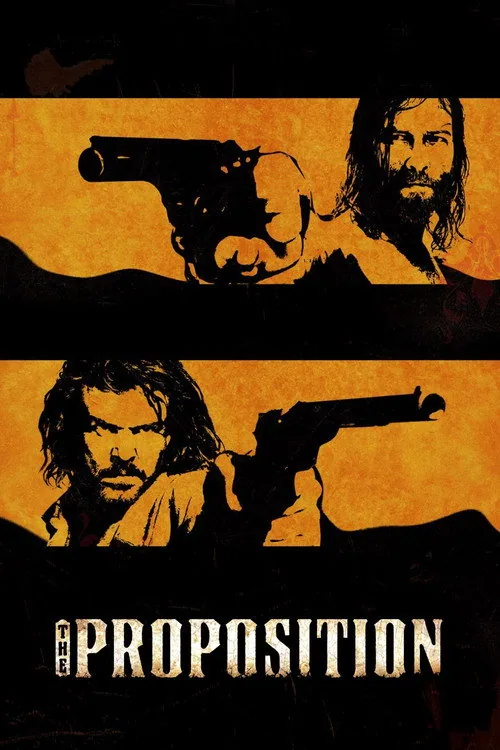
What changes Last Man Standing: deliberate tactical moves, sudden gunfights and noir fatalism. The Proposition: moral ultimatum, slow journey through harsh country and violent reckoning.
In 1880s Australia, bushranger Charlie Burns is captured with his younger brother Mikey after a violent encounter with police. Captain Stanley offers Charlie a brutal bargain: find and kill his older brother Arthur, who is wanted for the murder of a family, or Mikey will be executed. Charlie rides through a harsh landscape toward Arthur's hideout, where the decision becomes entangled with violence, loyalty, and colonial authority. The western gives its outlaw story a stark, morally unstable Australian setting.
Based on recorded story, mood and style. Your preferences can change the order.
Criminal underworld
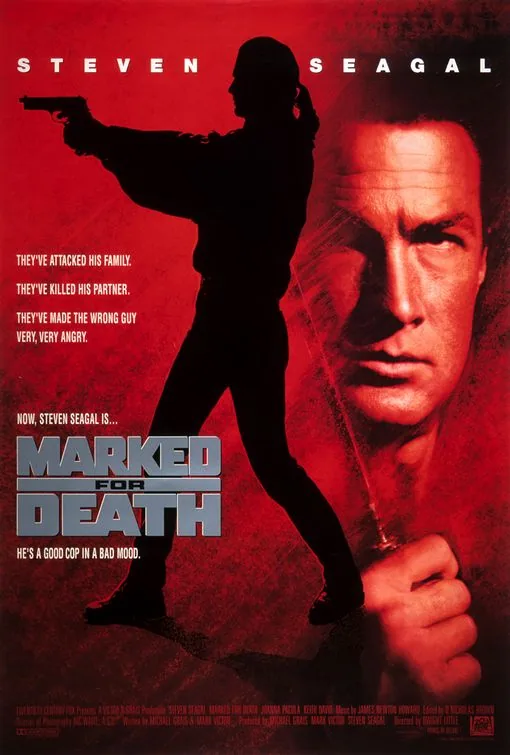
What changes Last Man Standing: deliberate tactical moves, sudden gunfights and noir fatalism. Marked for Death: action-driven and escalating.
After leaving the DEA, John Hatcher returns to his hometown hoping to live quietly, but a Jamaican drug gang's presence draws him back into violence. When the group's leader targets people close to him, Hatcher becomes a personal obstacle to an expanding criminal operation. The film follows his transition from former agent to avenging fighter, relying on direct action and a conflict between restraint and retaliation.
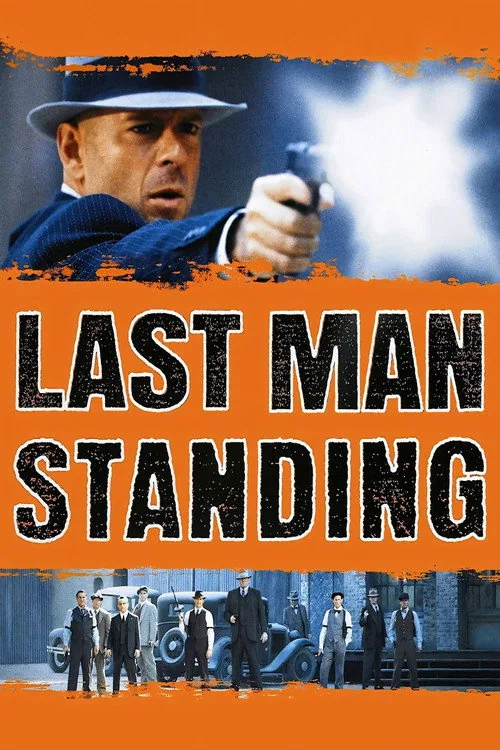
A nameless drifter arrives in a dry Texas border town during Prohibition and discovers two rival gangs competing for control. He offers his gun to each side in turn, turning their feud into a series of tactical betrayals while keeping his own loyalties opaque. As the violence grows and a local woman complicates his calculations, the drifter's strategy begins to carry personal consequences. Walter Hill relocates the structure of Yojimbo into a stripped-down American gangster western.
What drives the story
A drifter takes competing jobs from two gangs and manipulates their feud to stay alive and control the town's balance.
The people at its centre
His transactional alliances conceal a growing stake in a woman and the ordinary people trapped between the factions.
What it feels like
A hard-edged western crime film pairs spare dialogue and sudden shootouts with a deliberate game of double-crosses.
Worth knowing
It adapts a samurai-gangster rivalry into a Prohibition western and differs from a conventional lawman-led frontier story.
survival through strategyviolence and moral distanceloyalty as a weapon