A failed robbery pushes an aging gang toward a military patron, whose demand for weapons forces the outlaws to choose what their remaining loyalty means.
Why this matches +
A harsh western makes family loyalty inseparable from coercive law and the physical cost of masculine violence.
Genres: Western / Heist
Shared film traits
Based on recorded story, mood and style. Your preferences can change the order.
Criminal underworld
What changes The Proposition: moral ultimatum, slow journey through harsh country and violent reckoning. The Wild Bunch: slow build and explosive violence.
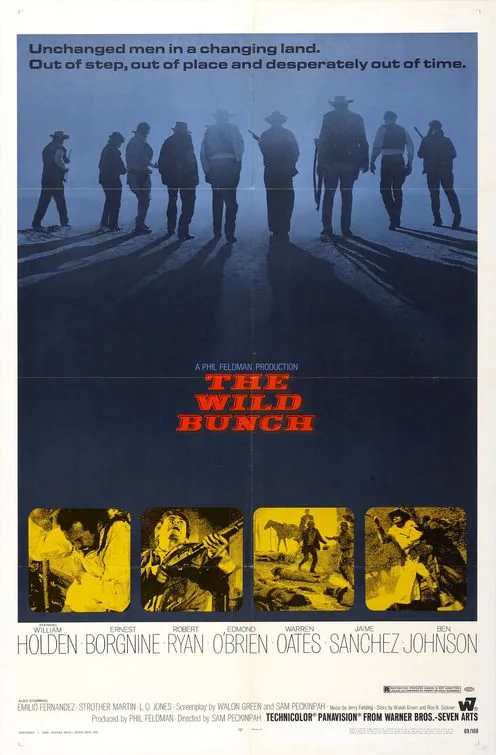
Aging outlaw Pike Bishop leads his gang into a botched railroad-office robbery in Texas, where they are unexpectedly met by former associate Deke Thornton and bounty hunters. With their old methods increasingly ineffective, Pike and the survivors flee into Mexico and accept work from General Mapache during the revolution. Their attempts to profit from arms dealings collide with the growing costs of serving a military strongman and with the gang’s own understanding of loyalty. The men’s final decision is less a return to heroic freedom than a recognition of what their trade has made of them. The gang’s final choices expose the difference between loyalty to one another and service to a violent ruler.
Bob's desire to be close to Jesse shifts from fandom to fear and opportunism, making the assassination the endpoint of a personal imbalance rather than a clean caper.
Why this matches +
A harsh western makes family loyalty inseparable from coercive law and the physical cost of masculine violence.
Genres: Drama / Biography
Shared film traits
Based on recorded story, mood and style. Your preferences can change the order.
Criminal underworld
What changes The Proposition: moral ultimatum, slow journey through harsh country and violent reckoning. The Assassination of Jesse James by the Coward Robert Ford: slow-burn character study and sudden violence.
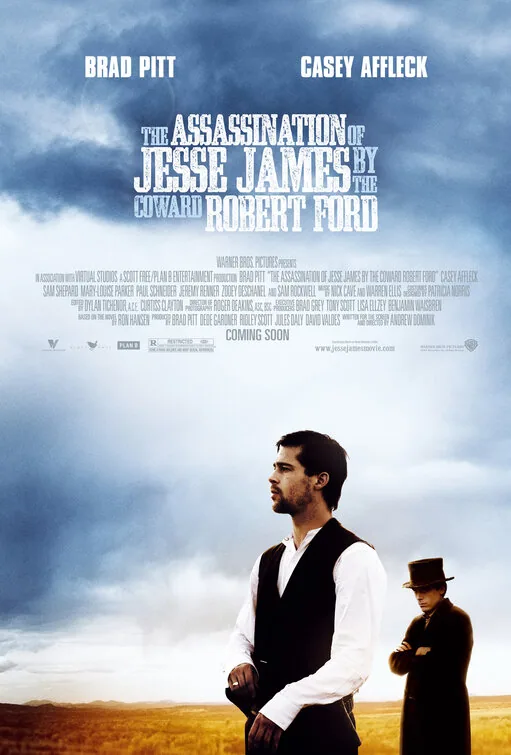
Young Robert Ford idolizes outlaw Jesse James and works his way into the James gang, expecting proximity to bring him the heroic life he has imagined. Jesse's wary attention first flatters Bob, then makes him fear how unpredictable the outlaw can be. As the gang frays and Bob's admiration turns into resentment and calculation, he accepts a bounty to betray Jesse. The killing makes Bob famous, but public attention cannot grant him the stature he wanted. The film follows the long aftermath of an act that becomes a story both men cannot control.
A paid retaliation mission reactivates a violent past while a competing official monopoly on force turns justice into a contest over who may punish whom.
Why this matches +
A harsh western makes family loyalty inseparable from coercive law and the physical cost of masculine violence.
Genres: Crime / Drama
Shared film traits
Based on recorded story, mood and style. Your preferences can change the order.
What changes The Proposition: moral ultimatum, slow journey through harsh country and violent reckoning. Unforgiven: slow burn.
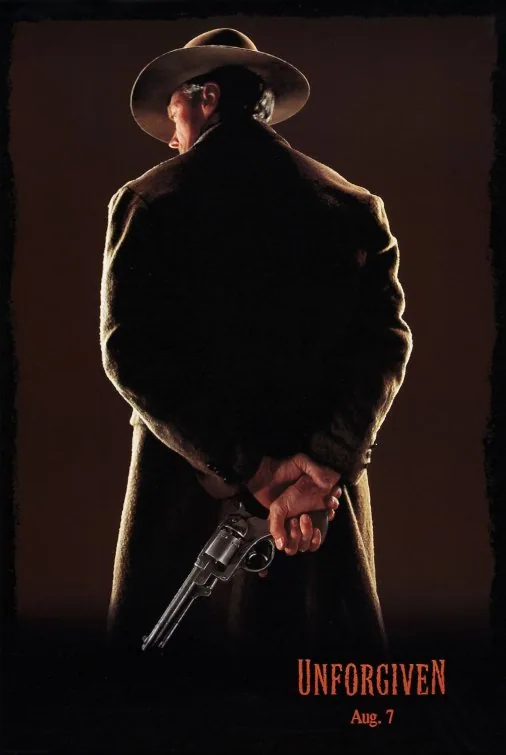
A retired gunman struggling to support his children accepts a bounty offered by sex workers after a violent assault receives a punishment protecting their employer's property interests. Riding with an old companion and an inexperienced claimant to gunfighter status, he enters a town whose sheriff enforces order through intimidation. The expedition exposes how accounts of courage and lawful authority can conceal pain, fear and the practical difficulty of killing another person.
The escort order places former enemies in the same exposed journey where survival depends on cooperation.
Why this matches +
A harsh western makes family loyalty inseparable from coercive law and the physical cost of masculine violence.
Genres: Drama / Western
Shared film traits
Based on recorded story, mood and style. Your preferences can change the order.
What changes The Proposition: moral ultimatum, slow journey through harsh country and violent reckoning. Hostiles: slow journey punctuated by sudden violence.
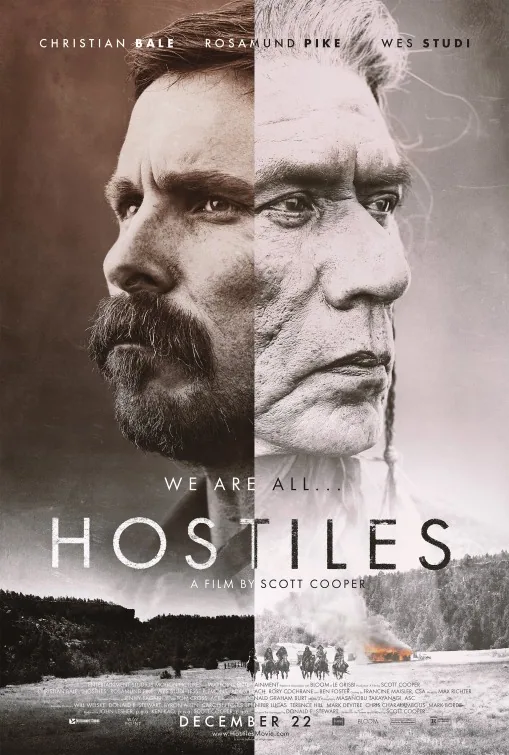
A U.S. Army captain is ordered to escort a Cheyenne chief and his family across dangerous territory to their homeland. The mission forces a group shaped by years of violence to travel together while facing threats from the surrounding frontier. The Western drama examines grief, racism and the possibility of limited cooperation without treating reconciliation as easy or complete.
A survivor of family murder and a broken surrender promise is pursued across the frontier, where revenge slowly becomes protection of a makeshift community.
Why this matches +
A harsh western makes family loyalty inseparable from coercive law and the physical cost of masculine violence.
Genres: Western / Vigilante
Shared film traits
Based on recorded story, mood and style. Your preferences can change the order.
What changes The Proposition: moral ultimatum, slow journey through harsh country and violent reckoning. The Outlaw Josey Wales: episodic and measured.
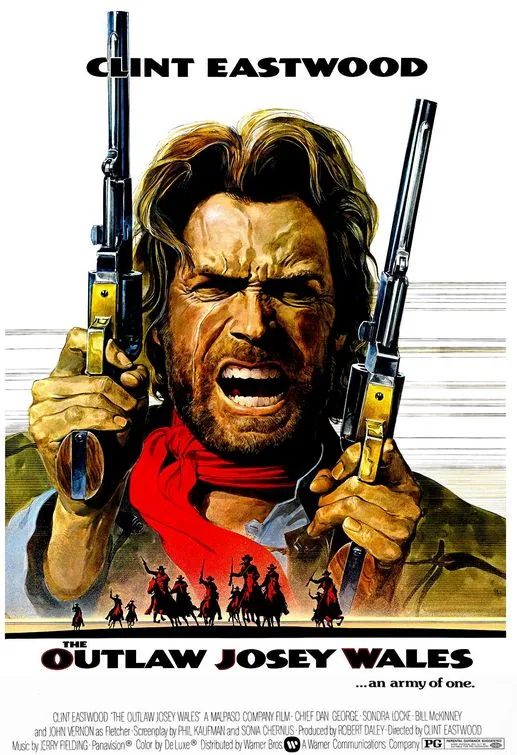
After pro-Union raiders murder his family and burn his Missouri farm, Josey Wales joins Confederate guerrillas during the Civil War. When the surviving fighters accept a promised amnesty and are massacred, Wales refuses surrender and becomes a hunted outlaw. He heads toward Texas, pursued by Captain Terrill and bounty hunters, and gradually travels with people who need protection or have been pushed to society's margins. His reputation as a gunfighter makes him dangerous, but the new group gives his journey a purpose beyond revenge. The story shifts from a solitary vendetta toward the difficult possibility of building a community after political violence. Its frontier and war history are filtered through a revisionist Western and a disputed source author.
A determined child's contracted revenge expedition becomes a three-way negotiation over authority, practical judgement and responsibility for a shared target.
Why this matches +
A harsh western makes family loyalty inseparable from coercive law and the physical cost of masculine violence.
Genres: Drama / Adventure
Shared film traits
Based on recorded story, mood and style. Your preferences can change the order.
What changes The Proposition: moral ultimatum, slow journey through harsh country and violent reckoning. True Grit: measured.
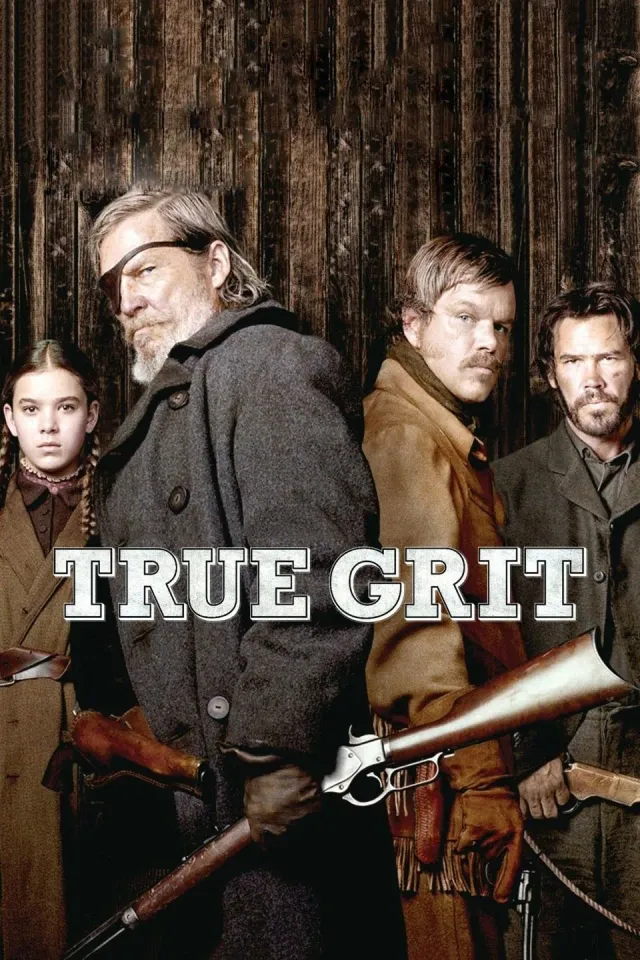
A teenage girl hires a disreputable federal marshal to pursue the man who killed her father, insisting on joining the expedition despite adults' attempts to exclude her. A Texas Ranger seeking the same fugitive brings a competing claim over the arrest and its destination. Their movement into dangerous territory tests the girl's exacting certainty against experienced men whose competence is uneven and whose help does not come without physical cost.
A land seizure disguised as outlaw violence creates a contest whose hidden revenge motive gradually emerges alongside a railway's commercial expansion.
Why this matches +
A harsh western makes family loyalty inseparable from coercive law and the physical cost of masculine violence.
Genres: Drama / Action
Shared film traits
Based on recorded story, mood and style. Your preferences can change the order.
What changes The Proposition: moral ultimatum, slow journey through harsh country and violent reckoning. Once Upon a Time in the West: slow burn.
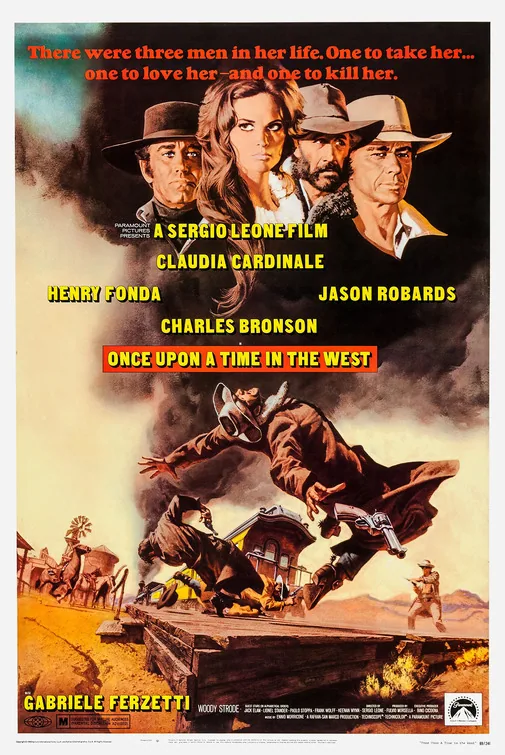
A woman arrives to join her new husband only to discover that his family has been murdered and his land sits on the route of an expanding railway. A hired gun, an outlaw wrongly blamed for the killing and a stranger with a harmonica circle the property for reasons that are not equally visible. Their intersecting agendas connect private revenge to the conversion of a frontier into an infrastructure of commerce and control.
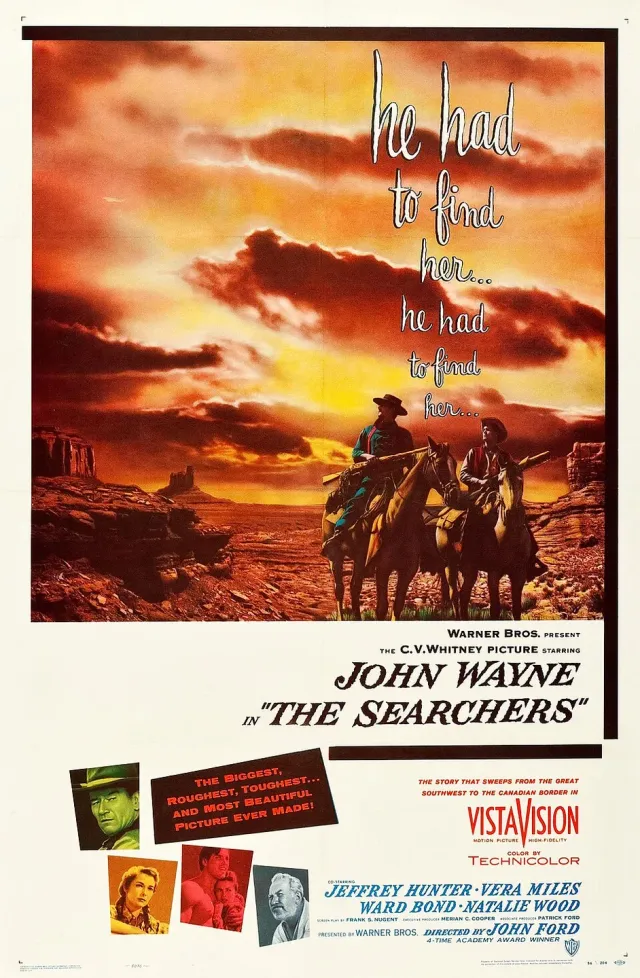
A long rescue search splits between Martin's concern for Debbie and Ethan's fixation on racial purity and revenge, making the destination morally uncertain.
Why this matches +
A harsh western makes family loyalty inseparable from coercive law and the physical cost of masculine violence.
Genres: Drama / War
Shared film traits
Based on recorded story, mood and style. Your preferences can change the order.
What changes The Proposition: moral ultimatum, slow journey through harsh country and violent reckoning. The Searchers: expansive and episodic.
Civil War veteran Ethan Edwards returns to his brother's Texas home and joins a pursuit after a Comanche raid kills much of the family and takes young Debbie. Ethan and Debbie's adopted, part-Cherokee brother Martin search for years, but they do not share the same purpose: Martin hopes to bring Debbie home, while Ethan's racism makes him question whether she should be rescued if she has assimilated into Comanche life. Their route crosses ranches, military posts and settlements, while Martin's attachment to Laurie and Ethan's fixation on the search complicate their return to ordinary life. When they finally find Debbie, Martin has to prevent Ethan's hatred from determining her fate. The film's iconic Western landscape frames a story that exposes the violence and racial hierarchy embedded in its frontier mythology.
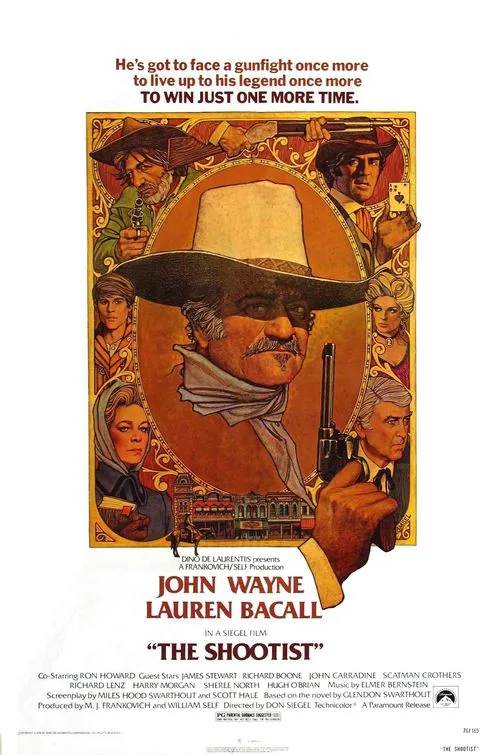
Books's diagnosis and the town's fascination with his legend force him to decide how much control remains over his last days.
Why this matches +
A harsh western makes family loyalty inseparable from coercive law and the physical cost of masculine violence.
Genres: Western / Drama
Shared film traits
Based on recorded story, mood and style. Your preferences can change the order.
What changes The Proposition: moral ultimatum, slow journey through harsh country and violent reckoning. The Shootist: measured, patient and culminating.
An aging and celebrated gunfighter, John Bernard Books, arrives in Carson City and learns from a doctor that he has terminal cancer. He rents a room from widow Bond Rogers, whose son Gillom recognizes the stranger; the news attracts old acquaintances, reporters and would-be challengers. Books wants to spend his remaining time quietly, but violence and the myth of the Old West gather around him as he considers how to choose his final act.
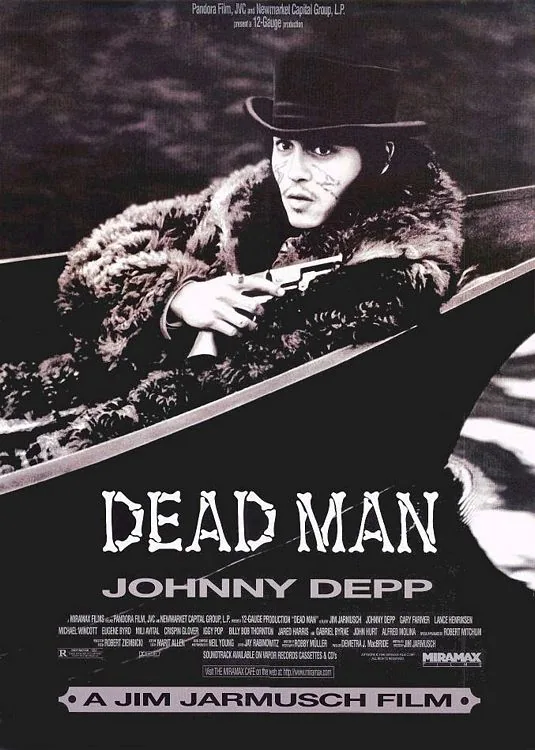
A fatal wound redirects an economic journey into a fugitive passage toward death, shaped by a guide whose interpretation of the protagonist's name exceeds his own self-knowledge.
Why this matches +
A harsh western makes family loyalty inseparable from coercive law and the physical cost of masculine violence.
Genres: Western / Drama
Shared film traits
Based on recorded story, mood and style. Your preferences can change the order.
What changes The Proposition: moral ultimatum, slow journey through harsh country and violent reckoning. Dead Man: slow burn.
An accountant arriving in a frontier company town finds his promised job gone and becomes involved in a killing that leaves him wounded and pursued. An Indigenous traveler named Nobody recognizes his name as that of a poet and guides him through a landscape the fugitive cannot interpret with his old assumptions. The journey makes departure from ordinary identity inseparable from approaching death, while the West appears less a field of opportunity than a place structured by extraction and violence. The journey gradually strips away the accountant’s confidence that a name, job or settlement can define him.
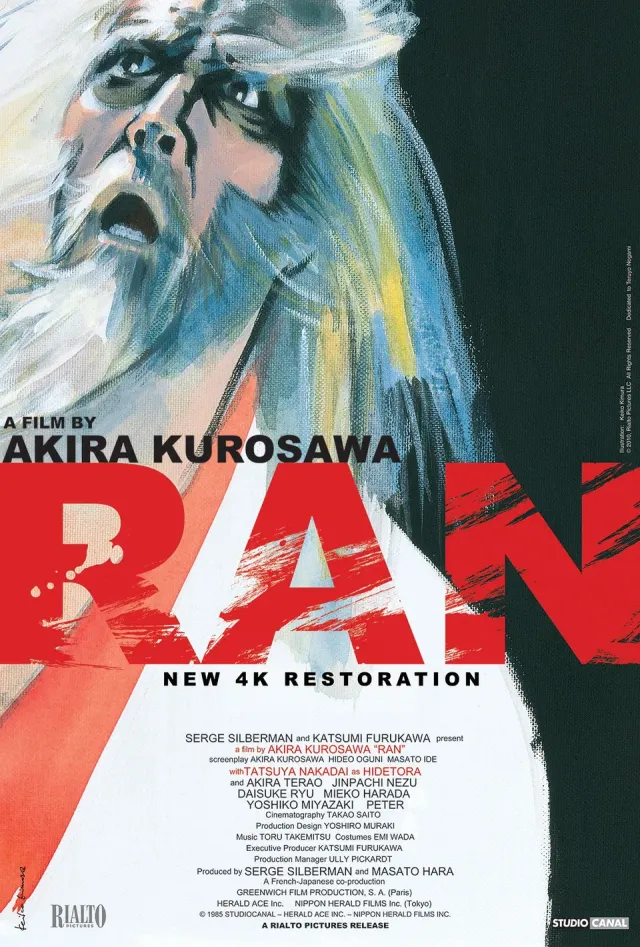
The division of land turns succession into open conflict, and Hidetora’s loss of authority leaves him to witness the consequences of his own rule.
Why this matches +
A stylized historical world exposes how inherited authority and personal revenge turn human bodies into instruments of public power.
An adjacent discovery: a related idea with a different viewing experience.
Genres: Drama / War
Shared film traits
Based on recorded story, mood and style. Your preferences can change the order.
What changes The Proposition: moral ultimatum, slow journey through harsh country and violent reckoning. Ran: measured, episodic and escalating.
Aging warlord Hidetora Ichimonji divides his territory among his three sons, expecting their loyalty to keep the clan intact. The youngest, Saburo, warns that the arrangement will fail and is banished along with the retainer who supports him. When the elder brothers turn the succession into a struggle for power, Hidetora loses control of the castles and armies he once commanded. He wanders through the devastation with a fool and a loyal retainer as violence exposes the human cost of his earlier rule. The family’s final alliances cannot undo the betrayals that started the war.
An anticipated harvest raid creates a recruitment and preparation deadline, making collective defence depend on cooperation across an entrenched class divide.
Why this matches +
A stylized historical world exposes how inherited authority and personal revenge turn human bodies into instruments of public power.
An adjacent discovery: a related idea with a different viewing experience.
Genres: Drama / Action
Shared film traits
Based on recorded story, mood and style. Your preferences can change the order.
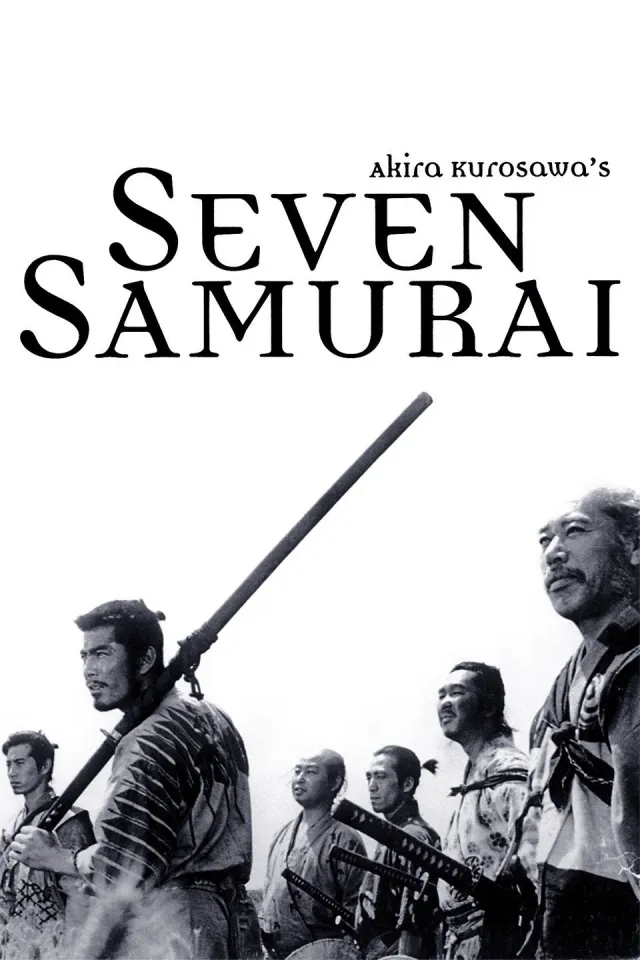
What changes The Proposition: moral ultimatum, slow journey through harsh country and violent reckoning. Seven Samurai: epic, measured and intense.
Farmers expecting another bandit raid seek warriors willing to defend their village in exchange for food. An experienced samurai assembles a varied group and begins turning frightened inhabitants into an organised defence. Preparation exposes mistrust between social classes as well as differences among the fighters, so the coming battle tests whether people divided by status can cooperate without pretending their interests and losses are identical.
Shinzaemon gathers a small force and prepares a village ambush to prevent Naritsugu from gaining greater political power.
Why this matches +
A stylized historical world exposes how inherited authority and personal revenge turn human bodies into instruments of public power.
An adjacent discovery: a related idea with a different viewing experience.
Genres: Action / Drama
Shared film traits
Based on recorded story, mood and style. Your preferences can change the order.
Political resistance
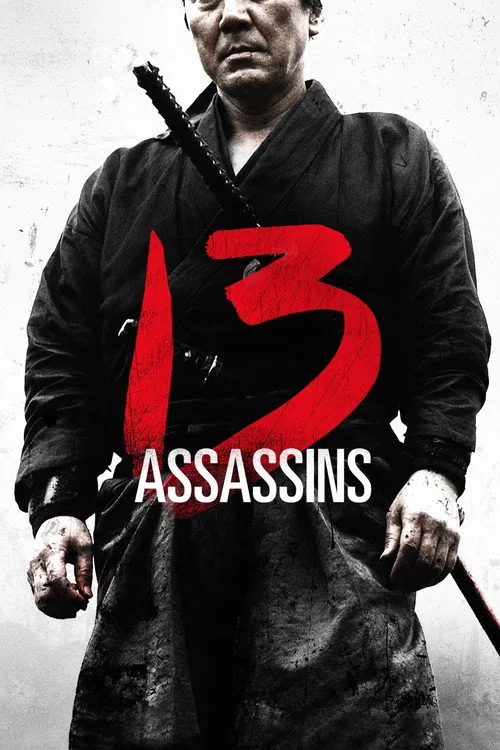
What changes The Proposition: moral ultimatum, slow journey through harsh country and violent reckoning. 13 Assassins: measured mission planning, tension before confrontation and extended action climax.
In 1844, samurai Shinzaemon Shimada is asked to stop Lord Naritsugu, a cruel member of the ruling family whose appointment threatens the lives of many. Shinzaemon assembles twelve additional warriors and plans an ambush designed to trap Naritsugu’s much larger escort. Takashi Miike’s Japanese period action film follows the group’s preparation and final battle, using the mission to explore honor, political obligation, and the limits of a samurai code under a corrupt shogunate.
A new marriage brings Rose and Peter into Phil's ranch household, where his cruelty and a later mentorship shift the balance among the family members.
Why this matches +
A stylized historical world exposes how inherited authority and personal revenge turn human bodies into instruments of public power.
An adjacent discovery: a related idea with a different viewing experience.
Genres: Drama / Western
Shared film traits
Based on recorded story, mood and style. Your preferences can change the order.
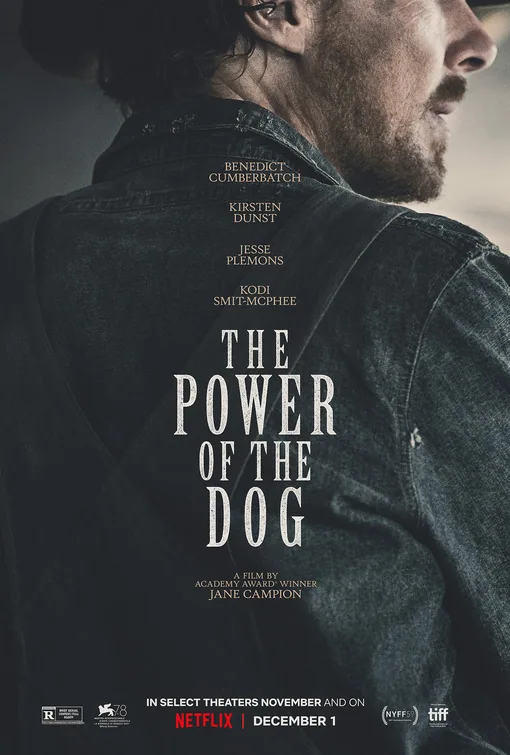
What changes The Proposition: moral ultimatum, slow journey through harsh country and violent reckoning. The Power of the Dog: slow-burn and measured.
In 1925 Montana, brothers Phil and George Burbank meet widow Rose Gordon while driving cattle. George marries Rose, and she moves to the ranch with her son Peter, whose quiet manner Phil mocks. Phil's contempt and displays of masculine authority unsettle Rose, who retreats into alcohol while Peter is away studying medicine. When Peter returns, Phil's treatment of him changes: an uneasy mentorship grows around rope-making and the memory of Bronco Henry, the cowboy Phil revered. Small acts and withheld information gradually alter the power inside the household. Jane Campion's adaptation of Thomas Savage's novel builds a psychological Western from what characters refuse to say, making the ranch's wide landscape feel less open than the social rules that govern it.
The ronin treats a local feud as a system he can exploit, but the balance shifts when one faction gains a weapon that changes the terms of the contest.
Why this matches +
A stylized historical world exposes how inherited authority and personal revenge turn human bodies into instruments of public power.
An adjacent discovery: a related idea with a different viewing experience.
Genres: Drama
Shared film traits
Based on recorded story, mood and style. Your preferences can change the order.
Criminal underworld
What changes The Proposition: moral ultimatum, slow journey through harsh country and violent reckoning. Yojimbo: calculated reversals and bursts of violence.
A nameless masterless samurai arrives in a corrupt village divided between two rival criminal families. Seeing that each side can be manipulated, he hires himself out as a bodyguard to both and tries to turn their rivalry against them. The plan becomes more dangerous when one gang brings back a gunman, and the samurai is captured and injured before making a return. Toshiro Mifune’s sly performance and Akira Kurosawa’s sharply staged action make the violence feel both suspenseful and darkly comic. The samurai’s plan depends on reading what each gang wants and what the village fears.
Prophecy and the pursuit of kingship transform Macbeth’s choices into a tragedy about ambition and the cost of political power.
Why this matches +
A stylized historical world exposes how inherited authority and personal revenge turn human bodies into instruments of public power.
An adjacent discovery: a related idea with a different viewing experience.
Genres: Drama / History
Shared film traits
Based on recorded story, mood and style. Your preferences can change the order.
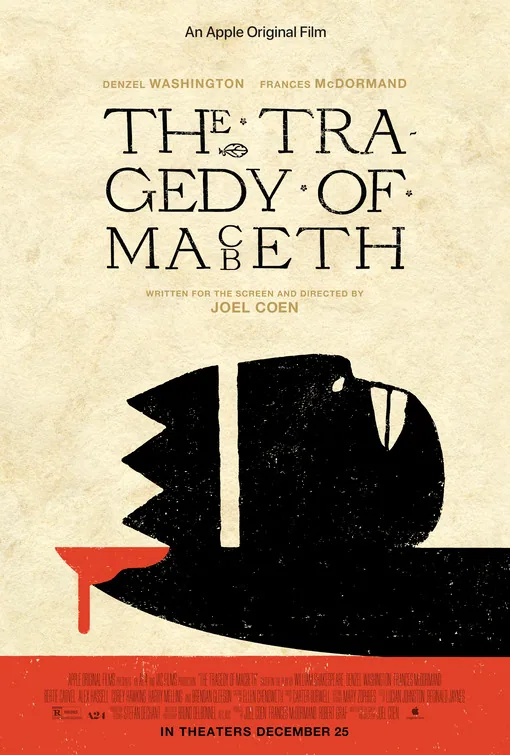
What changes The Proposition: moral ultimatum, slow journey through harsh country and violent reckoning. The Tragedy of Macbeth: the witches’ prediction opens a possible future, macbeth and lady macbeth act to hasten it and and the resulting crown becomes difficult to defend..
After three witches tell Macbeth that he will become king, the Scottish commander and his wife consider how prophecy might be turned into power. Their decisions set off a cycle of suspicion, violence and political resistance. Joel Coen’s adaptation focuses on the play’s verbal force and on how ambition changes the couple’s judgment as the kingdom shifts around them.
A supernatural prediction gives a loyal warrior an apparent future, and each attempt to make it secure accelerates his downfall.
Why this matches +
A stylized historical world exposes how inherited authority and personal revenge turn human bodies into instruments of public power.
An adjacent discovery: a related idea with a different viewing experience.
Genres: Drama / Samurai cinema
Shared film traits
Based on recorded story, mood and style. Your preferences can change the order.
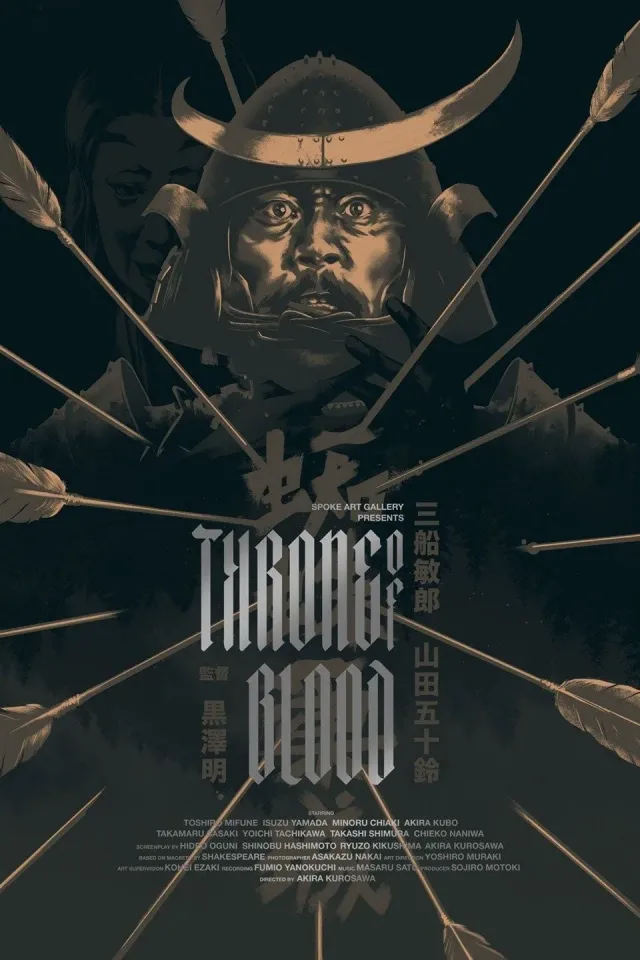
What changes The Proposition: moral ultimatum, slow journey through harsh country and violent reckoning. Throne of Blood: deliberate and tragic escalation.
In feudal Japan, warriors Washizu and Miki lose their way in a forest and encounter a spirit that predicts their futures. Washizu is told he will become lord of Spider’s Web Castle, while Miki is promised a later succession through his son. When the first prophecy comes true, Washizu’s wife Asaji urges him to secure his position, and suspicion turns ambition into a chain of murder and betrayal. Kurosawa adapts Macbeth through the visual and theatrical language of Noh, shifting Shakespeare’s Scottish court into a mist-filled landscape of militarized authority. Washizu’s later decisions become harder to distinguish from the prophecy he fears, while Asaji avoids open displays of emotion.
A conflict over the right to graze cattle becomes a test of whether a small community can resist a rancher's private authority.
Why this matches +
A stylized historical world exposes how inherited authority and personal revenge turn human bodies into instruments of public power.
An adjacent discovery: a related idea with a different viewing experience.
Genres: Western / Drama
Shared film traits
Based on recorded story, mood and style. Your preferences can change the order.
Political resistance
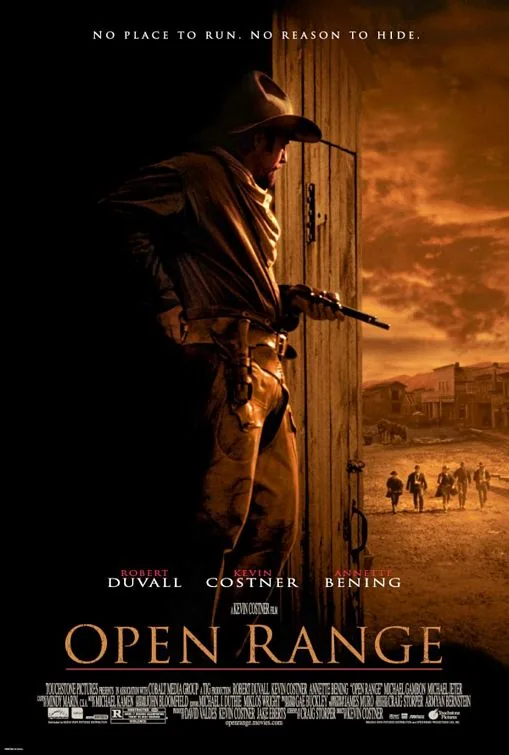
What changes The Proposition: moral ultimatum, slow journey through harsh country and violent reckoning. Open Range: slow-building and violent climax.
Two free-grazing cattlemen enter a Montana town controlled by a wealthy rancher who expects them to follow his rules. When violence against their crew reveals that negotiation alone will not protect the community, the men consider how to respond without abandoning the code that has guided their lives. The Western builds from quiet work and local observation toward a confrontation about land, power and the meaning of self-determination.
A communal departure, wartime captivity and fractured return reveal how violence changes the possibility of resuming an earlier life.
Why this matches +
A stylized historical world exposes how inherited authority and personal revenge turn human bodies into instruments of public power.
An adjacent discovery: a related idea with a different viewing experience.
Genres: Drama / War
Shared film traits
Based on recorded story, mood and style. Your preferences can change the order.
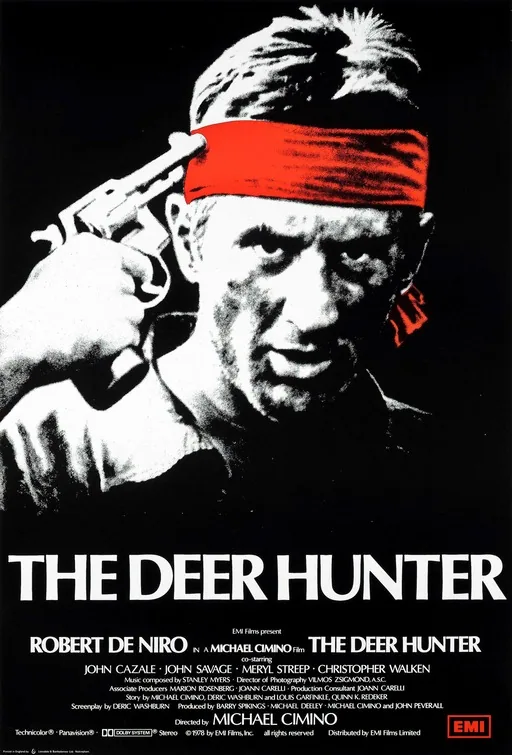
What changes The Proposition: moral ultimatum, slow journey through harsh country and violent reckoning. The Deer Hunter: measured and epic.
Three friends from a Pennsylvania steelworking community leave for service in Vietnam after a wedding that draws together their social world. Captivity and extreme coercion rupture their shared assumptions, and returning home does not restore the relationships or confidence the departure seemed to guarantee. A renewed effort to recover a missing friend makes survival inseparable from confronting damage that cannot be solved by reproducing familiar rituals.
After One-Eye escapes captivity, the expedition's journey becomes a series of encounters with terrain and beliefs beyond its control.
Why this matches +
A stylized historical world exposes how inherited authority and personal revenge turn human bodies into instruments of public power.
An adjacent discovery: a related idea with a different viewing experience.
Genres: Fantasy / Drama
Shared film traits
Based on recorded story, mood and style. Your preferences can change the order.
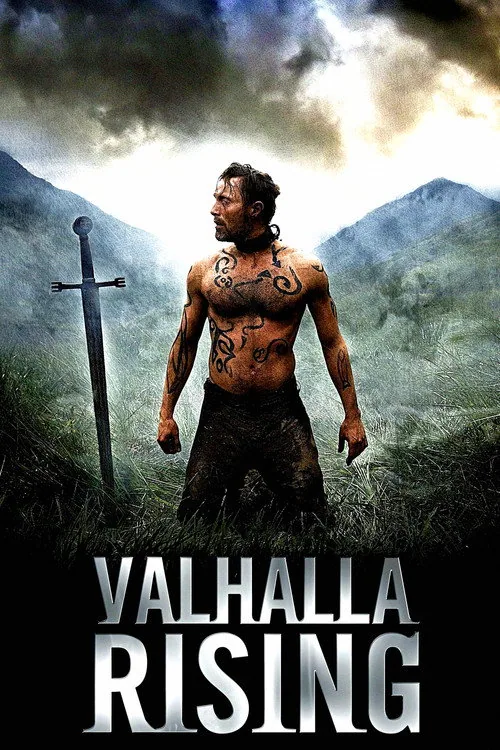
What changes The Proposition: moral ultimatum, slow journey through harsh country and violent reckoning. Valhalla Rising: slow and meditative, chaptered progression and sudden bursts of violence.
One-Eye, a mute captive forced to fight for a Norse chieftain, escapes with the help of a boy who has watched over him. They join a group of Christian Norsemen setting sail for the Holy Land, but their voyage delivers them to a harsh, unfamiliar landscape where the expedition's certainty begins to collapse. Nicolas Winding Refn tells the journey in sparse chapters, using long silences and stark images rather than conventional historical exposition. The result is a brutal, meditative adventure about violence, belief, and outsiders moving through a world they cannot master.
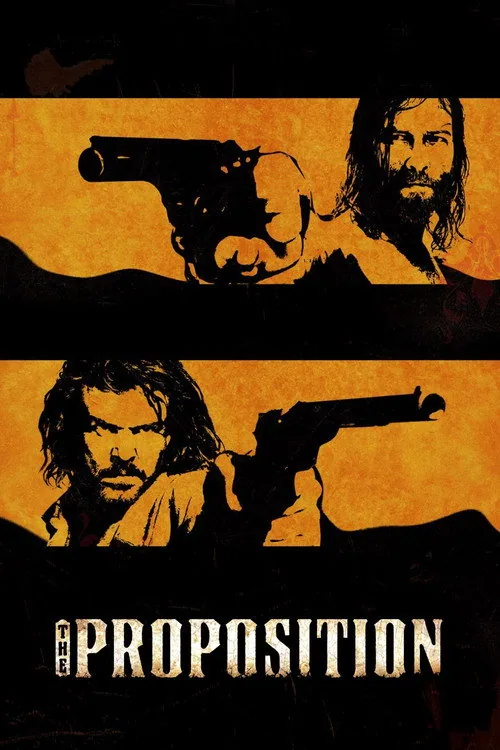
In 1880s Australia, bushranger Charlie Burns is captured with his younger brother Mikey after a violent encounter with police. Captain Stanley offers Charlie a brutal bargain: find and kill his older brother Arthur, who is wanted for the murder of a family, or Mikey will be executed. Charlie rides through a harsh landscape toward Arthur's hideout, where the decision becomes entangled with violence, loyalty, and colonial authority. The western gives its outlaw story a stark, morally unstable Australian setting.
What drives the story
Charlie travels toward Arthur under a deadline that makes family loyalty inseparable from the law's violence.
The people at its centre
The brothers' differing reputations and obligations draw Charlie between personal attachment and a coercive bargain.
What it feels like
A deliberately severe Australian western uses landscape, silence, and sudden brutality to unsettle genre heroics.
Worth knowing
Its frontier is Australian colonial country and its moral choices resist the clear justice often promised by American westerns.
family loyaltyviolence and justicecolonial power
Mood
bleak · brutal · haunting
Pacing
moral ultimatum · slow journey through harsh country · violent reckoning
Visual style
sun-bleached landscapes · dust and oppressive heat · stark period violence
Storytelling
captured outlaw receives a deadly bargain · brother must choose between siblings · journey crosses a violent frontier