Based on recorded story, mood and style. Your preferences can change the order.
What changes The Shootist: measured, patient and culminating. Unforgiven: slow burn.
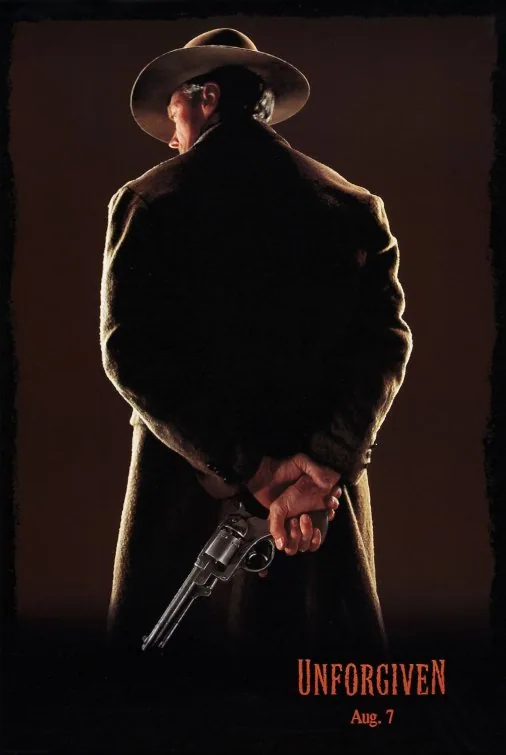
A retired gunman struggling to support his children accepts a bounty offered by sex workers after a violent assault receives a punishment protecting their employer's property interests. Riding with an old companion and an inexperienced claimant to gunfighter status, he enters a town whose sheriff enforces order through intimidation. The expedition exposes how accounts of courage and lawful authority can conceal pain, fear and the practical difficulty of killing another person.
Based on recorded story, mood and style. Your preferences can change the order.
Memory and identity
What changes The Shootist: measured, patient and culminating. The Man Who Shot Liberty Valance: framing narrative and revelation of hidden history.
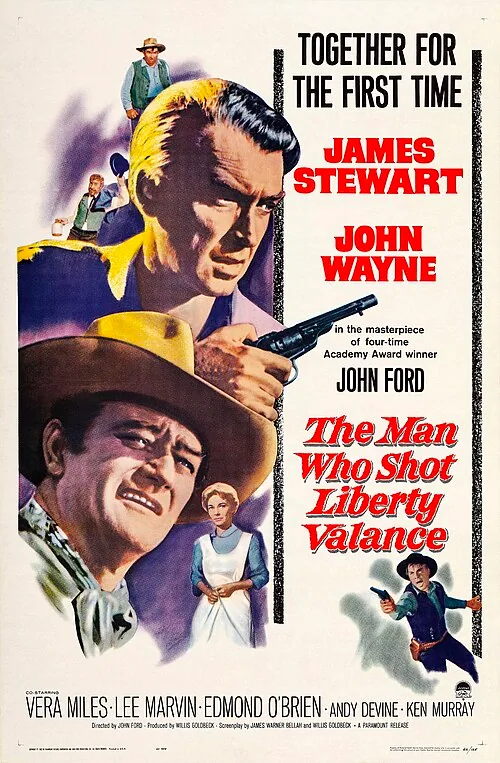
Senator Ransom Stoddard returns to the frontier town of Shinbone for the funeral of rancher Tom Doniphon, prompting a newspaper editor to ask why a celebrated politician has come for an obscure man. Stoddard recounts how, as a young lawyer, he was beaten by outlaw Liberty Valance and arrived in the territory believing that law and education could change its violent order. His connection with Hallie and Tom complicates the public story that grew from the confrontation with Valance. John Ford’s Western examines how a community turns an uncertain act into a political legend.
Both share themes of age and violence, plus a somber and reflective atmosphere.
Why this matches +
Genres: Action / Drama
Shared film traits
Based on recorded story, mood and style. Your preferences can change the order.
Memory and identity · Survival
What changes The Shootist: measured, patient and culminating. The Death of Robin Hood: a pursuit becomes a reckoning with the history behind a legend.
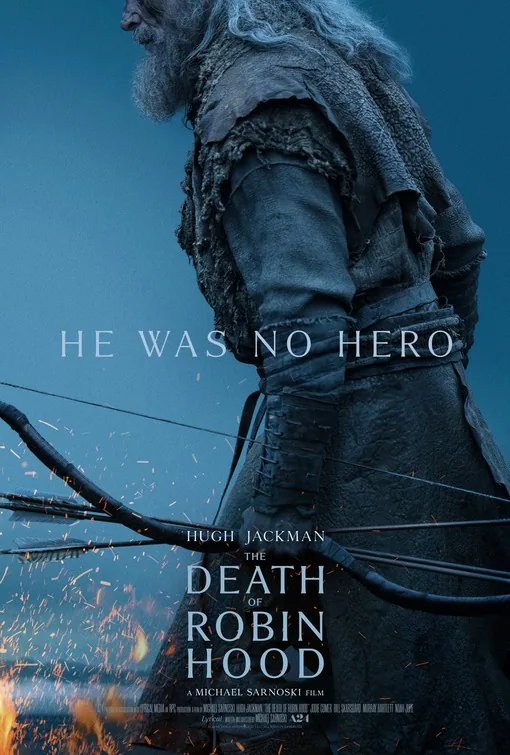
An aging Robin Hood lives in the wilderness, unsettled by the violence that lies behind his celebrated legend. A young woman seeks him out to avenge relatives killed by his past actions, forcing the outlaw to confront the difference between public myth and private harm. The revisionist historical drama turns the familiar folk hero into a meditation on memory, responsibility, and whether a violent life can be repaired.
Both share themes of violence, plus a reflective atmosphere.
Why this matches +
Genres: Drama / Romance
Shared film traits
Based on recorded story, mood and style. Your preferences can change the order.
Expect measured and reflective, with measured and escalating pacing.
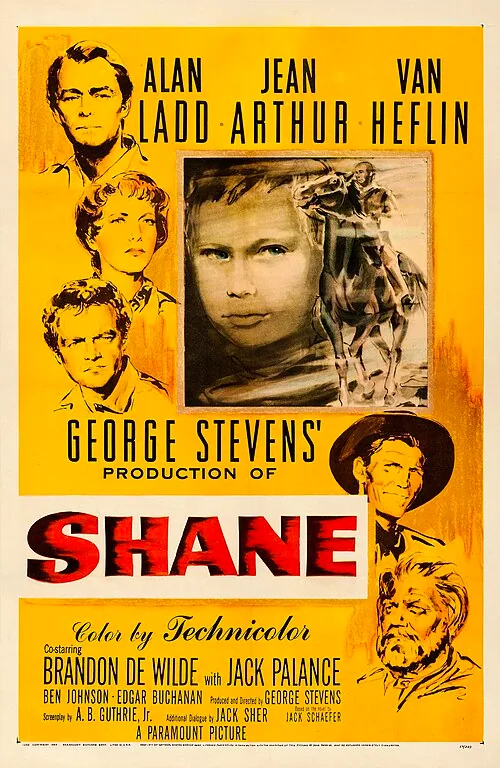
A quiet gunfighter rides into a Wyoming valley and takes work on Joe Starrett’s homestead, where settlers are being pressured to leave by cattle baron Rufus Ryker. Joe and Shane first confront Ryker’s men without guns, but the arrival of hired gunfighter Jack Wilson turns the dispute toward lethal violence. The Starretts’ young son Joey admires Shane’s skill, while Marian sees the cost of making a gunman the family’s protector. When Ryker tries to draw Joe into a trap, Shane intervenes, wins the final fight and rides away despite Joey’s call to return.
Both share themes of mortality, plus a reflective atmosphere.
Why this matches +
Genres: Drama / Comedy
Shared film traits
Based on recorded story, mood and style. Your preferences can change the order.
Memory and identity
Expect wry and tender, with conversation-led and measured pacing.
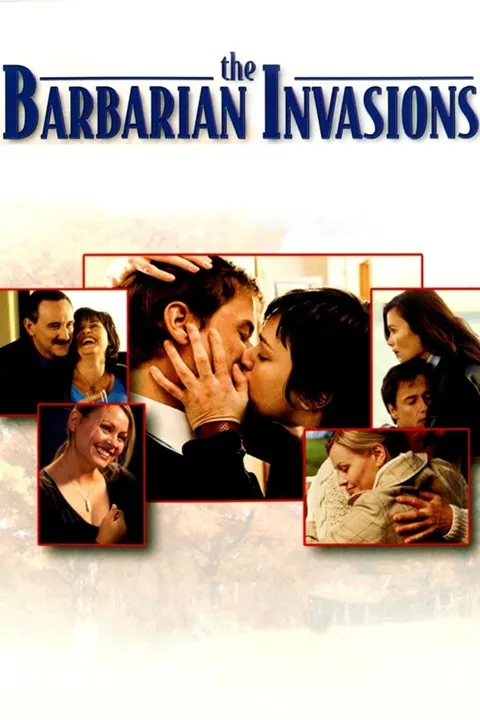
A Montreal professor nearing death is reunited with his estranged son, who tries to make his final days more comfortable and reconnects him with old friends and former lovers. Their visits expose differences in politics, values and memory, but also leave room for humor and reconciliation. The film treats mortality through conversation, friendship and the imperfect work of repairing a relationship before time runs out.
Based on recorded story, mood and style. Your preferences can change the order.
What changes The Shootist is tagged elegiac and reflective; The Power of the Dog is tagged brooding and austere.
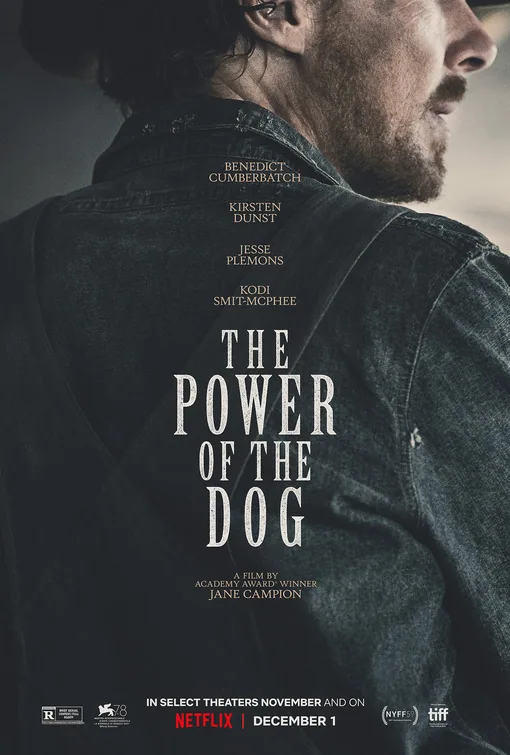
In 1925 Montana, brothers Phil and George Burbank meet widow Rose Gordon while driving cattle. George marries Rose, and she moves to the ranch with her son Peter, whose quiet manner Phil mocks. Phil's contempt and displays of masculine authority unsettle Rose, who retreats into alcohol while Peter is away studying medicine. When Peter returns, Phil's treatment of him changes: an uneasy mentorship grows around rope-making and the memory of Bronco Henry, the cowboy Phil revered. Small acts and withheld information gradually alter the power inside the household. Jane Campion's adaptation of Thomas Savage's novel builds a psychological Western from what characters refuse to say, making the ranch's wide landscape feel less open than the social rules that govern it.
Based on recorded story, mood and style. Your preferences can change the order.
What changes The Shootist: measured, patient and culminating. The Ridiculous 6: episodic western comedy, ensemble introductions and bandit action finale.
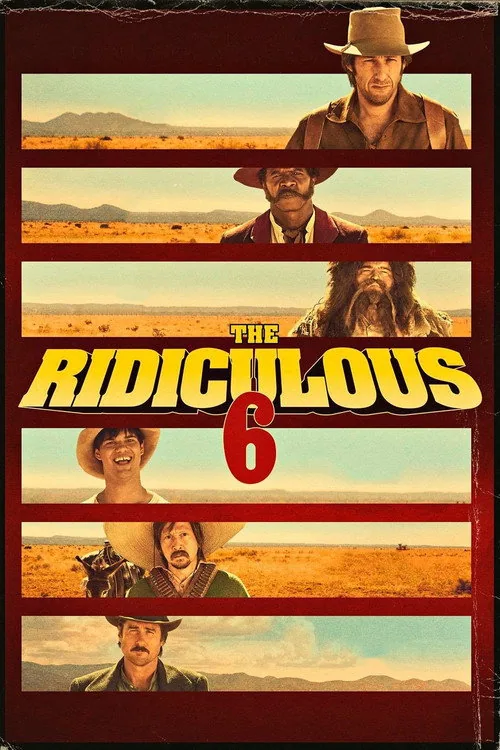
Tommy Stockburn, raised by an Indigenous community and known as White Knife, learns that a dying bank robber is his biological father. His search for the man's buried fortune brings together five half-brothers from different backgrounds, each with an unusual skill and his own grievance. The men travel through a comic version of the Old West while rival outlaws pursue the same money. The ensemble Western uses parody and broad caricature to turn an inherited family connection into a road quest.
Both share themes of violence, plus a somber and reflective atmosphere.
Why this matches +
Genres: Western / Crime
Shared film traits
Based on recorded story, mood and style. Your preferences can change the order.
Expect somber and rugged, with measured and confrontation-driven pacing.
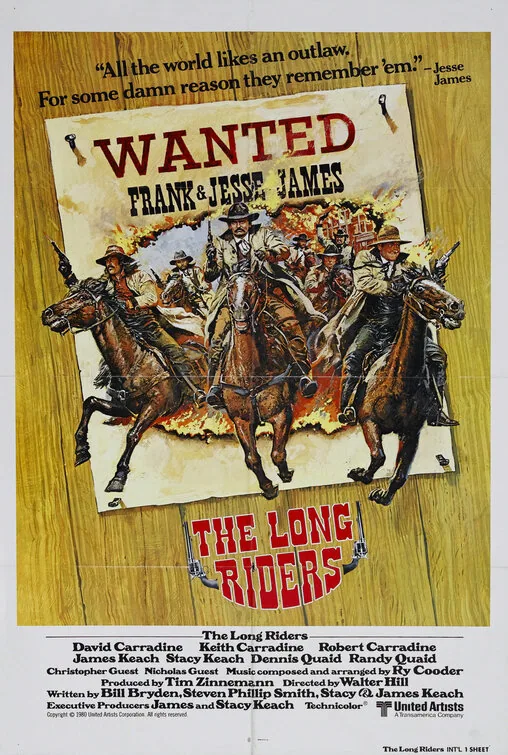
The James-Younger gang's robberies and escapes are retold through a cast that includes real-life actor brothers playing historical outlaw brothers. The film emphasizes the group's family bonds, the violence of the frontier and the law's growing pressure, rather than treating the gang as uncomplicated folk heroes. Its deliberate western style makes the consequences of criminal life as visible as the attraction of rebellion.
Based on recorded story, mood and style. Your preferences can change the order.
Family and care
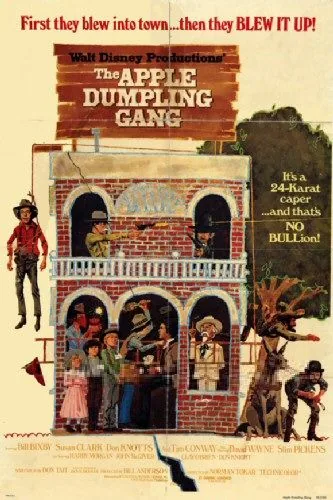
What changes The Shootist: measured, patient and culminating. The Apple Dumpling Gang: steady, escalating and set-piece driven.
In a frontier town, gambler Russell Donovan expects to collect a parcel for an absent associate and instead finds himself responsible for three orphaned children. Their unruly adventures consume his travel money and pull him into the town’s everyday life. Two bumbling outlaws also pursue him, while the children’s ingenuity gradually turns an accidental guardianship into a real family bond.
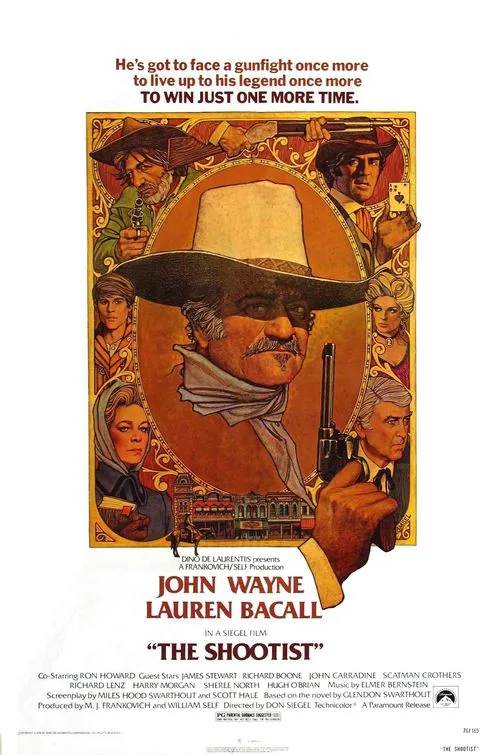
An aging and celebrated gunfighter, John Bernard Books, arrives in Carson City and learns from a doctor that he has terminal cancer. He rents a room from widow Bond Rogers, whose son Gillom recognizes the stranger; the news attracts old acquaintances, reporters and would-be challengers. Books wants to spend his remaining time quietly, but violence and the myth of the Old West gather around him as he considers how to choose his final act.
What drives the story
Books's diagnosis and the town's fascination with his legend force him to decide how much control remains over his last days.
The people at its centre
Books and Bond form a cautious bond, while Gillom looks toward the gunfighter's life that Books knows is ending.
What it feels like
The quiet pace and restrained violence give the Western's final confrontations the weight of a farewell.
Worth knowing
This is not an origin story about a young gunfighter; it is a reflective final chapter about aging, violence and legacy.
MortalityAgeReputation
Mood
Elegiac · Reflective · Somber
Pacing
Measured · Patient · Culminating
Visual style
Rugged · Autumnal · Intimate · Period landscape
Storytelling
Revisionist Western · Terminal illness · Final reckoning · Boardinghouse drama