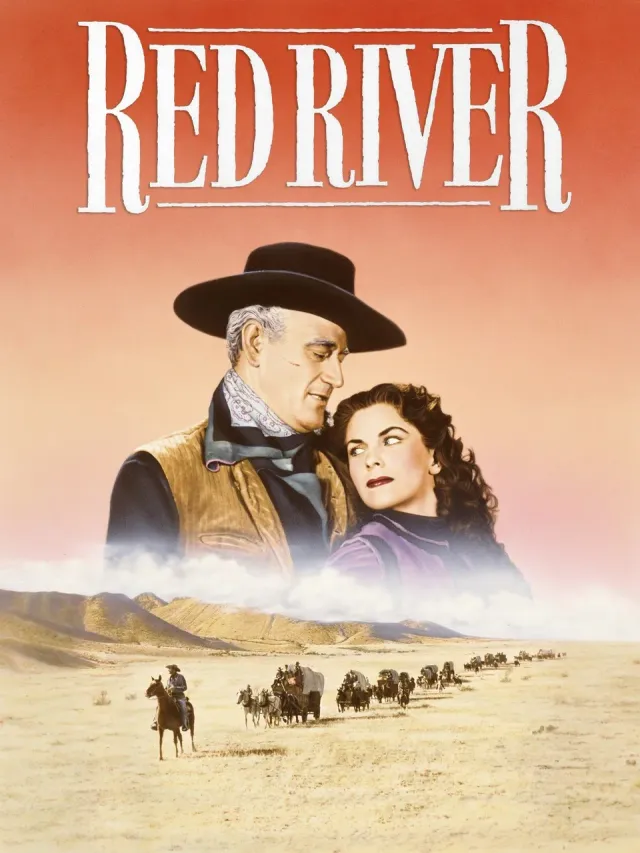
The cattle drive becomes a test of Dunson’s authority when Matt decides the route and the danger no longer justify obedience.
Why this matches +
Related viewing experiences with the specific differences recorded for each pair.
An adjacent discovery: a related idea with a different viewing experience.
Genres: Drama / Western
Shared film traits
Based on recorded story, mood and style. Your preferences can change the order.
What changes Red River turns a cattle drive into a struggle between a domineering older man and a younger man, using a more overt western confrontation than Campion's ranch-house tension.
After taking a teenage orphan, Matt Garth, under his care, rancher Thomas Dunson builds a Texas cattle empire with him. Years later, financial pressure leads Dunson to drive a huge herd toward a distant railhead, but his stubborn route and harsh control increasingly endanger the drovers. Matt challenges his authority and takes the herd toward a closer market, leaving Dunson behind. The two men then move toward a reckoning as Dunson follows the drive and tries to reclaim both the cattle and the son he helped raise. Their conflict turns a cattle journey into a struggle over inheritance, loyalty and command.
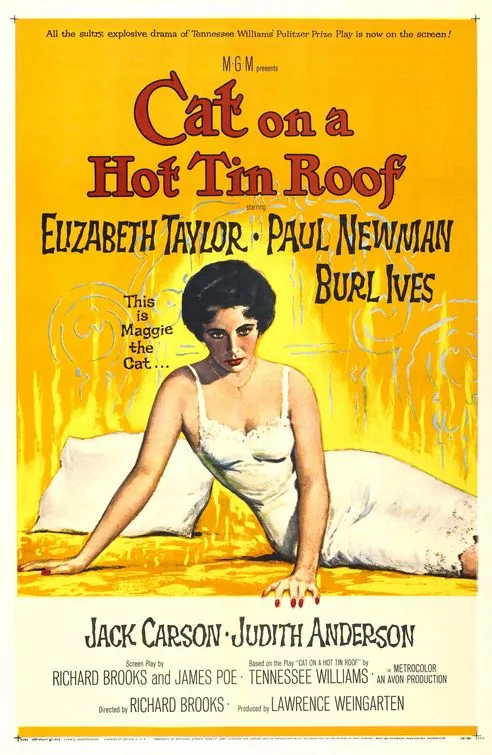
A family gathering forces marital, financial and emotional secrets into the open, yet Brick's refusal to explain his grief prevents one account from settling the conflict. The family's inheritance needs and his private loss remain entangled.
Why this matches +
Related viewing experiences with the specific differences recorded for each pair.
An adjacent discovery: a related idea with a different viewing experience.
Genres: Drama
Shared film traits
Based on recorded story, mood and style. Your preferences can change the order.
What changes Cat on a Hot Tin Roof exposes secrets and competing ideas of masculinity within a wealthy family, shifting from a Montana ranch to a Southern plantation household.
At Big Daddy's birthday gathering, Maggie presses her estranged husband Brick to face their marriage, the family inheritance and his grief over his friend Skipper. Brick's drinking and the family's evasions keep several explanations in play, while the film's Production Code-era adaptation softens aspects of Tennessee Williams's play, particularly its account of Brick and Skipper. The result is emotionally charged but not a transparent version of the stage work: viewers should distinguish what the film states, implies and leaves unsaid.
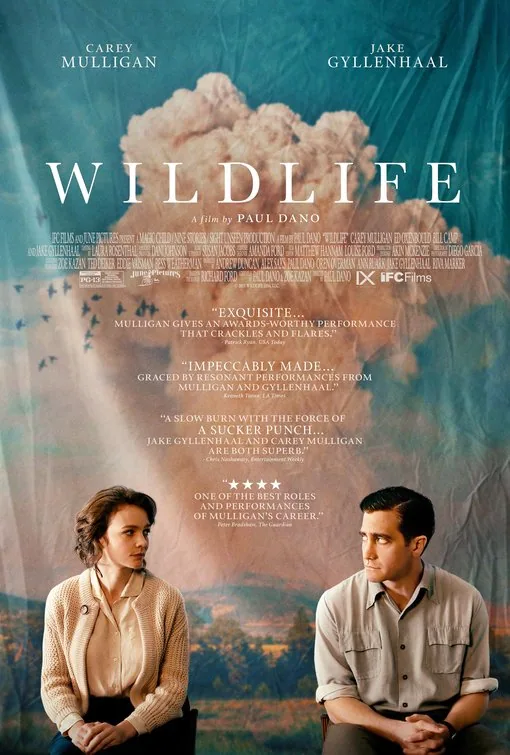
Joe watches his parents’ marriage shift after Jerry leaves for fire work and Jean forms a new connection in town.
Why this matches +
Related viewing experiences with the specific differences recorded for each pair.
An adjacent discovery: a related idea with a different viewing experience.
Genres: Drama
Shared film traits
Based on recorded story, mood and style. Your preferences can change the order.
What changes Wildlife follows a Montana family whose private tensions surface as a marriage unravels, using a child's perspective and a later period rather than Phil and Peter's charged relationship.
Set in 1960 Montana, Wildlife follows teenage Joe Brinson after his father Jerry loses his job and leaves home to join crews fighting a distant forest fire. Joe remains with his mother Jean in Great Falls, where financial strain and her new connection with a local businessman alter the family’s balance. Observing adults conceal and expose their needs, Joe tries to understand the marriage he grew up with and find his place as the household changes.
A seasonal encounter becomes a long relationship constrained by secrecy, economic obligations and unequal hopes for a life together.
Why this matches +
Related viewing experiences with the specific differences recorded for each pair.
An adjacent discovery: a related idea with a different viewing experience.
Genres: Drama / Romance
Shared film traits
Based on recorded story, mood and style. Your preferences can change the order.
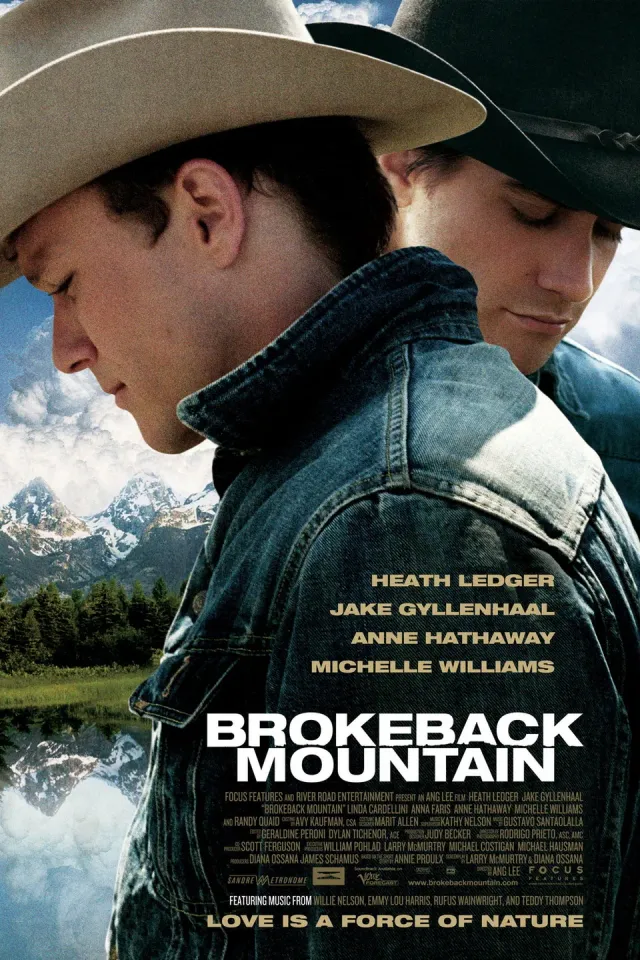
What changes A western landscape conceals queer desire beneath restrictive masculine expectations; its explicit, decades-long tragic romance differs from Campion’s withheld motives and psychologically hostile household.
Two young men working a seasonal herding job form an attachment that neither can readily accommodate within the lives expected of them. Returning to marriages, work and family obligations does not end the bond, but turns meetings into isolated intervals rather than a shared public future. Years of missed choices expose differences in willingness to risk change and the power of a social world in which ordinary intimacy can carry physical danger.
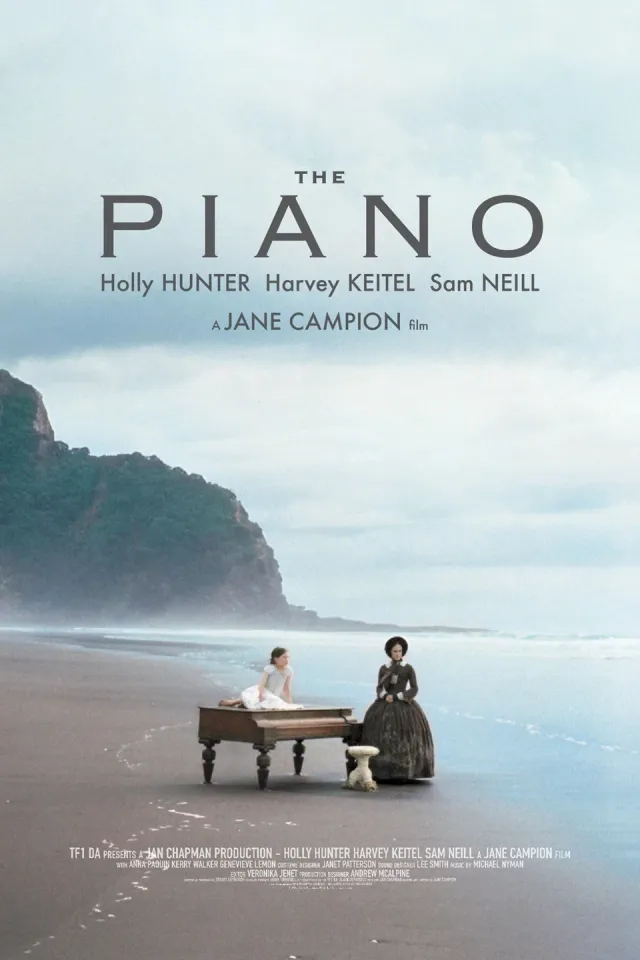
A piano left on the shore becomes the object of a bargain that draws Ada into a relationship outside her arranged marriage and intensifies her husband's control.
Why this matches +
Related viewing experiences with the specific differences recorded for each pair.
An adjacent discovery: a related idea with a different viewing experience.
Genres: Drama / Romance
Shared film traits
Based on recorded story, mood and style. Your preferences can change the order.
Both directed by Jane Campion.
What changes An isolated household becomes a struggle over desire, silence and control, with tactile objects carrying unspoken meanings; Campion’s earlier film centers a woman’s agency rather than ranch masculinity.
Mute Scottish pianist Ada McGrath arrives in colonial New Zealand with her daughter Flora and her piano for an arranged marriage to settler Alisdair Stewart. When the piano is left on the beach, Ada persuades neighbor George Baines to retrieve it, and he makes a bargain: she can play it at his home if she gives him lessons. Their private meetings turn into an affair, while Alisdair's response to Ada's desire becomes increasingly controlling. Flora moves between interpreting for her mother and acting on loyalties of her own, changing the balance of power. Jane Campion's story links communication, erotic desire and colonial property, but the central woman's limited speech should not obscure the unequal conditions in which the men negotiate her choices.
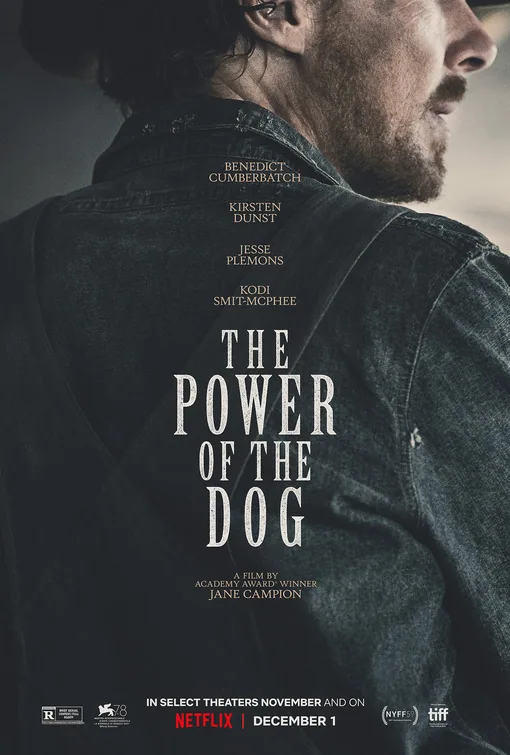
In 1925 Montana, brothers Phil and George Burbank meet widow Rose Gordon while driving cattle. George marries Rose, and she moves to the ranch with her son Peter, whose quiet manner Phil mocks. Phil's contempt and displays of masculine authority unsettle Rose, who retreats into alcohol while Peter is away studying medicine. When Peter returns, Phil's treatment of him changes: an uneasy mentorship grows around rope-making and the memory of Bronco Henry, the cowboy Phil revered. Small acts and withheld information gradually alter the power inside the household. Jane Campion's adaptation of Thomas Savage's novel builds a psychological Western from what characters refuse to say, making the ranch's wide landscape feel less open than the social rules that govern it.
What drives the story
A new marriage brings Rose and Peter into Phil's ranch household, where his cruelty and a later mentorship shift the balance among the family members.
The people at its centre
Phil performs dominance for the ranch hands; Peter studies him rather than simply submitting, while George's loyalty to his brother leaves Rose exposed.
What it feels like
A quiet, landscape-rich psychological Western builds tension through glances, routines and ambiguous gestures instead of frequent gunfights.
Worth knowing
For viewers seeking slow-burn character conflict and a revisionist Western. Its menace is intimate and psychological, not the action-driven frontier violence of a conventional revenge film.