Movies like The Assassination of Jesse James by the Coward Robert Ford
2007 · Andrew Dominik
Runtime: 2h 40mMPA rating: R
Explore films connected to The Assassination of Jesse James by the Coward Robert Ford through Celebrity and myth, Envy, Violence and memory. Choose the qualities you want to carry into your next watch.
What should feel similar?
Find your next favourite
9 films · Closest overall matches
Hide films you’ve seen or don’t want. Saved on this device.
No matches for this combination yet.
Try another option or reset your choices to see more films.
Based on recorded story, mood and style. Your preferences can change the order.
Criminal underworld
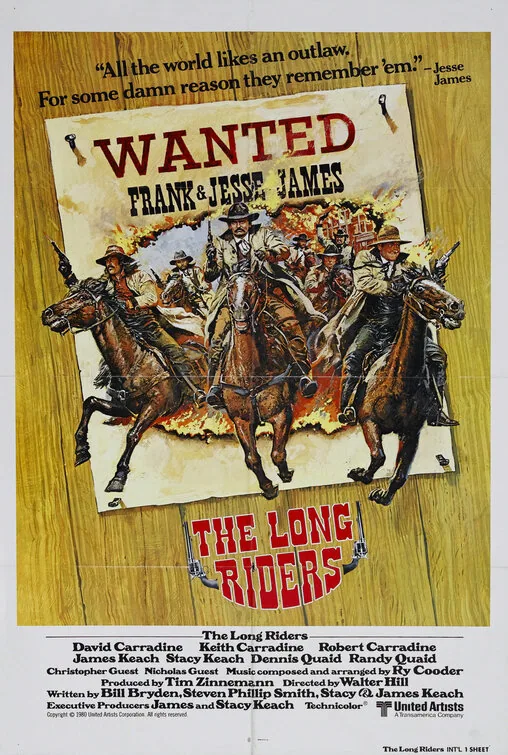
What changes The Assassination of Jesse James by the Coward Robert Ford: slow-burn character study and sudden violence. The Long Riders: measured and confrontation-driven.
The James-Younger gang's robberies and escapes are retold through a cast that includes real-life actor brothers playing historical outlaw brothers. The film emphasizes the group's family bonds, the violence of the frontier and the law's growing pressure, rather than treating the gang as uncomplicated folk heroes. Its deliberate western style makes the consequences of criminal life as visible as the attraction of rebellion.
Based on recorded story, mood and style. Your preferences can change the order.
Criminal underworld
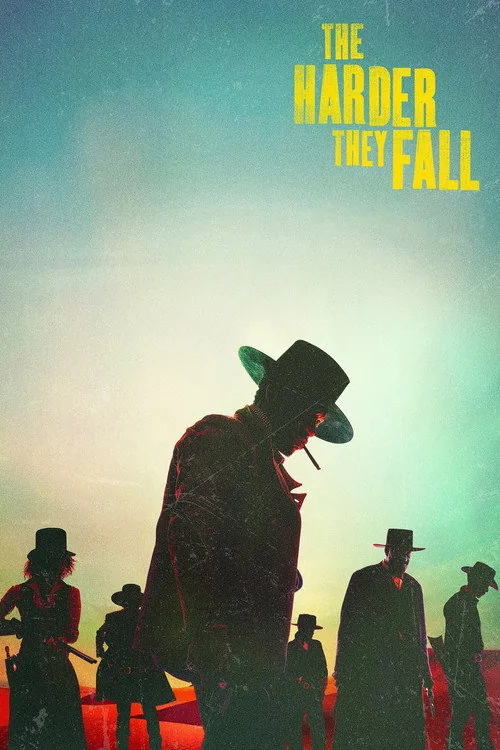
What changes The Assassination of Jesse James by the Coward Robert Ford: slow-burn character study and sudden violence. The Harder They Fall: ensemble western, confrontation-driven and action set pieces.
When outlaw Rufus Buck is released from prison, Nat Love gathers a group of allies to confront the man who murdered his parents. Their hunt draws in two rival gangs and the people connected to them, including saloon owner Stagecoach Mary and Buck’s lieutenant Trudy Smith. Jeymes Samuel’s stylized Western gives Black frontier figures the center of a revenge saga, mixing historical names with fictional events, sharp humor, gunfights, and an anachronistic soundtrack.
Based on recorded story, mood and style. Your preferences can change the order.
Criminal underworld
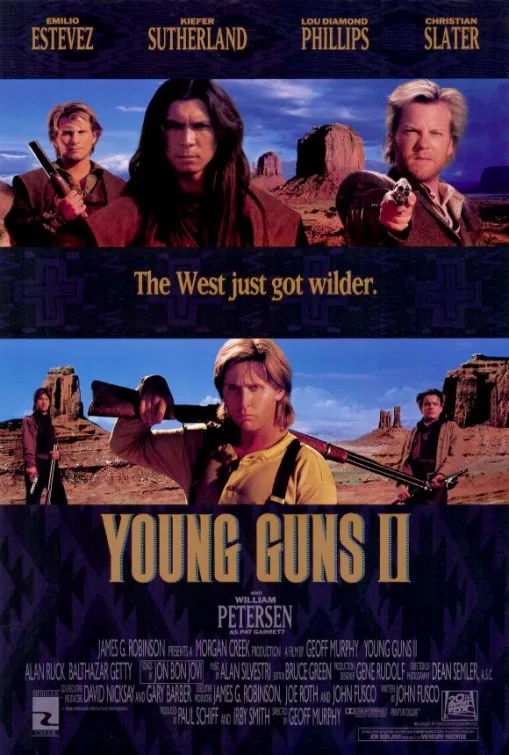
What changes The Assassination of Jesse James by the Coward Robert Ford: slow-burn character study and sudden violence. Young Guns II: pursuit-led and reflective breaks.
Billy the Kid and his companions remain fugitives as Pat Garrett closes in, while an older narrator claims to be the outlaw recounting his past. The film mixes western action with a story about how a notorious life becomes legend, giving the chase a second layer of uncertainty about memory and identity. The group faces changing loyalties as the open range offers less freedom than it once did.
Based on recorded story, mood and style. Your preferences can change the order.
Criminal underworld
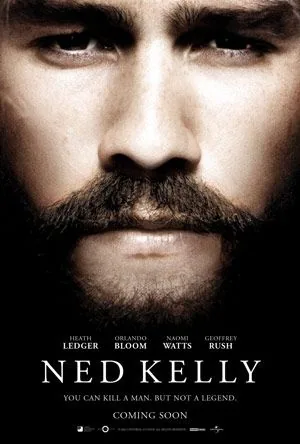
What changes The Assassination of Jesse James by the Coward Robert Ford: slow-burn character study and sudden violence. Ned Kelly: escalating and confrontational.
Ned Kelly and his gang become outlaws in colonial Australia amid conflict with police and the institutions that label them criminals. As the group gains notoriety, personal loyalty, public mythology and political grievance pull in different directions. The film uses the bushranger’s story to stage a clash over authority and representation, while its action scenes follow the gang toward an increasingly difficult confrontation.
Based on recorded story, mood and style. Your preferences can change the order.
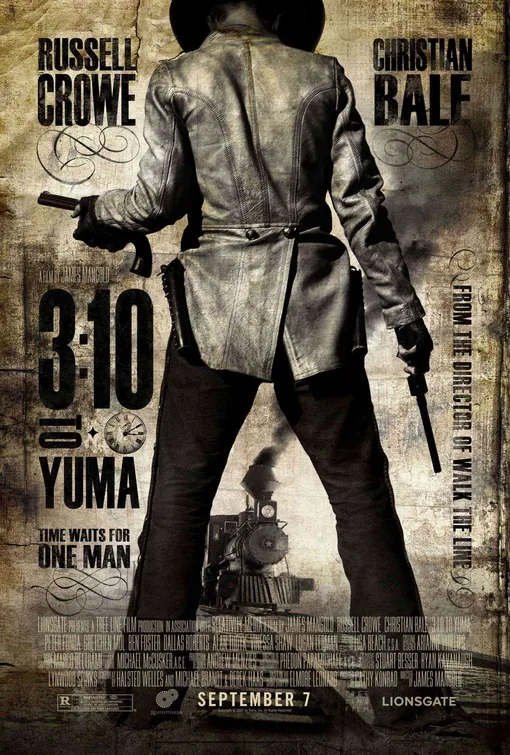
What changes The Assassination of Jesse James by the Coward Robert Ford: slow-burn character study and sudden violence. 3:10 to Yuma: escalating.
An indebted rancher accepts payment to help escort a captured outlaw to the train that will take him to prison. The journey exposes his physical vulnerability and his son's doubts about him, while the prisoner's gang closes in. As the escort dwindles, a paid task becomes a test of dignity, with the outlaw increasingly interested in the stubborn moral position of his captor.
Based on recorded story, mood and style. Your preferences can change the order.
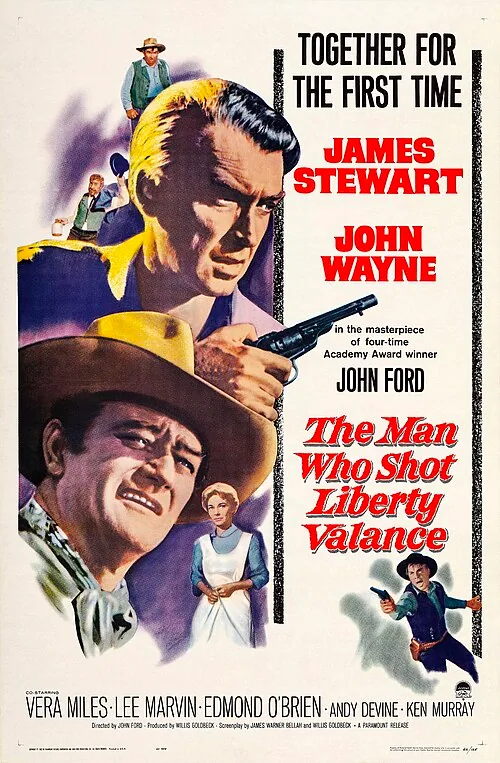
What changes The Assassination of Jesse James by the Coward Robert Ford: slow-burn character study and sudden violence. The Man Who Shot Liberty Valance: framing narrative and revelation of hidden history.
Senator Ransom Stoddard returns to the frontier town of Shinbone for the funeral of rancher Tom Doniphon, prompting a newspaper editor to ask why a celebrated politician has come for an obscure man. Stoddard recounts how, as a young lawyer, he was beaten by outlaw Liberty Valance and arrived in the territory believing that law and education could change its violent order. His connection with Hallie and Tom complicates the public story that grew from the confrontation with Valance. John Ford’s Western examines how a community turns an uncertain act into a political legend.
Based on recorded story, mood and style. Your preferences can change the order.
Criminal underworld
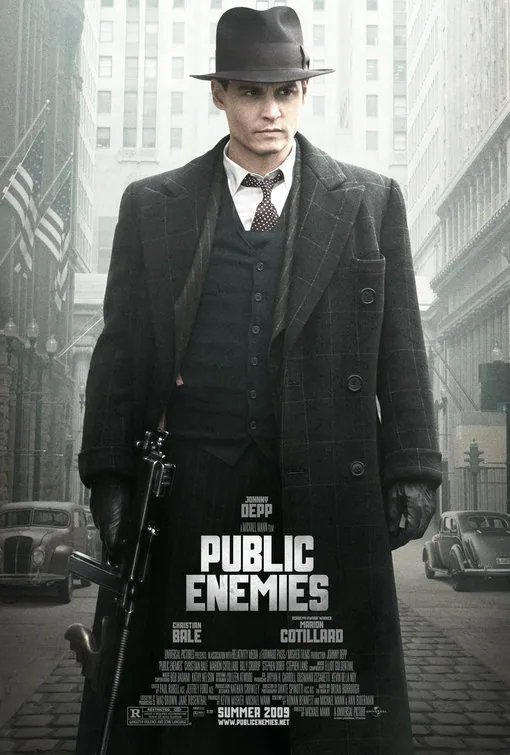
What changes The Assassination of Jesse James by the Coward Robert Ford: slow-burn character study and sudden violence. Public Enemies: fast, pursuit-driven and episodic.
In 1933, bank robber John Dillinger breaks his crew out of Indiana State Prison and begins a run of high-profile robberies. FBI agent Melvin Purvis receives the assignment to capture him as J. Edgar Hoover pushes the bureau toward modern crime-fighting methods. Dillinger’s relationship with Billie Frechette develops amid the robberies, escapes and growing law-enforcement pressure, while Purvis’s pursuit becomes increasingly personal. The film follows the final stretch of Dillinger’s freedom through shifting safe houses, prison breaks and the government’s attempt to turn one outlaw into a public example. His career ends outside Chicago’s Biograph Theater.
Based on recorded story, mood and style. Your preferences can change the order.
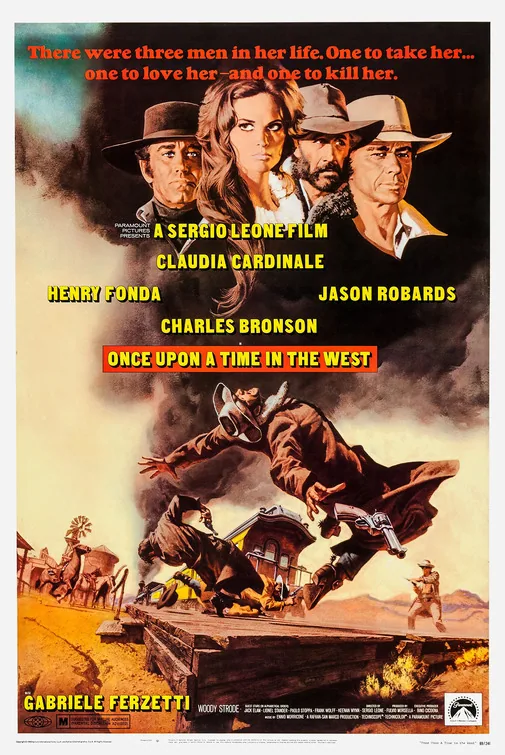
What changes The Assassination of Jesse James by the Coward Robert Ford: slow-burn character study and sudden violence. Once Upon a Time in the West: slow burn.
A woman arrives to join her new husband only to discover that his family has been murdered and his land sits on the route of an expanding railway. A hired gun, an outlaw wrongly blamed for the killing and a stranger with a harmonica circle the property for reasons that are not equally visible. Their intersecting agendas connect private revenge to the conversion of a frontier into an infrastructure of commerce and control.
Based on recorded story, mood and style. Your preferences can change the order.
Criminal underworld
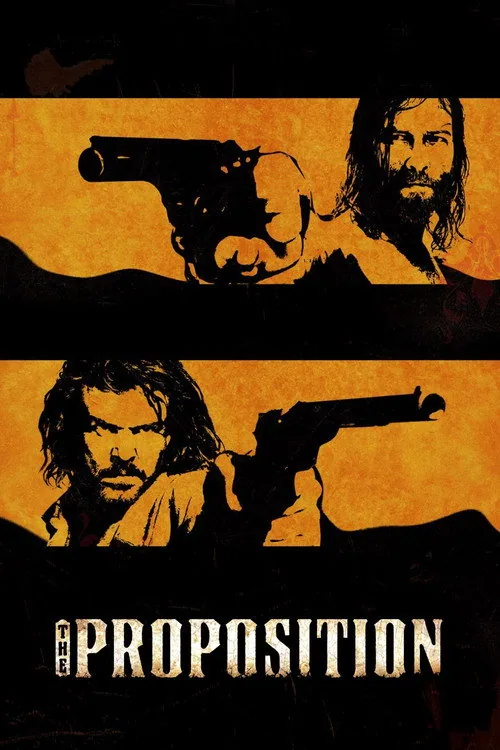
What changes The Assassination of Jesse James by the Coward Robert Ford: slow-burn character study and sudden violence. The Proposition: moral ultimatum, slow journey through harsh country and violent reckoning.
In 1880s Australia, bushranger Charlie Burns is captured with his younger brother Mikey after a violent encounter with police. Captain Stanley offers Charlie a brutal bargain: find and kill his older brother Arthur, who is wanted for the murder of a family, or Mikey will be executed. Charlie rides through a harsh landscape toward Arthur's hideout, where the decision becomes entangled with violence, loyalty, and colonial authority. The western gives its outlaw story a stark, morally unstable Australian setting.
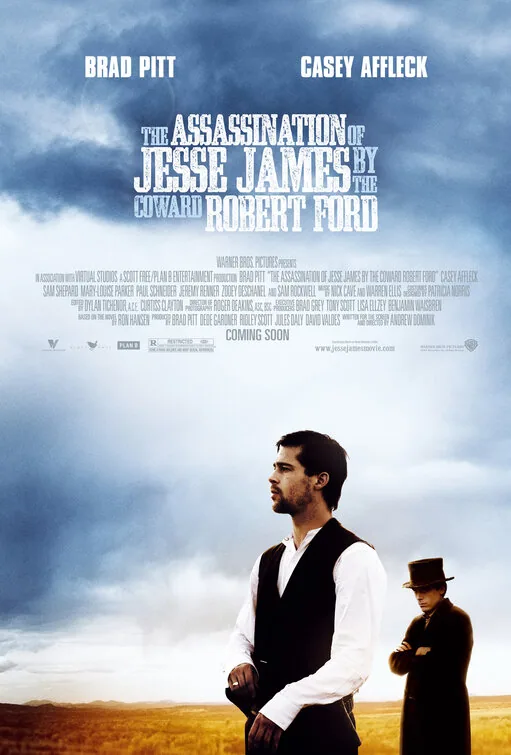
About The Assassination of Jesse James by the Coward Robert Ford+
Young Robert Ford idolizes outlaw Jesse James and works his way into the James gang, expecting proximity to bring him the heroic life he has imagined. Jesse's wary attention first flatters Bob, then makes him fear how unpredictable the outlaw can be. As the gang frays and Bob's admiration turns into resentment and calculation, he accepts a bounty to betray Jesse. The killing makes Bob famous, but public attention cannot grant him the stature he wanted. The film follows the long aftermath of an act that becomes a story both men cannot control.
What drives the story
Bob's desire to be close to Jesse shifts from fandom to fear and opportunism, making the assassination the endpoint of a personal imbalance rather than a clean caper.
The people at its centre
Jesse reads Bob as both useful and contemptible, while Bob alternates between craving approval and imagining himself as a rival.
What it feels like
Long compositions, subdued performances and lingering landscapes make the western meditative, emphasizing memory and public myth over gunfight spectacle.
Worth knowing
Choose it for slow, revisionist western drama about celebrity and betrayal; it is a dramatized interpretation of historical people, not a neutral biography.