Ryker’s land pressure starts as intimidation and escalates into a showdown when the homesteaders’ legal claims cannot protect them from armed force.
Why this matches +
A protective western outsider confronts territorial power while an ordinary community depends on practical loyalty and force.
Genres: Drama / Romance
Shared film traits
Based on recorded story, mood and style. Your preferences can change the order.
What changes Open Range: slow-building and violent climax. Shane: measured, escalating and restrained.
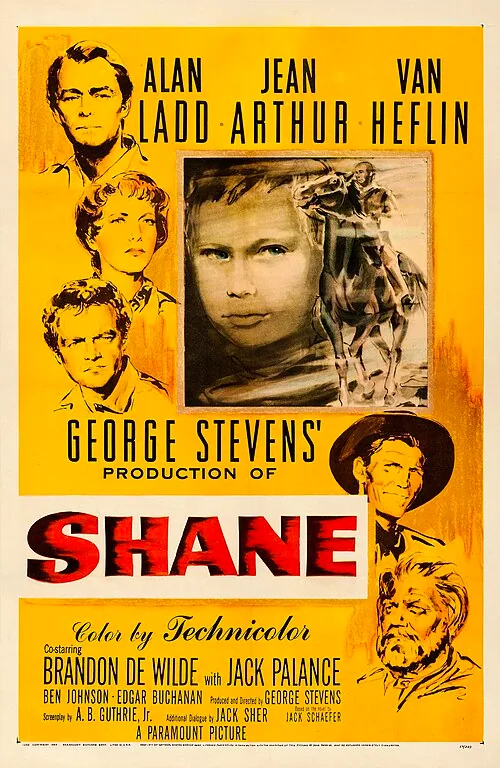
A quiet gunfighter rides into a Wyoming valley and takes work on Joe Starrett’s homestead, where settlers are being pressured to leave by cattle baron Rufus Ryker. Joe and Shane first confront Ryker’s men without guns, but the arrival of hired gunfighter Jack Wilson turns the dispute toward lethal violence. The Starretts’ young son Joey admires Shane’s skill, while Marian sees the cost of making a gunman the family’s protector. When Ryker tries to draw Joe into a trap, Shane intervenes, wins the final fight and rides away despite Joey’s call to return.
The escort order places former enemies in the same exposed journey where survival depends on cooperation.
Why this matches +
A protective western outsider confronts territorial power while an ordinary community depends on practical loyalty and force.
Genres: Drama / Western
Shared film traits
Based on recorded story, mood and style. Your preferences can change the order.
What changes Open Range: slow-building and violent climax. Hostiles: slow journey punctuated by sudden violence.
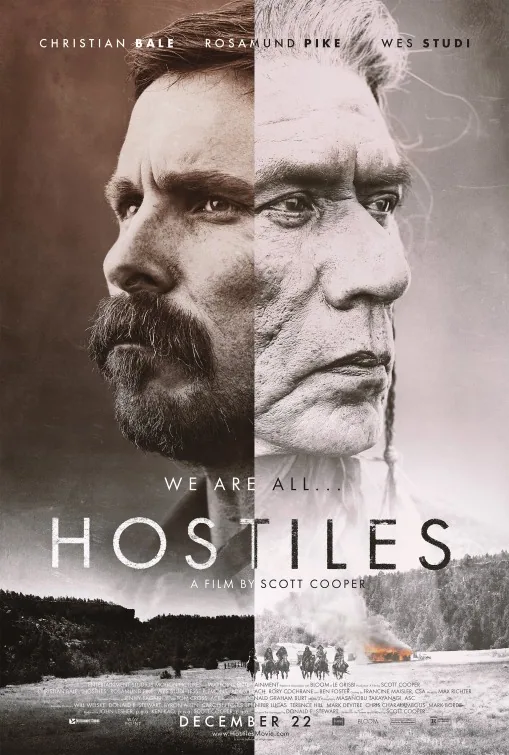
A U.S. Army captain is ordered to escort a Cheyenne chief and his family across dangerous territory to their homeland. The mission forces a group shaped by years of violence to travel together while facing threats from the surrounding frontier. The Western drama examines grief, racism and the possibility of limited cooperation without treating reconciliation as easy or complete.
An isolated posting becomes a process of reciprocal contact that eventually creates a direct conflict with the officer's original allegiance.
Why this matches +
A protective western outsider confronts territorial power while an ordinary community depends on practical loyalty and force.
Genres: Drama / Adventure
Shared film traits
Based on recorded story, mood and style. Your preferences can change the order.
Both directed by Kevin Costner.
What changes Open Range: slow-building and violent climax. Dances with Wolves: measured and epic.
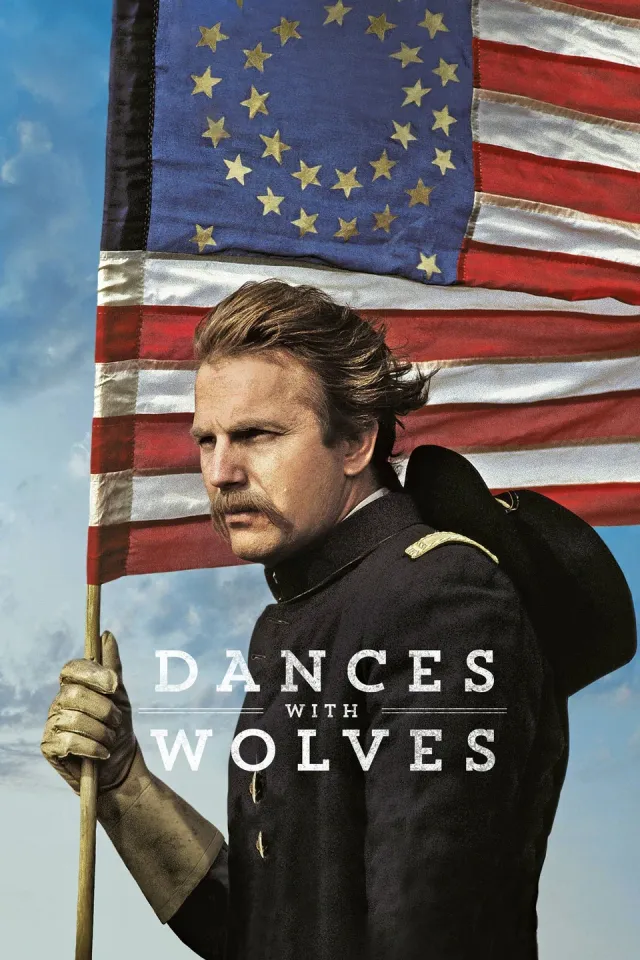
A Union officer posted to a remote frontier position begins contact with a nearby Lakota community and gradually learns to communicate beyond the assumptions of his original assignment. Hospitality, work and a developing attachment give him a place whose significance cannot be reduced to observation. The return of organised military authority makes his loyalties visible, forcing him to confront the violence carried by an institution he once served without imagining an alternative.
A clear deadline turns an officer's appeal for collective support into an increasingly isolated decision about whether duty survives public refusal to share its risks.
Why this matches +
A protective western outsider confronts territorial power while an ordinary community depends on practical loyalty and force.
Genres: Western / Revisionist Western
Shared film traits
Based on recorded story, mood and style. Your preferences can change the order.
What changes Open Range: slow-building and violent climax. High Noon: slow burn.
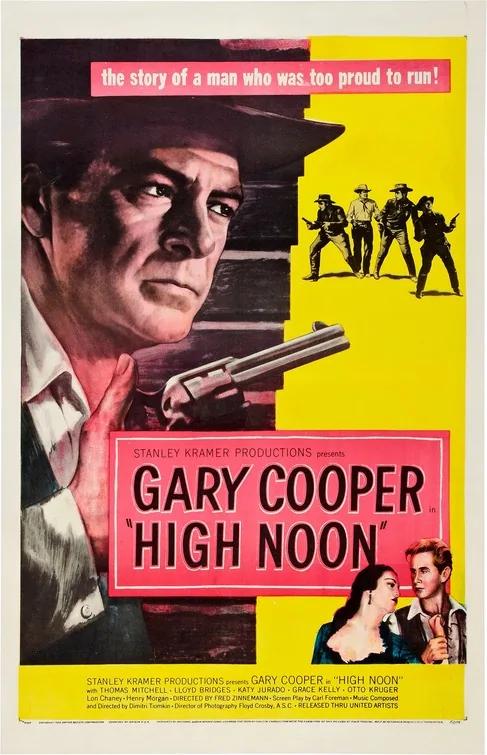
A town marshal preparing to leave his post learns that a man he helped imprison will soon return with armed allies. Choosing to remain gives him little time to recruit support, while townspeople find practical and moral reasons to treat the coming confrontation as somebody else's problem. His new wife's commitment to nonviolence makes staying a threat to their shared future as well as a test of public responsibility.
A paid retaliation mission reactivates a violent past while a competing official monopoly on force turns justice into a contest over who may punish whom.
Why this matches +
A protective western outsider confronts territorial power while an ordinary community depends on practical loyalty and force.
Genres: Crime / Drama
Shared film traits
Based on recorded story, mood and style. Your preferences can change the order.
What changes Open Range: slow-building and violent climax. Unforgiven: slow burn.
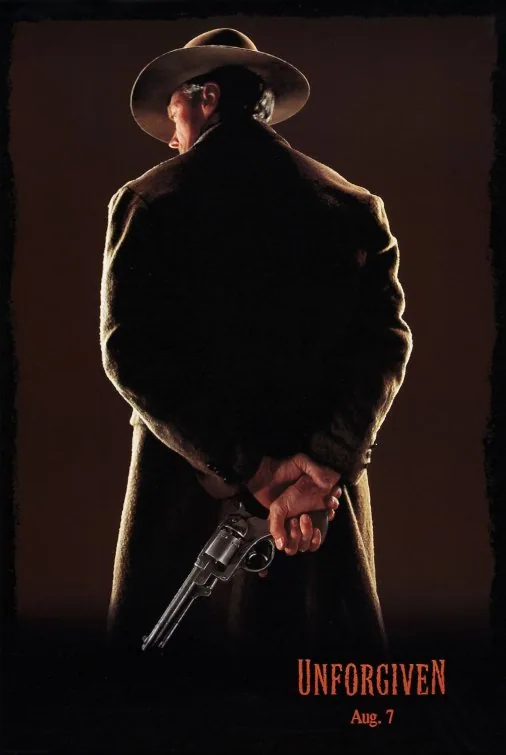
A retired gunman struggling to support his children accepts a bounty offered by sex workers after a violent assault receives a punishment protecting their employer's property interests. Riding with an old companion and an inexperienced claimant to gunfighter status, he enters a town whose sheriff enforces order through intimidation. The expedition exposes how accounts of courage and lawful authority can conceal pain, fear and the practical difficulty of killing another person.
A determined child's contracted revenge expedition becomes a three-way negotiation over authority, practical judgement and responsibility for a shared target.
Why this matches +
A protective western outsider confronts territorial power while an ordinary community depends on practical loyalty and force.
Genres: Drama / Adventure
Shared film traits
Based on recorded story, mood and style. Your preferences can change the order.
What changes Open Range: slow-building and violent climax. True Grit: measured.
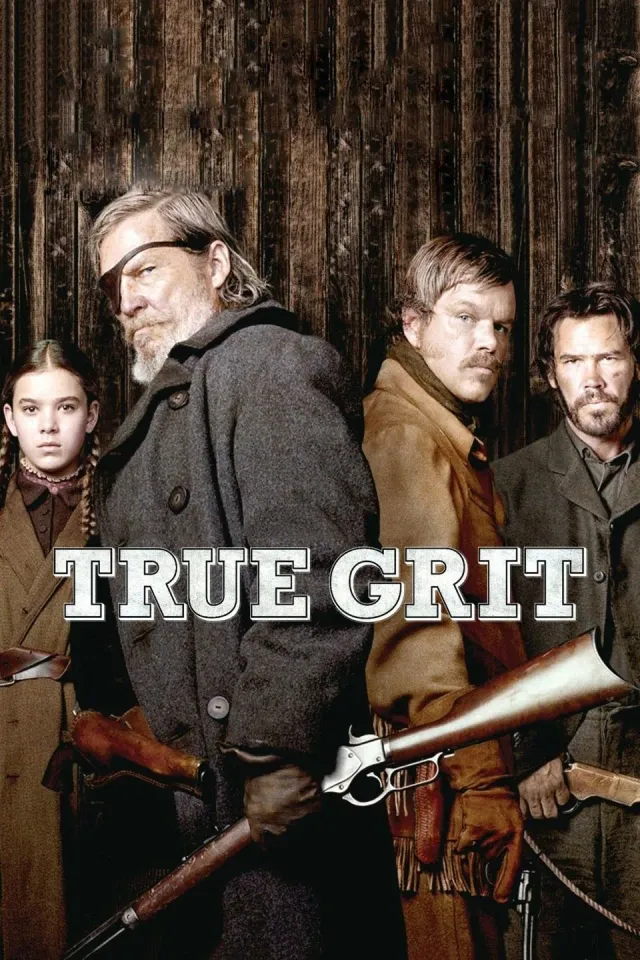
A teenage girl hires a disreputable federal marshal to pursue the man who killed her father, insisting on joining the expedition despite adults' attempts to exclude her. A Texas Ranger seeking the same fugitive brings a competing claim over the arrest and its destination. Their movement into dangerous territory tests the girl's exacting certainty against experienced men whose competence is uneven and whose help does not come without physical cost.
Holding Joe until the federal marshal arrives gives Nathan Burdette’s men a clear target and forces the sheriff to defend the jail rather than pursue them.
Why this matches +
A protective western outsider confronts territorial power while an ordinary community depends on practical loyalty and force.
Genres: Drama / Western
Shared film traits
Based on recorded story, mood and style. Your preferences can change the order.
What changes Open Range: slow-building and violent climax. Rio Bravo: measured, suspenseful and character-led.
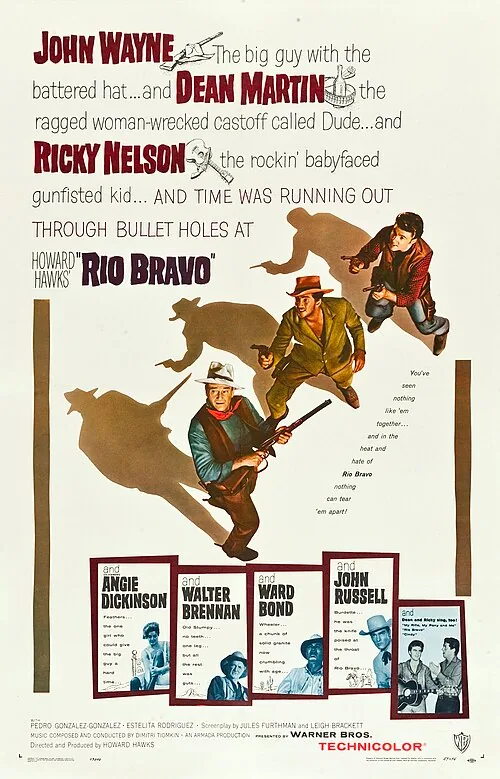
Sheriff John T. Chance arrests Joe Burdette after Joe kills a bystander, but the prisoner’s wealthy brother begins gathering men to free him. Chance has only a few allies: the recovering alcoholic Dude, aging deputy Stumpy and traveling gunslinger Colorado, who initially refuses to join the fight. As a supply wagon and its people become entangled in the standoff, Chance tries to prevent more casualties without giving up the jail. Dude’s recovery and Colorado’s shifting loyalty gradually turn the small group into a defense force against the larger threat.
The stagecoach creates a small society on the move, so class judgments and personal histories are tested under the same physical danger.
Why this matches +
A protective western outsider confronts territorial power while an ordinary community depends on practical loyalty and force.
Genres: Western / drama
Shared film traits
Based on recorded story, mood and style. Your preferences can change the order.
What changes Open Range: slow-building and violent climax. Stagecoach: journey-driven and episodic.
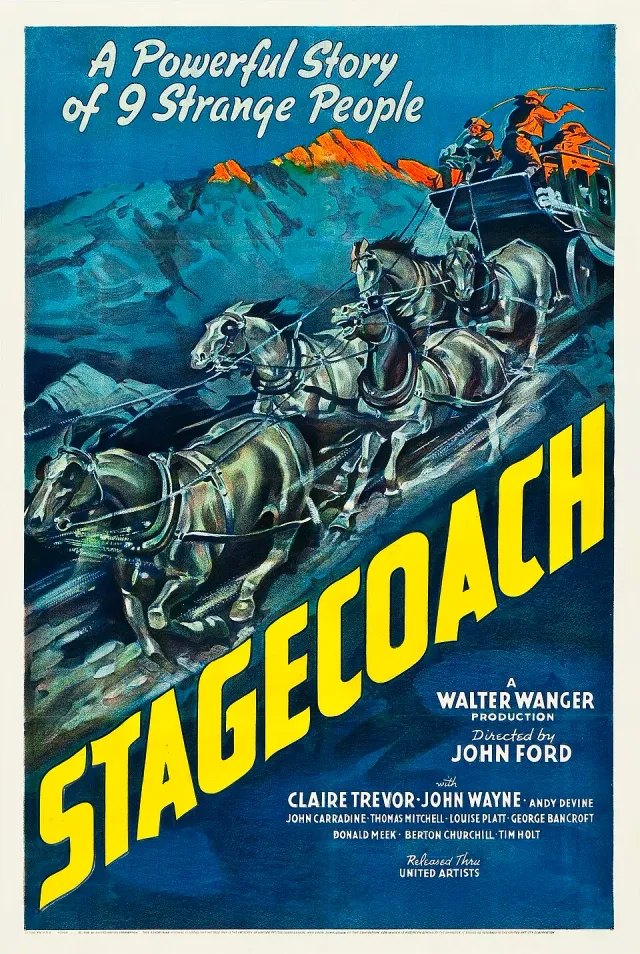
A mixed group of passengers travels by stagecoach from Arizona toward New Mexico as Apache attacks threaten the route. The passengers include a woman expelled from town, an alcoholic doctor, a pregnant officer’s wife, a whiskey salesman and a gambler; Marshal Curley joins them while searching for escaped outlaw Ringo Kid. As the coach moves between stations, the travelers reveal private motives and prejudices, and Ringo forms an unexpected connection with Dallas. The journey’s danger forces this cross-section of strangers to depend on one another before Ringo can face the family revenge waiting in Lordsburg.
A land seizure disguised as outlaw violence creates a contest whose hidden revenge motive gradually emerges alongside a railway's commercial expansion.
Why this matches +
A protective western outsider confronts territorial power while an ordinary community depends on practical loyalty and force.
Genres: Drama / Action
Shared film traits
Based on recorded story, mood and style. Your preferences can change the order.
What changes Open Range: slow-building and violent climax. Once Upon a Time in the West: slow burn.
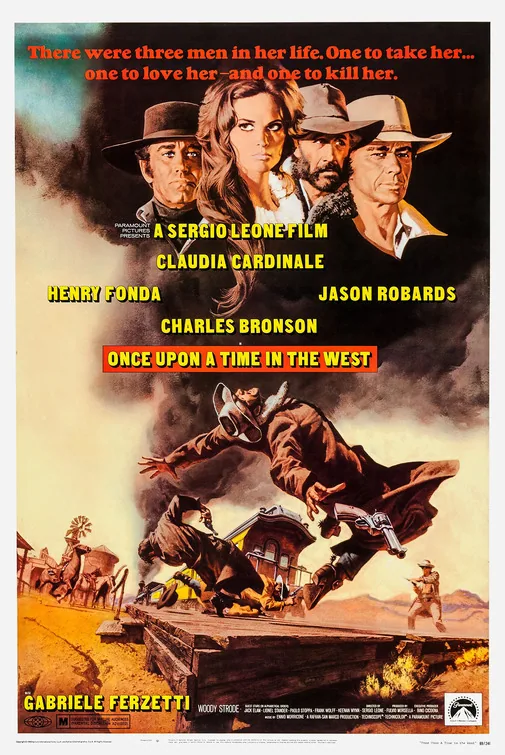
A woman arrives to join her new husband only to discover that his family has been murdered and his land sits on the route of an expanding railway. A hired gun, an outlaw wrongly blamed for the killing and a stranger with a harmonica circle the property for reasons that are not equally visible. Their intersecting agendas connect private revenge to the conversion of a frontier into an infrastructure of commerce and control.
Books's diagnosis and the town's fascination with his legend force him to decide how much control remains over his last days.
Why this matches +
A protective western outsider confronts territorial power while an ordinary community depends on practical loyalty and force.
Genres: Western / Drama
Shared film traits
Based on recorded story, mood and style. Your preferences can change the order.
What changes Open Range: slow-building and violent climax. The Shootist: measured, patient and culminating.
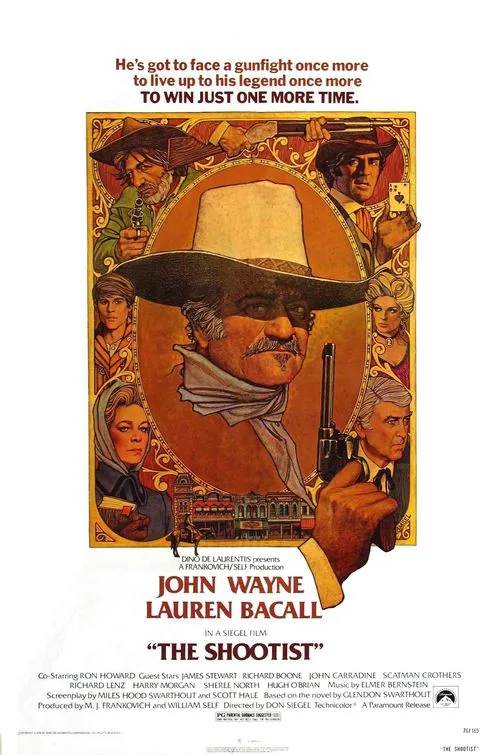
An aging and celebrated gunfighter, John Bernard Books, arrives in Carson City and learns from a doctor that he has terminal cancer. He rents a room from widow Bond Rogers, whose son Gillom recognizes the stranger; the news attracts old acquaintances, reporters and would-be challengers. Books wants to spend his remaining time quietly, but violence and the myth of the Old West gather around him as he considers how to choose his final act.
The cattle drive becomes a test of Dunson’s authority when Matt decides the route and the danger no longer justify obedience.
Why this matches +
A guarded historical professional's competence cannot fully resolve the moral cost of defending family or community through violence.
An adjacent discovery: a related idea with a different viewing experience.
Genres: Drama / Western
Shared film traits
Based on recorded story, mood and style. Your preferences can change the order.
What changes Open Range: slow-building and violent climax. Red River: measured, journey-based and building.
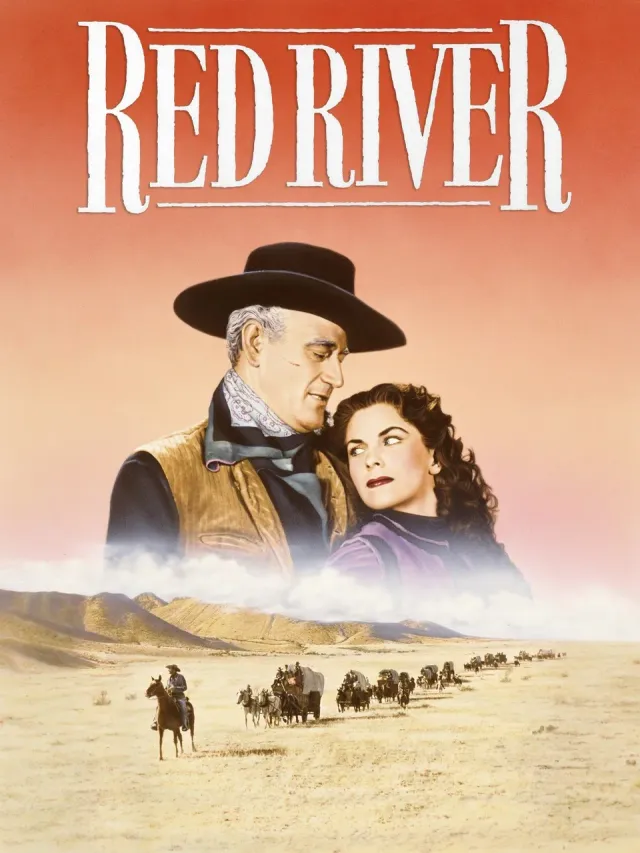
After taking a teenage orphan, Matt Garth, under his care, rancher Thomas Dunson builds a Texas cattle empire with him. Years later, financial pressure leads Dunson to drive a huge herd toward a distant railhead, but his stubborn route and harsh control increasingly endanger the drovers. Matt challenges his authority and takes the herd toward a closer market, leaving Dunson behind. The two men then move toward a reckoning as Dunson follows the drive and tries to reclaim both the cattle and the son he helped raise. Their conflict turns a cattle journey into a struggle over inheritance, loyalty and command.
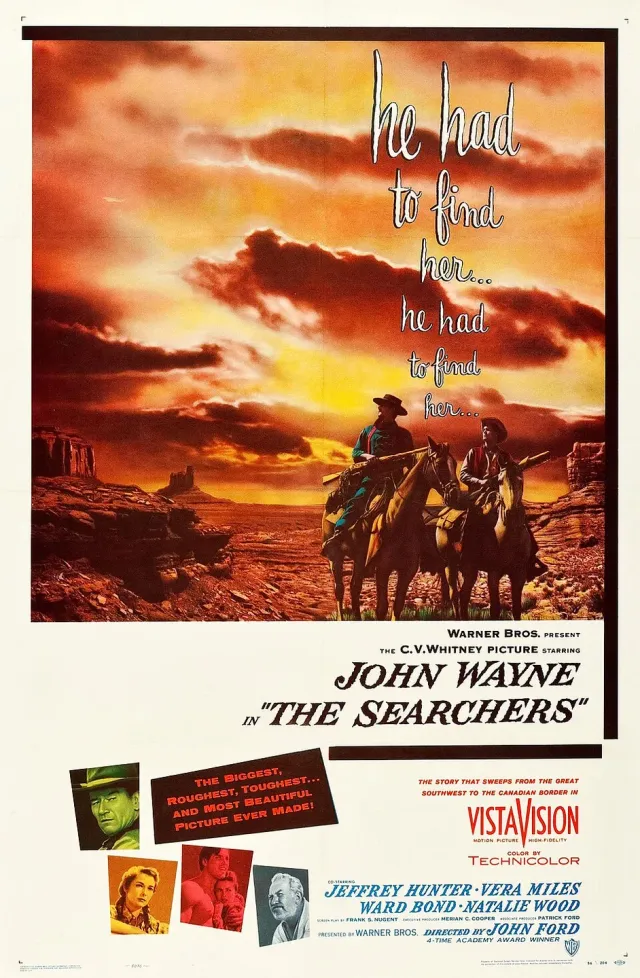
A long rescue search splits between Martin's concern for Debbie and Ethan's fixation on racial purity and revenge, making the destination morally uncertain.
Why this matches +
A guarded historical professional's competence cannot fully resolve the moral cost of defending family or community through violence.
An adjacent discovery: a related idea with a different viewing experience.
Genres: Drama / War
Shared film traits
Based on recorded story, mood and style. Your preferences can change the order.
What changes Open Range: slow-building and violent climax. The Searchers: expansive and episodic.
Civil War veteran Ethan Edwards returns to his brother's Texas home and joins a pursuit after a Comanche raid kills much of the family and takes young Debbie. Ethan and Debbie's adopted, part-Cherokee brother Martin search for years, but they do not share the same purpose: Martin hopes to bring Debbie home, while Ethan's racism makes him question whether she should be rescued if she has assimilated into Comanche life. Their route crosses ranches, military posts and settlements, while Martin's attachment to Laurie and Ethan's fixation on the search complicate their return to ordinary life. When they finally find Debbie, Martin has to prevent Ethan's hatred from determining her fate. The film's iconic Western landscape frames a story that exposes the violence and racial hierarchy embedded in its frontier mythology.
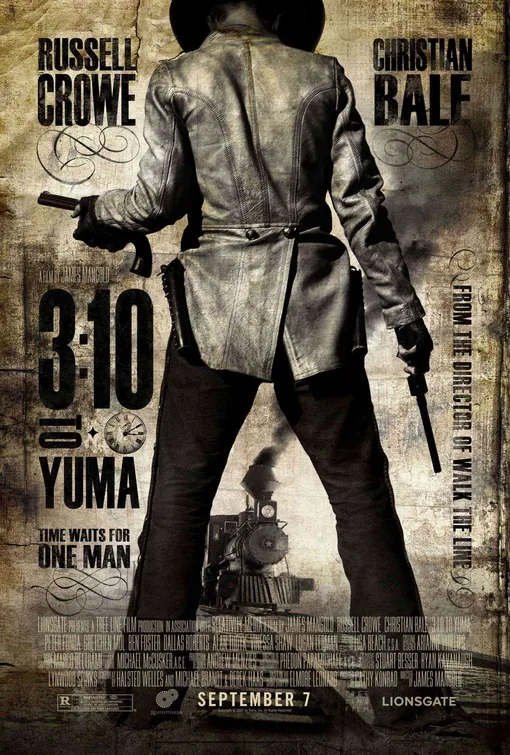
A dangerous prisoner escort turns a desperate financial bargain into a public test of a rancher's integrity.
Why this matches +
A guarded historical professional's competence cannot fully resolve the moral cost of defending family or community through violence.
An adjacent discovery: a related idea with a different viewing experience.
Genres: Western / Action
Shared film traits
Based on recorded story, mood and style. Your preferences can change the order.
What changes Open Range: slow-building and violent climax. 3:10 to Yuma: escalating.
An indebted rancher accepts payment to help escort a captured outlaw to the train that will take him to prison. The journey exposes his physical vulnerability and his son's doubts about him, while the prisoner's gang closes in. As the escort dwindles, a paid task becomes a test of dignity, with the outlaw increasingly interested in the stubborn moral position of his captor.
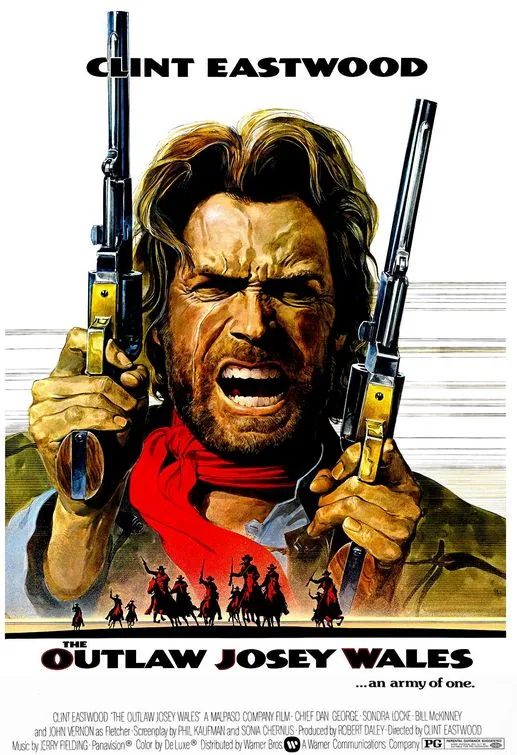
A survivor of family murder and a broken surrender promise is pursued across the frontier, where revenge slowly becomes protection of a makeshift community.
Why this matches +
A guarded historical professional's competence cannot fully resolve the moral cost of defending family or community through violence.
An adjacent discovery: a related idea with a different viewing experience.
Genres: Western / Vigilante
Shared film traits
Based on recorded story, mood and style. Your preferences can change the order.
What changes Open Range: slow-building and violent climax. The Outlaw Josey Wales: episodic and measured.
After pro-Union raiders murder his family and burn his Missouri farm, Josey Wales joins Confederate guerrillas during the Civil War. When the surviving fighters accept a promised amnesty and are massacred, Wales refuses surrender and becomes a hunted outlaw. He heads toward Texas, pursued by Captain Terrill and bounty hunters, and gradually travels with people who need protection or have been pushed to society's margins. His reputation as a gunfighter makes him dangerous, but the new group gives his journey a purpose beyond revenge. The story shifts from a solitary vendetta toward the difficult possibility of building a community after political violence. Its frontier and war history are filtered through a revisionist Western and a disputed source author.
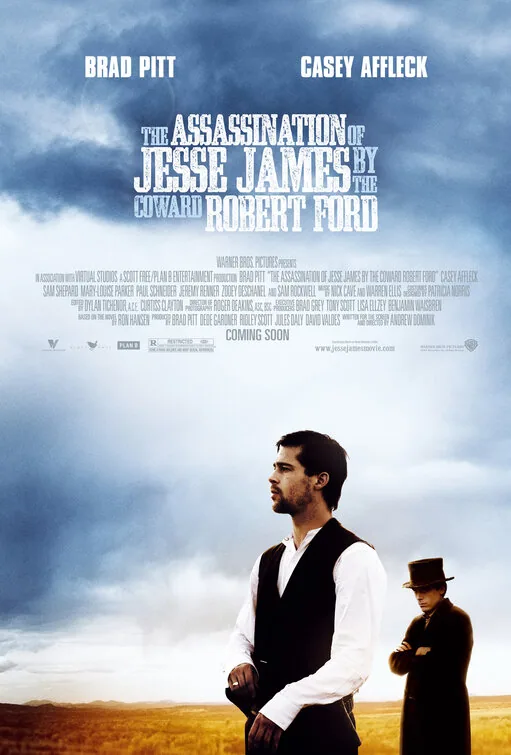
Bob's desire to be close to Jesse shifts from fandom to fear and opportunism, making the assassination the endpoint of a personal imbalance rather than a clean caper.
Why this matches +
A guarded historical professional's competence cannot fully resolve the moral cost of defending family or community through violence.
An adjacent discovery: a related idea with a different viewing experience.
Genres: Drama / Biography
Shared film traits
Based on recorded story, mood and style. Your preferences can change the order.
What changes Open Range: slow-building and violent climax. The Assassination of Jesse James by the Coward Robert Ford: slow-burn character study and sudden violence.
Young Robert Ford idolizes outlaw Jesse James and works his way into the James gang, expecting proximity to bring him the heroic life he has imagined. Jesse's wary attention first flatters Bob, then makes him fear how unpredictable the outlaw can be. As the gang frays and Bob's admiration turns into resentment and calculation, he accepts a bounty to betray Jesse. The killing makes Bob famous, but public attention cannot grant him the stature he wanted. The film follows the long aftermath of an act that becomes a story both men cannot control.
An anticipated harvest raid creates a recruitment and preparation deadline, making collective defence depend on cooperation across an entrenched class divide.
Why this matches +
A guarded historical professional's competence cannot fully resolve the moral cost of defending family or community through violence.
An adjacent discovery: a related idea with a different viewing experience.
Genres: Drama / Action
Shared film traits
Based on recorded story, mood and style. Your preferences can change the order.
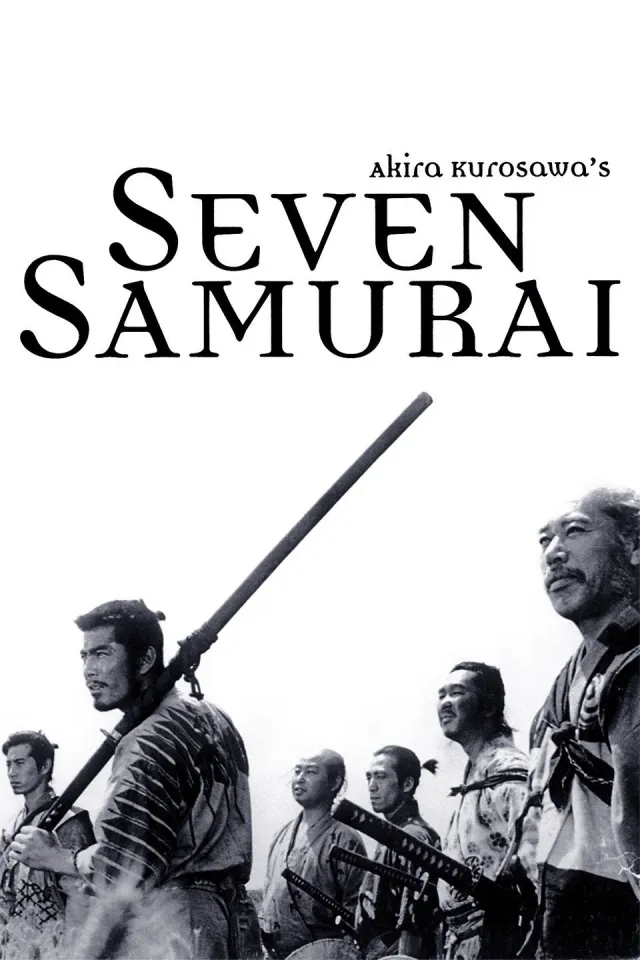
What changes Open Range: slow-building and violent climax. Seven Samurai: epic, measured and intense.
Farmers expecting another bandit raid seek warriors willing to defend their village in exchange for food. An experienced samurai assembles a varied group and begins turning frightened inhabitants into an organised defence. Preparation exposes mistrust between social classes as well as differences among the fighters, so the coming battle tests whether people divided by status can cooperate without pretending their interests and losses are identical.
A failed robbery pushes an aging gang toward a military patron, whose demand for weapons forces the outlaws to choose what their remaining loyalty means.
Why this matches +
A guarded historical professional's competence cannot fully resolve the moral cost of defending family or community through violence.
An adjacent discovery: a related idea with a different viewing experience.
Genres: Western / Heist
Shared film traits
Based on recorded story, mood and style. Your preferences can change the order.
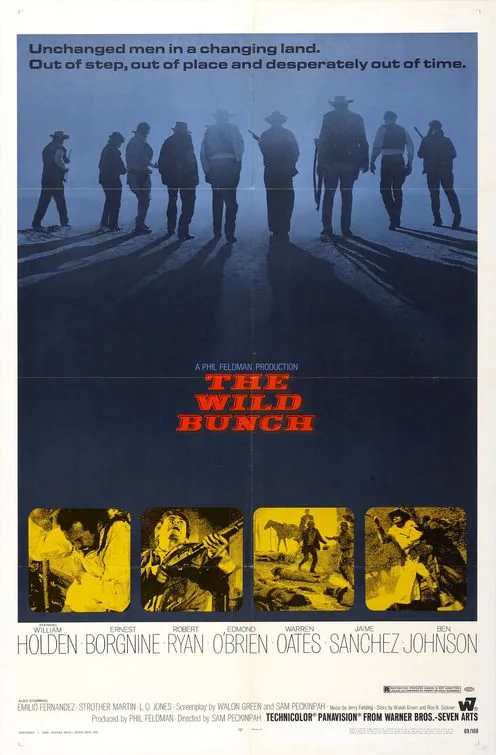
What changes Open Range: slow-building and violent climax. The Wild Bunch: slow build and explosive violence.
Aging outlaw Pike Bishop leads his gang into a botched railroad-office robbery in Texas, where they are unexpectedly met by former associate Deke Thornton and bounty hunters. With their old methods increasingly ineffective, Pike and the survivors flee into Mexico and accept work from General Mapache during the revolution. Their attempts to profit from arms dealings collide with the growing costs of serving a military strongman and with the gang’s own understanding of loyalty. The men’s final decision is less a return to heroic freedom than a recognition of what their trade has made of them. The gang’s final choices expose the difference between loyalty to one another and service to a violent ruler.
A traveling news reader escorts a displaced girl across Texas to relatives she has never met.
Why this matches +
A guarded historical professional's competence cannot fully resolve the moral cost of defending family or community through violence.
An adjacent discovery: a related idea with a different viewing experience.
Genres: Western / Drama
Shared film traits
Based on recorded story, mood and style. Your preferences can change the order.
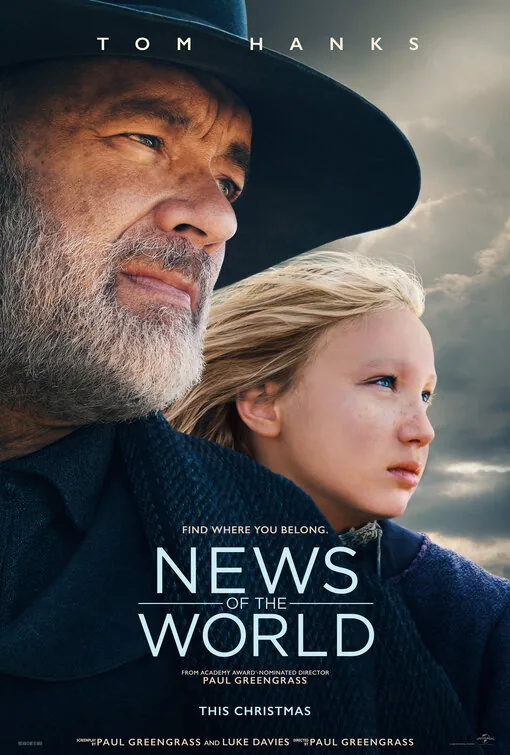
What changes Open Range: slow-building and violent climax. News of the World: measured and journey-driven.
In post-Civil War Texas, former officer Jefferson Kyle Kidd earns money by reading newspapers aloud to small communities. He encounters Johanna, a young girl who has lived with the Kiowa, and is asked to take her to relatives far away. Their difficult journey across dangerous country forces the two strangers to communicate despite language and cultural barriers, while Kidd's readings and Johanna's memories raise questions about belonging and the stories people call home.
Charlie travels toward Arthur under a deadline that makes family loyalty inseparable from the law's violence.
Why this matches +
A guarded historical professional's competence cannot fully resolve the moral cost of defending family or community through violence.
An adjacent discovery: a related idea with a different viewing experience.
Genres: Western / Crime
Shared film traits
Based on recorded story, mood and style. Your preferences can change the order.
Political resistance
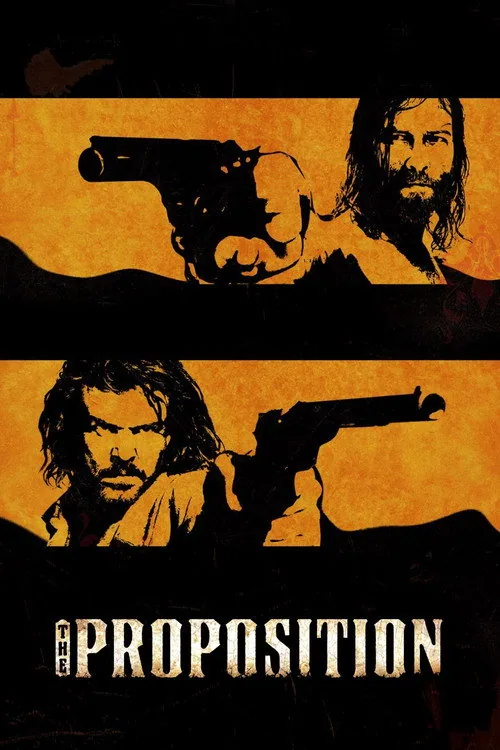
What changes Open Range: slow-building and violent climax. The Proposition: moral ultimatum, slow journey through harsh country and violent reckoning.
In 1880s Australia, bushranger Charlie Burns is captured with his younger brother Mikey after a violent encounter with police. Captain Stanley offers Charlie a brutal bargain: find and kill his older brother Arthur, who is wanted for the murder of a family, or Mikey will be executed. Charlie rides through a harsh landscape toward Arthur's hideout, where the decision becomes entangled with violence, loyalty, and colonial authority. The western gives its outlaw story a stark, morally unstable Australian setting.
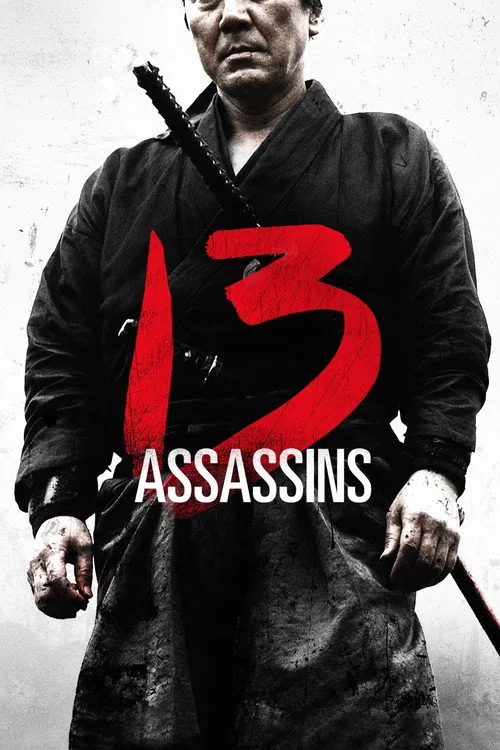
Shinzaemon gathers a small force and prepares a village ambush to prevent Naritsugu from gaining greater political power.
Why this matches +
A guarded historical professional's competence cannot fully resolve the moral cost of defending family or community through violence.
An adjacent discovery: a related idea with a different viewing experience.
Genres: Action / Drama
Shared film traits
Based on recorded story, mood and style. Your preferences can change the order.
Political resistance
What changes Open Range: slow-building and violent climax. 13 Assassins: measured mission planning, tension before confrontation and extended action climax.
In 1844, samurai Shinzaemon Shimada is asked to stop Lord Naritsugu, a cruel member of the ruling family whose appointment threatens the lives of many. Shinzaemon assembles twelve additional warriors and plans an ambush designed to trap Naritsugu’s much larger escort. Takashi Miike’s Japanese period action film follows the group’s preparation and final battle, using the mission to explore honor, political obligation, and the limits of a samurai code under a corrupt shogunate.
Two free-grazing cattlemen enter a Montana town controlled by a wealthy rancher who expects them to follow his rules. When violence against their crew reveals that negotiation alone will not protect the community, the men consider how to respond without abandoning the code that has guided their lives. The Western builds from quiet work and local observation toward a confrontation about land, power and the meaning of self-determination.
What drives the story
A conflict over the right to graze cattle becomes a test of whether a small community can resist a rancher's private authority.
The people at its centre
The older trail boss and his quieter partner share responsibility, while their ties to local people complicate the choice to fight.
What it feels like
Long stretches of landscape and work give the film a patient rhythm that makes its later violence feel consequential.
Worth knowing
a contemplative range-war Western rather than a rapid series of frontier action set pieces