Based on recorded story, mood and style. Your preferences can change the order.
Expect unsettling and offbeat, with measured and unpredictable pacing.
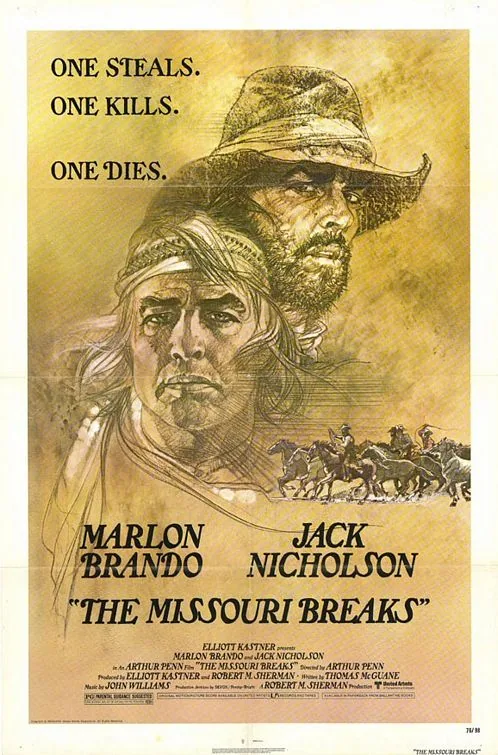
In Montana cattle country, rustler Tom Logan and his gang retaliate against land baron David Braxton after Braxton's men hang one of their friends. The gang buys a nearby farm and continues rustling, but Logan grows attached to Braxton's spirited daughter Jane. Braxton hires the eccentric and lethal regulator Robert E. Lee Clayton to stop the thefts, turning a contest over land and justice into an unpredictable cat-and-mouse game.
Based on recorded story, mood and style. Your preferences can change the order.
What changes Rio Bravo: measured, suspenseful and character-led. Silverado: steady and escalating.
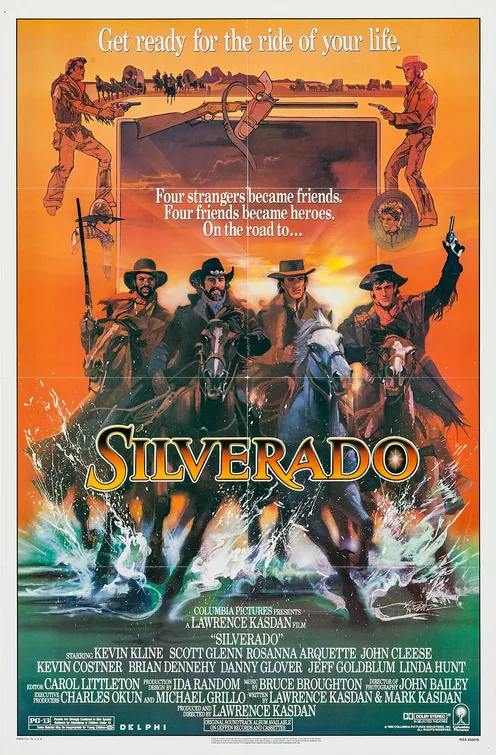
A chance encounter brings four men with different histories together as they travel toward Silverado, a frontier town controlled by a corrupt sheriff and powerful land interests. Each carries a personal grievance, but the group gradually discovers that their individual journeys intersect with the safety of the town's ordinary residents. Their alliance turns a collection of western conflicts into a shared fight over justice and belonging.
Both share themes of courage, plus a tense atmosphere.
Why this matches +
Genres: Western / Revisionist Western
Shared film traits
Based on recorded story, mood and style. Your preferences can change the order.
What changes Rio Bravo: measured, suspenseful and character-led. High Noon: slow burn.
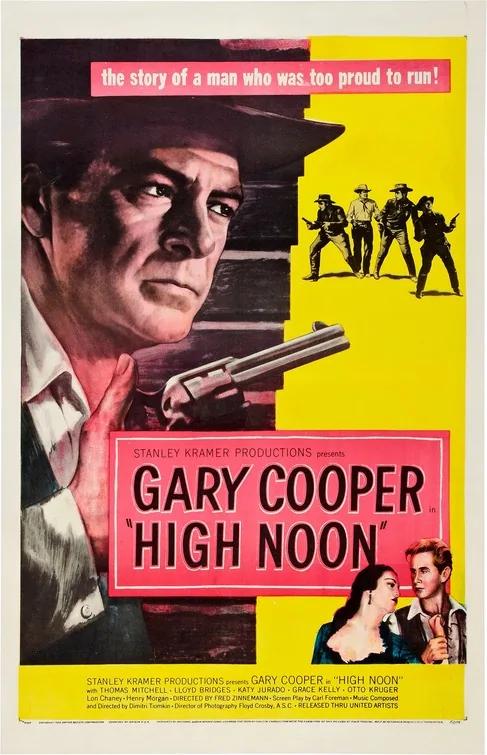
A town marshal preparing to leave his post learns that a man he helped imprison will soon return with armed allies. Choosing to remain gives him little time to recruit support, while townspeople find practical and moral reasons to treat the coming confrontation as somebody else's problem. His new wife's commitment to nonviolence makes staying a threat to their shared future as well as a test of public responsibility.
Based on recorded story, mood and style. Your preferences can change the order.
Expect tense and mysterious, with measured pacing.
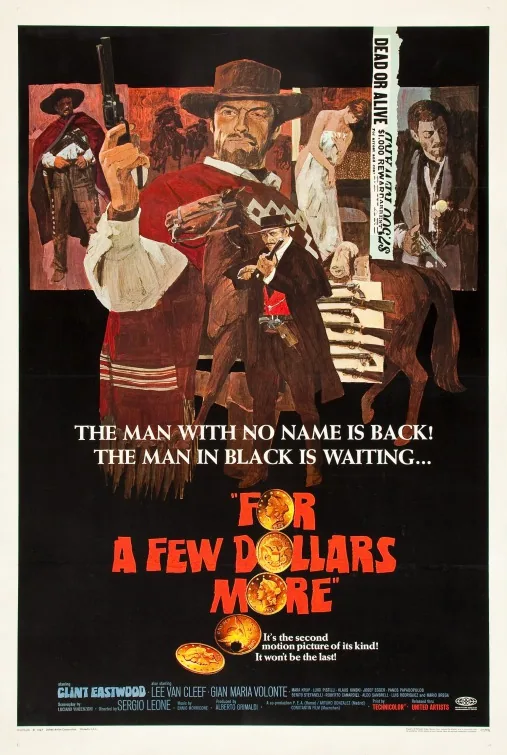
Two bounty hunters tracking the same bandit leader discover that competing for the reward may be less useful than cooperating on an infiltration. A planned bank robbery offers access to the gang but also exposes the risks of depending on a partner whose full motives remain private. Repeated tests of skill and trust gradually reveal that the pursuit carries a different emotional history for one hunter than the commercial arrangement initially suggests.
Based on recorded story, mood and style. Your preferences can change the order.
What changes Rio Bravo is tagged steady and wry; The Long Riders is tagged somber and rugged.
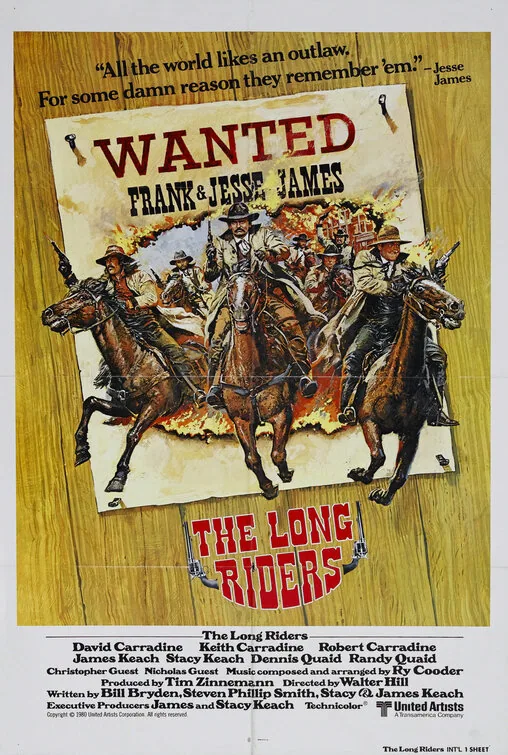
The James-Younger gang's robberies and escapes are retold through a cast that includes real-life actor brothers playing historical outlaw brothers. The film emphasizes the group's family bonds, the violence of the frontier and the law's growing pressure, rather than treating the gang as uncomplicated folk heroes. Its deliberate western style makes the consequences of criminal life as visible as the attraction of rebellion.
Based on recorded story, mood and style. Your preferences can change the order.
What changes Rio Bravo: measured, suspenseful and character-led. The Harder They Fall: ensemble western, confrontation-driven and action set pieces.
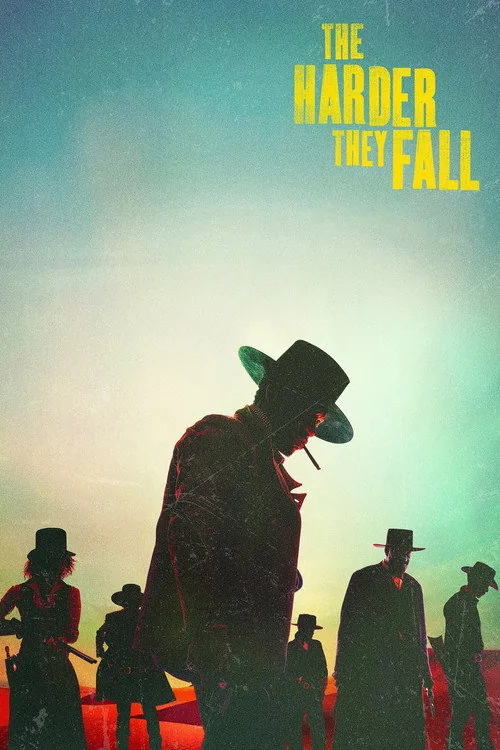
When outlaw Rufus Buck is released from prison, Nat Love gathers a group of allies to confront the man who murdered his parents. Their hunt draws in two rival gangs and the people connected to them, including saloon owner Stagecoach Mary and Buck’s lieutenant Trudy Smith. Jeymes Samuel’s stylized Western gives Black frontier figures the center of a revenge saga, mixing historical names with fictional events, sharp humor, gunfights, and an anachronistic soundtrack.
Both share themes of loyalty, plus a tense atmosphere.
Why this matches +
Genres: Crime / Drama
Shared film traits
Based on recorded story, mood and style. Your preferences can change the order.
Expect tense and emotional, with measured pacing.
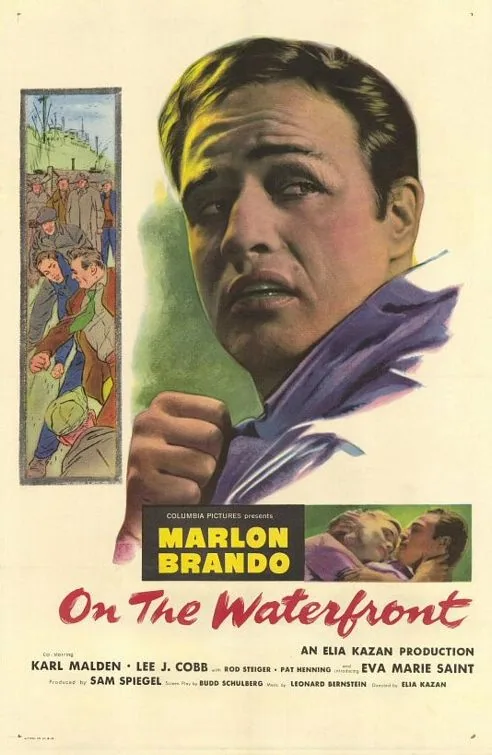
A former boxer working on the docks helps lure a fellow worker into a confrontation that ends in murder. His dependence on a corrupt union leader, and on a brother close to that leader, makes acknowledging his part dangerous. Growing affection for the victim's sister and pressure from a local priest force him to reconsider whether loyalty means keeping silent or accepting the personal cost of speaking against the system supporting him.
Based on recorded story, mood and style. Your preferences can change the order.
What changes Rio Bravo: measured, suspenseful and character-led. No Country for Old Men: slow burn and intense.
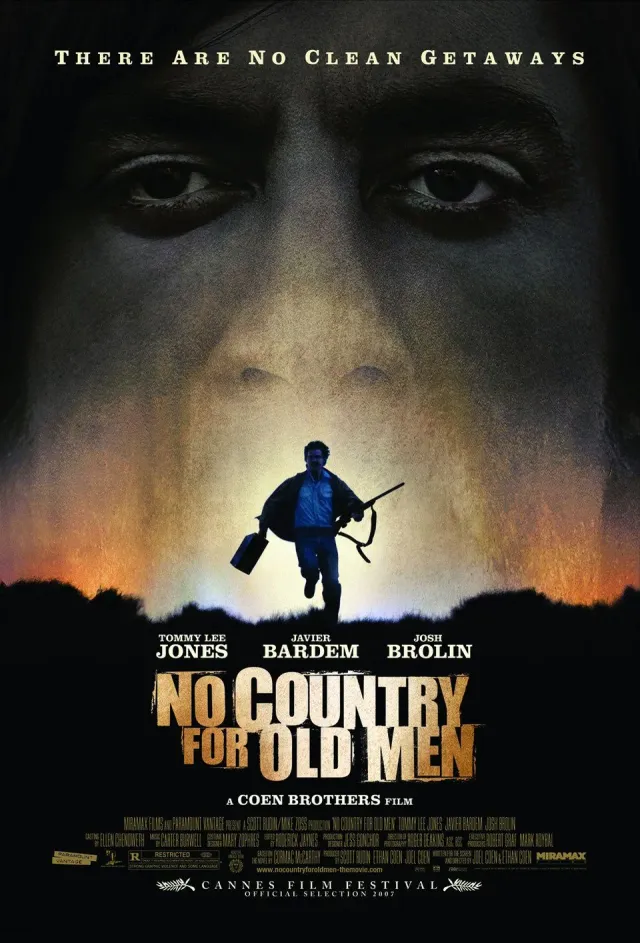
A hunter discovers the aftermath of a failed drug deal and takes a case of money, drawing a relentless killer and other pursuers after him. An ageing sheriff follows the violence while questioning his ability to understand or contain it. Across motels, roads and sparsely populated towns, practical evasions unfold beside an increasingly troubling sense that experience and moral confidence provide little protection against chance and implacable force.
Both share themes of loyalty, plus a tense atmosphere.
Why this matches +
Genres: Drama / Western
Shared film traits
Based on recorded story, mood and style. Your preferences can change the order.
Both directed by Howard Hawks.
Expect rugged and tense, with measured and journey-based pacing.
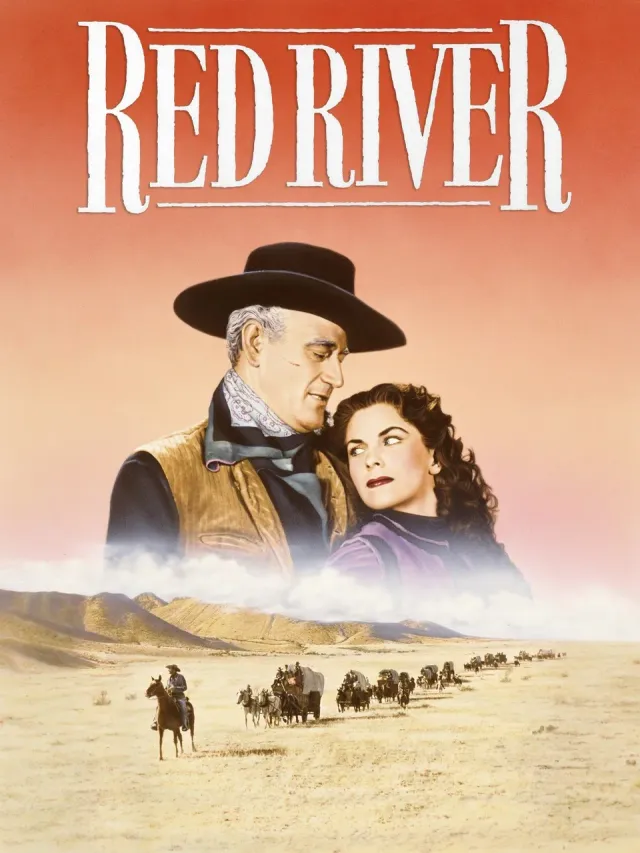
After taking a teenage orphan, Matt Garth, under his care, rancher Thomas Dunson builds a Texas cattle empire with him. Years later, financial pressure leads Dunson to drive a huge herd toward a distant railhead, but his stubborn route and harsh control increasingly endanger the drovers. Matt challenges his authority and takes the herd toward a closer market, leaving Dunson behind. The two men then move toward a reckoning as Dunson follows the drive and tries to reclaim both the cattle and the son he helped raise. Their conflict turns a cattle journey into a struggle over inheritance, loyalty and command.
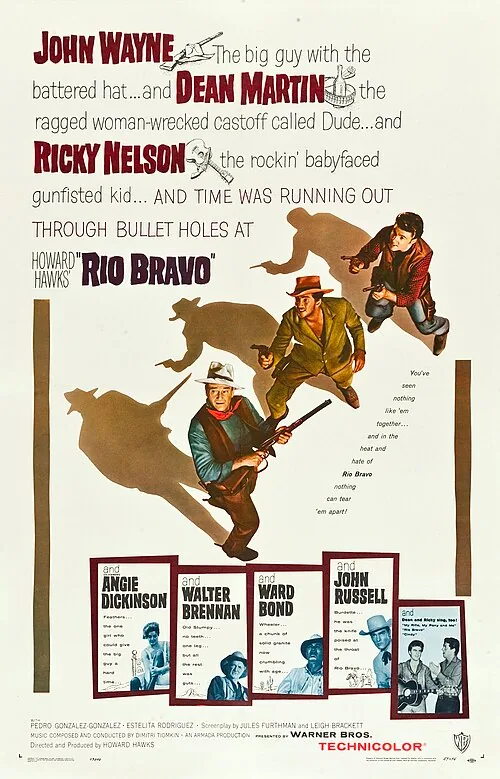
Sheriff John T. Chance arrests Joe Burdette after Joe kills a bystander, but the prisoner’s wealthy brother begins gathering men to free him. Chance has only a few allies: the recovering alcoholic Dude, aging deputy Stumpy and traveling gunslinger Colorado, who initially refuses to join the fight. As a supply wagon and its people become entangled in the standoff, Chance tries to prevent more casualties without giving up the jail. Dude’s recovery and Colorado’s shifting loyalty gradually turn the small group into a defense force against the larger threat.
What drives the story
Holding Joe until the federal marshal arrives gives Nathan Burdette’s men a clear target and forces the sheriff to defend the jail rather than pursue them.
The people at its centre
Chance’s trust in Dude is tested by the deputy’s addiction, while Colorado must decide whether neutrality can survive the violence around him.
What it feels like
The film builds tension through watchful conversations, music in Burdette’s saloon and a compact siege rather than constant gunfire.
Worth knowing
Its pleasure is in a small group’s loyalty under pressure, not in a sprawling frontier epic or a modern police procedural.
LoyaltyRecoveryCourage
Mood
Steady · Wry · Tense
Pacing
Measured · Suspenseful · Character-led
Visual style
Town interiors · Classic western framing · Compact action
Storytelling
Western siege · Deputy recovery · Ensemble defense