Both share themes of revenge, plus a bleak atmosphere.
Why this matches +
Genres: Horror / Slasher
Shared film traits
Based on recorded story, mood and style. Your preferences can change the order.
Escape and pursuit
What changes Leatherface: escape-driven, violent set pieces and accelerating. The Texas Chainsaw Massacre: fast and chase-driven.
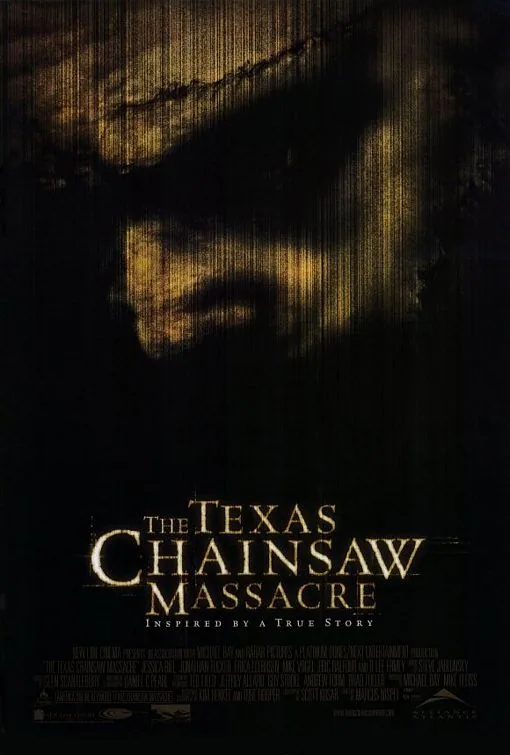
On a Texas road trip, Erin and her friends encounter a traumatized young woman who gets into their van and dies before explaining what happened to her. Their attempt to find local help draws them to the home of Sheriff Hoyt and the Hewitt family, whose hospitality conceals a threat. Leatherface begins hunting the group through the house and surrounding property, forcing Erin to improvise ways to protect herself and the remaining survivors. The remake retains the isolated rural setting and basic group-versus-family structure of the original, while adding a more explicit police authority figure and a polished early-2000s studio-horror look.
Based on recorded story, mood and style. Your preferences can change the order.
Escape and pursuit
What changes Leatherface: escape-driven, violent set pieces and accelerating. The Texas Chainsaw Massacre: The Beginning: relentless and escalating.
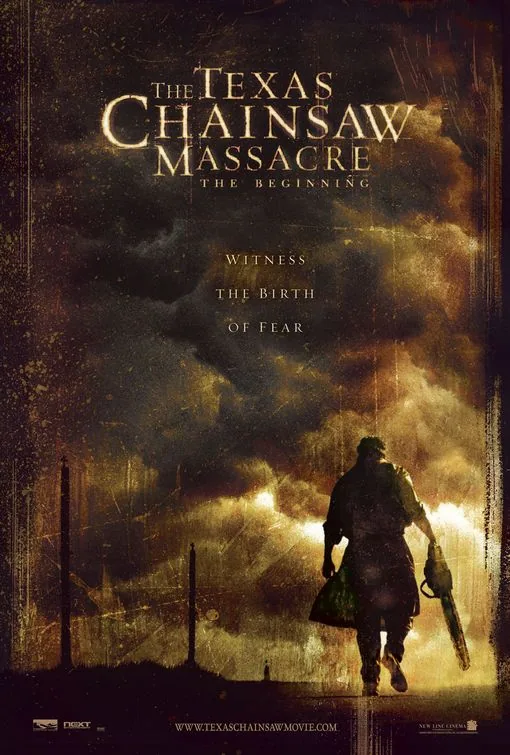
Set before the 1974 story, the film follows a group of young people whose journey through Texas ends in the orbit of a violent family and its terrifying new member, Leatherface. Their attempts to escape become a prolonged fight for survival. The prequel expands a familiar horror mythology through graphic attacks and a bleak rural setting, prioritizing sustained danger and bodily threat over mystery or relief.
Based on recorded story, mood and style. Your preferences can change the order.
Escape and pursuit
What changes Leatherface: escape-driven, violent set pieces and accelerating. Texas Chainsaw Massacre: rapid slasher escalation, survivor pursuit and graphic set-piece violence.
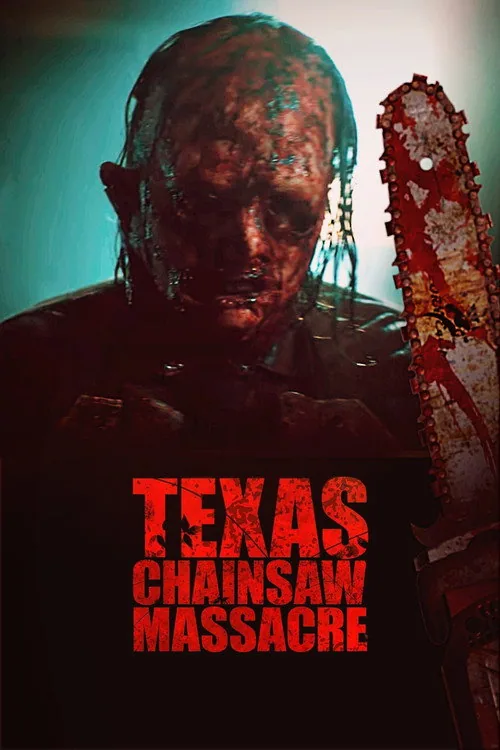
A group of young entrepreneurs travel to the abandoned Texas town of Harlow to organize an auction and create a new community. Their plans are disrupted when Leatherface emerges from hiding after a disturbance at the orphanage where he has been living. A survivor of the 1973 massacre, Sally Hardesty, returns as the new killings draw her back into the past. David Blue Garcia’s slasher sequel continues the original film’s story and contains frequent, graphic violence and chainsaw attacks.
Both share themes of revenge, plus a violent atmosphere.
Why this matches +
Genres: Horror / Thriller
Shared film traits
Based on recorded story, mood and style. Your preferences can change the order.
Escape and pursuit · Family and care
What changes Leatherface: escape-driven, violent set pieces and accelerating. Prom Night: deadline-driven, escalating and attack-and-escape.
After teenager Donna Keppel survives the murder of her family by former teacher Richard Fenton, she spends three years rebuilding her life with relatives and friends. As her senior prom begins at a hotel, Fenton escapes from psychiatric custody and finds a way inside. Police race to identify his path through the building while Donna and her classmates move between celebration and danger. The remake centers its slasher suspense on a young woman trying to reclaim an important night from a predator who has made her his obsession.
Based on recorded story, mood and style. Your preferences can change the order.
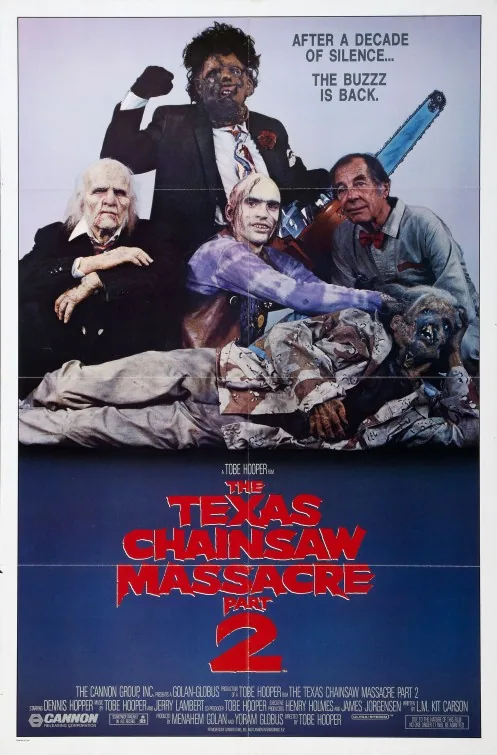
What changes Leatherface: escape-driven, violent set pieces and accelerating. The Texas Chainsaw Massacre 2: relentless.
Texas Ranger Lefty Enright investigates a series of chainsaw attacks and suspects that the Sawyer family is still killing travelers. Radio disc jockey Stretch becomes involved after she receives a disturbing call connected to one of the crimes, then finds herself pursued by the family. The investigation leads underground into the Sawyers' grotesque lair, where Lefty and Stretch must survive long enough to expose the killers and escape.
Based on recorded story, mood and style. Your preferences can change the order.
Memory and identity
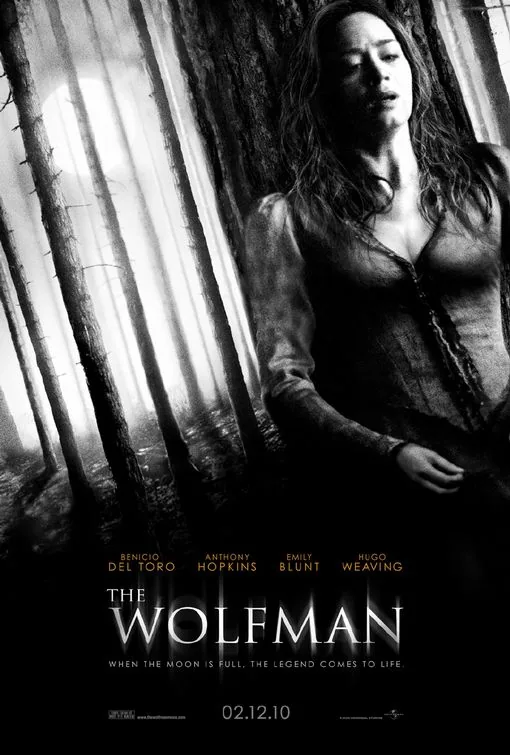
What changes Leatherface: escape-driven, violent set pieces and accelerating. The Wolfman: brooding and violent eruptions.
An actor returns to his family's English estate after his brother is killed and becomes involved in the search for the attacker. A wound inflicted during another assault links the investigation to frightening changes in his own body. Old family memories and official suspicion compound the threat, turning the attempted explanation of a local monster into a gothic struggle with inheritance, violence and loss of control.
Based on recorded story, mood and style. Your preferences can change the order.
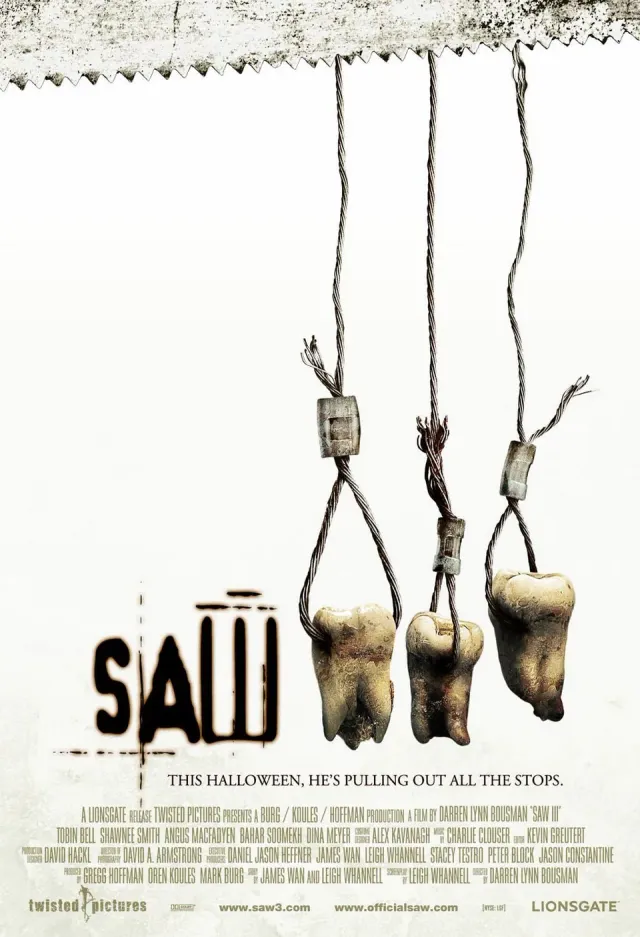
What changes Leatherface: escape-driven, violent set pieces and accelerating. Saw III: parallel, escalating and slow-burn.
While Jigsaw is near death, his apprentice Amanda abducts surgeon Lynn Denlon and forces her to keep him alive until grief-stricken Jeff completes a sequence of tests. Jeff is consumed by anger at the drunk driver who killed his son, and each encounter asks whether he can move beyond revenge toward forgiveness. Lynn’s coerced medical work exposes Amanda’s growing departure from John’s supposed rules: traps once presented as opportunities are now being made unwinnable. The stories converge in a family revelation that turns the last choice into a test of whether John’s philosophy can survive the violence committed in its name.
Based on recorded story, mood and style. Your preferences can change the order.
Escape and pursuit · Criminal underworld
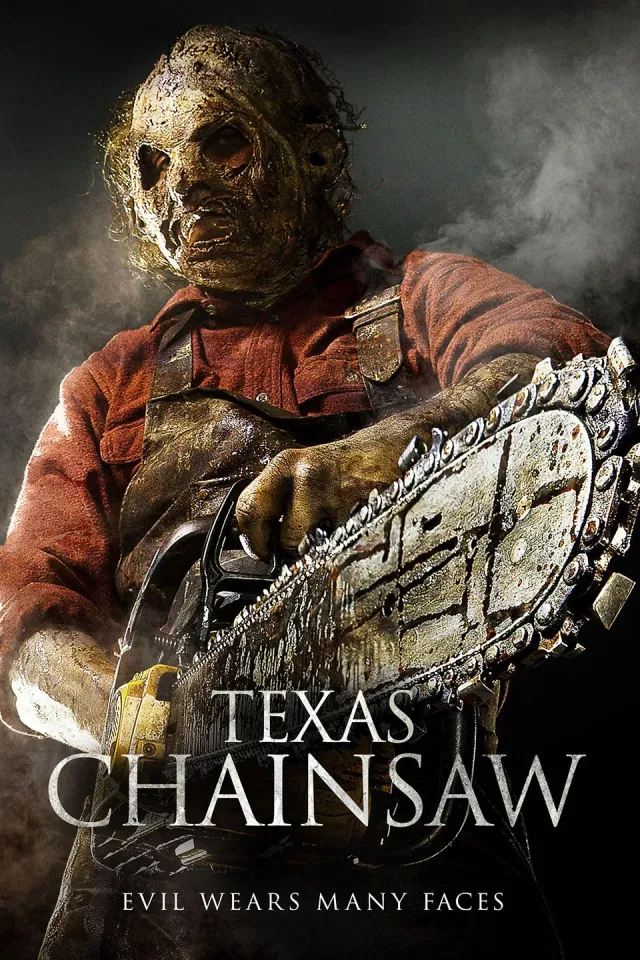
What changes Leatherface: escape-driven, violent set pieces and accelerating. Texas Chainsaw 3D: fast pursuit punctuated by graphic attacks.
A young woman inherits a rural Texas property and discovers that the legacy she has been given is bound to a notorious family and a masked killer. The story returns to the franchise’s rural violence while asking whether blood ties can offer belonging or only danger. Its exploitation-horror style favors harsh confrontations and graphic threat over mystery or psychological subtlety.
Based on recorded story, mood and style. Your preferences can change the order.
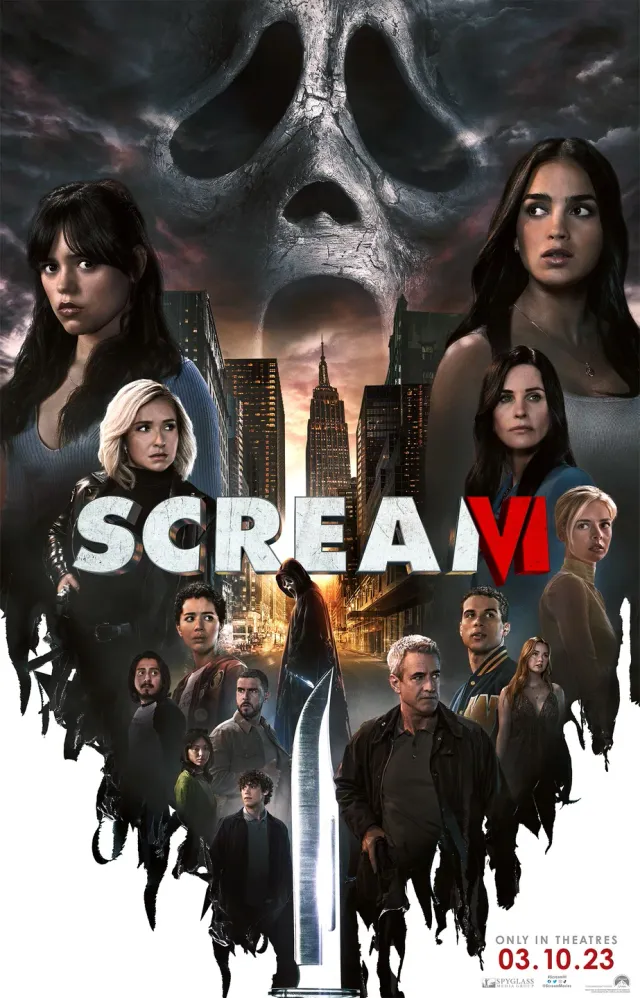
What changes Leatherface: escape-driven, violent set pieces and accelerating. Scream VI: rapid, ensemble-driven and reversal-heavy.
After surviving the Woodsboro killings, sisters Sam and Tara Carpenter try to build new lives in New York, where Sam faces online accusations that she was behind the previous murders. Ghostface attacks the survivors and leaves masks tied to earlier cases, while the friends debate horror-franchise rules and who can still be trusted. An abandoned theater filled with evidence turns the series’ history into a shrine; Detective Wayne Bailey and his children reveal their connection to Richie and a revenge motive. Sam and Tara’s fight to survive also becomes a negotiation over how much protection should cost Tara her independence.
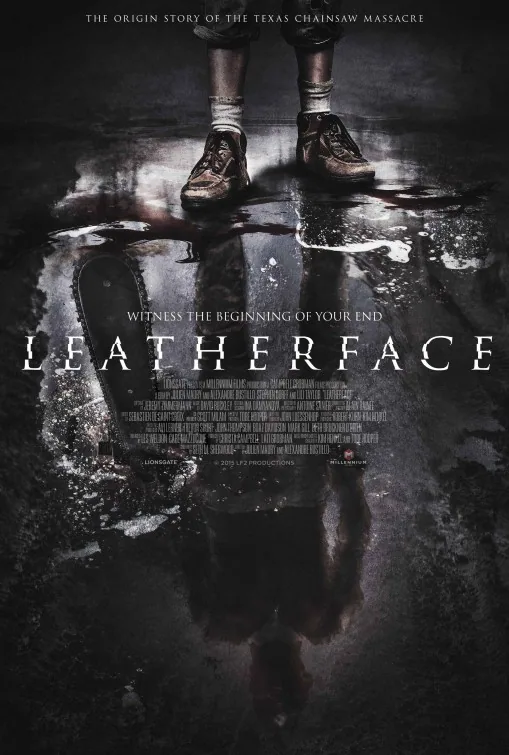
In rural Texas, a young Jedidiah Sawyer grows up inside a violent family whose life is shaped by the legacy of the earlier murders. After being sent to a state institution, he escapes with several inmates and a nurse during a chaotic breakout. Their journey across the countryside pulls him back toward the Sawyer family and the chain of violence that will make him known as Leatherface. Julien Maury and Alexandre Bustillo frame the film as a grim origin story for the Texas Chainsaw Massacre figure.
What drives the story
A group’s escape from a state institution turns into a violent pursuit that draws young Jedidiah back to his family and their bloody history.
The people at its centre
Jedidiah is pulled between the person he might become and the family identity imposed on him, while the nurse tries to survive among inmates and the Sawyers.
What it feels like
The story uses an escape-road structure to move through bleak rural spaces and build toward a recognizable horror identity.
Worth knowing
It focuses on the human and familial origin of Leatherface within the Texas Chainsaw continuity, rather than a group of strangers arriving at the family’s property.