Both centre on serial investigation and coercive spectacle.
Why this matches +
Genres: Horror / Comedy
Shared film traits
Based on recorded story, mood and style. Your preferences can change the order.
From the same film series.
Investigation
Expect tense and self-aware, with escalating and ensemble-driven pacing.
When high-schooler Tara Carpenter is attacked in Woodsboro, her estranged older sister Sam returns with her boyfriend Richie and reconnects with Tara’s friends. Sam’s visions of her biological father, Billy Loomis, and the discovery of a Ghostface mask link the new murders to the town’s old violence. The killer’s targets include people close to the original survivors, while an online campaign casts Sam as the true villain. Sidney Prescott and Gale Weathers return to help, but the case’s central motive comes from fans trying to force a new installment of Stab into the shape they prefer.
Both centre on serial investigation and coercive spectacle.
Why this matches +
Genres: Horror / Mystery
Shared film traits
Based on recorded story, mood and style. Your preferences can change the order.
Investigation
What changes Scream VI: rapid, ensemble-driven and reversal-heavy. Scream 2: crosscut, escalating and reversal-driven.
A killer in a Ghostface costume murders two college students during a screening of Stab, the movie made from the Woodsboro killings. Sidney Prescott has moved to Windsor College, but the murders bring back Dewey and Gale and put her under renewed media attention alongside new classmates and former survivors. The campus investigation becomes a sequel-aware slasher story in which the characters debate the rules of sequels while being trapped inside one. Its killer reveal ties the new violence to the first film’s aftermath and to Sidney’s public testimony.
Based on recorded story, mood and style. Your preferences can change the order.
Investigation
What changes Scream VI: rapid, ensemble-driven and reversal-heavy. Scream 7: escalating pursuit and slasher set pieces.
Sidney Prescott must protect her family when a new Ghostface killer brings the threat of her past into the present. The threat creates a slasher mystery in which survival depends on identifying who is behind the mask and deciding whom to trust. Returning Sidney to the center lets the franchise connect present family danger with the violence she has repeatedly survived, while keeping the killer's identity uncertain.
Based on recorded story, mood and style. Your preferences can change the order.
Investigation
What changes Scream VI: rapid, ensemble-driven and reversal-heavy. My Bloody Valentine 3D: escalating and slasher-driven.
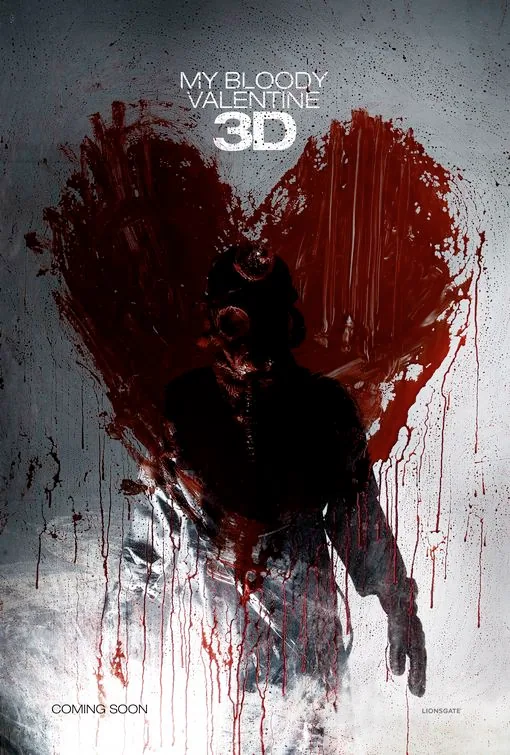
Years after a mining disaster and a violent killing spree, a masked attacker returns to the town of Harmony and begins targeting people connected to the original events. The sheriff and a former local try to identify the killer as old relationships and conflicting memories create uncertainty about who survived and what really happened. The remake leans into graphic slasher imagery and three-dimensional effects, turning the mine and town into spaces of pursuit.
Both centre on serial investigation and coercive spectacle.
Why this matches +
Genres: Horror / Mystery
Shared film traits
Based on recorded story, mood and style. Your preferences can change the order.
Investigation
What changes Scream VI: rapid, ensemble-driven and reversal-heavy. Scream 3: crosscut, reversal-driven and building.
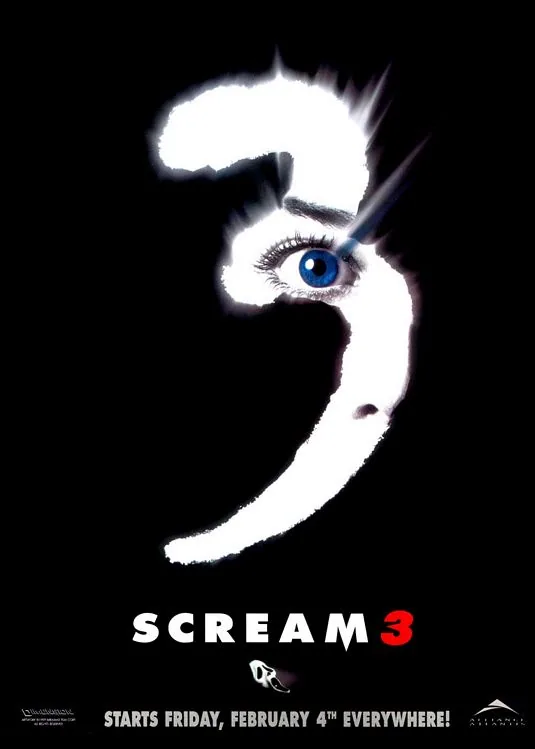
As a new Ghostface attacks the cast of Stab 3 in Hollywood, Sidney Prescott is living under an alias and working with survivors of abuse through a crisis hotline. Reporter Gale Weathers and Dewey Riley investigate the murders on the film set, where props and scripted scenes make it difficult to tell performance from threat. Sidney is drawn back when the killer uses recordings of her dead mother’s voice and targets the remaining people connected to her past. The mystery eventually reframes the original Woodsboro story through a previously hidden family connection.
Both centre on serial investigation and coercive spectacle.
Why this matches +
Genres: Horror / Comedy
Shared film traits
Based on recorded story, mood and style. Your preferences can change the order.
Investigation
What changes Scream VI: rapid, ensemble-driven and reversal-heavy. Scream 4: escalating, whodunit and reversal-driven.
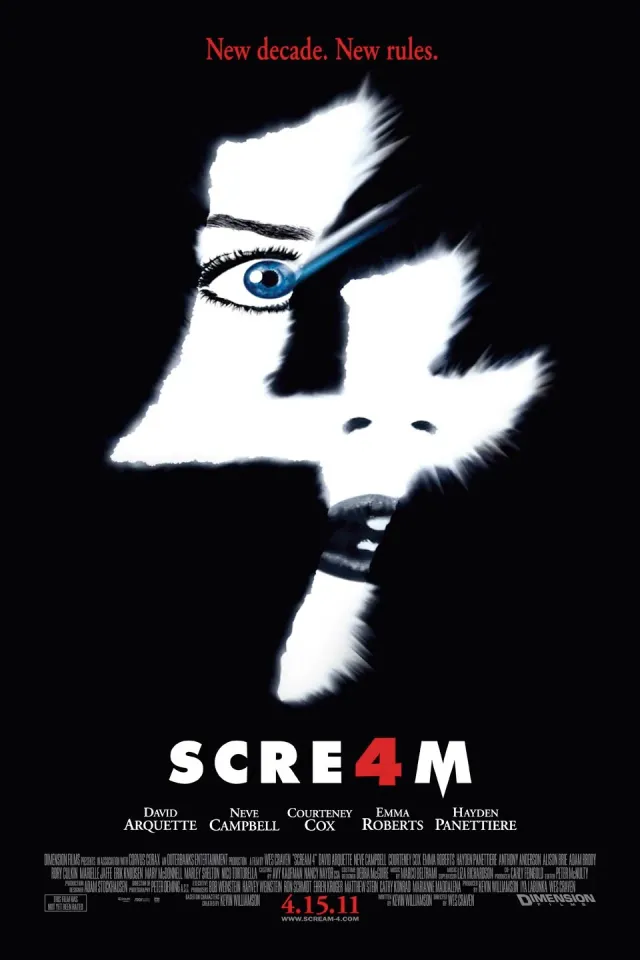
Sidney Prescott returns to Woodsboro on the anniversary of the original murders to promote a self-help book, only to find new attacks that imitate the first killings. Her cousin Jill and Jill’s friends are pulled into the investigation as Dewey, now sheriff, tries to control the case and Gale investigates against his wishes. The movie repeatedly turns the murders into a performance for cameras and online attention, while the police and town struggle to tell imitation from evidence. The final revelation makes the desire for recognition itself part of the killer’s motive.
Both centre on revenge pursuit and coercive spectacle.
Why this matches +
Genres: Crime / Horror
Shared film traits
Based on recorded story, mood and style. Your preferences can change the order.
Investigation
Expect graphic and relentless, with rapid and parallel pacing.
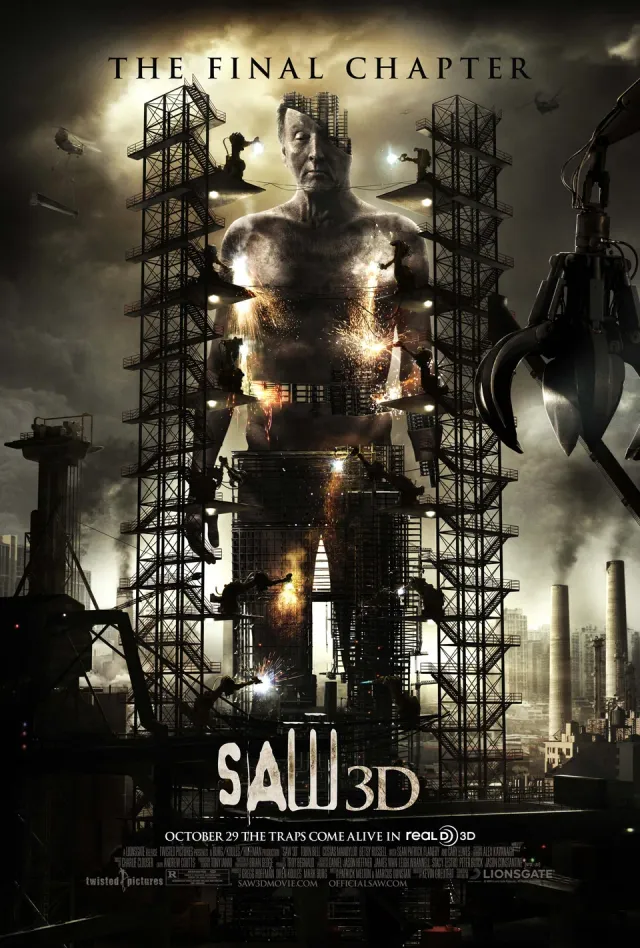
Years after surviving Jigsaw’s bathroom, Dr. Lawrence Gordon is drawn back into the legacy of the traps when detective Mark Hoffman turns his vendetta against Jill Tuck into a new campaign. Hoffman stages a sequence of tests for Bobby Dagen, a public self-help figure whose story of surviving a Jigsaw game was fabricated, while the police try to identify the killer behind the killings. Bobby’s lies have involved the people closest to him, so each attempt to pass a test exposes how performance and accountability are entangled. The plot’s simultaneous threads converge on the original bathroom and on the cost of Jill’s decision to expose Hoffman.
Based on recorded story, mood and style. Your preferences can change the order.
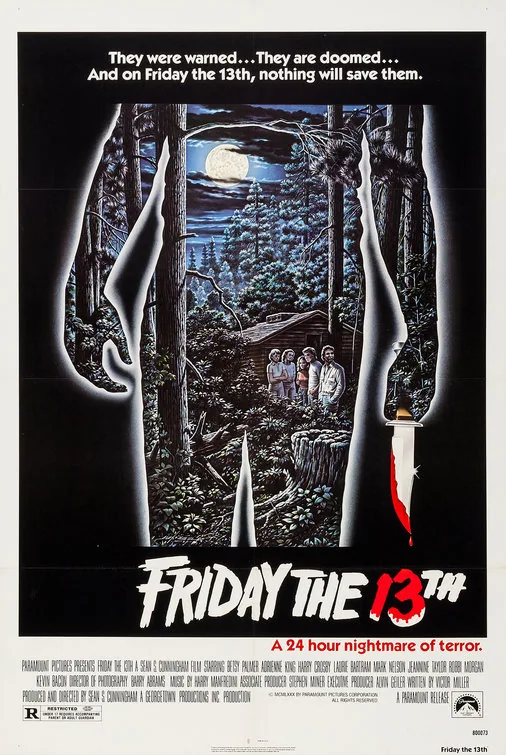
What changes Scream VI: rapid, ensemble-driven and reversal-heavy. Friday the 13th: measured and escalating.
Young counselors preparing a lakeside camp for reopening become isolated targets as an unseen attacker turns ordinary work and flirtation into opportunities for murder. Local warnings supply a history of disaster without initially explaining who is acting in the present. As companions vanish, the remaining survivor must recognize that the familiar setting offers little protection. The film's mechanism is a concealed assailant exploiting separation and delayed discovery, culminating in an encounter tied to the camp's neglected past.
Based on recorded story, mood and style. Your preferences can change the order.
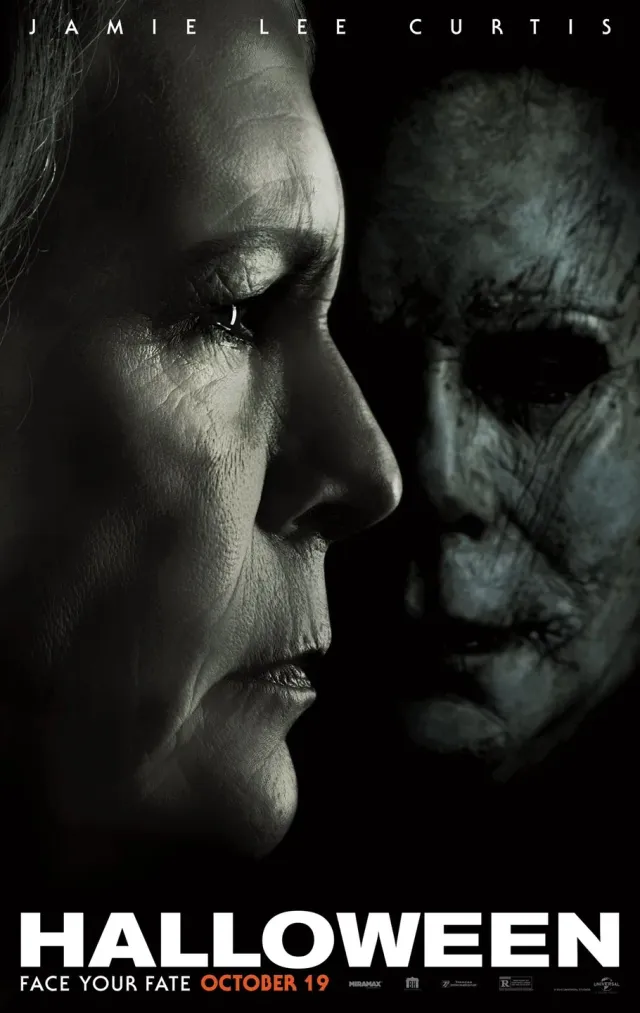
What changes Scream VI: rapid, ensemble-driven and reversal-heavy. Halloween: slow-building and relentless.
Forty years after Michael Myers's killing spree, Laurie Strode has built her life around the possibility that he will return. When a transfer brings him back near Haddonfield, she prepares to confront him while her daughter and granddaughter try to understand the fear that has shaped their family. The renewed violence turns Laurie's long preparation into a test of whether survival can become more than permanent vigilance.
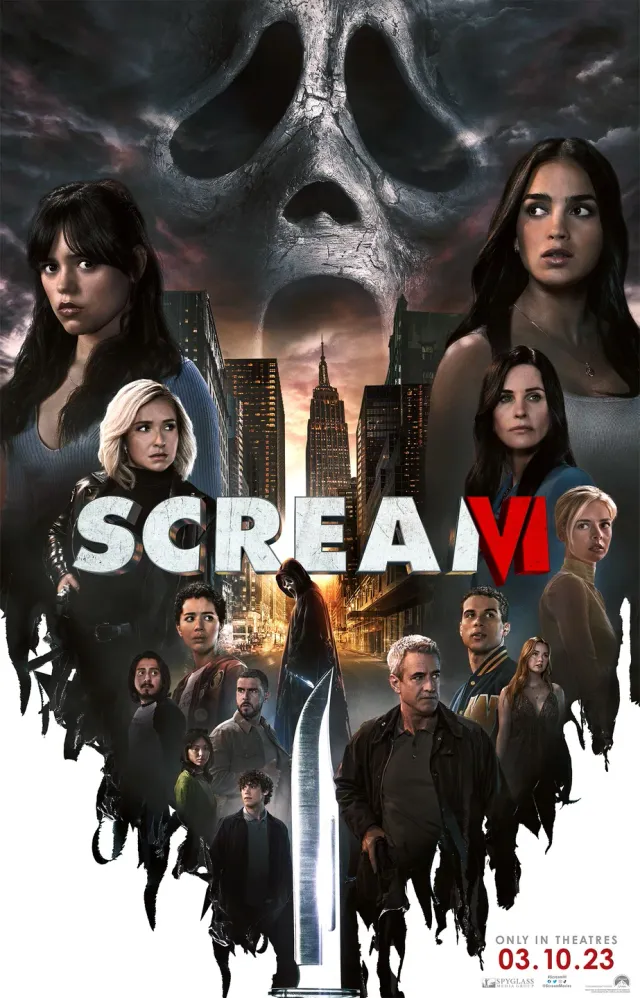
After surviving the Woodsboro killings, sisters Sam and Tara Carpenter try to build new lives in New York, where Sam faces online accusations that she was behind the previous murders. Ghostface attacks the survivors and leaves masks tied to earlier cases, while the friends debate horror-franchise rules and who can still be trusted. An abandoned theater filled with evidence turns the series’ history into a shrine; Detective Wayne Bailey and his children reveal their connection to Richie and a revenge motive. Sam and Tara’s fight to survive also becomes a negotiation over how much protection should cost Tara her independence.
What drives the story
The New York attacks make franchise history tangible through a theater shrine, while the investigation hides revenge behind the language of sequel rules.
The people at its centre
Sam’s public vilification echoes the sisters’ private conflict: Tara wants room to choose her own life, and Sam fears that letting go will leave her unprotected.
What it feels like
A crowded urban setting, subway attack and evidence-filled theater expand the series’ geography while keeping its whodunit and self-referential structure intact.
Worth knowing
A continuity-heavy slasher for viewers who know the recent films; it combines graphic violence and legacy references with a more central debate about sibling independence.