Both share themes of identity, plus an intimate and unsettling atmosphere.
Why this matches +
Genres: Drama / Thriller
Shared film traits
Based on recorded story, mood and style. Your preferences can change the order.
What changes Magic: slow-building, increasingly tense and confined. Black Swan: slow burn and intense.
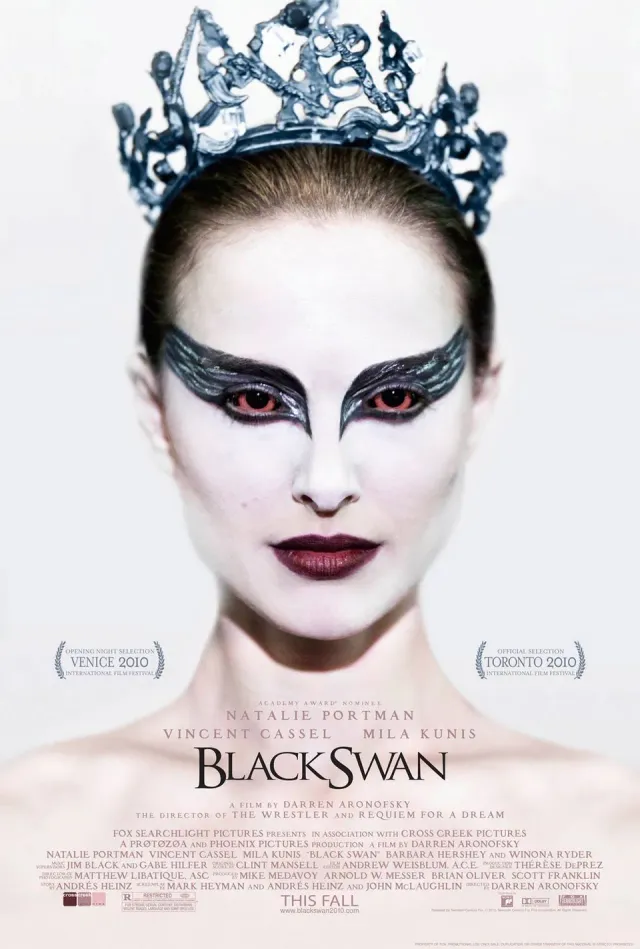
A tightly controlled ballet dancer is chosen to perform a lead role demanding both precision and a sensual spontaneity she struggles to express. Pressure from a manipulative director, a possessive mother and an apparently freer rival intensifies her fear of being replaced. As rehearsal consumes her private life, bodily disturbance and unreliable perception blur the line between artistic transformation and a dangerous collapse of self.
Both share psychological breakdown, plus themes of mental health.
Why this matches +
Genres: Crime / Drama
Shared film traits
Based on recorded story, mood and style. Your preferences can change the order.
Mental health
What changes Magic: slow-building, increasingly tense and confined. The Driller Killer: claustrophobic, gradually escalating, fragmented and explosive.
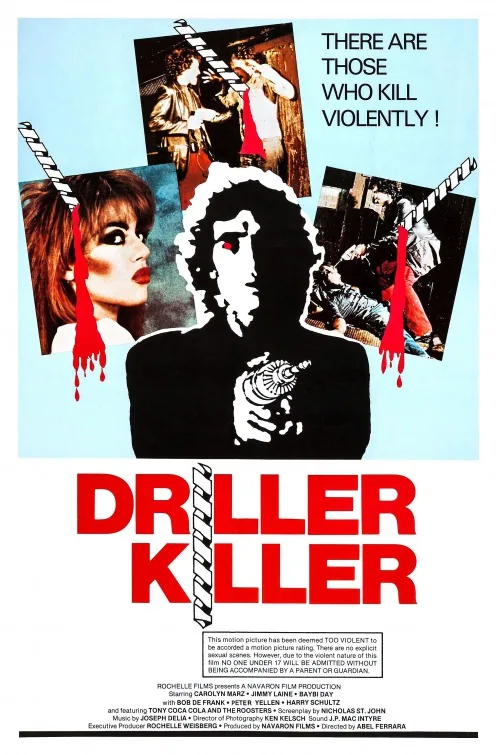
Reno Miller is a painter in a deteriorating New York apartment who cannot keep up with rent and bills while trying to finish a work he believes will define him. He shares the space with his girlfriend Carol and her partner Pamela, and their crowded domestic life adds strain to an already precarious routine. Reno seeks help from an art dealer, but the gallery’s indifference and the neighborhood’s visible hardship deepen his isolation. As exhaustion, money pressure, and disturbing encounters accumulate, his grip on ordinary judgment weakens and he turns a power drill into an instrument of violence.
Both share a suspenseful and unsettling atmosphere.
Why this matches +
Genres: Drama / Horror
Shared film traits
Based on recorded story, mood and style. Your preferences can change the order.
Memory and identity
What changes Magic: slow-building, increasingly tense and confined. What Lies Beneath: measured and slow burn.
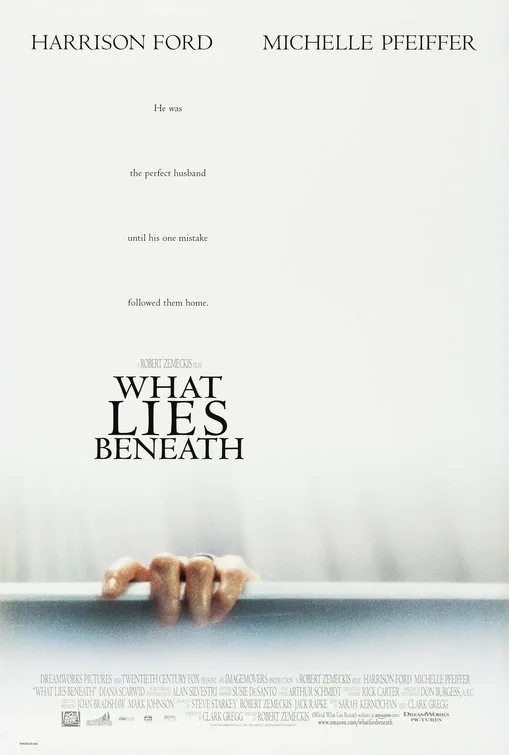
After her daughter leaves for college, Claire Spencer becomes convinced that something uncanny is happening in the house beside Lake Champlain. Her husband dismisses her fears, but the disturbances point toward a disappearance and a past the couple has kept carefully out of view. The film turns domestic quiet into a slow investigation of grief, trust and concealment.
Based on recorded story, mood and style. Your preferences can change the order.
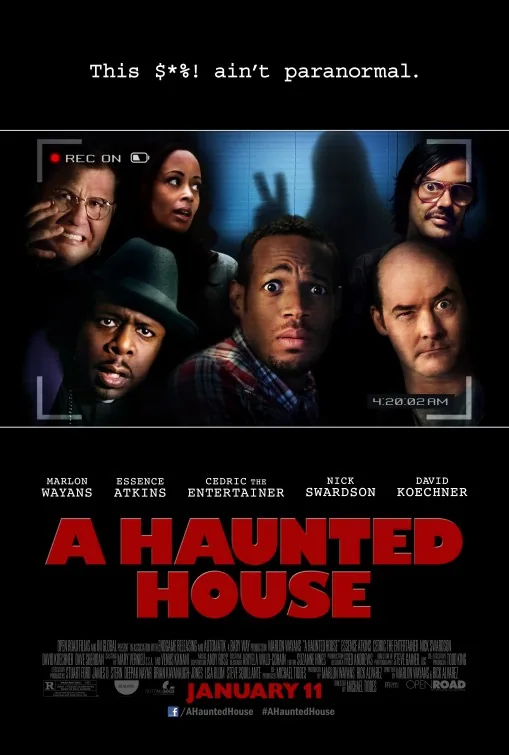
What changes Magic: slow-building, increasingly tense and confined. A Haunted House: sketch-like escalation with recurring scare gags.
A young couple move into a new home and record increasingly strange events, only to find their attempts at investigation tangled in a parody of possession and found-footage horror conventions. Their relationship, roommates and neighbors become part of the escalating chaos. The comedy is intentionally crude, using familiar supernatural scares as setups for sexual jokes, slapstick and genre spoofing.
Based on recorded story, mood and style. Your preferences can change the order.
Memory and identity
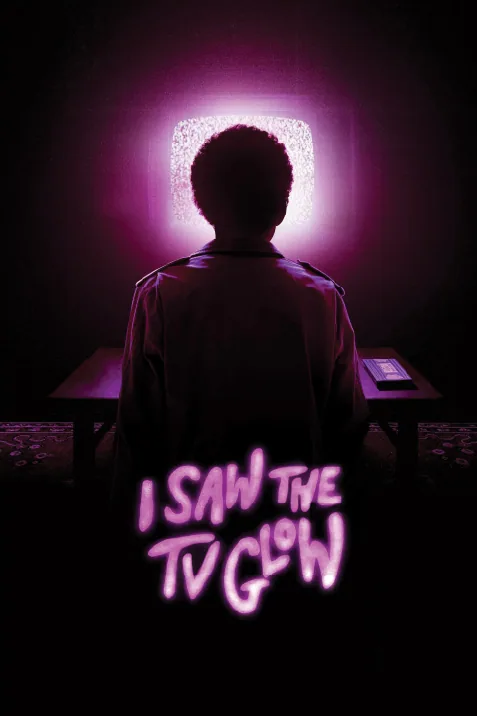
What changes Magic: slow-building, increasingly tense and confined. I Saw the TV Glow: slow burn and episodic.
Two isolated classmates, Owen and Maddy, bond over a late-night television series that seems to offer a world more meaningful than their suburban routines. Maddy disappears after insisting that the show reveals something true about their identities; years later, she returns with a frightening explanation that Owen cannot bring himself to accept. Their unequal readiness to act turns time, memory and ordinary adulthood into sources of horror. The film’s trans allegory is closely tied to repression and recognition, while its unstable reality resists a tidy supernatural solution. Its ending is disturbing because Owen’s continued deferral has visible costs, not because it offers instructions for a viewer’s safety or identity.
Both share themes of identity, plus a suspenseful and unsettling atmosphere.
Why this matches +
Genres: Horror / Thriller
Shared film traits
Based on recorded story, mood and style. Your preferences can change the order.
Memory and identity
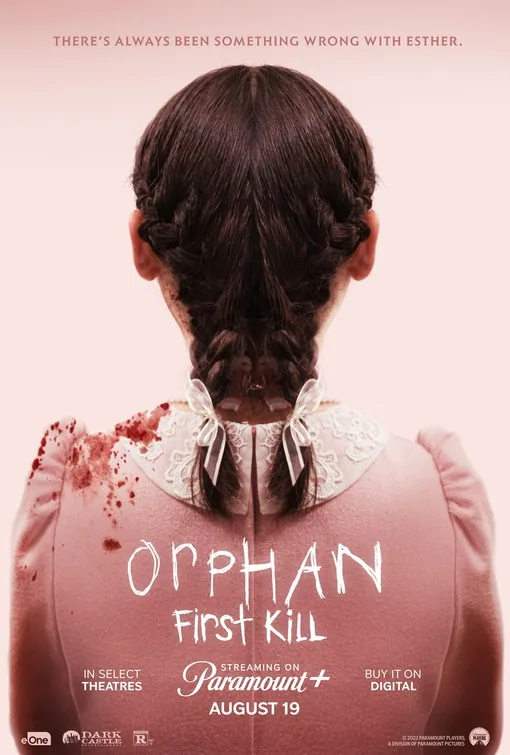
What changes Magic: slow-building, increasingly tense and confined. Orphan: First Kill: a cat-and-mouse domestic thriller builds through reversals and hidden motives.
Leena Klammer escapes an Estonian institution and impersonates a missing American child, entering a wealthy family that claims to welcome her home. Her deception begins to unravel as the mother, Tricia, recognizes that the household’s secrets run in more than one direction. The prequel shifts its horror from a hidden impostor alone to a family system whose members have competing reasons to maintain a false identity.
Both share themes of identity, plus an intimate and unsettling atmosphere.
Why this matches +
Genres: Comedy / Horror
Shared film traits
Based on recorded story, mood and style. Your preferences can change the order.
Memory and identity
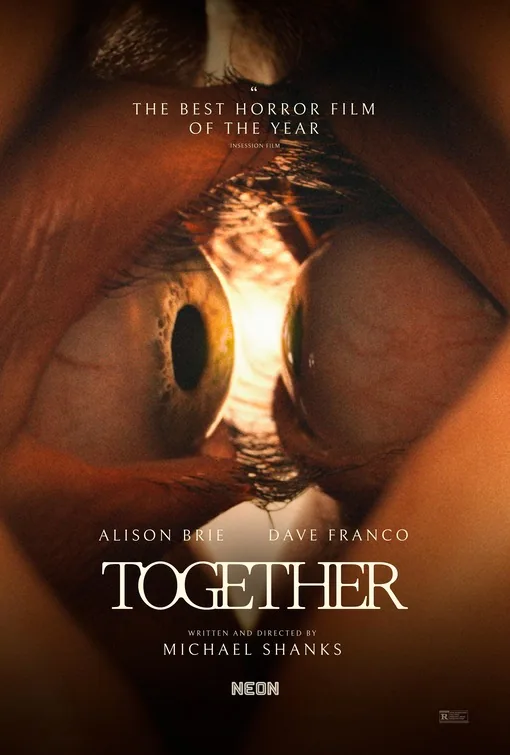
What changes Magic: slow-building, increasingly tense and confined. Together: a couple’s relocation becomes a gradual body-horror transformation.
Longtime couple Millie and Tim move to the countryside, where a strange encounter with a cave and water source begins to alter their bodies and relationship. The physical changes make their codependence literal, forcing them to confront fears about commitment, autonomy, and separation. The horror comedy turns a relationship crisis into grotesque transformation, using body horror to explore how love can support two people and also swallow their identities.
Based on recorded story, mood and style. Your preferences can change the order.
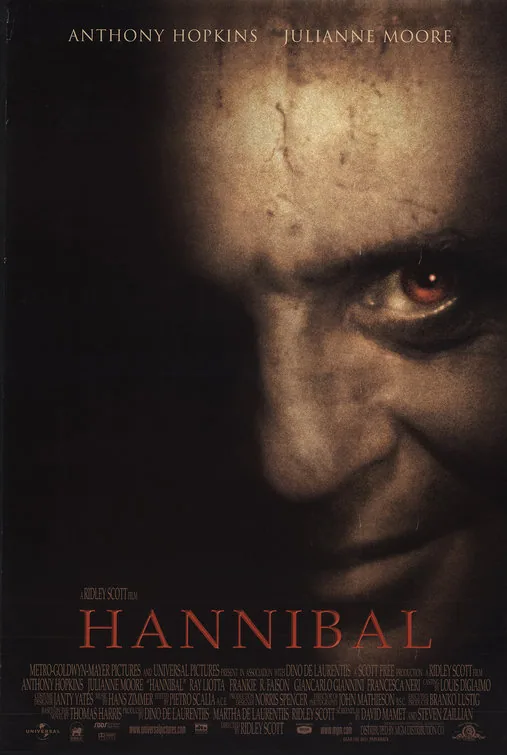
What changes Magic: slow-building, increasingly tense and confined. Hannibal: measured and escalating.
A disgraced FBI agent is returned to the pursuit of an escaped killer whose wealthy surviving victim is organizing a private revenge. In Florence, a policeman's recognition of the fugitive becomes an opportunity for profit, while political interference at home further isolates the agent. Several hunters attempt to use one another's attachment as bait. The sequel shifts from a contained investigative partnership toward an ornate contest among predatory people, making apparent protection difficult to separate from domination and highly personal violence.
Based on recorded story, mood and style. Your preferences can change the order.
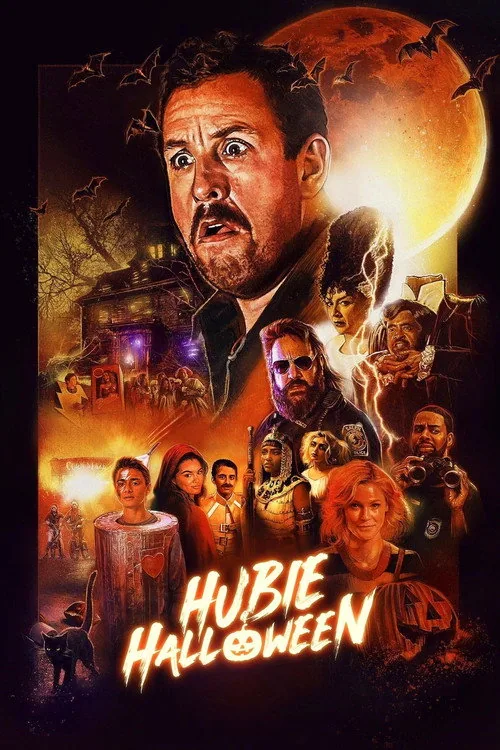
What changes Magic: slow-building, increasingly tense and confined. Hubie Halloween: broad comic episodes and holiday-mystery momentum.
Hubie Dubois is the often-mocked Halloween helper of Salem, Massachusetts, determined to keep the town safe even when neighbors prank and dismiss him. This year, an escaped criminal and a strange new resident make him fear that something real is happening, and people begin disappearing during the celebrations. Hubie tries to convince the police and townspeople that the danger is not just another prank. Adam Sandler’s family horror-comedy combines a seasonal mystery, broad physical humor, and a large ensemble of familiar comic performers.
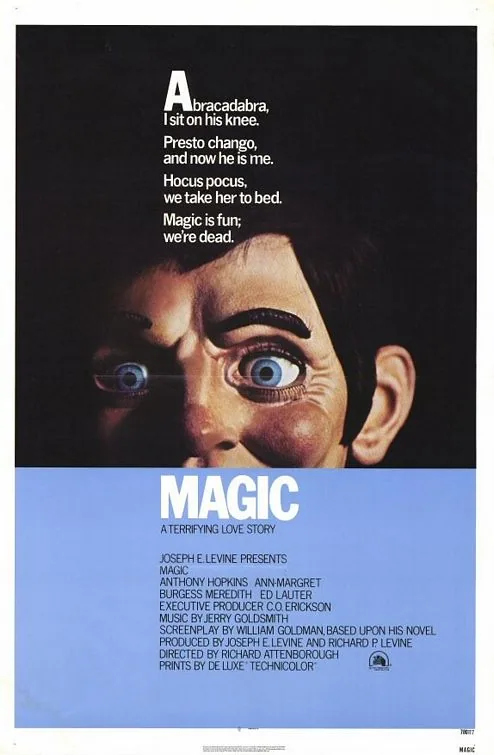
After an uncertain start as a stage magician, Corky Withers succeeds by combining sleight of hand with a ventriloquist's dummy named Fats. When his agent arranges a television opportunity, Corky flees to the Catskills rather than undergo an examination that could expose his fragile mental state. He reconnects with Peggy, an old love now trapped in a difficult marriage, while Fats becomes a disturbing presence whose voice and demands seem increasingly independent of Corky.
What drives the story
A successful performer avoids scrutiny by retreating to the place where his private relationships and divided identity can collide.
The people at its centre
Corky's attachment to Peggy competes with his dependence on Fats, whose taunts expose impulses he struggles to control.
What it feels like
The film begins with show-business charm and gradually shifts into intimate psychological horror.
Worth knowing
Its menace comes from character and performance rather than supernatural spectacle or a conventional slasher.
IdentityControlMental health
Mood
Unsettling · Intimate · Suspenseful
Pacing
Slow-building · Increasingly tense · Confined
Visual style
Close performance staging · Rustic settings · Dummy-centered horror