A manipulated surveillance assignment becomes an obsessive reconstruction of a desired image whose apparent recovery requires denying another person's independent identity.
Why this matches +
Selected for the central appeal: Stylized psychological suspense entangles female trauma with coercive male interpretation and desire.
Genres: Drama / Thriller
Shared film traits
Based on recorded story, mood and style. Your preferences can change the order.
Both directed by Alfred Hitchcock.
Investigation
What changes A man’s desire turns a woman’s identity into something he tries to reconstruct and control through a mystery; a detective’s fixation replaces blackmail marriage and a recovered childhood trauma.
A former San Francisco detective affected by a colleague's death agrees to follow an acquaintance's wife, whose behaviour is presented as a mysterious attachment to an earlier woman. Surveillance becomes romantic involvement, and a loss leaves the detective unable to release the image he has formed. Encountering a woman who resembles that image turns attempted recovery into an insistence on remaking another person, while concealed interests expose the limits of his original investigation.
An intimate partner manufactures evidence of mental instability to isolate his wife while concealing a criminal purpose inside their shared home.
Why this matches +
Related viewing experiences with the specific differences recorded for each pair.
An adjacent discovery: a related idea with a different viewing experience.
Genres: Thriller / Drama
Shared film traits
Based on recorded story, mood and style. Your preferences can change the order.
Investigation
What changes A woman’s intimate relationship becomes a coercive system that makes her doubt her perceptions; calculated deception replaces a husband’s invasive attempt to explain her trauma.
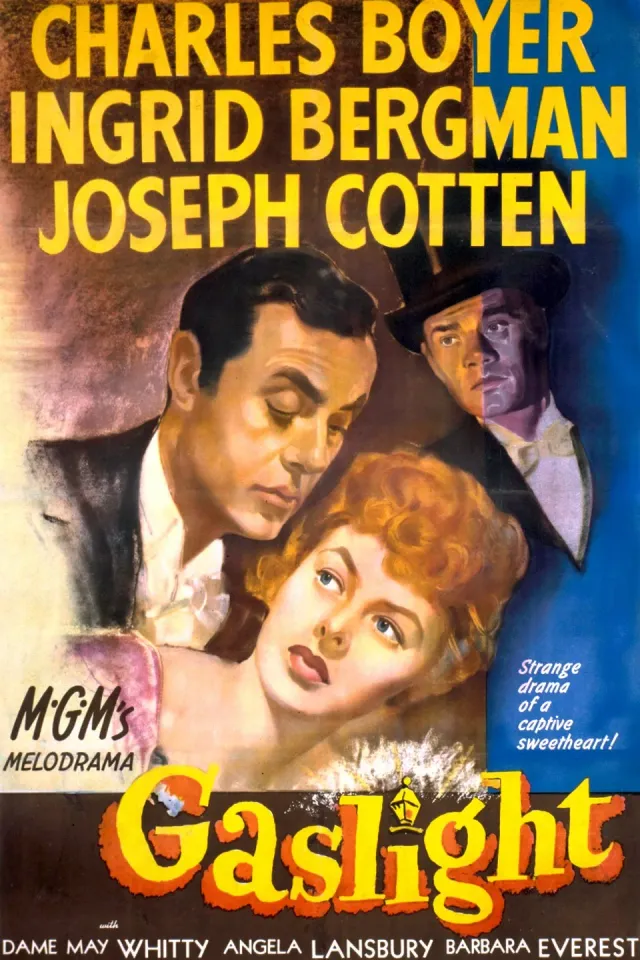
A woman returns to the London house where her aunt was murdered, believing marriage will make the troubled inheritance livable again. Her husband's repeated corrections, staged losses and restrictions gradually make her doubt her own memory. Small disturbances in the house offer evidence that her perceptions may be sound, but isolation makes verification difficult. A separate inquiry into the old crime creates the possibility of corroboration, turning domestic authority itself into the central source of danger.
An assault destabilizes a carefully managed life, but the protagonist's resistance to expected responses produces an inquiry whose course refuses a simple protection-and-resolution structure. An assault launches an investigation, but attention shifts among suspicion, power and the relationships she chooses to maintain.
Why this matches +
Related viewing experiences with the specific differences recorded for each pair.
An adjacent discovery: a related idea with a different viewing experience.
Genres: Thriller / Drama
Shared film traits
Based on recorded story, mood and style. Your preferences can change the order.
What changes A woman’s response to sexual violence resists easy psychological interpretation and exposes power in intimate life; abrasive contemporary ambiguity replaces the source’s stylized explanatory thriller.
After being raped in her home, a successful executive continues the routines through which she controls work, family and a complicated network of intimacy. Refusing a conventional public response does not end the threat: messages and renewed encounters make familiar relationships objects of suspicion. Her choices remain difficult to translate into a reassuring recovery arc, while the film's account of power, past exposure and renewed danger requires attention to the difference between agency and responsibility for another person's violence. Michèle’s composure and strategic choices belong to her specific character; they are not instructions for survivors.
A new marriage is destabilised by an idealised predecessor whose reputation conceals the events that actually shaped the household.
Why this matches +
Related viewing experiences with the specific differences recorded for each pair.
An adjacent discovery: a related idea with a different viewing experience.
Genres: Drama / Thriller
Shared film traits
Based on recorded story, mood and style. Your preferences can change the order.
Investigation
What changes A woman’s fear and intimate vulnerability are amplified by a controlling household and a concealed past; marital insecurity and a dead predecessor replace theft, sexual coercion and childhood memory.
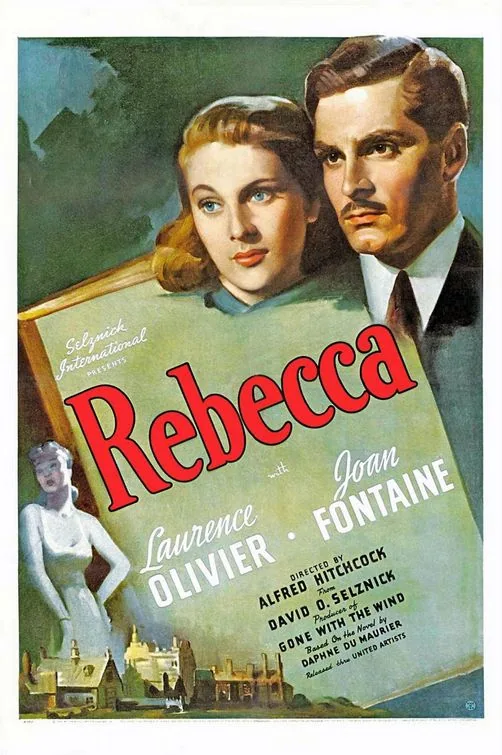
A shy young companion marries a wealthy widower and moves into his imposing country house, where reminders of his first wife dominate daily life. The housekeeper's hostility and the new bride's insecurity make an absent woman seem more powerful than anyone living there. As concealed facts about the earlier marriage emerge, romantic reassurance becomes entangled with class authority, jealousy and the moral cost of protecting a household's secrets.
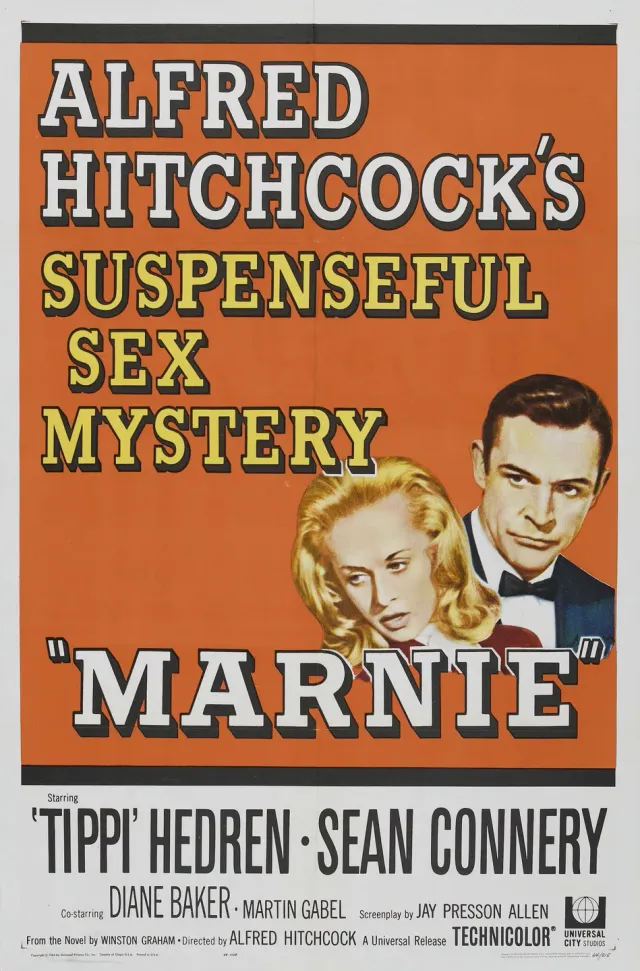
Marnie Edgar steals from employers and changes her identity until Mark Rutland catches her and uses the threat of exposure to force her into marriage. He then tries to interpret her fear of touch and the color red through a recovered childhood memory. The film presents his investigation as a route toward understanding, but it also shows his entitlement, coercion and sexual assault. Marnie’s trauma explains some of her behavior without making Mark an uncomplicated rescuer or giving him authority to decide what she needs. Stylized sets, abrupt color and a storm-bound climax externalize memory as suspense. Production history forms a separate question: Tippi Hedren later alleged that Hitchcock sexually harassed and assaulted her during their work, including on Marnie. That context should not be confused with the film’s fictional events.
What drives the story
Mark’s discovery turns a workplace theft into leverage; marriage and investigation follow from his power over Marnie rather than from equal consent. The flashback explains a fear but does not turn coercion into treatment.
The people at its centre
Marnie’s concealment and fear coexist with Mark’s fascination and possessiveness. He may uncover part of her past, but the relationship’s unequal terms and the assault remain present after the reveal.
What it feels like
Rear projection, artificial color, recurring red and visibly constructed sets make memory feel stylized rather than naturalistic. The suspenseful unearthing of the past also reflects Mark’s controlling gaze.
Worth knowing
Tippi Hedren’s later allegations concern production and are distinct from the movie’s on-screen assault. Keep both issues visible without treating a director’s biography as proof of every scene’s meaning or using the fictional ending to absolve coercion.