A relationship formed under an apparently limited future must repeatedly renegotiate care, ambition and independence as life continues beyond initial expectations.
Why this matches +
Selected for the central appeal: Romantic dramas about caregiving, autonomy and relationships shaped by serious disability or illness.
Genres: Drama / Romance
Shared film traits
Based on recorded story, mood and style. Your preferences can change the order.
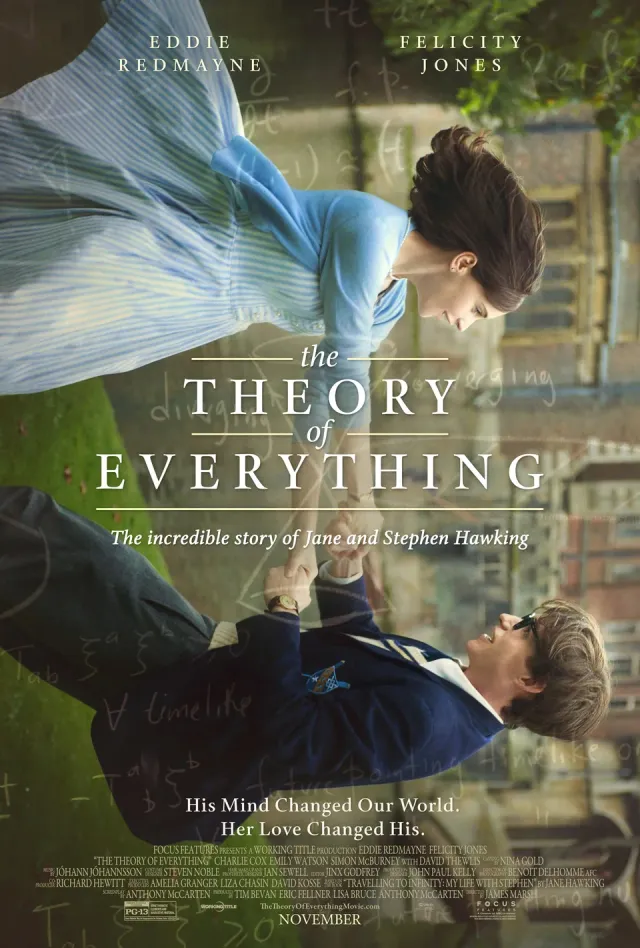
What changes The Theory of Everything follows a romance and marriage shaped by progressive disability and changing care needs.
A Cambridge student developing ideas about the origins of the universe begins a relationship just as a diagnosis threatens the future he imagined. Marriage and a growing family become intertwined with the practical demands of disability, professional recognition and changing forms of communication. As his condition and career develop, the couple's commitment must accommodate exhaustion, outside attachments and desires that cannot be resolved by the early promise to face everything together.
A deliberately casual relationship deepens while illness and career ambition make its future harder to avoid.
Why this matches +
Selected for the central appeal: Romantic dramas about caregiving, autonomy and relationships shaped by serious disability or illness.
Genres: Romance / Drama
Shared film traits
Based on recorded story, mood and style. Your preferences can change the order.
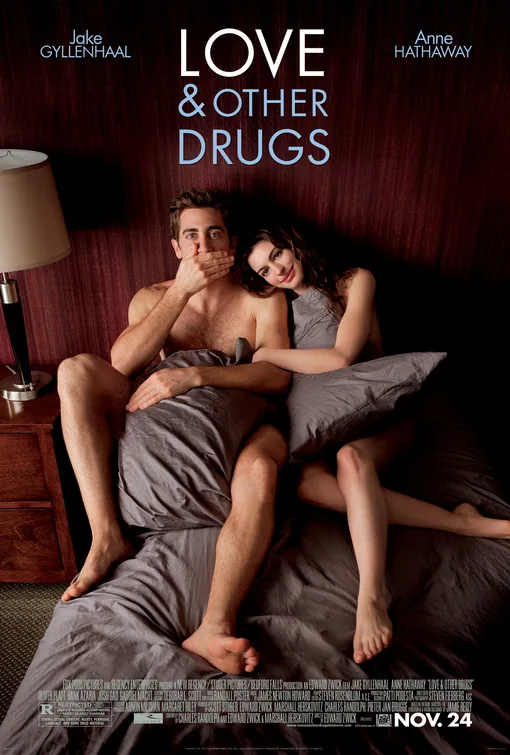
What changes Love and Other Drugs explores a romantic relationship alongside a serious health condition and uncertainty about the future.
An ambitious pharmaceutical salesman begins a casual relationship with a woman living with early-onset Parkinson's disease. His career thrives as a profitable new drug enters the market, but intimacy exposes needs that confidence and salesmanship cannot solve. Their attempts to keep the relationship uncomplicated give way to questions about dependence, commitment and whether caring for someone can coexist with an uncertain medical future.
A romance and a quest for an author's missing answers expose the limits of controlling how a life or story will end.
Why this matches +
These offer a related experience with a meaningful difference in story, tone, or presentation.
An adjacent discovery: a related idea with a different viewing experience.
Genres: Drama / Romance
Shared film traits
Based on recorded story, mood and style. Your preferences can change the order.
What changes The Fault in Our Stars follows young lovers facing serious illness and limited time together.
A teenager living with cancer reluctantly joins a support group and develops a relationship with a young man whose confidence does not remove his own history of illness. A shared attachment to a novel leads them toward its reclusive author, hoping that an unanswered fictional ending can offer something ordinary reassurance cannot. Their journey and changing medical circumstances force intimacy to accommodate uncertainty about who will remain to remember the relationship.
Progressive illness makes an intimate promise of care increasingly difficult to sustain.
Why this matches +
These offer a related experience with a meaningful difference in story, tone, or presentation.
An adjacent discovery: a related idea with a different viewing experience.
Genres: Drama / Romance
Shared film traits
Based on recorded story, mood and style. Your preferences can change the order.
What changes Amour examines a long marriage transformed by disability and the demands of daily caregiving.
An elderly married couple's settled Parisian life changes after the wife suffers a stroke and becomes increasingly dependent on care. Her husband's promise to look after her at home brings routines of intimacy into contact with exhaustion, humiliation and fear. Visits from their daughter expose differences between observing decline from outside and living within its demands each day.
A treatment trial makes patients' hidden capacities visible, then confronts clinicians with the limits and side effects of a response they cannot preserve. The central question changes from whether to wake someone to how to respect a life after the awakening.
Why this matches +
These offer a related experience with a meaningful difference in story, tone, or presentation.
An adjacent discovery: a related idea with a different viewing experience.
Genres: Drama / Biography
Shared film traits
Based on recorded story, mood and style. Your preferences can change the order.
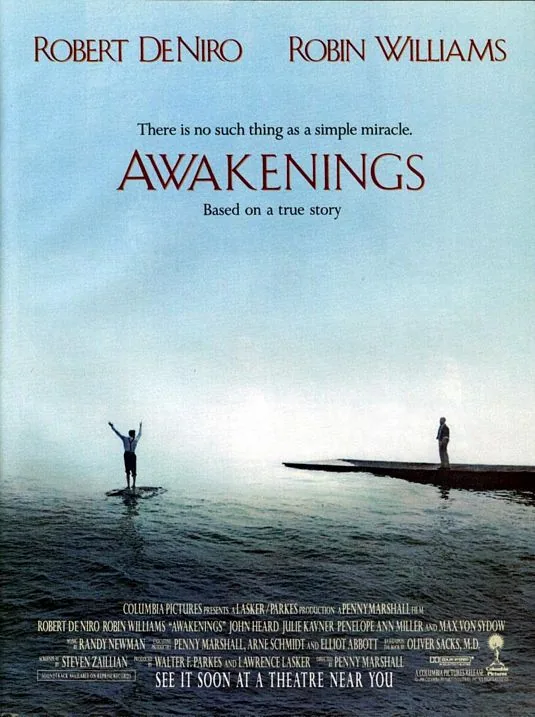
What changes Awakenings follows a doctor and patients navigating profound disability, treatment and the limits of recovery.
Neurologist Malcolm Sayer begins working with patients who survived encephalitis lethargica but have spent years in catatonic or severely limited states. His careful observations lead him to try L-DOPA, and Leonard Lowe's response opens a brief period of renewed speech, movement and independent desire. The change is a medical breakthrough and a challenge to the institution's assumptions about what the patients can experience. When the improvement proves unstable, the story shifts from cure to the difficult ethics of care, dignity and time. It is inspired by Oliver Sacks's work but substantially dramatized.
Lou Clark takes a temporary caregiving job for Will Traynor, a formerly adventurous man who became quadriplegic after a collision. Their prickly routine becomes friendship and romance, but Lou later learns that Will has set a date to travel to Switzerland for assisted death. She tries to change his decision through shared experiences; he ultimately chooses to die, leaving her with grief and financial support. The film gives Will a specific claim to autonomy while also placing his decision inside a story where disability is framed as an obstacle to a worthwhile future. Disability advocates criticized that narrow representation, especially the lack of disabled perspectives and alternative disabled lives. The romance does not cure disability, and Will’s choice should not be generalized as a universal judgment about disabled life.
What drives the story
Lou’s efforts to build new experiences meet Will’s prior decision rather than a simple misunderstanding that affection can solve. The plot’s central tension is about agency, care and what each person believes a future can hold.
The people at its centre
Lou’s economic insecurity and Will’s wealth and autonomy shape their relationship differently. His choice affects her, but her care does not create ownership over him or make her responsible for changing his decision.
What it feels like
Bright travel scenes and comic wardrobe contrast with the final assisted-death decision, making a serious ethical question arrive through a polished romance framework. That tonal contrast is part of the movie’s representational debate.
Worth knowing
Disability-rights criticism concerns the film’s narrow framing, not a claim that all viewers with disabilities share one view. Avoid romance-as-cure language and do not treat the plot’s outcome as medical or ethical guidance for real people.
AutonomyDisabilityLove
Mood
Romantic · Emotional · Bittersweet
Pacing
Measured
Visual style
Warm · Expansive
Storytelling
Care partnership · Character study · Transformation