Will’s effort to reconnect with Amy provides a thin personal thread through the sequence of spoofs.
Why this matches +
Selected for the central appeal: Spartan warriors and an ancient battle become a string of pop-culture gags and broad film parodies.
Genres: Comedy
Shared film traits
Based on recorded story, mood and style. Your preferences can change the order.
What changes A rapid-fire parody combines contemporary pop-culture references and exaggerated scenes from popular films; disaster movies rather than an ancient battle.
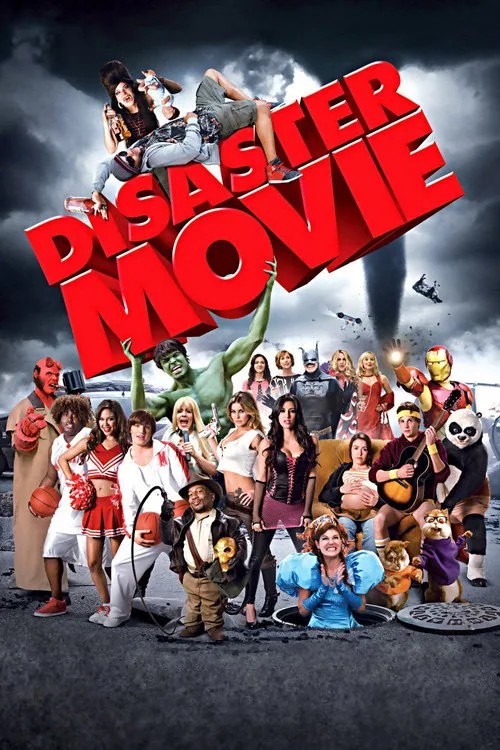
Will wakes from a prehistoric disaster dream on the day of his twenty-fifth birthday and tries to reunite with his girlfriend Amy. A string of exaggerated catastrophes and celebrity encounters interrupts the group as they search for a crystal skull said to be connected to the world’s end. Jason Friedberg and Aaron Seltzer’s parody comedy uses a loose journey narrative to spoof recent disaster, fantasy, superhero, and pop-culture films. Its rapid references and intentionally broad sketches are the main attraction, rather than a coherent disaster plot.
a popularity bet staging recognizable teen-film tropes. This pressure determines what the protagonist must do next and which risks become unavoidable.
Why this matches +
These offer a related experience with a meaningful difference in story, tone, or presentation.
An adjacent discovery: a related idea with a different viewing experience.
Genres: Comedy / Romance
Shared film traits
Based on recorded story, mood and style. Your preferences can change the order.
What changes A crude gag-driven spoof recreates recognizable genre conventions and pop-culture moments; teen movies rather than historical action.
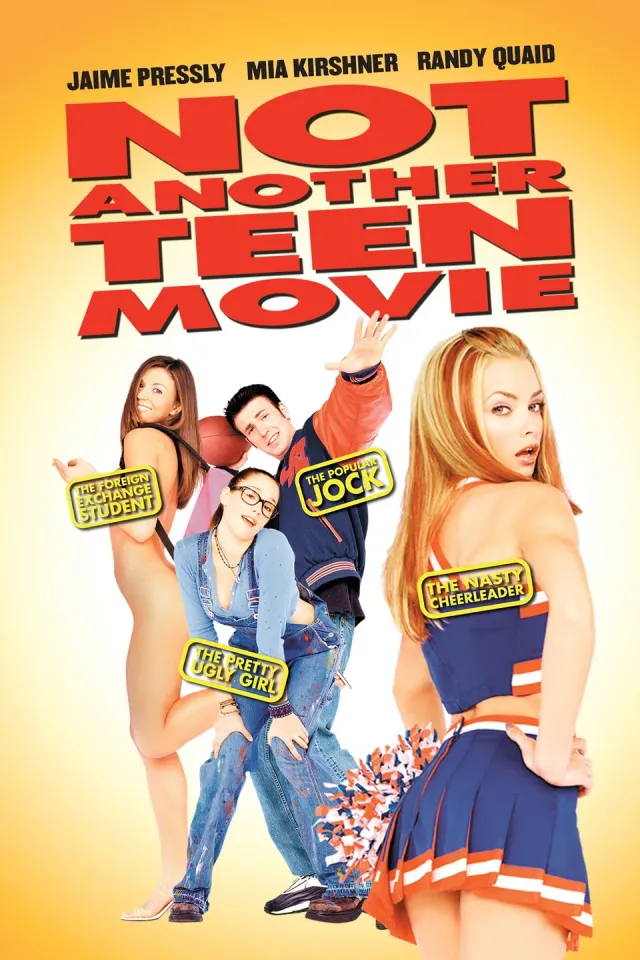
A popular athlete bets that he can transform an overlooked classmate into prom queen, triggering familiar high-school movie conventions. The comedy recreates and exaggerates teen-film situations, from makeovers to cliques and romance, inviting viewers to recognize the formulas being mocked. Its appeal depends on parody, crude humor and familiarity with repeated genre patterns.
A chain of sketches and interruptions turns familiar screen formats into targets for rapid-fire parody.
Why this matches +
These offer a related experience with a meaningful difference in story, tone, or presentation.
An adjacent discovery: a related idea with a different viewing experience.
Genres: Comedy / Parody
Shared film traits
Based on recorded story, mood and style. Your preferences can change the order.
What changes A sketch comedy uses broad visual gags and pop-culture parody rather than a sustained conventional plot; varied media and genre targets.
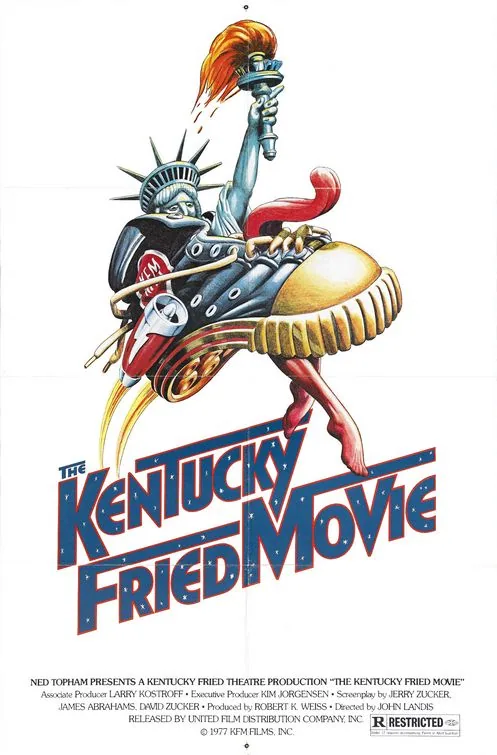
An irreverent anthology strings together short sketches that parody television news, advertisements, courtroom thrillers, martial arts films, disaster movies and other screen formats. The pieces jump from one comic premise to another, sometimes interrupting themselves with fake promotions or deliberately cheap effects. Directed by John Landis and written by Jim Abrahams and the Zucker brothers, the film treats television and movie conventions as raw material for a fast barrage of spoof.
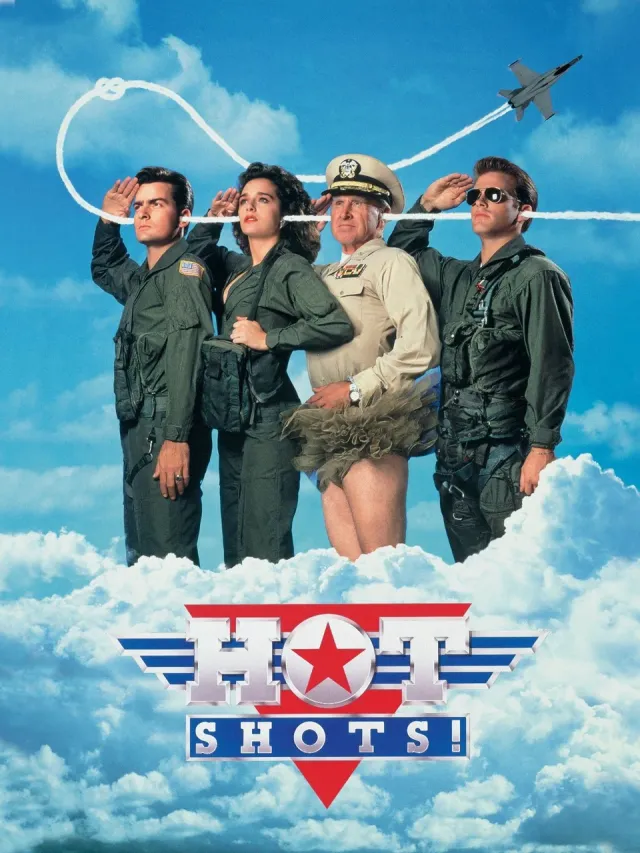
A returning pilot joins a rescue mission whose serious military setup is repeatedly undercut by comic parody.
Why this matches +
These offer a related experience with a meaningful difference in story, tone, or presentation.
An adjacent discovery: a related idea with a different viewing experience.
Genres: Comedy / War
Shared film traits
Based on recorded story, mood and style. Your preferences can change the order.
What changes An absurd military parody strings visual jokes and film references around a familiar combat-movie setup; modern fighter pilots.
A former fighter pilot is drawn back into military service when a new conflict requires an improbable rescue mission. The setup and characters deliberately echo familiar combat dramas, while the film continually interrupts its own action with wordplay, visual jokes, and genre parody. Its adventure depends on audiences recognizing the conventions being exaggerated, so heroic posturing and battlefield tension become material for a fast comic routine.
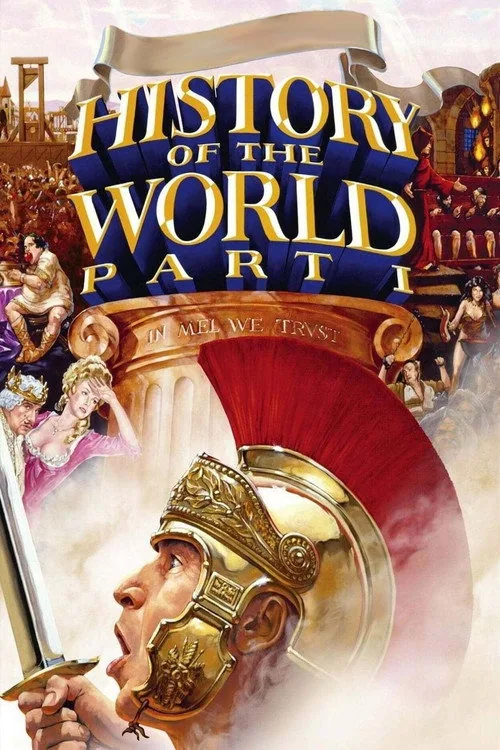
A sequence of comic episodes jumps across eras to parody the conventions and authority figures of historical epics.
Why this matches +
These offer a related experience with a meaningful difference in story, tone, or presentation.
An adjacent discovery: a related idea with a different viewing experience.
Genres: Comedy / Musical
Shared film traits
Based on recorded story, mood and style. Your preferences can change the order.
What changes Historical settings and famous events provide a framework for sketch-like anachronistic comedy; a wider sweep of history.
Mel Brooks's comedy sketches a deliberately absurd history through episodes set in the Stone Age, the Roman Empire, the Spanish Inquisition, and the French Revolution. A group of performers and recurring characters carry the viewer between musical numbers, historical parodies, and stage-like set pieces. The film treats famous events and epic-film conventions as material for jokes, using anachronism, broad physical humor, and satire of authority to make history feel like a revue rather than a continuous narrative.
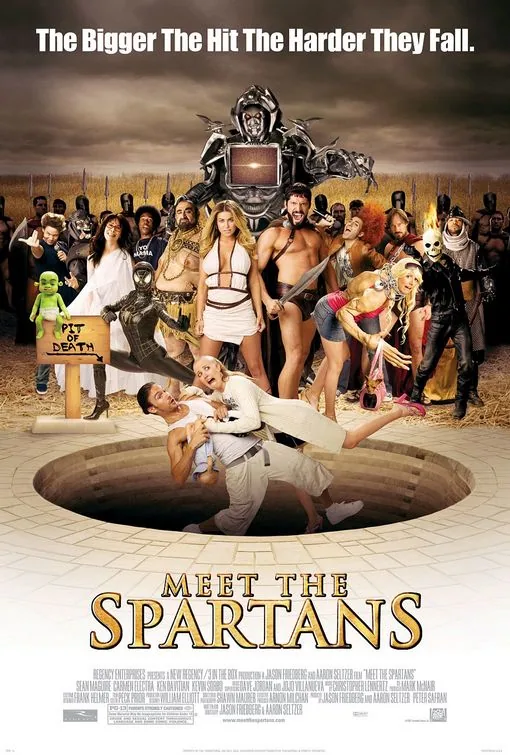
A spoof sends Spartan warriors into an exaggerated battle against a vast Persian force, while jokes and contemporary entertainment references interrupt the ancient setting. The movie is a chain of parodies, celebrity gags and broad visual humor rather than a sustained historical narrative. Its appeal rests on topical references and deliberate absurdity, placing ancient war in service of sketch comedy.
What drives the story
an invasion premise framing short parody scenes and visual jokes
The people at its centre
warriors as comic types colliding with media references. Their changing trust and obligations shape the choices each person can make.
What it feels like
rapid cuts linking crude gags and pop allusions. This creates the film’s distinctive rhythm, tone and sense of pressure.
Worth knowing
reference-driven spoof rather than serious Greek history. That distinction keeps comparisons focused on the story’s actual viewing experience.