Explore films connected to History of the World, Part I through authority and hypocrisy, history as entertainment, religion and power. Choose the qualities you want to carry into your next watch.
What should feel similar?
Find your next favourite
9 films · Closest overall matches
Hide films you’ve seen or don’t want. Saved on this device.
No matches for this combination yet.
Try another option or reset your choices to see more films.
Based on recorded story, mood and style. Your preferences can change the order.
Music and performance
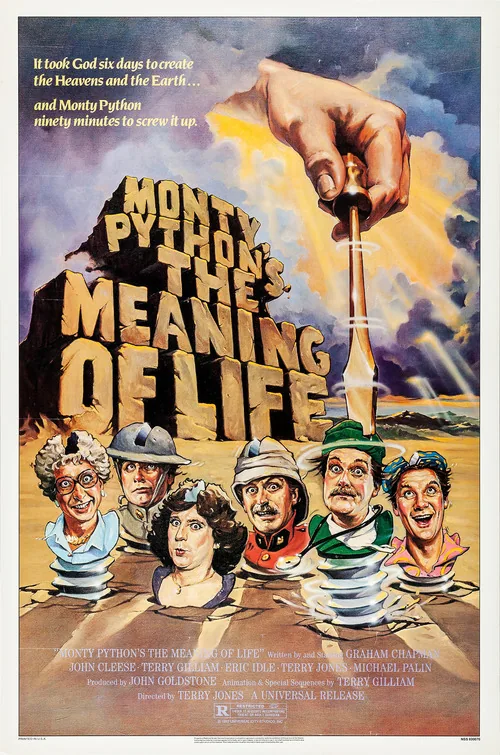
What changes History of the World, Part I: episodic revue, rapid sketch transitions and varied comic set pieces. Monty Python's The Meaning of Life: fragmented and sketch-based.
A sequence of comic episodes follows human life from birth through childhood, adulthood, bodily appetites, conflict, and death, using songs, animation, and deliberately excessive sketches to mock institutions and social habits. Rather than tracking one protagonist, the film shifts freely between characters and settings, making its loose structure part of the joke as it treats life's grand explanations as material for irreverent comic examination.
Based on recorded story, mood and style. Your preferences can change the order.
Music and performance
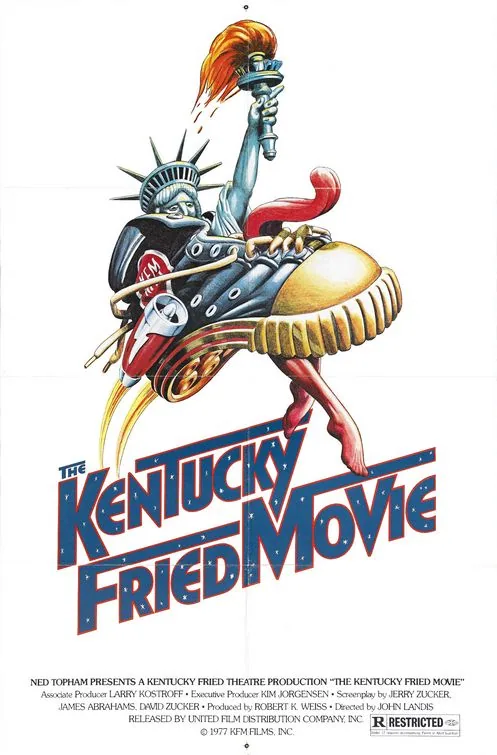
What changes History of the World, Part I: episodic revue, rapid sketch transitions and varied comic set pieces. The Kentucky Fried Movie: fragmented, fast and abrupt.
An irreverent anthology strings together short sketches that parody television news, advertisements, courtroom thrillers, martial arts films, disaster movies and other screen formats. The pieces jump from one comic premise to another, sometimes interrupting themselves with fake promotions or deliberately cheap effects. Directed by John Landis and written by Jim Abrahams and the Zucker brothers, the film treats television and movie conventions as raw material for a fast barrage of spoof.
Based on recorded story, mood and style. Your preferences can change the order.
Music and performance
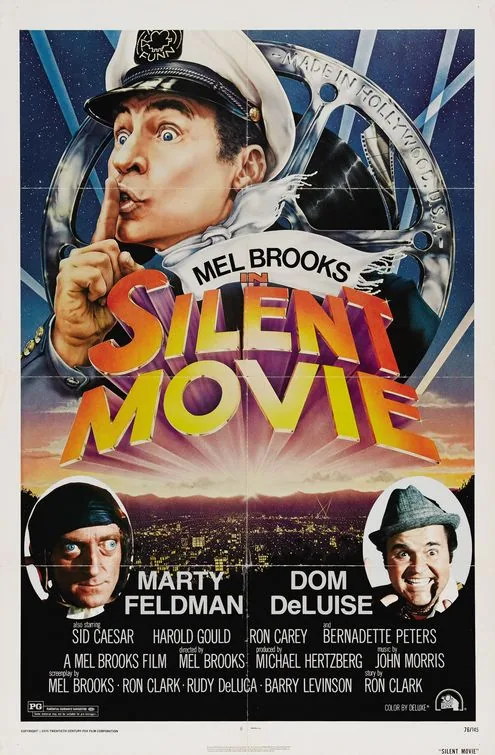
What changes History of the World, Part I: episodic revue, rapid sketch transitions and varied comic set pieces. Silent Movie: rapid, sketchlike and escalating.
Mel Funn, a once-successful director recovering from alcoholism, proposes an all-silent feature to save a studio from a hostile corporate takeover. With his associates Marty and Dom, he tries to recruit major stars while adapting to a sound-era world that no longer expects silent comedy. A parade of celebrity appearances, visual gags and production mishaps becomes the film's argument for physical comedy, capped by an unexpected cameo with a single spoken word.
Based on recorded story, mood and style. Your preferences can change the order.
Music and performance
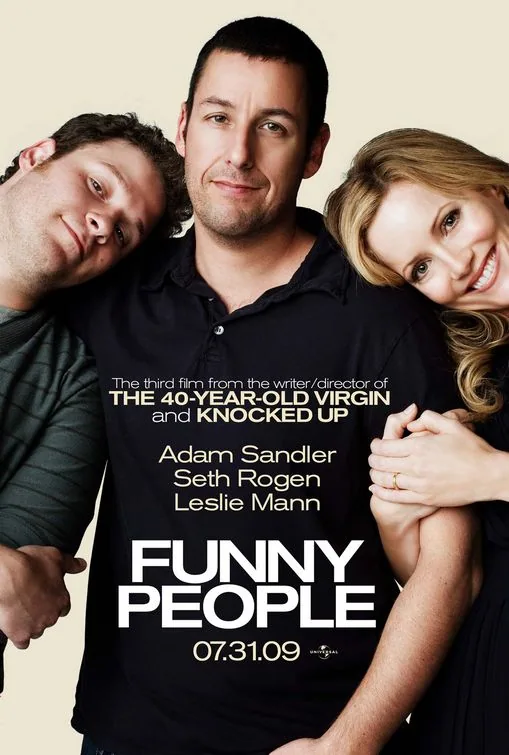
What changes History of the World, Part I: episodic revue, rapid sketch transitions and varied comic set pieces. Funny People: gradual and character-led.
A successful comedian learns that he has a serious illness and hires a younger performer to help write jokes, creating an unlikely working friendship. As treatment changes his outlook, he revisits former relationships and considers what success has cost him. The drama-comedy links performance to mortality, showing how the ability to make an audience laugh can coexist with loneliness and the need to repair personal connections.
Based on recorded story, mood and style. Your preferences can change the order.
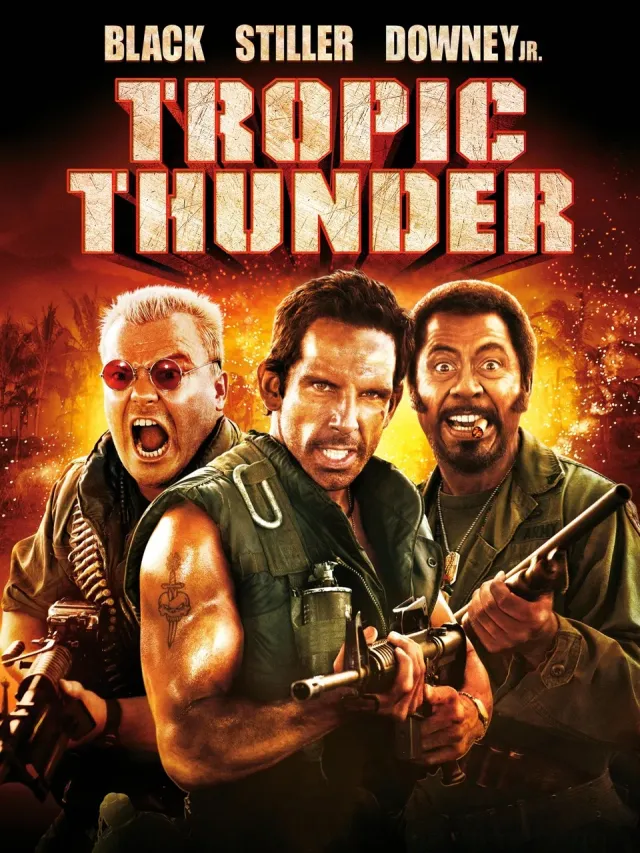
What changes History of the World, Part I: episodic revue, rapid sketch transitions and varied comic set pieces. Tropic Thunder: parody setup and escalating action.
A studio launches an expensive Vietnam War film starring an action celebrity, a method actor and a comedian, but mounting production problems leave the director desperate to recover the shoot. A veteran author suggests abandoning the actors in the jungle with hidden cameras, believing real danger will improve their performances. The cast assumes they are still acting when the production collapses and they encounter armed drug traffickers. Their rehearsal personas and movie-star egos become liabilities, but their familiarity with war-film conventions also helps them improvise. The film satirizes Hollywood’s self-importance and the machinery of producing serious war images, while deliberately using the same action grammar it mocks. Its jokes can be provocative, and some performance choices merit context rather than a blanket claim that satire resolves their implications.
Based on recorded story, mood and style. Your preferences can change the order.
Music and performance
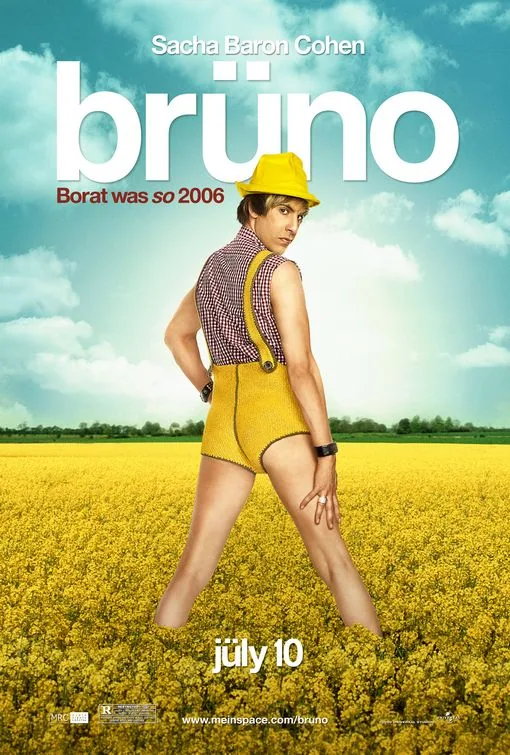
What changes History of the World, Part I: episodic revue, rapid sketch transitions and varied comic set pieces. Brüno: episodic and improvised.
A flamboyant Austrian fashion reporter travels to the United States seeking celebrity and attention, staging encounters that expose the prejudices and social performance he meets. The mockumentary uses provocation and awkward improvisation to challenge its subjects while also relying on the comic persona’s excess. Its satire asks who is being observed and what a performance can reveal about an audience.
Based on recorded story, mood and style. Your preferences can change the order.
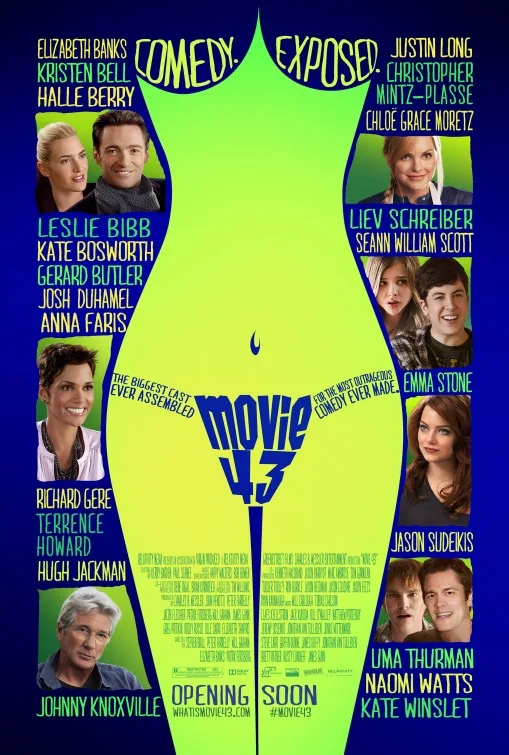
What changes History of the World, Part I: episodic revue, rapid sketch transitions and varied comic set pieces. Movie 43: fragmented and sketch-based.
A struggling screenwriter pitches a collection of deliberately outrageous short-film ideas, and the movie moves through those sketches rather than following one continuous plot. Well-known actors appear in disconnected comic scenarios built around embarrassment, absurd reversals and taboo jokes. The anthology form makes surprise the organizing principle, while its intentionally crude humor varies sharply from segment to segment. It is a fit for viewers who want loose, confrontational sketch comedy rather than narrative momentum.
Based on recorded story, mood and style. Your preferences can change the order.
Music and performance
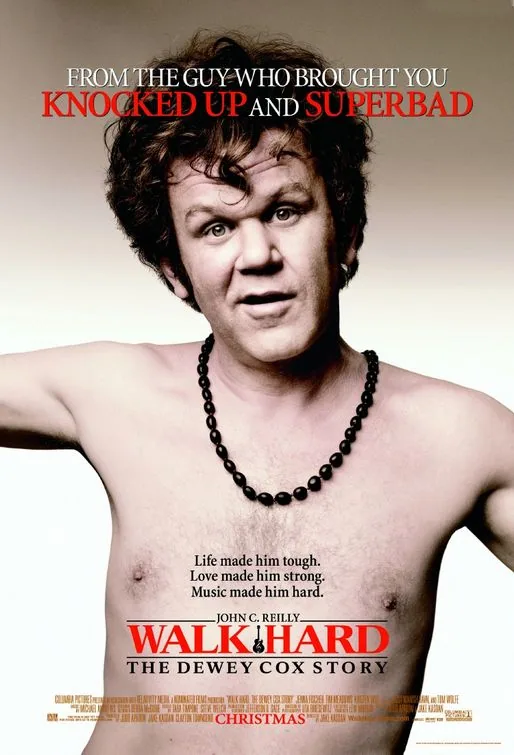
What changes History of the World, Part I: episodic revue, rapid sketch transitions and varied comic set pieces. Walk Hard: The Dewey Cox Story: conversational and episodic.
A fictional musician’s life is presented through dramatic losses, reinventions and musical breakthroughs that parody familiar biopic formulas. As Dewey moves through changing musical eras, the film repeatedly exposes the staged simplicity of the stories fame tells about artists. Its satire works by exaggerating the genre’s emotional shortcuts while still giving songs room to function as comic performances. Period pastiche and abrupt musical numbers make the film’s formal changes part of the joke.
Based on recorded story, mood and style. Your preferences can change the order.
Political resistance
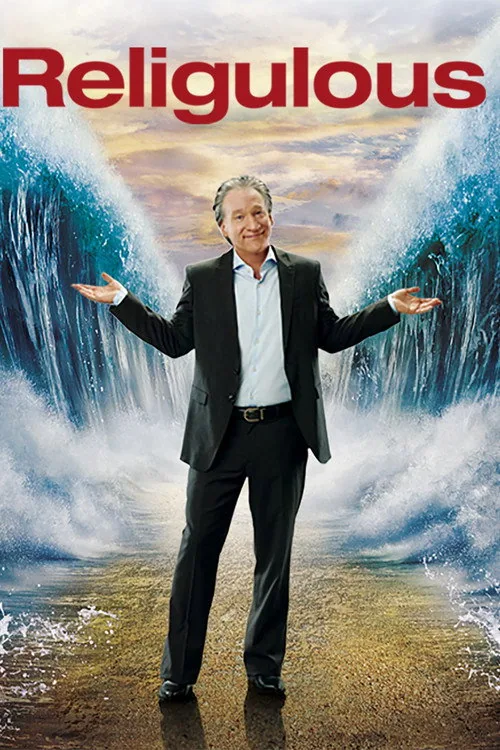
What changes History of the World, Part I: episodic revue, rapid sketch transitions and varied comic set pieces. Religulous: interview-based, topic-driven segments and comic confrontations.
Comedian Bill Maher travels to religious sites and communities around the world, speaking with believers, clergy, and skeptics about faith and religious institutions. The interviews range from Christianity and Judaism to Islam and other traditions, often using irony to challenge claims about doctrine, history, and certainty. Larry Charles's documentary is openly polemical: it invites disagreement as part of its form and approaches religion through satire rather than detached observational reporting.
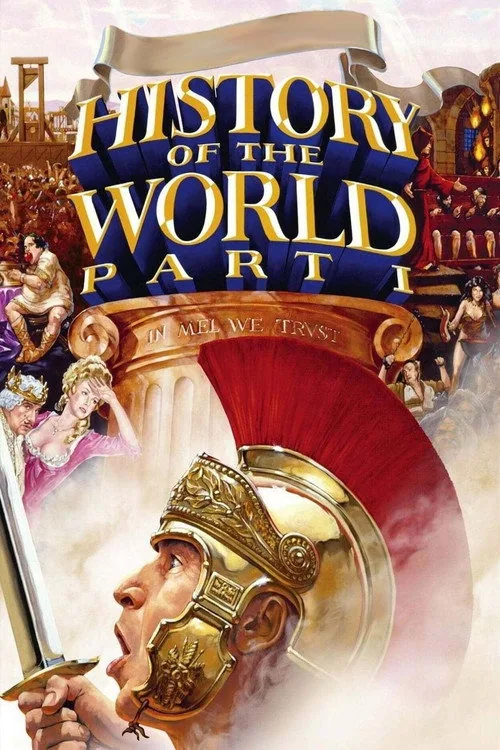
Mel Brooks's comedy sketches a deliberately absurd history through episodes set in the Stone Age, the Roman Empire, the Spanish Inquisition, and the French Revolution. A group of performers and recurring characters carry the viewer between musical numbers, historical parodies, and stage-like set pieces. The film treats famous events and epic-film conventions as material for jokes, using anachronism, broad physical humor, and satire of authority to make history feel like a revue rather than a continuous narrative.
What drives the story
A sequence of comic episodes jumps across eras to parody the conventions and authority figures of historical epics.
The people at its centre
Brooks and his ensemble shift among rulers, commoners, and performers as each sketch builds a different comic target.
What it feels like
A musical sketch revue favors broad satire, rapid historical jumps, and quotable performance set pieces.
Worth knowing
Its title promises a comic survey, but the film is an episodic parody rather than a continuous history lesson.
authority and hypocrisyhistory as entertainmentreligion and power