A chain of sketches and interruptions turns familiar screen formats into targets for rapid-fire parody.
Why this matches +
Selected for the central appeal: Irreverent sketches and songs satirize human life, institutions and mortality in an intentionally loose comic structure.
Genres: Comedy / Parody
Shared film traits
Based on recorded story, mood and style. Your preferences can change the order.
Music and performance
What changes A sequence of unrelated sketches mocks media and social conventions through irreverent humor; American rather than British comedy.
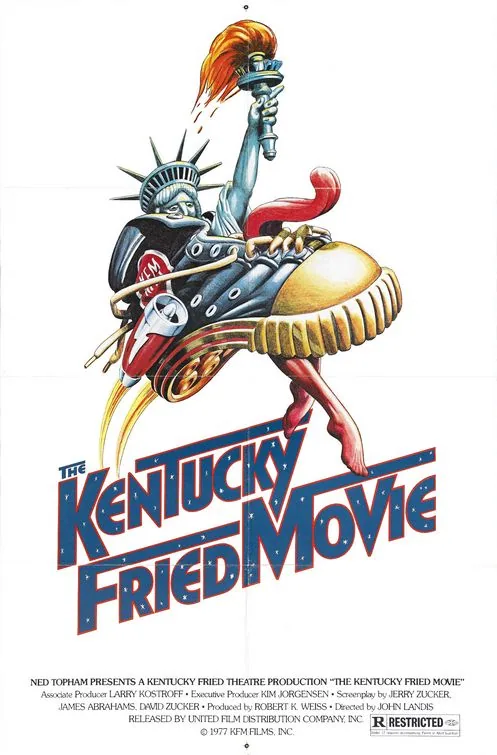
An irreverent anthology strings together short sketches that parody television news, advertisements, courtroom thrillers, martial arts films, disaster movies and other screen formats. The pieces jump from one comic premise to another, sometimes interrupting themselves with fake promotions or deliberately cheap effects. Directed by John Landis and written by Jim Abrahams and the Zucker brothers, the film treats television and movie conventions as raw material for a fast barrage of spoof.
A sequence of comic episodes jumps across eras to parody the conventions and authority figures of historical epics.
Why this matches +
Selected for the central appeal: Irreverent sketches and songs satirize human life, institutions and mortality in an intentionally loose comic structure.
Genres: Comedy / Musical
Shared film traits
Based on recorded story, mood and style. Your preferences can change the order.
Music and performance
What changes Comic episodes and musical spectacle parody broad historical and social institutions; more explicitly organized around history.
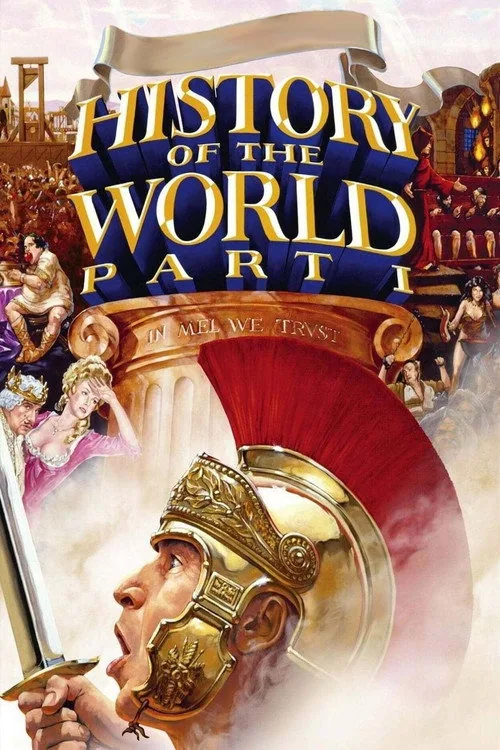
Mel Brooks's comedy sketches a deliberately absurd history through episodes set in the Stone Age, the Roman Empire, the Spanish Inquisition, and the French Revolution. A group of performers and recurring characters carry the viewer between musical numbers, historical parodies, and stage-like set pieces. The film treats famous events and epic-film conventions as material for jokes, using anachronism, broad physical humor, and satire of authority to make history feel like a revue rather than a continuous narrative.
A producer's pitch connects a set of unrelated outrageous comic sketches.
Why this matches +
These offer a related experience with a meaningful difference in story, tone, or presentation.
An adjacent discovery: a related idea with a different viewing experience.
Genres: Comedy / Anthology
Shared film traits
Based on recorded story, mood and style. Your preferences can change the order.
What changes A succession of crude comic sketches uses excess and shock; less philosophical and more contemporary.
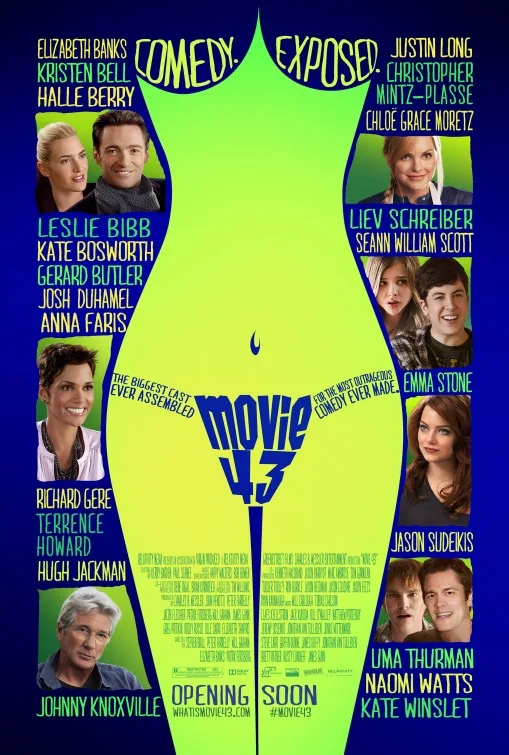
A struggling screenwriter pitches a collection of deliberately outrageous short-film ideas, and the movie moves through those sketches rather than following one continuous plot. Well-known actors appear in disconnected comic scenarios built around embarrassment, absurd reversals and taboo jokes. The anthology form makes surprise the organizing principle, while its intentionally crude humor varies sharply from segment to segment. It is a fit for viewers who want loose, confrontational sketch comedy rather than narrative momentum.
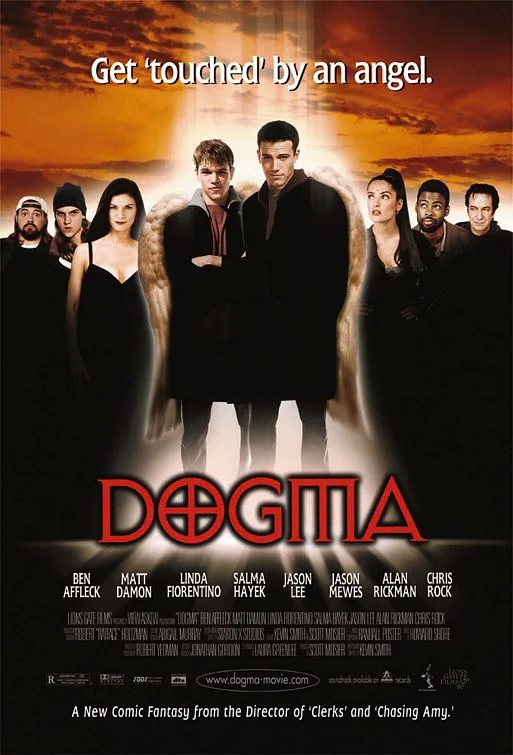
A promised religious exemption becomes a cosmic contradiction, requiring an uncertain believer to stop people whose personal claim to forgiveness threatens everyone else's continued existence.
Why this matches +
These offer a related experience with a meaningful difference in story, tone, or presentation.
An adjacent discovery: a related idea with a different viewing experience.
Genres: Comedy / Fantasy
Shared film traits
Based on recorded story, mood and style. Your preferences can change the order.
What changes Irreverent comedy challenges religious institutions and existential questions; a single fantasy narrative rather than sketches.
Two banished angels discover a church ceremony that appears to offer a route back to Heaven, but exploiting its promise would contradict the divine order on which existence depends. A woman struggling with her own faith is sent to prevent them, accompanied by unlikely helpers whose appearances challenge institutional expectations of holiness. Their journey makes doctrinal loopholes, personal resentment and the need for human connection parts of the same comic dispute over belief. Its premise makes religious loopholes literal, but the comedy retains emotional seriousness about belief and exclusion.
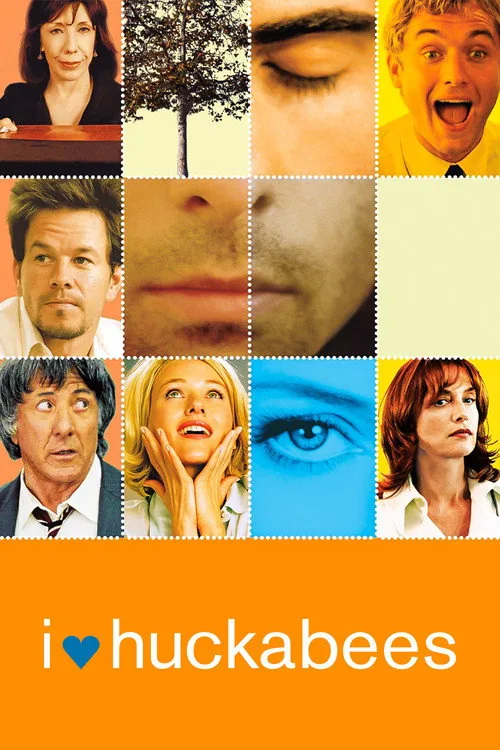
Albert's attempt to explain recurring coincidences brings competing philosophies into contact with his activism and social circle.
Why this matches +
These offer a related experience with a meaningful difference in story, tone, or presentation.
An adjacent discovery: a related idea with a different viewing experience.
Genres: Comedy / Drama
Shared film traits
Based on recorded story, mood and style. Your preferences can change the order.
What changes Absurd comedy examines the search for meaning and the contradictions of modern life; a connected existential story.
Environmental activist Albert Markovski hires a pair of existential detectives after a series of coincidences unsettles his sense of meaning. Their investigations draw in a corporate executive, his girlfriend, and another client, turning private anxieties into overlapping comic disputes about identity, connection, and the natural world. As the detectives' theories compete with a more cynical approach, Albert's search for a satisfying explanation becomes part of the film's joke. David O. Russell's ensemble comedy uses philosophical arguments as a springboard for chaotic, self-questioning character collisions.
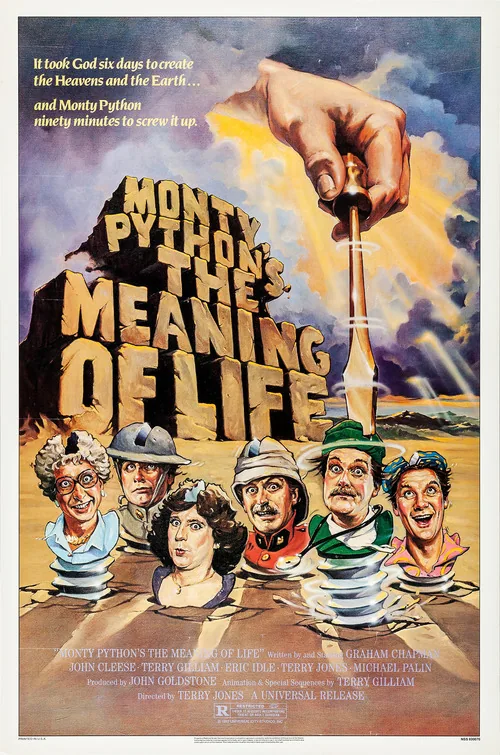
A sequence of comic episodes follows human life from birth through childhood, adulthood, bodily appetites, conflict, and death, using songs, animation, and deliberately excessive sketches to mock institutions and social habits. Rather than tracking one protagonist, the film shifts freely between characters and settings, making its loose structure part of the joke as it treats life's grand explanations as material for irreverent comic examination.
What drives the story
A series of sketches turns the human life cycle into a target for satire about institutions, appetite, and mortality.
The people at its centre
Recurring performers inhabit unrelated characters, so the film's continuity comes from its comic voice rather than a shared cast of protagonists.
What it feels like
Songs and visual surprises repeatedly break the sketch format, maintaining a deliberately unpredictable viewing rhythm.
Worth knowing
Its anthology construction is distinct from a narrative musical that develops one central relationship or goal.