Based on recorded story, mood and style. Your preferences can change the order.
Music and performance
What changes Silent Movie: rapid, sketchlike and escalating. Walk Hard: The Dewey Cox Story: conversational and episodic.
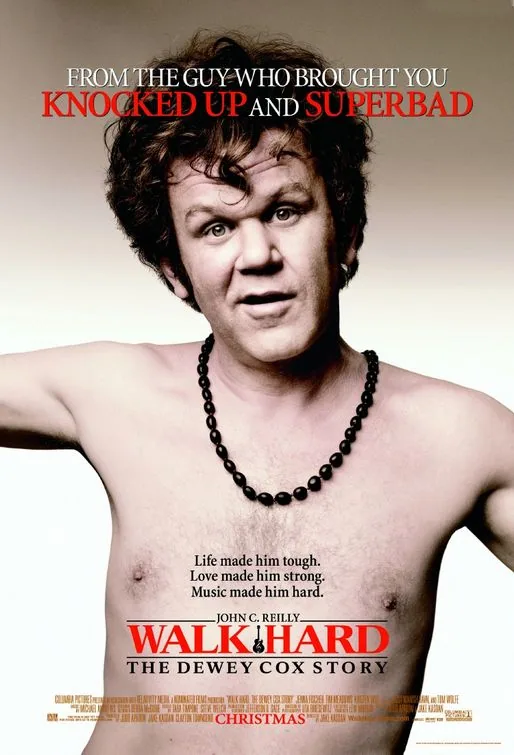
A fictional musician’s life is presented through dramatic losses, reinventions and musical breakthroughs that parody familiar biopic formulas. As Dewey moves through changing musical eras, the film repeatedly exposes the staged simplicity of the stories fame tells about artists. Its satire works by exaggerating the genre’s emotional shortcuts while still giving songs room to function as comic performances. Period pastiche and abrupt musical numbers make the film’s formal changes part of the joke.
Based on recorded story, mood and style. Your preferences can change the order.
Music and performance
What changes Silent Movie: rapid, sketchlike and escalating. My Favorite Year: one-day build and backstage farce.
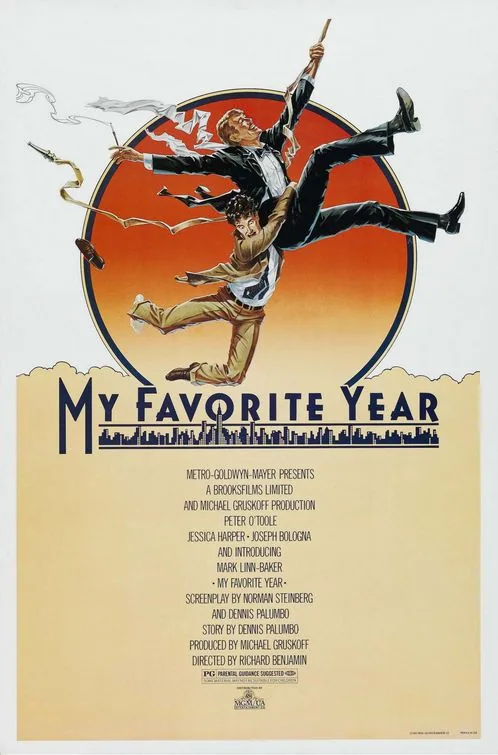
A young writer at a live television comedy program is assigned to escort a celebrated but unreliable movie star through New York before a broadcast. The star's appetite for drink and distraction threatens the episode, while the writer discovers a more complicated person beneath the public image. The comedy draws on backstage chaos and a mentor-like connection between a novice and a performer.
Based on recorded story, mood and style. Your preferences can change the order.
Music and performance
What changes Silent Movie: rapid, sketchlike and escalating. Singin' in the Rain: steady.
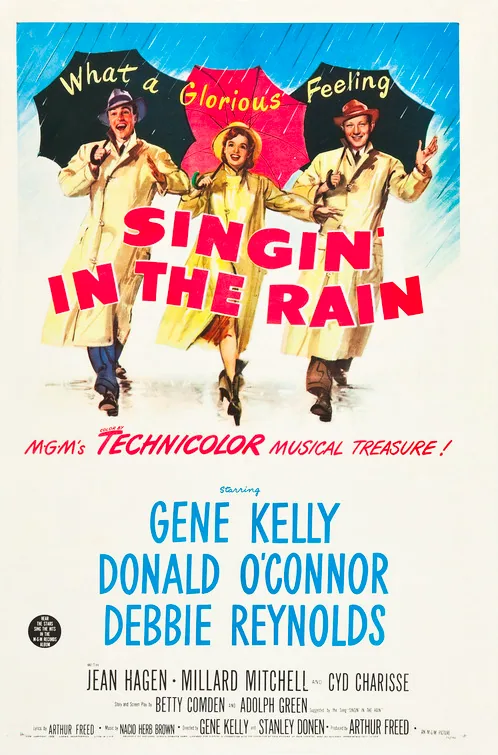
A silent-film star faces an industry transition when sound threatens to expose the limitations of his established screen partnership. A young performer with a stronger voice helps transform a troubled production into a musical, while studio publicity tries to preserve the illusion that the existing leading lady supplies everything audiences hear. Romance and professional recognition become entangled with the hidden labour making cinematic glamour possible.
Based on recorded story, mood and style. Your preferences can change the order.
Music and performance
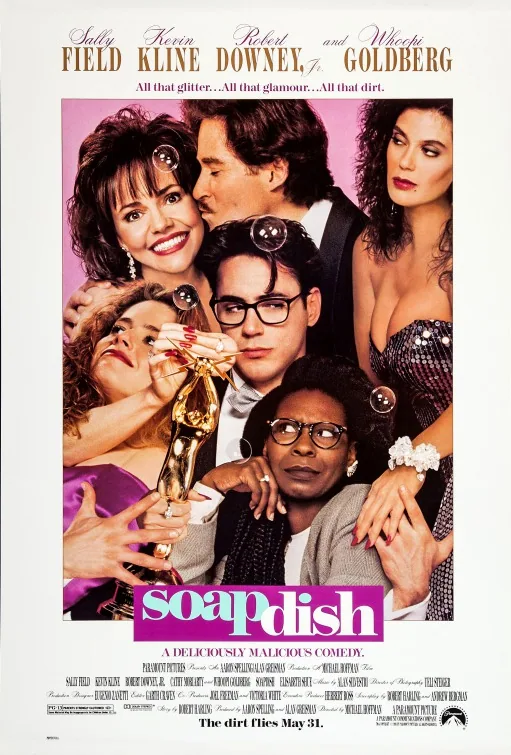
What changes Silent Movie: rapid, sketchlike and escalating. Soapdish: rapid reversals and ensemble farce.
A long-running daytime serial becomes the setting for real backstage rivalries when its leading actress, a dismissed star and an ambitious producer collide. The performers' private loyalties and the show's increasingly extravagant plots begin to mirror one another. The comedy invites viewers to enjoy theatrical excess while tracking how attention, jealousy and career insecurity shape the people creating melodrama for a living.
Based on recorded story, mood and style. Your preferences can change the order.
Music and performance
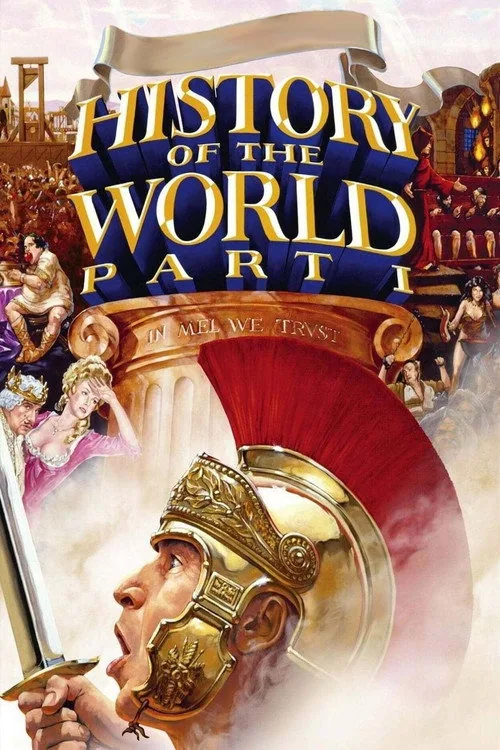
What changes Silent Movie: rapid, sketchlike and escalating. History of the World, Part I: episodic revue, rapid sketch transitions and varied comic set pieces.
Mel Brooks's comedy sketches a deliberately absurd history through episodes set in the Stone Age, the Roman Empire, the Spanish Inquisition, and the French Revolution. A group of performers and recurring characters carry the viewer between musical numbers, historical parodies, and stage-like set pieces. The film treats famous events and epic-film conventions as material for jokes, using anachronism, broad physical humor, and satire of authority to make history feel like a revue rather than a continuous narrative.
Based on recorded story, mood and style. Your preferences can change the order.
Music and performance
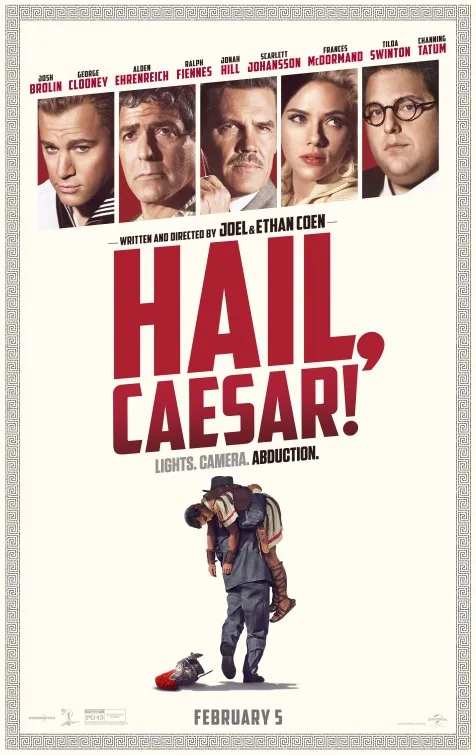
What changes Silent Movie: rapid, sketchlike and escalating. Hail, Caesar!: episodic.
A studio fixer moves among productions, scandals and performers whose public images require constant maintenance. The kidnapping of a major star adds a ransom problem to a workday already filled with miscasting, concealed pregnancy and aggressive gossip reporting. An alternative career offers escape from these recurring crises, yet the apparent disorder also reveals the collective labor behind popular illusion. The ensemble comedy treats movie-making as absurd, compromised work that can still command an unexpectedly sincere form of devotion.
Both share themes of creativity, plus an energetic and playful atmosphere.
Why this matches +
Genres: Comedy / Family
Shared film traits
Based on recorded story, mood and style. Your preferences can change the order.
Expect playful and humorous, with fast and escalating pacing.
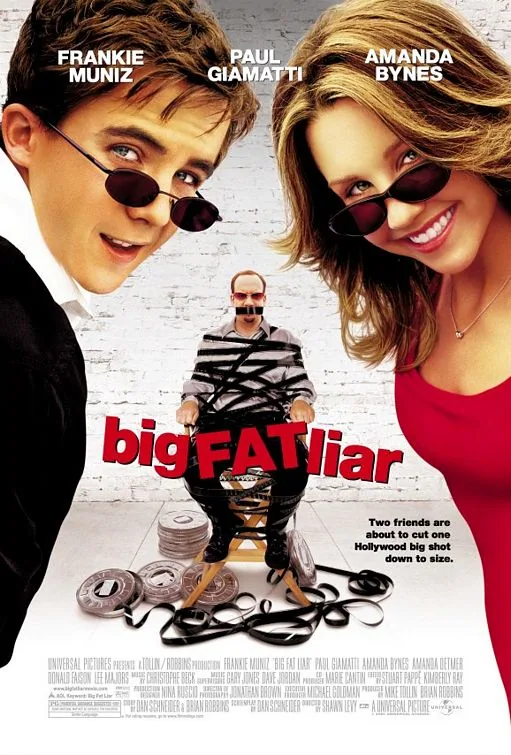
A teenager whose reputation for tall tales makes him hard to believe writes a truthful account that a Hollywood producer dismisses, then turns into a hit film. Jason and his friend Kaylee travel to Los Angeles to prove that the story was stolen, using increasingly public pranks to make the producer answer for it. The comedy links credibility with creative ownership: Jason must expose a liar without letting his own habit of exaggeration discredit the truth. Its quick reversals and oversized gags make the Hollywood setting feel like a child’s comic arena.
Based on recorded story, mood and style. Your preferences can change the order.
What changes Silent Movie: rapid, sketchlike and escalating. Jackass 3D: rapid-fire and segmented.
Johnny Knoxville and the Jackass crew turn stunts, public pranks and physical challenges into a sequence of filmed set pieces. The movie relies on the performers’ willingness to expose themselves to pain and embarrassment, with the camera making impacts and reactions part of the joke. Its loose structure favors escalation, surprise and familiar group chemistry over a continuous story.
Based on recorded story, mood and style. Your preferences can change the order.
Music and performance
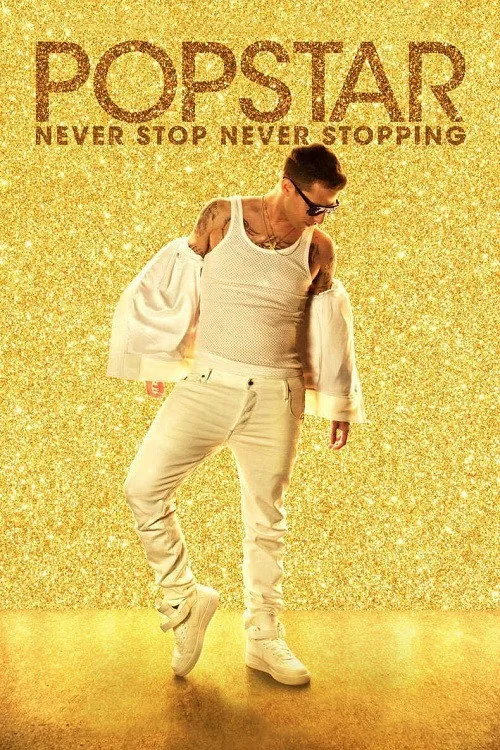
What changes Silent Movie: rapid, sketchlike and escalating. Popstar: Never Stop Never Stopping: song and sketch rhythm, fast comedy scenes and mockumentary escalation.
After leaving his boy-band group to pursue a solo career, pop star Conner4Real becomes a celebrity whose confidence and entourage grow alongside his fame. When his second album fails and public interest fades, a documentary crew records his attempts to recover his standing and reconnect with his former bandmates. The Lonely Island’s mockumentary satirizes celebrity branding, music documentaries, and the spectacle around pop stars, while using original songs and cameos as part of the comedy.
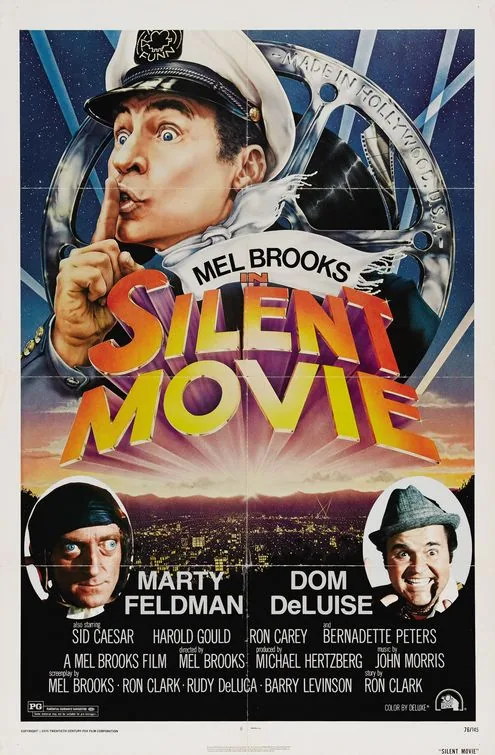
Mel Funn, a once-successful director recovering from alcoholism, proposes an all-silent feature to save a studio from a hostile corporate takeover. With his associates Marty and Dom, he tries to recruit major stars while adapting to a sound-era world that no longer expects silent comedy. A parade of celebrity appearances, visual gags and production mishaps becomes the film's argument for physical comedy, capped by an unexpected cameo with a single spoken word.
What drives the story
Mel's attempt to make a silent feature becomes a race to enlist stars before corporate forces take over the studio.
The people at its centre
Mel and his partners combine recovering ambition with visual improvisation, while each celebrity guest turns recruitment into a comic performance.
What it feels like
The film relies on gestures, signs, timing and sight gags, treating the absence of dialogue as a source of comic invention.
Worth knowing
It is not an archival silent film; it is a modern spoof that uses classic visual comedy to parody Hollywood.