A romantic rejection initiates an outsider's legal education, then an entrusted alibi and workplace coercion transform admission-seeking into independent professional judgment.
Why this matches +
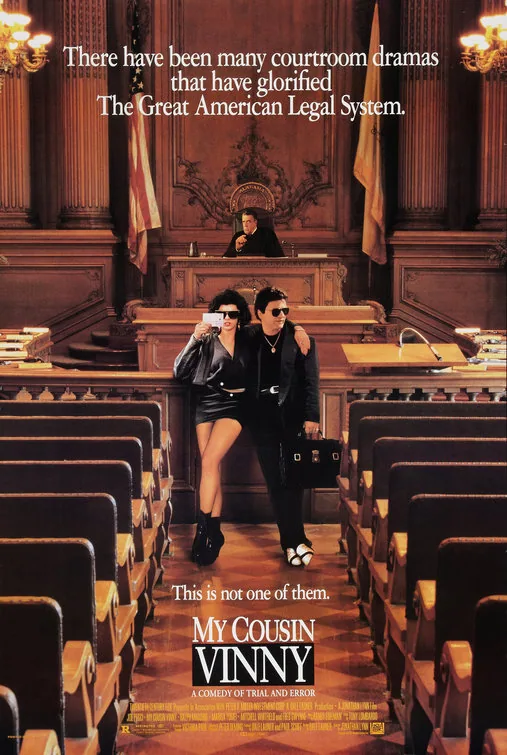
Selected for the central appeal: An inexperienced New York lawyer uses unconventional instincts to defend two young relatives in a skeptical Alabama courtroom.
Genres: Comedy
Shared film traits
Based on recorded story, mood and style. Your preferences can change the order.
Investigation
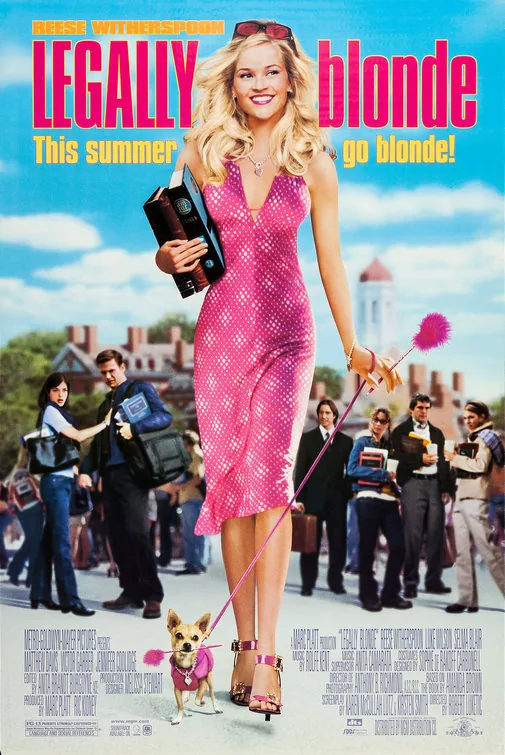
What changes An underestimated outsider learns courtroom procedure and uses unexpected knowledge to defend a client; a Harvard law student and a different case.
A woman dismissed by her boyfriend as unsuitable for his professional future gains entry to the law school he believes will prove the difference between them. Initial attempts to recover his approval meet classmates' assumptions about appearance, but study and a client's confidence redirect the purpose of her effort. A powerful mentor's harassment tests whether success requires abandoning the self others underestimate. The comedy turns social knowledge and loyalty into forms of legal perception, making professional growth compatible with relationships and tastes treated as disqualifying.
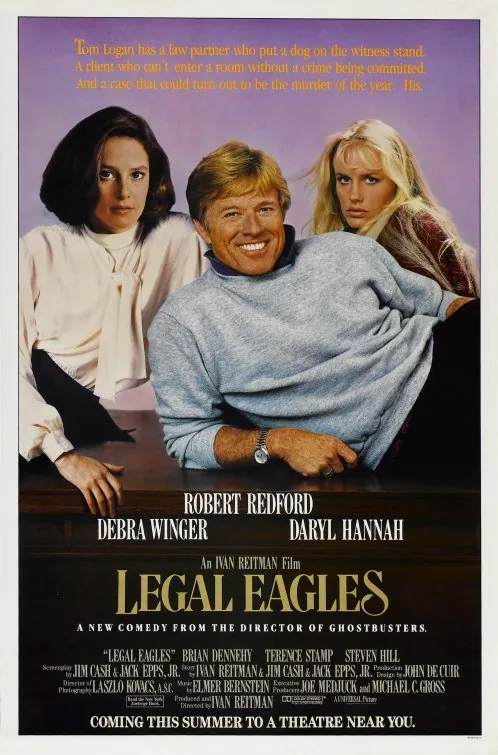
New York lawyers clash over an art-theft prosecution whose evidence keeps changing meaning.
Why this matches +
These offer a related experience with a meaningful difference in story, tone, or presentation.
An adjacent discovery: a related idea with a different viewing experience.
Genres: Comedy / Crime
Shared film traits
Based on recorded story, mood and style. Your preferences can change the order.
Investigation
What changes Lawyers work through a criminal case with romantic banter and comic mishaps; experienced professionals rather than a first-time defense attorney.
Assistant district attorney Tom Logan is asked to prosecute an artist accused of theft, but defense lawyer Laura Kelly complicates the case by insisting that the evidence has another explanation. Their professional friction deepens as new information links the accused woman to a larger art-world dispute. The film mixes courtroom maneuvering, a romantic triangle and a light mystery, letting personal attraction repeatedly intrude on legal judgment.
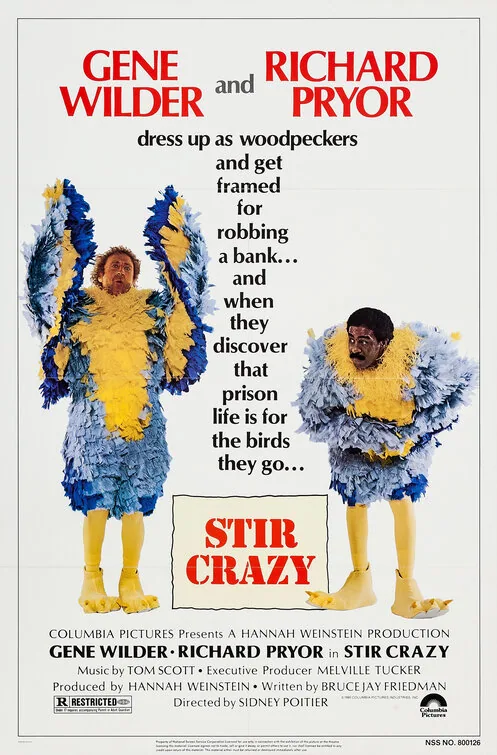
Two unemployed friends must preserve their partnership and find a way through an unfair conviction in a prison built for comic escalation.
Why this matches +
These offer a related experience with a meaningful difference in story, tone, or presentation.
An adjacent discovery: a related idea with a different viewing experience.
Genres: Comedy / Crime
Shared film traits
Based on recorded story, mood and style. Your preferences can change the order.
What changes Two friends become trapped by a wrongful criminal conviction and an unfamiliar justice system; prison farce rather than courtroom defense.
After losing their jobs, friends Skip Donahue and Harry Monroe head west hoping to make something of themselves. A costume gig at a bank opening goes wrong when robbers use the same disguises, and the pair are convicted and sent to prison. Their efforts to stay sane, earn respect and get a fair chance become an escalating chain of comic encounters with the institution around them.
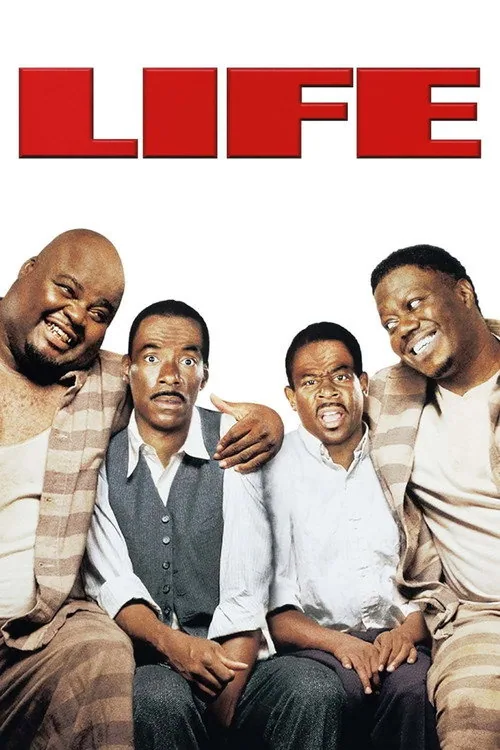
A petty theft draws Ray and Claude into a wrongful murder conviction that keeps them in prison for decades.
Why this matches +
These offer a related experience with a meaningful difference in story, tone, or presentation.
An adjacent discovery: a related idea with a different viewing experience.
Genres: Comedy / Drama
Shared film traits
Based on recorded story, mood and style. Your preferences can change the order.
What changes Wrongfully convicted men navigate a hostile justice system through friendship and humor; a longer and more bittersweet prison story.
In 1930s New York, quick-talking small-time crook Ray Gibson and cautious bank clerk Claude Banks are framed for a murder they did not commit. Both men receive life sentences in a Mississippi prison camp, where they endure decades of hard labor and find humor, friendship, and a way to survive the injustice. The film is told through an elderly prisoner's memories and blends a buddy comedy with a long view of Black life under a racist criminal system.
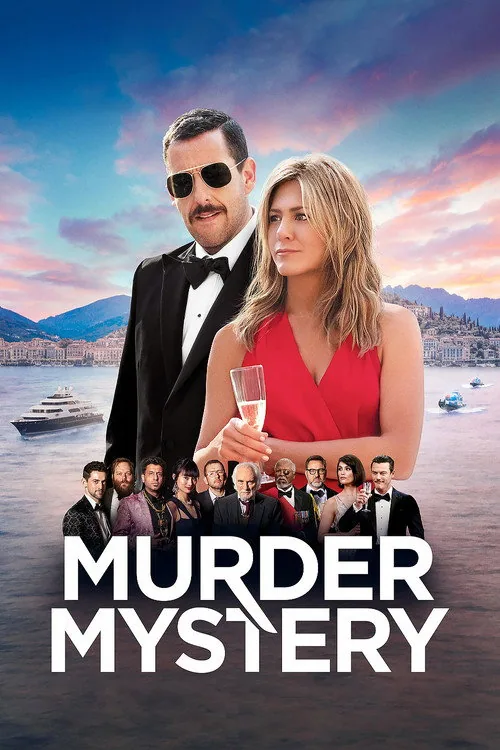
A holiday invitation turns into a murder case, leaving Nick and Audrey to solve it while clearing their own names.
Why this matches +
These offer a related experience with a meaningful difference in story, tone, or presentation.
An adjacent discovery: a related idea with a different viewing experience.
Genres: Comedy / Mystery
Shared film traits
Based on recorded story, mood and style. Your preferences can change the order.
Investigation
What changes Amateur investigators work to clear their names in a crime mystery; a vacationing couple rather than a lawyer in court.
After Audrey challenges her husband Nick to honor a long-promised European trip, the couple meet a billionaire who invites them onto his family yacht. A murder turns the vacation into a private investigation, and the spouses become both amateur detectives and suspects. The comedy mystery uses their mismatched assumptions and Nick’s police experience to move through a parade of wealthy relatives, red herrings, and travel set pieces.
Two young men accused of murder in rural Alabama call for help from one of their cousins, a New York lawyer who has never tried a case. Vinny arrives with his fiancée Mona Lisa and an aggressive confidence that clashes with local expectations and courtroom procedure. As witnesses and evidence mount, his streetwise instincts slowly become useful, but he must learn how to present them convincingly to a skeptical judge and jury.
What drives the story
An inexperienced New York attorney tries to defend his cousins in an unfamiliar Alabama courtroom.
The people at its centre
Vinny's confidence frustrates Mona Lisa and the judge, while her practical knowledge helps him recognize what the case needs.
What it feels like
The comedy moves through hearings and witness examinations, using procedure as a source of reversals.
Worth knowing
Its legal humor depends on observation and evidence, not on a courtroom speech that solves everything at once.