Explore films connected to Life through friendship across time, injustice and endurance, humor as survival. Choose the qualities you want to carry into your next watch.
What should feel similar?
Find your next favourite
9 films · Closest overall matches
Hide films you’ve seen or don’t want. Saved on this device.
No matches for this combination yet.
Try another option or reset your choices to see more films.
Based on recorded story, mood and style. Your preferences can change the order.
What changes Life: episodic time jumps, comic prison routines and reflective framing story. Harlem Nights: ensemble and confrontation-driven.
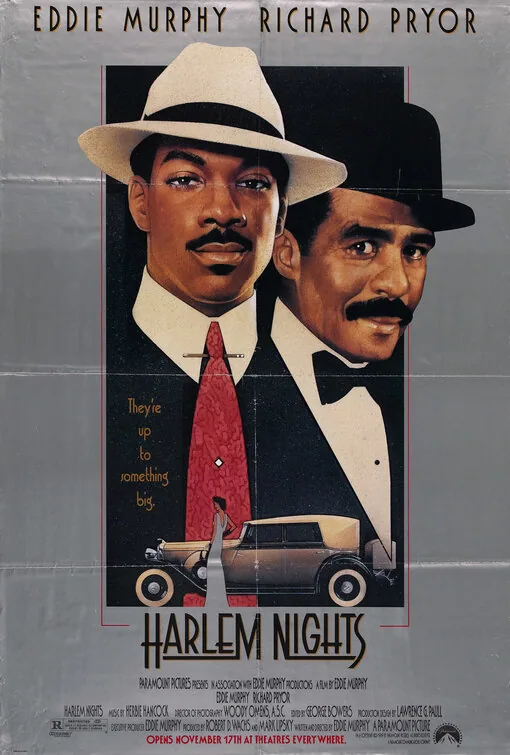
In 1930s Harlem, nightclub owner Sugar Ray and his son Quick try to keep their business alive against a rival gangster and corrupt police. Their club offers glamour and refuge, but every negotiation risks exposing the operation to people who want its profits. The film combines crime, family loyalty and broad comedy within a period underworld, with Eddie Murphy and Richard Pryor's partnership shaping its tone.
Based on recorded story, mood and style. Your preferences can change the order.
What changes Life: episodic time jumps, comic prison routines and reflective framing story. Public Enemies: fast, pursuit-driven and episodic.
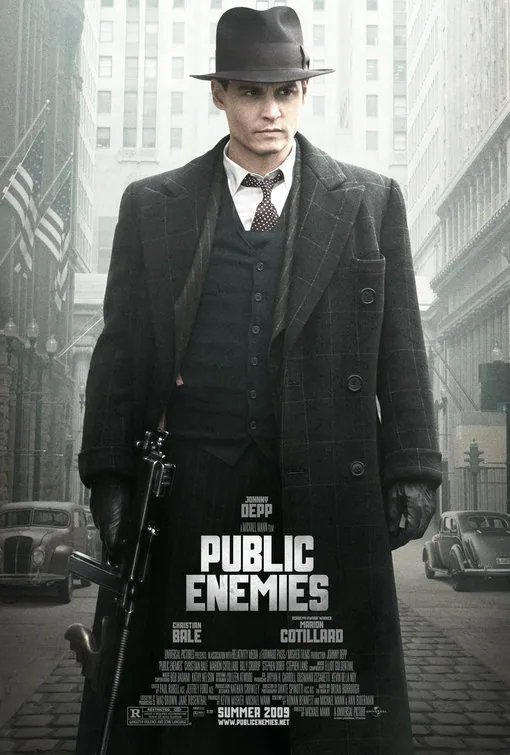
In 1933, bank robber John Dillinger breaks his crew out of Indiana State Prison and begins a run of high-profile robberies. FBI agent Melvin Purvis receives the assignment to capture him as J. Edgar Hoover pushes the bureau toward modern crime-fighting methods. Dillinger’s relationship with Billie Frechette develops amid the robberies, escapes and growing law-enforcement pressure, while Purvis’s pursuit becomes increasingly personal. The film follows the final stretch of Dillinger’s freedom through shifting safe houses, prison breaks and the government’s attempt to turn one outlaw into a public example. His career ends outside Chicago’s Biograph Theater.
Based on recorded story, mood and style. Your preferences can change the order.
Memory and identity
What changes Life: episodic time jumps, comic prison routines and reflective framing story. The Old Man & the Gun: roadside encounter and bank work, investigation interwoven with romance and final escape and personal choice.
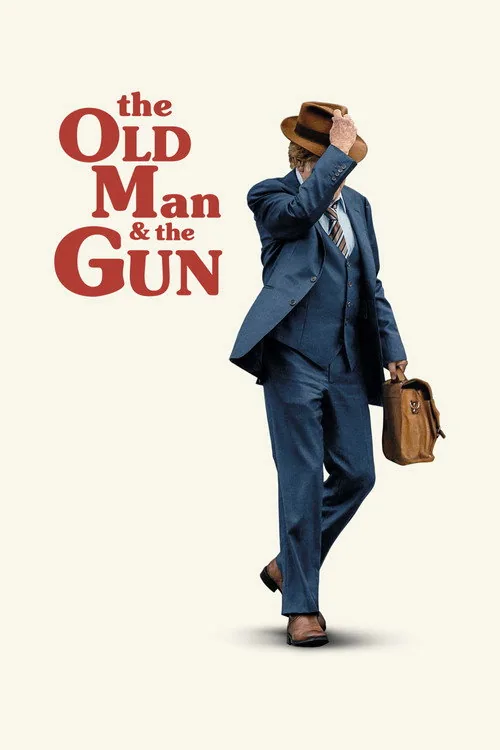
Forrest Tucker is an elderly bank robber whose charming manners help him evade police despite a long criminal history and a recent prison escape. After meeting rancher Jewel during one getaway, he develops a relationship while continuing a series of discreet heists with two older accomplices. Detective John Hunt becomes fascinated by the robber whose witnesses remember him as courteous rather than frightening. The film treats crime as a lifelong performance, balancing the pursuit with questions about family, aging, and whether Forrest knows how to stop.
Based on recorded story, mood and style. Your preferences can change the order.
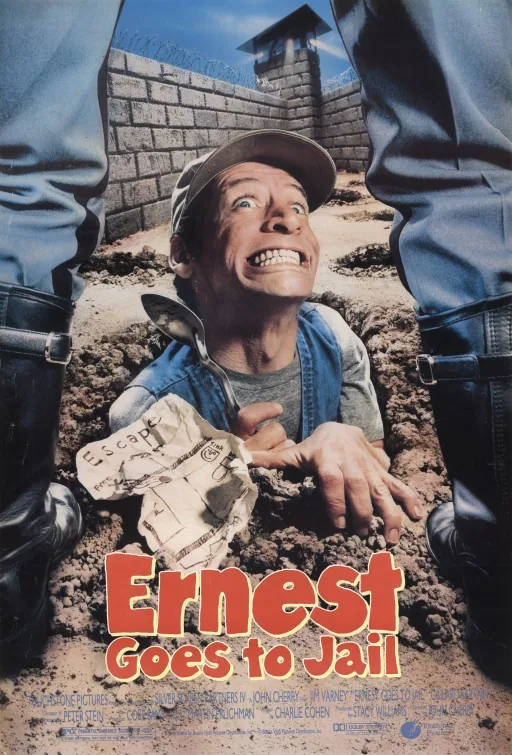
What changes Life: episodic time jumps, comic prison routines and reflective framing story. Ernest Goes to Jail: set-piece slapstick.
Bank janitor Ernest Worrell is called for jury duty on a case involving a criminal who looks remarkably like him. A scheme to exchange the two men leaves Ernest in prison and his double free to take his place at the bank. Ernest's cheerful clumsiness becomes a survival tool as he tries to expose the switch, using slapstick misunderstandings and a fanciful electrical twist to outwit the criminals.
Based on recorded story, mood and style. Your preferences can change the order.
Survival
What changes Life: episodic time jumps, comic prison routines and reflective framing story. Shot Caller: a sentence for a fatal mistake reshapes jacob into someone whose gang expects continued service..
After a fatal driving accident sends former stockbroker Jacob Harlon to prison, he learns that survival inside depends on alliances and carefully observed rules. He joins a white supremacist gang, adopts the name Money, and becomes a trusted enforcer, but the identity that protects him in prison also shapes the life he faces outside. Ric Roman Waugh’s crime thriller follows the years of that transformation and the violent choices that make release feel less like freedom than another test.
Based on recorded story, mood and style. Your preferences can change the order.
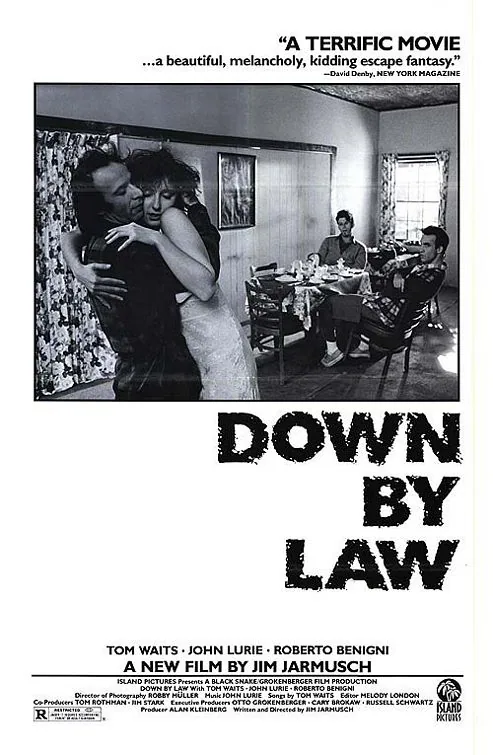
What changes Life: episodic time jumps, comic prison routines and reflective framing story. Down by Law: measured.
Two men framed in separate schemes share a Louisiana jail cell, where mutual irritation seems to offer no useful basis for companionship. An Italian immigrant's arrival introduces language mistakes, unexpected warmth and eventually a way out. Flight into the bayou replaces institutional confinement with aimless dependence, making the practical question of staying together compete with each man's impulse to recover independence before he knows where it would take him.
Based on recorded story, mood and style. Your preferences can change the order.
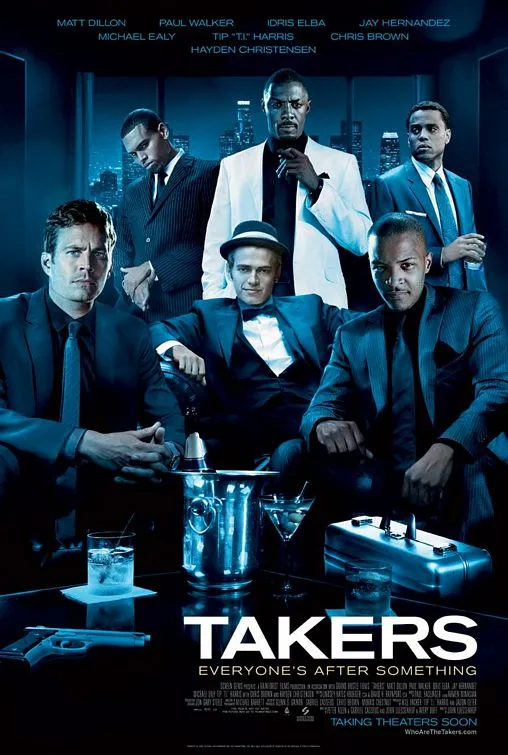
What changes Life: episodic time jumps, comic prison routines and reflective framing story. Takers: procedural build to action bursts.
A disciplined crew of bank robbers is approached by Ghost, a former member recently released from prison, with a proposal for a much larger score. Detectives Jack Welles and Eddie Hatcher close in as the crew weighs Ghost’s loyalty against the money and risk of the job. The crime thriller builds tension around preparation, timing and fractured trust, moving between police pursuit and the robbers’ competing obligations.
Based on recorded story, mood and style. Your preferences can change the order.
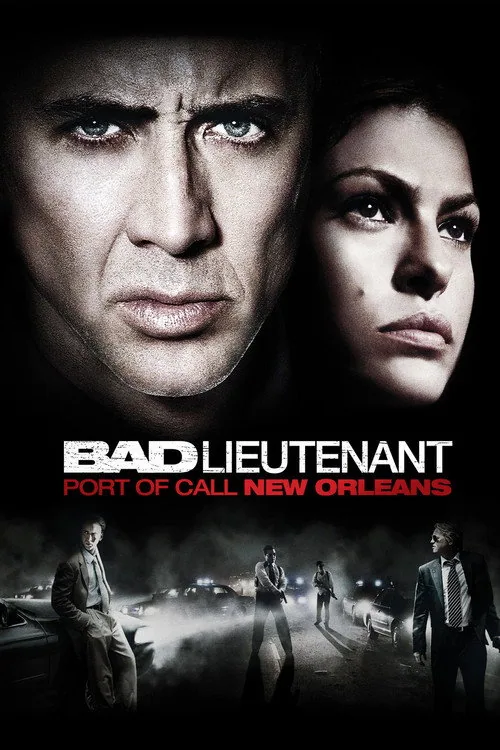
What changes Life: episodic time jumps, comic prison routines and reflective framing story. Bad Lieutenant: Port of Call New Orleans: episodic, unstable tonal shifts and crime-driven.
New Orleans police lieutenant Terence McDonagh receives a medal after rescuing a prisoner during Hurricane Katrina, but a back injury leads to dependence on painkillers and then wider substance abuse. Months later, he is assigned to investigate the murder of five Senegalese immigrants while juggling debts, compromised colleagues, and a volatile relationship. His authority allows him to bend rules and exploit people, yet the case forces choices about evidence and responsibility. Werner Herzog’s blackly comic crime drama follows an erratic officer whose judgment and moral limits keep shifting.
Based on recorded story, mood and style. Your preferences can change the order.
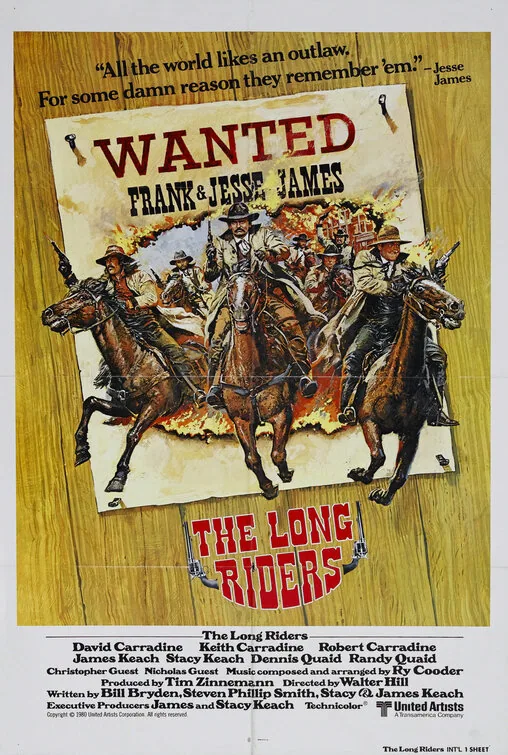
What changes Life: episodic time jumps, comic prison routines and reflective framing story. The Long Riders: measured and confrontation-driven.
The James-Younger gang's robberies and escapes are retold through a cast that includes real-life actor brothers playing historical outlaw brothers. The film emphasizes the group's family bonds, the violence of the frontier and the law's growing pressure, rather than treating the gang as uncomplicated folk heroes. Its deliberate western style makes the consequences of criminal life as visible as the attraction of rebellion.
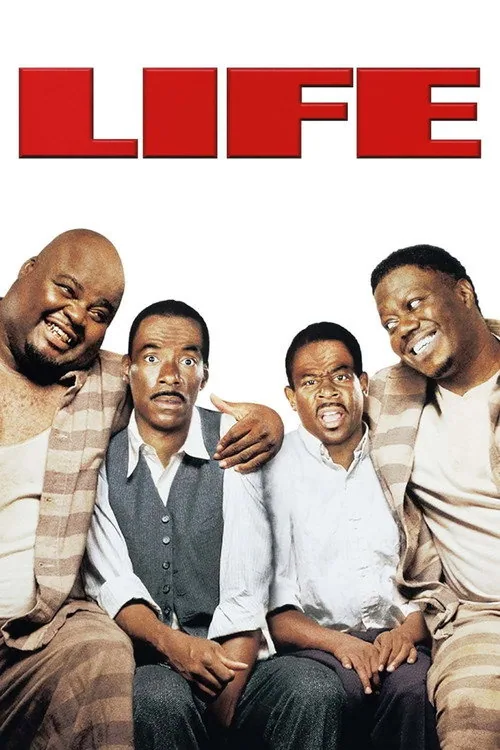
In 1930s New York, quick-talking small-time crook Ray Gibson and cautious bank clerk Claude Banks are framed for a murder they did not commit. Both men receive life sentences in a Mississippi prison camp, where they endure decades of hard labor and find humor, friendship, and a way to survive the injustice. The film is told through an elderly prisoner's memories and blends a buddy comedy with a long view of Black life under a racist criminal system.
What drives the story
A petty theft draws Ray and Claude into a wrongful murder conviction that keeps them in prison for decades.
The people at its centre
The opposites become inseparable friends, using teasing and mutual loyalty to endure a sentence that neither deserves.
What it feels like
A broad buddy comedy gains poignancy as its prison episodes span generations and are recalled by a surviving friend.
Worth knowing
It is a friendship saga across a wrongful life sentence, rather than a prison escape film or a courtroom procedural.
friendship across timeinjustice and endurancehumor as survival
Mood
warm · bittersweet · comic
Pacing
episodic time jumps · comic prison routines · reflective framing story