Explore films connected to The Old Man & the Gun through aging and chosen identity, freedom versus attachment, crime as performance. Choose the qualities you want to carry into your next watch.
What should feel similar?
Find your next favourite
9 films · Closest overall matches
Hide films you’ve seen or don’t want. Saved on this device.
No matches for this combination yet.
Try another option or reset your choices to see more films.
Based on recorded story, mood and style. Your preferences can change the order.
Criminal underworld · Memory and identity
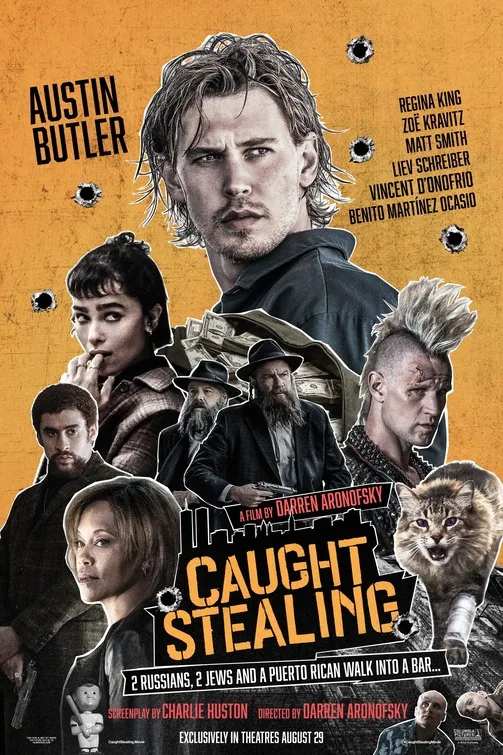
What changes The Old Man & the Gun: roadside encounter and bank work, investigation interwoven with romance and final escape and personal choice. Caught Stealing: a mistaken entanglement becomes a citywide criminal chase.
Hank Thompson, a former baseball prospect working as a bartender in 1990s New York, agrees to watch a neighbor’s cat and is pulled into a violent criminal dispute. Gangsters begin pursuing him for reasons he does not understand, and his attempt to discover the truth revives memories of a crash that ended his athletic career. The crime thriller combines a reluctant-survivor chase with a character study of failure and self-destructive escape.
Based on recorded story, mood and style. Your preferences can change the order.
Criminal underworld
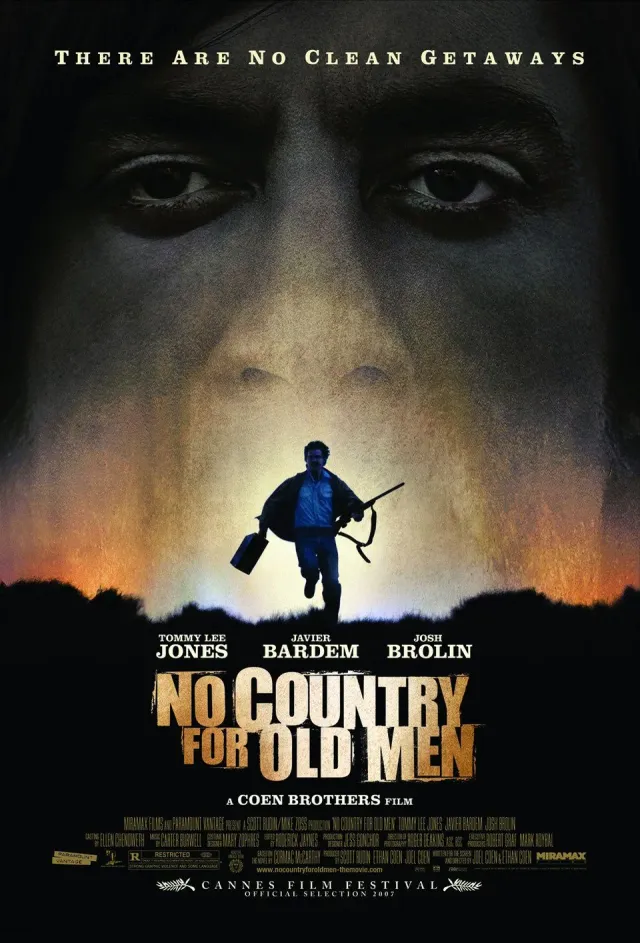
What changes The Old Man & the Gun: roadside encounter and bank work, investigation interwoven with romance and final escape and personal choice. No Country for Old Men: slow burn and intense.
A hunter discovers the aftermath of a failed drug deal and takes a case of money, drawing a relentless killer and other pursuers after him. An ageing sheriff follows the violence while questioning his ability to understand or contain it. Across motels, roads and sparsely populated towns, practical evasions unfold beside an increasingly troubling sense that experience and moral confidence provide little protection against chance and implacable force.
Based on recorded story, mood and style. Your preferences can change the order.
Criminal underworld
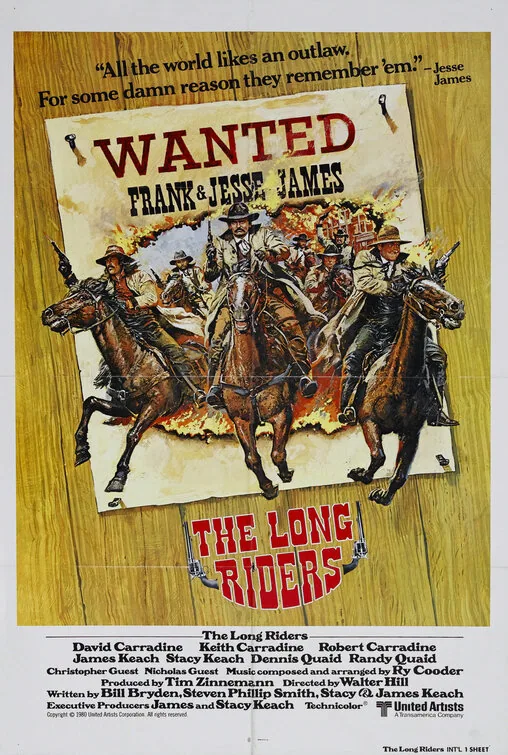
What changes The Old Man & the Gun: roadside encounter and bank work, investigation interwoven with romance and final escape and personal choice. The Long Riders: measured and confrontation-driven.
The James-Younger gang's robberies and escapes are retold through a cast that includes real-life actor brothers playing historical outlaw brothers. The film emphasizes the group's family bonds, the violence of the frontier and the law's growing pressure, rather than treating the gang as uncomplicated folk heroes. Its deliberate western style makes the consequences of criminal life as visible as the attraction of rebellion.
Based on recorded story, mood and style. Your preferences can change the order.
Memory and identity
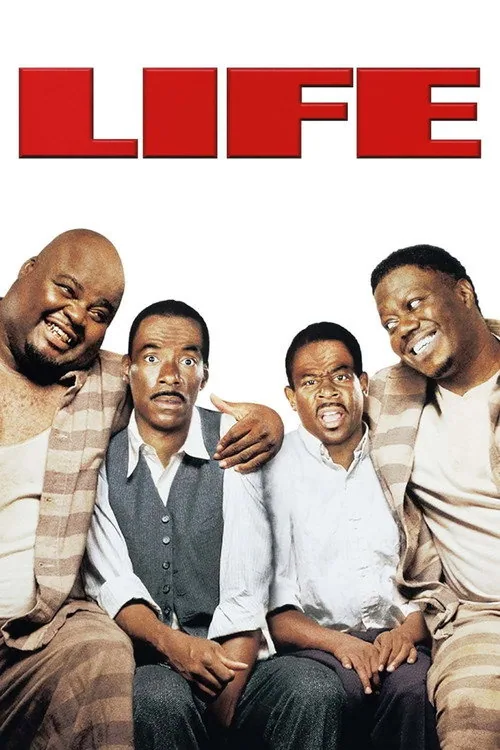
What changes The Old Man & the Gun: roadside encounter and bank work, investigation interwoven with romance and final escape and personal choice. Life: episodic time jumps, comic prison routines and reflective framing story.
In 1930s New York, quick-talking small-time crook Ray Gibson and cautious bank clerk Claude Banks are framed for a murder they did not commit. Both men receive life sentences in a Mississippi prison camp, where they endure decades of hard labor and find humor, friendship, and a way to survive the injustice. The film is told through an elderly prisoner's memories and blends a buddy comedy with a long view of Black life under a racist criminal system.
Based on recorded story, mood and style. Your preferences can change the order.
Criminal underworld
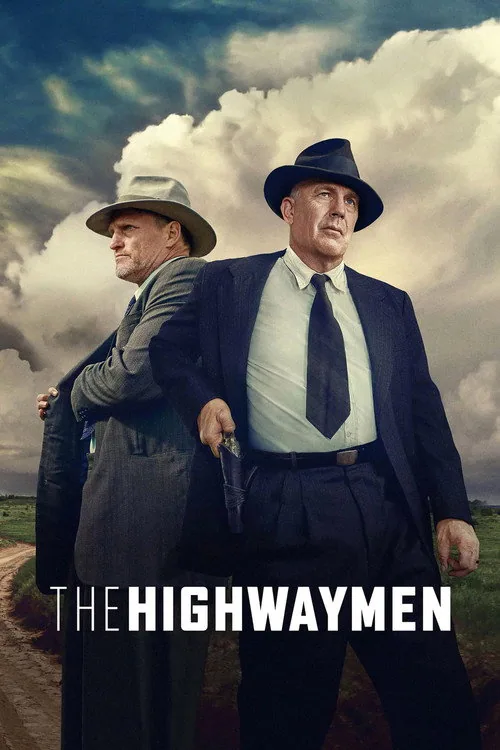
What changes The Old Man & the Gun: roadside encounter and bank work, investigation interwoven with romance and final escape and personal choice. The Highwaymen: two former rangers follow an elusive pair whose celebrity complicates the search..
Retired Texas Ranger Frank Hamer is asked to return to duty as Bonnie Parker and Clyde Barrow’s robberies and killings dominate the news. He recruits his former partner Maney Gault, and the two men follow the criminals’ trail across several states while facing poor information, public fascination, and pressure from officials. John Lee Hancock’s period crime drama centers the lawmen’s patient pursuit rather than glamorizing the outlaw couple, treating the manhunt as a dusty, sometimes thankless piece of police work.
Based on recorded story, mood and style. Your preferences can change the order.
Criminal underworld
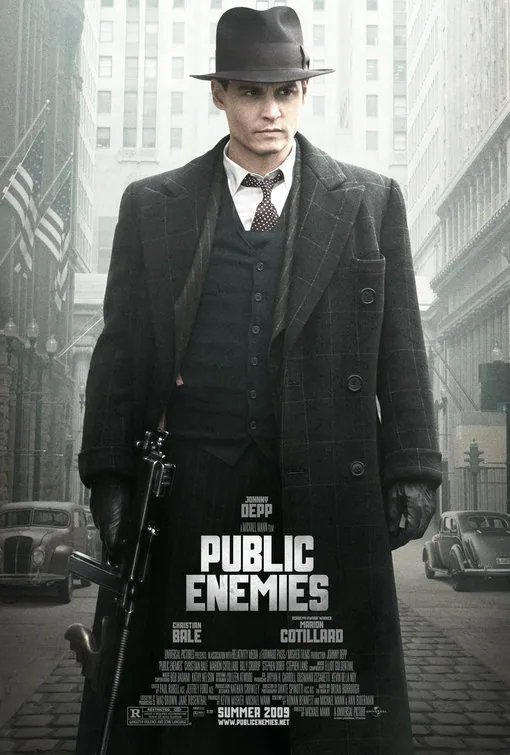
What changes The Old Man & the Gun: roadside encounter and bank work, investigation interwoven with romance and final escape and personal choice. Public Enemies: fast, pursuit-driven and episodic.
In 1933, bank robber John Dillinger breaks his crew out of Indiana State Prison and begins a run of high-profile robberies. FBI agent Melvin Purvis receives the assignment to capture him as J. Edgar Hoover pushes the bureau toward modern crime-fighting methods. Dillinger’s relationship with Billie Frechette develops amid the robberies, escapes and growing law-enforcement pressure, while Purvis’s pursuit becomes increasingly personal. The film follows the final stretch of Dillinger’s freedom through shifting safe houses, prison breaks and the government’s attempt to turn one outlaw into a public example. His career ends outside Chicago’s Biograph Theater.
Based on recorded story, mood and style. Your preferences can change the order.
Criminal underworld
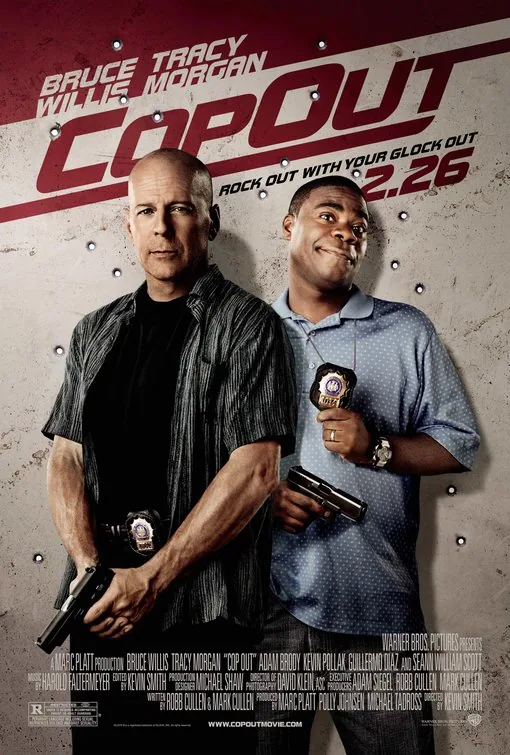
What changes The Old Man & the Gun: roadside encounter and bank work, investigation interwoven with romance and final escape and personal choice. Cop Out: loose banter between action set pieces.
Suspended New York detectives Jimmy Monroe and Paul Hodges become entangled in a pawn-shop robbery that takes Jimmy’s valuable baseball card and threatens his daughter’s wedding plans. Their pursuit of the thief leads them into a larger criminal operation, forcing the mismatched partners to work outside official channels. The buddy comedy combines police action with family pressures and a deliberately loose, talk-heavy rhythm.
Based on recorded story, mood and style. Your preferences can change the order.
Criminal underworld
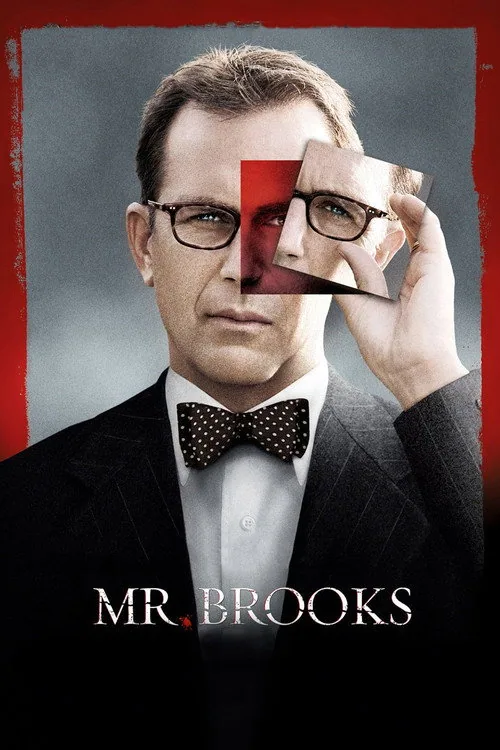
What changes The Old Man & the Gun: roadside encounter and bank work, investigation interwoven with romance and final escape and personal choice. Mr. Brooks: intercut crimes and investigation with psychological confrontations.
Earl Brooks is a respected Portland businessman and family man whose private life is controlled by an urge to kill. After a man photographs him during a murder, Brooks allows the witness to accompany him on another crime, while detective Tracy Atwood closes in and a violent fugitive targets her. The thriller makes outward respectability, compulsive violence, and the effort to control an imagined inner voice part of the same uneasy investigation.
Based on recorded story, mood and style. Your preferences can change the order.
Criminal underworld · Memory and identity
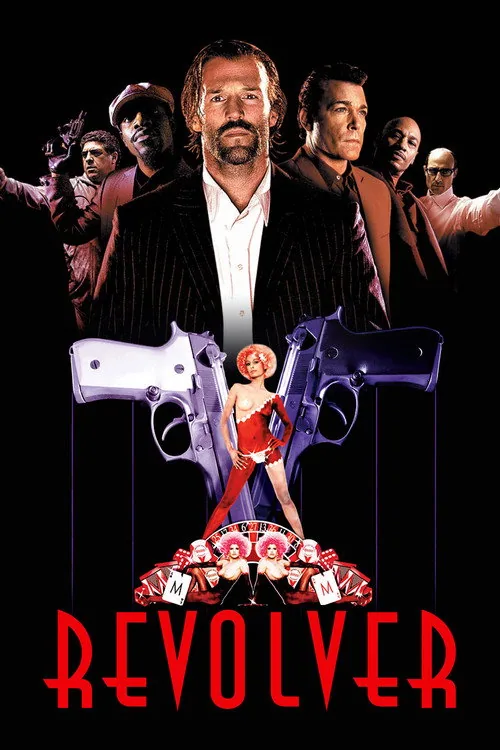
What changes The Old Man & the Gun: roadside encounter and bank work, investigation interwoven with romance and final escape and personal choice. Revolver: a criminal revenge plan becomes an argument about whether jake can escape the need to win..
After seven years in solitary confinement, gambler Jake Green challenges crime boss Dorothy Macha and appears to win a dangerous game. A blood-disease diagnosis and a failed attempt on Jake’s life lead loan sharks Zach and Avi to offer protection in exchange for his money and obedience. As Jake helps them undermine Macha and the rival Lord John, the story folds crime intrigue into a larger struggle with fear and ego. Guy Ritchie’s thriller uses an intentionally cryptic structure and philosophical dialogue, with a theatrical release and later re-edited version.
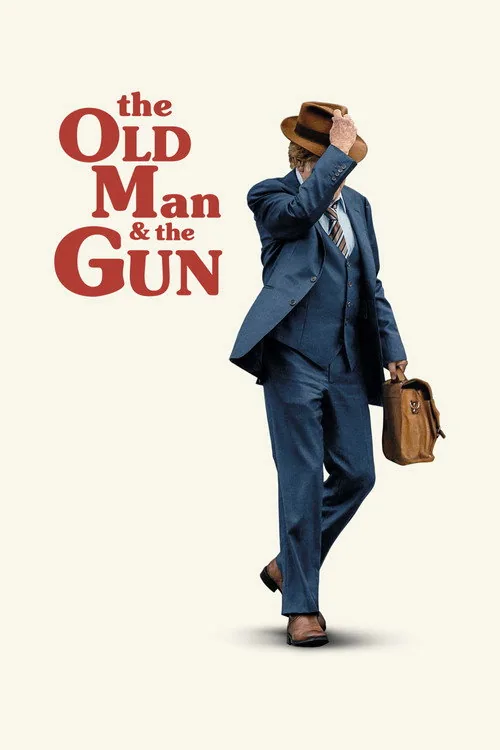
Forrest Tucker is an elderly bank robber whose charming manners help him evade police despite a long criminal history and a recent prison escape. After meeting rancher Jewel during one getaway, he develops a relationship while continuing a series of discreet heists with two older accomplices. Detective John Hunt becomes fascinated by the robber whose witnesses remember him as courteous rather than frightening. The film treats crime as a lifelong performance, balancing the pursuit with questions about family, aging, and whether Forrest knows how to stop.
What drives the story
Forrest continues robbing banks while the detective closes in and a new relationship gives him a reason to consider a different future.
The people at its centre
Jewel appreciates Forrest's charm but cannot erase his criminal habits, while Hunt's professional pursuit grows into admiration for the man behind the sketches.
What it feels like
A low-key crime caper lets its aging lead move through heists and romance with relaxed humor and a strong sense of time passing.
Worth knowing
Its robber is defined by gentlemanly charm and a lifelong refusal to quit, producing a reflective character portrait rather than a tense manhunt.
aging and chosen identityfreedom versus attachmentcrime as performance
Mood
gentle · wry · wistful
Pacing
roadside encounter and bank work · investigation interwoven with romance · final escape and personal choice
Visual style
warm 1970s-inspired film texture · unhurried rural and bank interiors · lightly comic robbery staging
Storytelling
elderly bank robber keeps returning to crime · detective follows unusually courteous suspect · romance develops alongside repeated heists